
Introduction: Understanding Mill-Type Welded Hydraulic Cylinders
In the realm of hydraulic systems, precision-engineered mill-type welded hydraulic cylinders play a vital role. These hydraulic cylinders are manufactured to tight tolerances and integrated with advanced control technologies, making them essential components in various industrial applications.
Defining Mill-Type Welded Hydraulic Cylinders
Mill-type welded hydraulic cylinders are robust and durable hydraulic actuators commonly used in heavy-duty applications. They are designed to withstand high pressures and deliver precise linear motion within hydraulic systems.
Principle of Mill-Type Welded Hydraulic Cylinders
These cylinders operate based on the principle of converting hydraulic energy into mechanical force. When pressurized hydraulic fluid enters the cylinder, it exerts force on the piston, causing linear motion that can be used to perform work.
Role and Application
- Mill-type welded hydraulic cylinders are utilized in a wide range of industries, including heavy equipment, industrial machinery, and mining operations.
- They are commonly used in applications that require high load capacity, long stroke, and rugged durability.
- These cylinders play a crucial role in providing reliable and efficient hydraulic power transmission within various hydraulic systems.
Design Characteristics of Mill-Type Welded Hydraulic Cylinders
The design of mill-type welded hydraulic cylinders encompasses several key components that contribute to their performance and durability:
Shell
The shell of the cylinder serves as the outer casing that houses the internal components and provides structural support to withstand high pressures.
Inner Cylinder
The inner cylinder houses the piston and acts as a conduit for hydraulic fluid flow, ensuring smooth operation and efficient energy transfer.
Piston
The piston is the primary component that converts hydraulic energy into mechanical force, driving linear motion within the cylinder.
Manufacturing Process
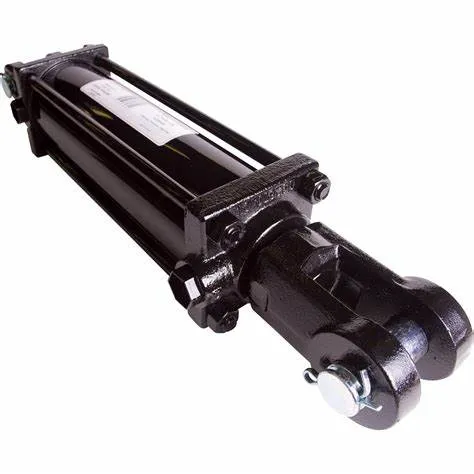
The manufacturing process of mill-type welded hydraulic cylinders involves precision welding techniques to ensure the strength, durability, and performance of the components. Welding technology plays a crucial role in maintaining the integrity of the cylinder under high pressures.
Working Principle of Mill-Type Welded Hydraulic Cylinders
The working principle of mill-type welded hydraulic cylinders involves the controlled movement of hydraulic fluid to generate linear motion. As hydraulic pressure is applied, the piston moves within the cylinder, exerting force to perform mechanical work.
Types and Configurations of Mill-Type Welded Hydraulic Cylinders
There are three main types of mill-type welded hydraulic cylinders, each with unique configurations tailored to specific applications:
Single-Acting Cylinder
A single-acting cylinder operates in one direction, utilizing hydraulic pressure to extend the piston for work output.
Double-Acting Cylinder
A double-acting cylinder can perform work in both directions, with hydraulic pressure used to extend and retract the piston for bidirectional motion.
Telescopic Cylinder
A telescopic cylinder features multiple stages that allow for varying stroke lengths, making it ideal for applications with limited space or extended reach requirements.
Advantages of Mill-Type Welded Hydraulic Cylinders
Mill-type welded hydraulic cylinders offer several advantages that make them preferred choices in industrial applications:
High Load Capacity
These cylinders can withstand heavy loads and provide reliable performance under demanding conditions.
Long Stroke
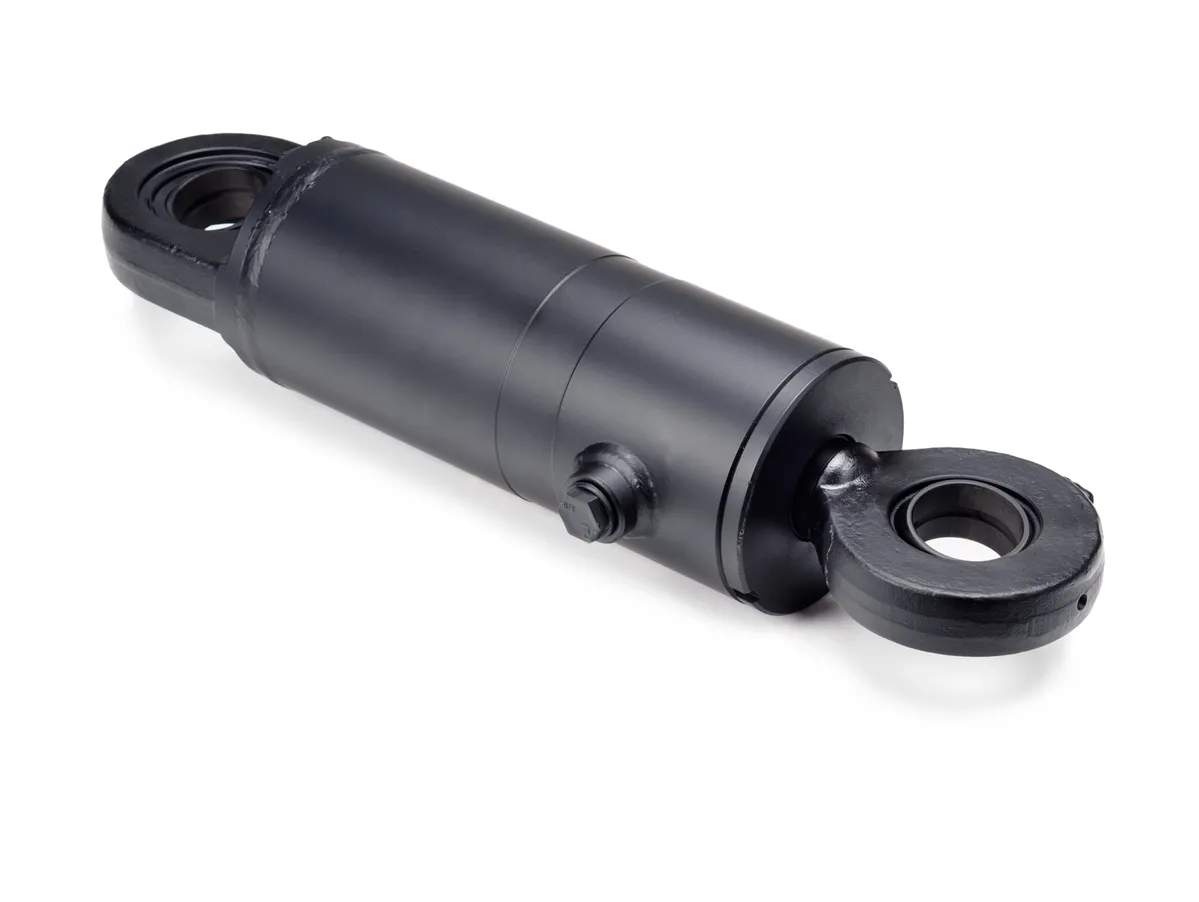
With extended stroke lengths, mill-type welded hydraulic cylinders can accommodate a wide range of motion requirements.
Rugged Durability
The robust construction and high-quality materials used in these cylinders ensure long-lasting durability and minimal maintenance needs.
Performance Characteristics of Mill-Type Welded Hydraulic Cylinders
The performance of mill-type welded hydraulic cylinders is influenced by various factors, including:
Working Pressure and Range
These cylinders are designed to operate within specific pressure ranges, ensuring optimal performance and safety.
Load Capacity
The load capacity of the cylinder depends on factors such as bore size, piston diameter, and material strength, affecting its overall performance.
Speed and Responsiveness
The speed and responsiveness of the cylinder play a crucial role in determining its efficiency and ability to meet application requirements.
Industries Using Mill-Type Welded Hydraulic Cylinders
Mill-type welded hydraulic cylinders find applications in various industries, including:
Heavy Equipment
These cylinders are used in heavy machinery such as excavators, loaders, and bulldozers to provide reliable hydraulic power for lifting and moving operations.
Industrial Machinery
Industrial equipment such as presses, shears, and injection molding machines utilize mill-type welded hydraulic cylinders for precise control and efficient operation.
Mining Operations
In the mining industry, these cylinders are essential for powering drilling rigs, crushers, and other heavy machinery used in extraction and processing operations.
Design Considerations and Selection Criteria
When selecting mill-type welded hydraulic cylinders, it is essential to consider factors such as:
Bearing Capacity
The cylinder’s ability to withstand loads and pressures without deformation or failure is critical for ensuring operational safety and efficiency.
Sealing and Lubrication
Proper sealing and lubrication of cylinder components are essential for preventing leaks, reducing friction, and ensuring smooth operation.
Sealing and Lubrication of Mill-Type Welded Hydraulic Cylinders
The sealing and lubrication of mill-type welded hydraulic cylinders are crucial for maintaining optimal performance and longevity:
Seal Materials
Utilizing high-quality seals such as piston seals, rod seals, and wear-resistant materials ensures effective sealing and prevents fluid leaks.
Lubrication
Regularly lubricating cylinder components with hydraulic oil helps reduce friction, wear, and heat buildup, extending the service life of the cylinder.
Inspection and Maintenance
Regular inspection and preventive maintenance measures are essential for ensuring the continued performance and reliability of mill-type welded hydraulic cylinders:
Inspection
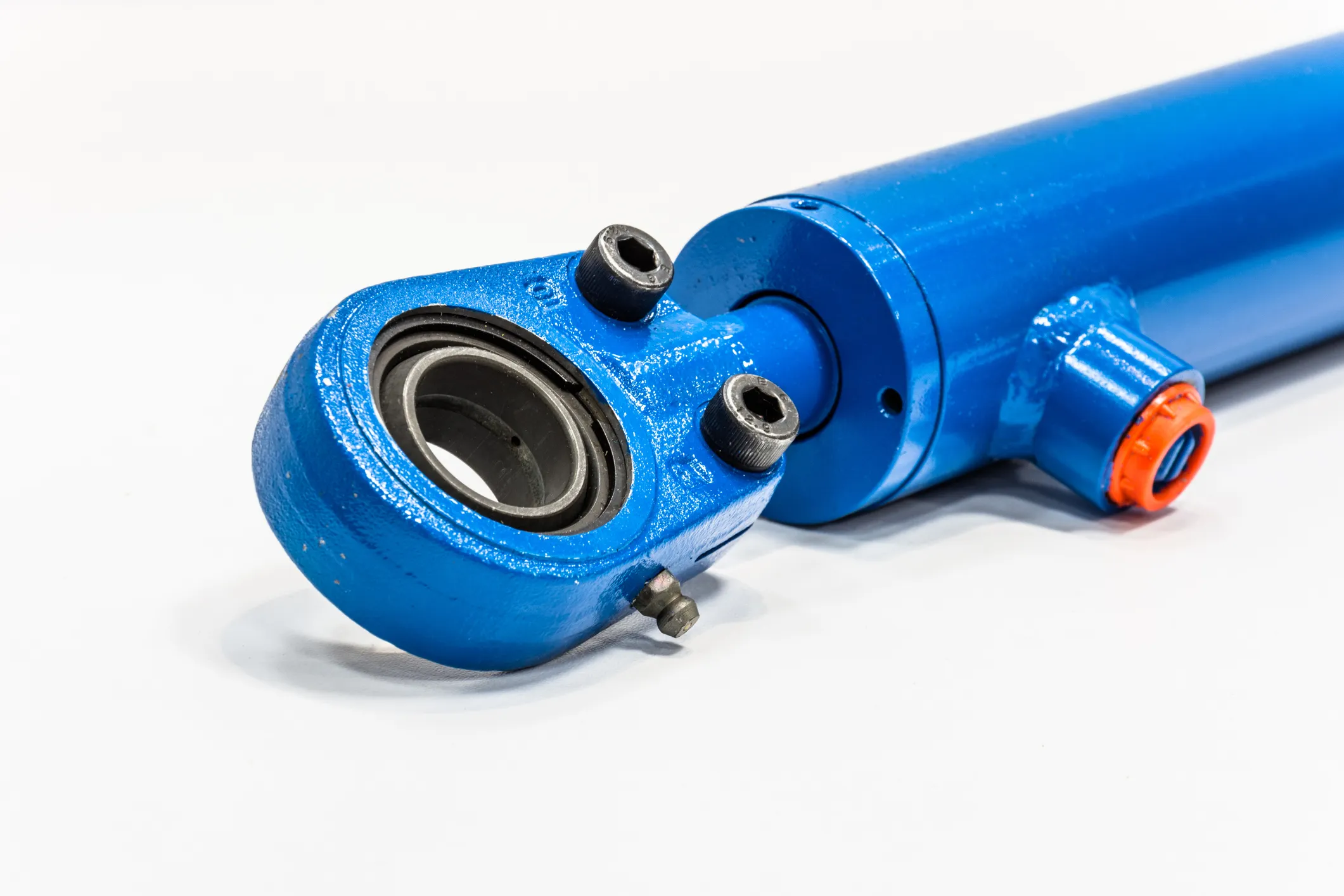
Periodic inspection of cylinder components, seals, and connections helps identify potential issues and prevent costly downtime due to malfunctions.
Preventive Maintenance
Implementing a preventive maintenance schedule that includes seal replacements, lubrication, and calibration inspections can extend the service life of the cylinder and reduce the risk of failure.
Installation Guide for Mill-Type Welded Hydraulic Cylinders
Proper installation of mill-type welded hydraulic cylinders is essential for optimal performance and longevity:
Follow these steps to ensure correct installation:
- Securely mount the cylinder to the equipment or machinery frame using appropriate fasteners.
- Ensure proper alignment of the cylinder and hydraulic connections to prevent leaks and ensure efficient fluid flow.
- Test the cylinder’s operation and functionality before putting it into service to verify correct installation and alignment.
Maintenance Tasks for Mill-Type Welded Hydraulic Cylinders
Three key maintenance tasks are essential for maximizing the performance and lifespan of mill-type welded hydraulic cylinders:
Regular Inspection
Perform regular visual inspections to check for leaks, signs of wear, and proper alignment of the cylinder components.
Proper Lubrication
Ensure that cylinder components are adequately lubricated with the recommended hydraulic oil to reduce friction and prolong the service life of the cylinder.
Seal Replacement
Replace worn or damaged seals promptly to prevent fluid leaks and maintain the integrity of the cylinder’s sealing system.
Safety Considerations and Environmental Factors
When using mill-type welded hydraulic cylinders, it is crucial to prioritize safety and consider environmental factors:
Implement safety measures such as proper installation, maintenance, and operation procedures to ensure the safety of personnel and equipment.
Fault Diagnosis and Common Problems
Common issues with mill-type welded hydraulic cylinders include leaks, seal failures, and piston misalignment:
Leak Detection
If a cylinder is leaking hydraulic fluid, carefully inspect the seals, connections, and fittings to identify the source of the leak and address it promptly.
Seal Failure
Seal failures can lead to reduced performance and potential fluid leaks. Regularly inspect and replace damaged seals to maintain the integrity of the cylinder’s sealing system.
Piston Misalignment
If the piston is misaligned within the cylinder, it can cause operational issues and reduced efficiency. Ensure proper alignment and operation of the cylinder to prevent piston misalignment.
Questions and Answers
Here are answers to three common questions about mill-type welded hydraulic cylinders:
What are the advantages of mill-type welded hydraulic cylinders?
Mill-type welded hydraulic cylinders offer high load capacity, long stroke lengths, and rugged durability for reliable performance in various industrial applications.
What are the main components of a mill-type welded hydraulic cylinder?
The main components include the shell, inner cylinder, piston, seals, and hydraulic connections that work together to convert hydraulic energy into mechanical force.
How do mill-type welded hydraulic cylinders differ from other types?
Mill-type welded hydraulic cylinders are known for their robust construction, precise tolerances, and advanced control technologies that ensure efficient operation and longevity in demanding applications.
Long Tail Keywords for Mill-Type Welded Hydraulic Cylinders
- Precision-Engineered Hydraulic Cylinders
- Tight Tolerance Hydraulic Actuators
- Advanced Control Technology Integration
Company Focus: Hydraulic Cylinder Manufacturer
Our company specializes in manufacturing precision-engineered mill-type welded hydraulic cylinders designed to meet the stringent requirements of industrial applications. With a comprehensive product line and a reputation for quality, we have established ourselves as a leading manufacturer and distributor in the domestic and international markets.
Our company prides itself on:
- Professional Services
- International Certification
- Customized Solutions
- State-of-the-Art Production Equipment
- Dedicated After-Sales Service
By focusing on innovation, quality, and customer satisfaction, we continue to deliver high-performance hydraulic cylinders that meet the needs of our diverse clientele.
Author: lyl