
Understanding Robust Reversible Welded Hydraulic Cylinders
The world of hydraulic systems is vast and complex, with various components playing crucial roles in ensuring smooth operations. One such essential component is the reversible welded hydraulic cylinder. In this article, we will delve into the key aspects of these robust cylinders, including their design, working principles, applications, advantages, and maintenance considerations.
The Reversible Welded Hydraulic Cylinder: An Overview
Defining Reversible Welded Hydraulic Cylinders
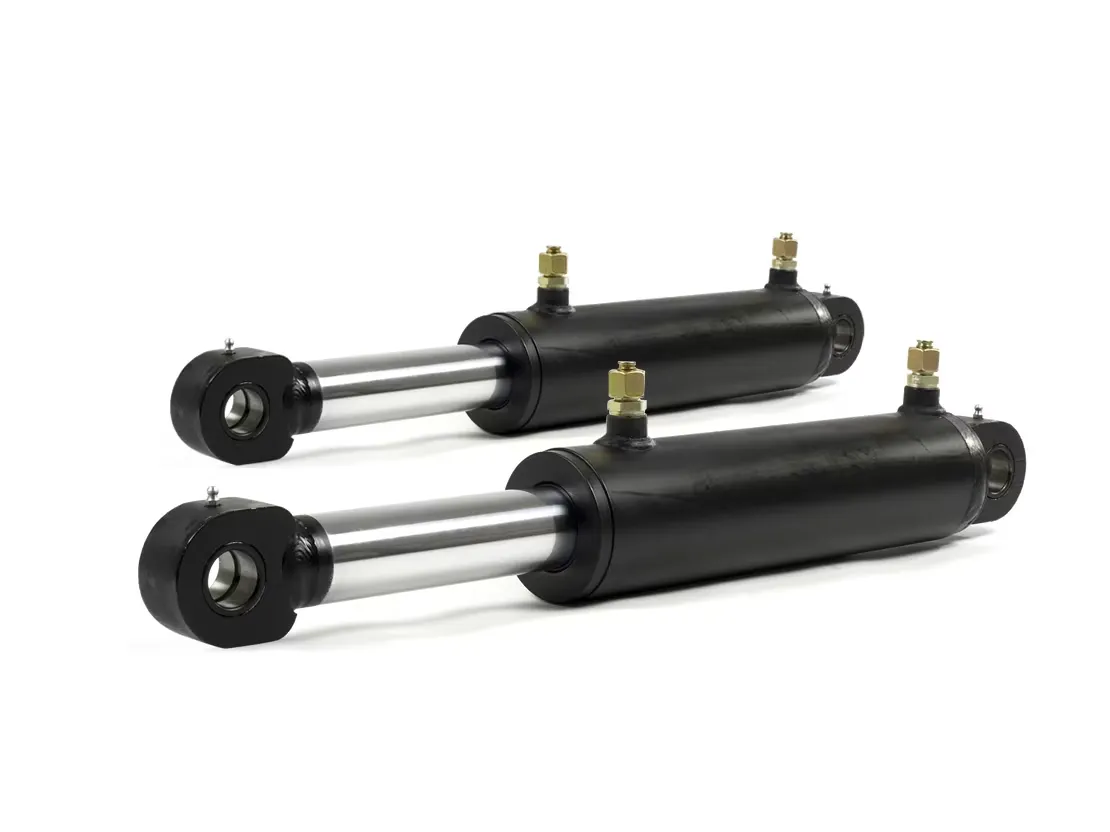
Robust reversible welded hydraulic cylinders are hydraulic actuators that can operate in both directions without the need to change the hydraulic line connections. This unique capability enhances the flexibility and versatility of hydraulic systems, making them ideal for a wide range of applications.
Principle of Operation
These cylinders function based on the flow and pressure of hydraulic fluid. When fluid enters the cylinder, it creates a force that extends or retracts the piston, enabling the cylinder to move in the desired direction.
Role and Application
- Construction Machinery: Excavators, loaders, and cranes
- Agricultural Machinery: Tractors, harvesters, and sprayers
- Industrial Manufacturing: Punching machines, clamping devices
- Mining Equipment: Mining and excavation machinery
- Waste Disposal: Waste compression and crushing equipment
- Marine and Marine Engineering: Deck machinery, lifting equipment
- Robotics and Automation: Flexible bidirectional drive requirements
Design Characteristics of Reversible Welded Hydraulic Cylinders
Components
The main components of reversible welded hydraulic cylinders include the cylinder, piston, rod, and end cap. These components are typically made of durable materials such as steel or stainless steel to withstand high pressure and loads.
Design Features
Key design features of reversible welded hydraulic cylinders include double action capabilities, two-way flow, and a compact structure. These features contribute to the cylinders’ durability, efficiency, and cost-effectiveness.
Advantages of Robust Reversible Welded Hydraulic Cylinders

Reversibility
The ability to operate in both directions without changing hydraulic connections enhances equipment flexibility.
Durability
Welded construction makes the cylinders durable and capable of withstanding high pressure and loads.
Simple Maintenance
Fewer moving parts and seals reduce maintenance frequency and repair costs.
Cost-Effective
Compared to traditional cylinders, reversible welded cylinders are more affordable to manufacture.
Compact Design
The compact structure of these cylinders makes them suitable for narrow working environments.
Performance Characteristics and Applications
Performance
Reversible welded hydraulic cylinders operate within typical pressure and force ranges, offering precise control and reliability.
Applications
These cylinders find extensive use in various industries, including construction, agriculture, manufacturing, mining, waste disposal, marine engineering, robotics, and automation.
Design Considerations and Selection Criteria
Bearing Capacity
Considering the load capacity is crucial when selecting a reversible welded hydraulic cylinder for an application.
Sealing
Proper seals are essential to prevent leakage and ensure efficient operation.
Durability
Durable construction materials and design features contribute to the longevity of hydraulic cylinders.
Safety
Ensuring safety features are in place to prevent accidents during cylinder operation is paramount.
Maintainability
Easy maintenance and repair procedures help extend the lifespan of hydraulic cylinders.
Sealing and Lubrication
Seal Materials
Various seal materials such as polyurethane and nitrile rubber are used to enhance the performance and longevity of hydraulic cylinders.
Lubrication
Regularly lubricating the cylinder components with hydraulic oil is essential for smooth operation and reduced wear.
Maintenance and Troubleshooting
Preventive Maintenance
Regular inspections and maintenance tasks help prevent issues and ensure optimal performance of hydraulic cylinders.

Troubleshooting
Effective troubleshooting tips and solutions can aid in diagnosing and fixing common cylinder problems efficiently.
Safety Considerations and Environmental Factors
Addressing safety concerns and environmental impacts of hydraulic cylinders is crucial to prevent accidents and minimize harm to the ecosystem.
Conclusion
In conclusion, reversible welded hydraulic cylinders are versatile components that play a significant role in various industries. Their robust design, durability, and flexibility make them indispensable for a wide range of applications. By understanding their principles, design characteristics, and maintenance requirements, users can maximize the performance and longevity of these essential hydraulic components.