
The Ultimate Guide to Self-Checking Reversible Welded Hydraulic Cylinders
Introduction
In the world of hydraulic systems, the term “Self-Checking Reversible Welded Hydraulic Cylinders” may sound complex, but in reality, it encompasses a simple yet crucial component that plays a vital role in various industries. Understanding the key aspects of these cylinders is essential for anyone working with hydraulic systems.
Defining Self-Checking Reversible Welded Hydraulic Cylinders
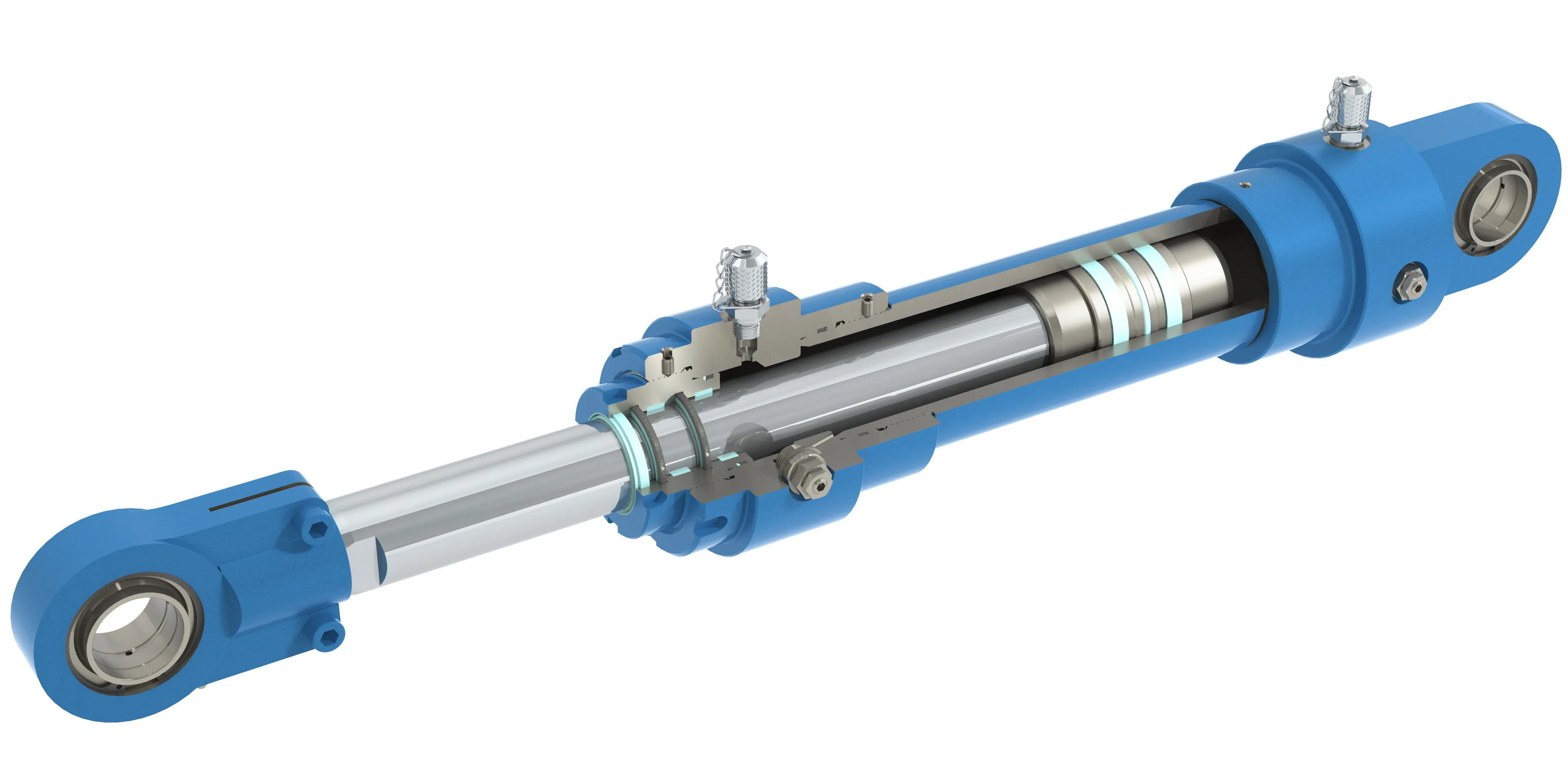
Self-Checking Reversible Welded Hydraulic Cylinders are hydraulic cylinders that can operate in both directions without the need to replace or alter the hydraulic line connections. This unique feature enhances the flexibility and versatility of equipment utilizing these cylinders.
Principle of Self-Checking Reversible Welded Hydraulic Cylinders
These cylinders work based on the flow and pressure of hydraulic fluid. When the fluid enters the cylinder, it drives the piston in a specific direction, causing the cylinder to extend or retract. The reversible nature of these cylinders allows for seamless operation in both directions.
Role and Application in Hydraulic Systems
- Construction Machinery
- Agricultural Machinery
- Industrial Manufacturing
- Mining Equipment
- Waste Disposal
Excavators, loaders, and cranes benefit from bidirectional cylinder action.
Tractors and harvesters utilize reversible cylinders for lifting and rotating functions.
Punching machines and mold compaction equipment require precise and repetitive action.
Reliable and durable hydraulic cylinders are essential for mining and excavation machinery.
Waste compression and crushing equipment use reversible cylinders to enhance efficiency.
Design Characteristics
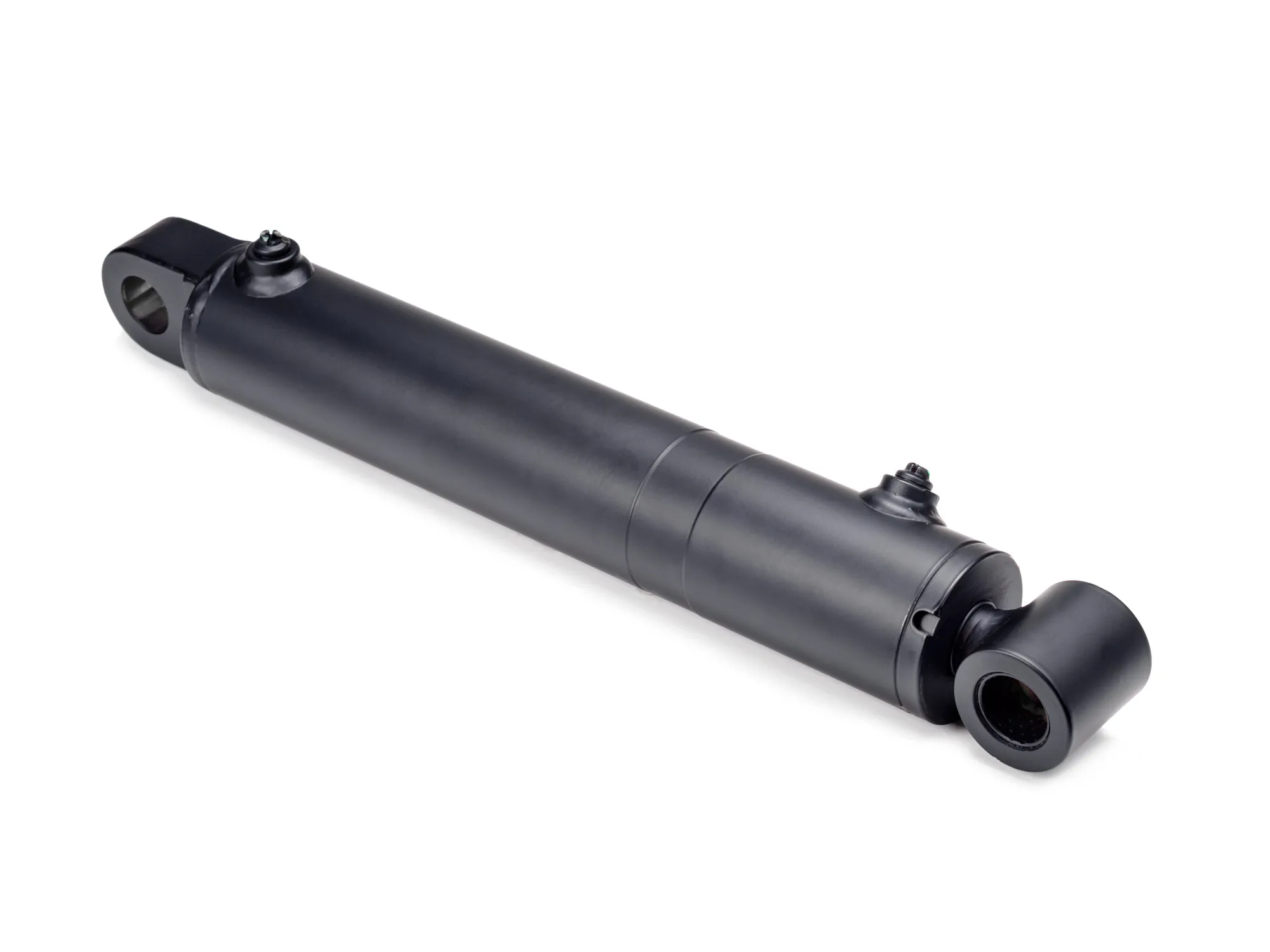
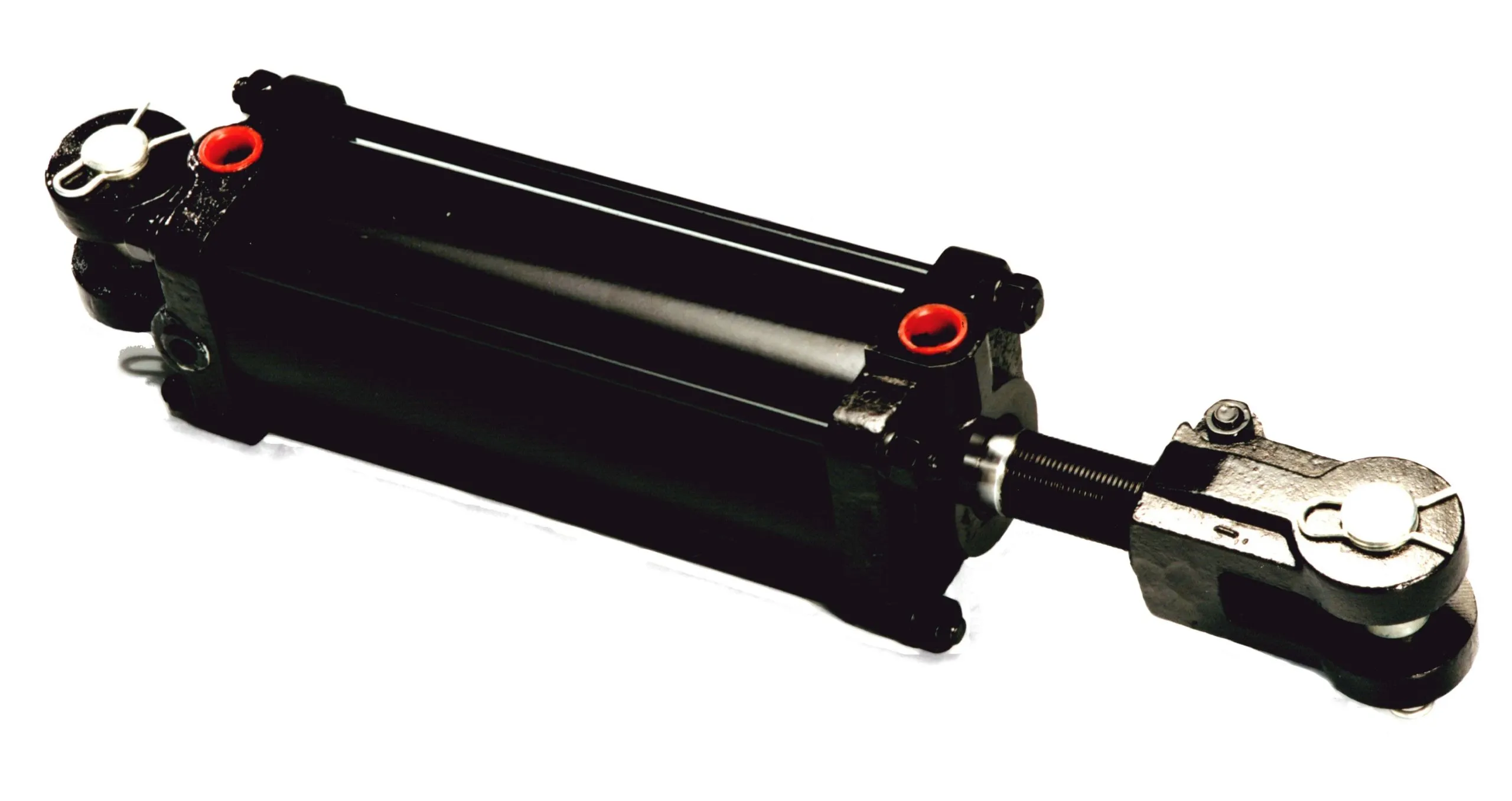
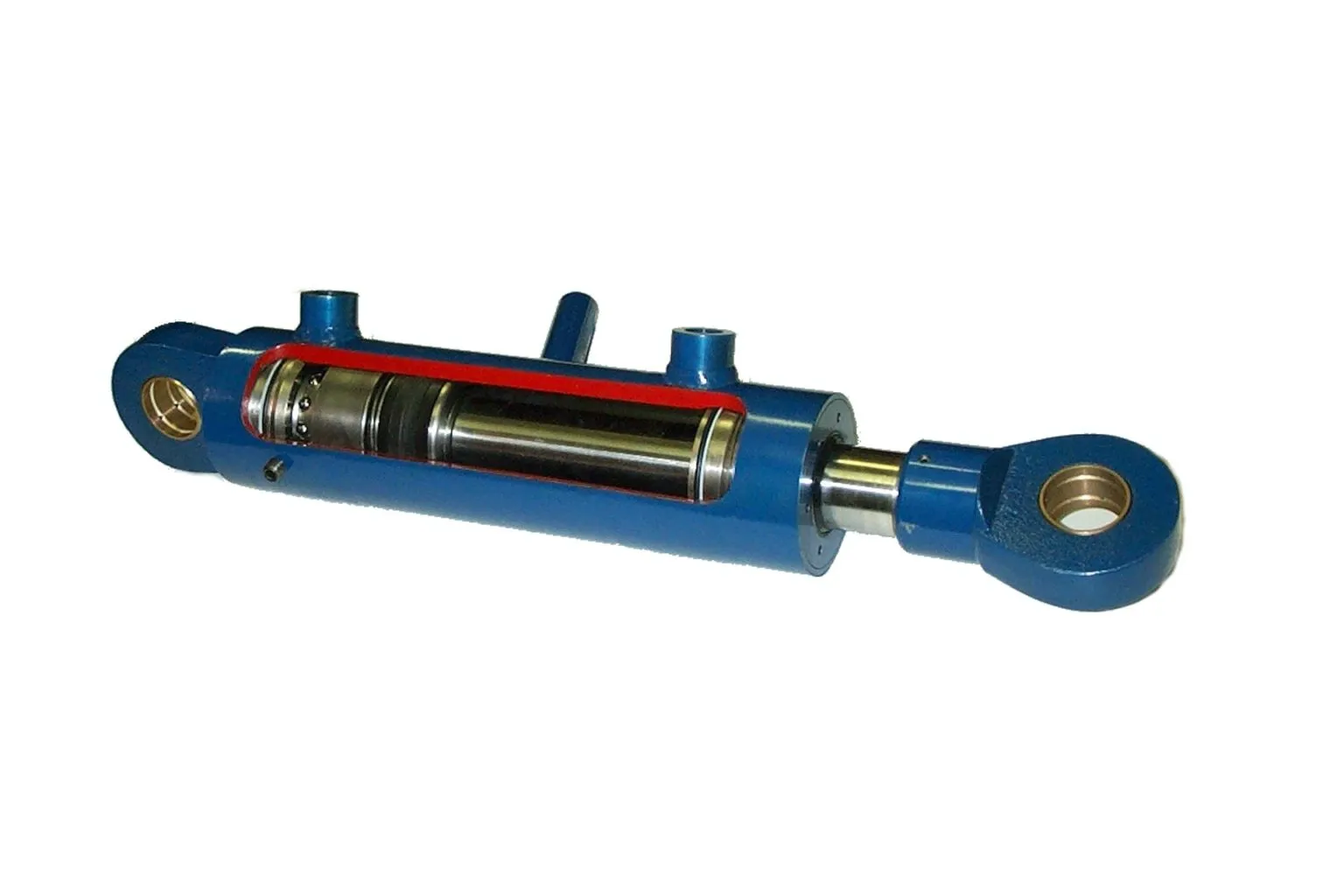
Self-Checking Reversible Welded Hydraulic Cylinders consist of various components such as cylinders, pistons, rods, and end caps. These cylinders are typically made from durable materials like steel or stainless steel, allowing them to withstand high pressure and loads.
Advantages of Self-Checking Reversible Welded Hydraulic Cylinders
- Reversibility
- Durability
- Simple Maintenance
- Cost-Effective
- Compact Design
Operate in both directions without changing hydraulic line connections.
Welded design ensures durability under high working pressure.
Fewer moving parts reduce maintenance frequency.
Less expensive compared to traditional hydraulic cylinders.
Suitable for narrow working environments due to compact structure.
Working Principle
The working principle of Self-Checking Reversible Welded Hydraulic Cylinders involves the precise control of hydraulic fluid flow and pressure to extend or retract the cylinder. This mechanism enables seamless bidirectional operation for various applications.
Types and Configurations
There are three main types of Self-Checking Reversible Welded Hydraulic Cylinders, each offering unique characteristics tailored to specific requirements. These cylinders provide precise control and flexibility in operation.
Design Considerations and Selection Criteria
When selecting Self-Checking Reversible Welded Hydraulic Cylinders, factors such as bearing capacity, sealing, durability, safety, and maintainability must be considered. These cylinders play a critical role in ensuring the efficiency and reliability of hydraulic systems.
Sealing and Lubrication
Proper sealing and lubrication are essential for the optimal performance of Self-Checking Reversible Welded Hydraulic Cylinders. Using high-quality seals and regular lubrication maintenance enhances the longevity and efficiency of these cylinders.
Maintenance and Safety
Regular inspection and preventive maintenance measures are crucial for ensuring the safe and efficient operation of Self-Checking Reversible Welded Hydraulic Cylinders. Proper installation, lubrication, and maintenance practices are essential for maximizing the lifespan of these cylinders.
Safety Considerations
Implementing safety measures when using Self-Checking Reversible Welded Hydraulic Cylinders is paramount to prevent accidents and ensure optimal performance. Adhering to safety guidelines and regulations is essential for the well-being of operators and equipment.
Fault Diagnosis and Solutions
Identifying common problems and implementing effective troubleshooting solutions is vital for maintaining the functionality of Self-Checking Reversible Welded Hydraulic Cylinders. Understanding the root causes of faults enables timely and efficient resolutions.
Common Questions
- What types of industries commonly use Self-Checking Reversible Welded Hydraulic Cylinders?
- What are the main components of a Self-Checking Reversible Welded Hydraulic Cylinder?
- How do Self-Checking Reversible Welded Hydraulic Cylinders differ from single-acting cylinders?
Industries such as construction, agriculture, industrial manufacturing, mining, waste disposal, marine engineering, and robotics utilize these cylinders for diverse applications.
The main components include cylinders, pistons, rods, end caps, seals, and hydraulic fluid.
Self-Checking Reversible Cylinders can operate bidirectionally without changing hydraulic connections, offering greater flexibility and versatility in applications.
Company Focus
Our company specializes in manufacturing high-quality Self-Checking Reversible Welded Hydraulic Cylinders, offering a comprehensive product line tailored to diverse industry needs. With a commitment to excellence, international certifications, customized services, advanced production equipment, and reliable after-sales support, we have established ourselves as a leading manufacturer and distributor in the global market.