
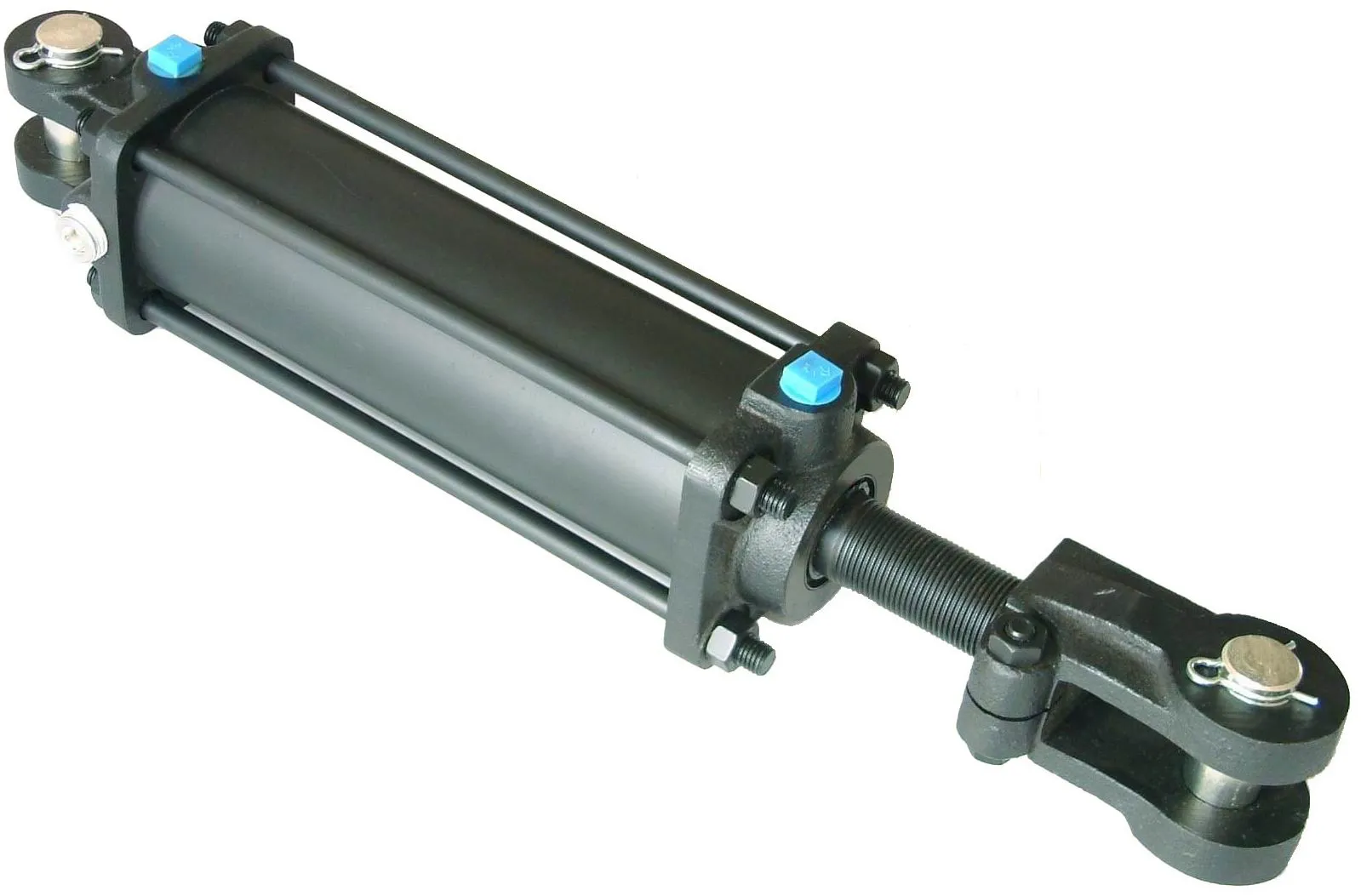
Telehandler Reversible Welded Hydraulic Cylinders: A Comprehensive Guide
Introduction
In the realm of hydraulic systems, the term “reversible welded hydraulic cylinders” holds a significant place. These cylinders play a crucial role in various industries, offering versatility, durability, and efficiency. In this comprehensive guide, we will delve into the intricacies of telehandler reversible welded hydraulic cylinders.
Defining Telehandler Reversible Welded Hydraulic Cylinders
Telehandler reversible welded hydraulic cylinders are hydraulic actuators that utilize hydraulic fluid power to produce linear motion and force. They are commonly used in telehandlers, also known as telescopic handlers, to provide lifting and positioning capabilities.
Principle of Reversible Welded Hydraulic Cylinders
- Reversible welded hydraulic cylinders operate on the principle of reciprocating motion generated by the flow and pressure of hydraulic fluid.
- They can extend and contract in both directions, allowing for bidirectional movement without the need to change hydraulic connections.
- These cylinders are essential components in hydraulic systems where precise control and efficient operation are required.
Design Characteristics
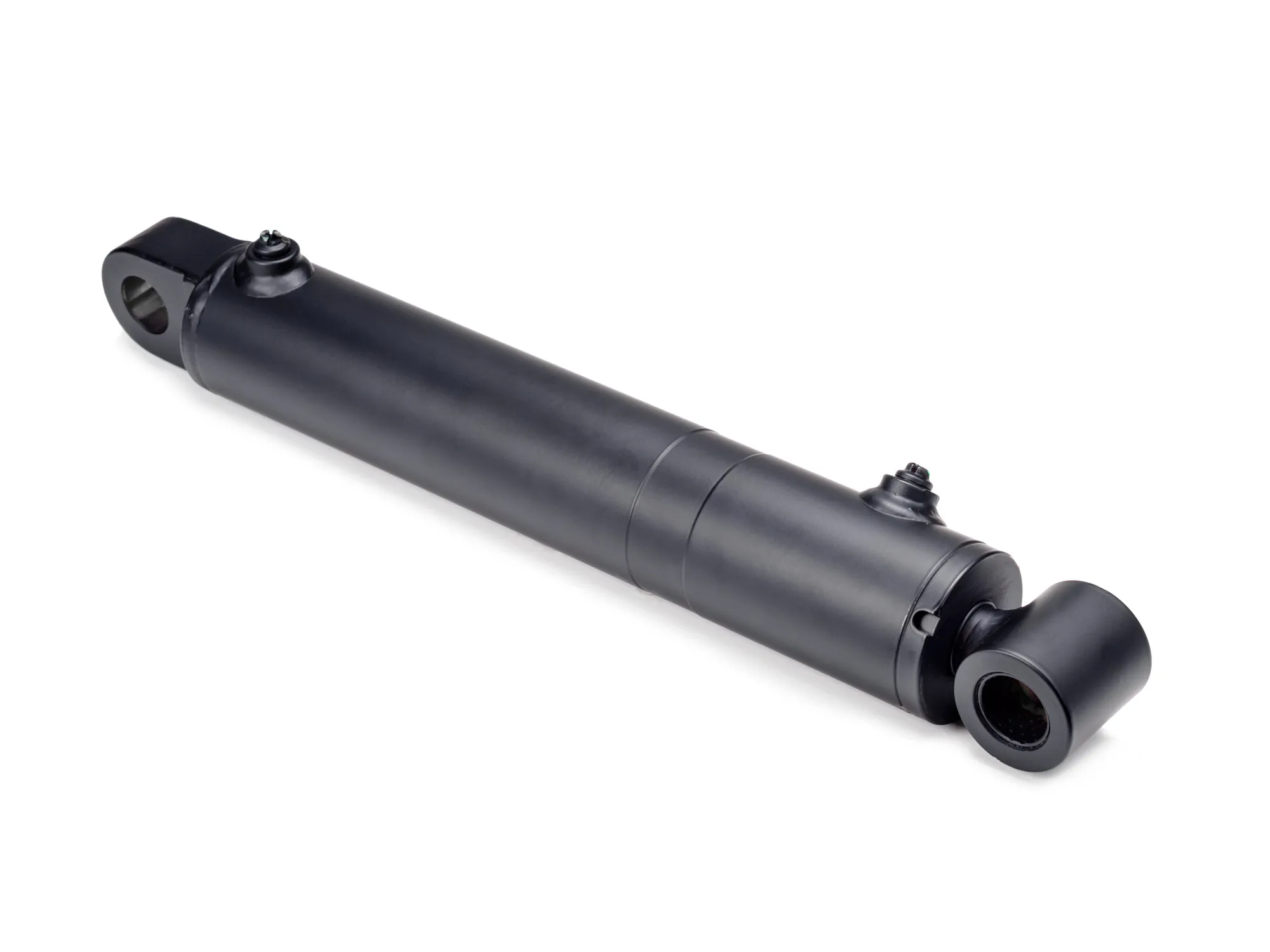
The design of telehandler reversible welded hydraulic cylinders encompasses various components and features:
Components:
- Cylinder
- Piston
- Rod
- End cap
Building Materials:
- Steel
- Stainless steel
Design Features:
- Double action
- Two-way flow
Working Principle
The working principle of telehandler reversible welded hydraulic cylinders involves the extension and contraction of the cylinder:
When hydraulic fluid is supplied to one side of the piston, it extends the cylinder, while supplying fluid to the other side retracts it. This action is essential for lifting, lowering, and positioning tasks in telehandlers.
Types and Configurations
There are three main types of telehandler reversible welded hydraulic cylinders:
- Single-acting cylinders
- Double-acting cylinders
- Telescopic cylinders

Advantages
Telehandler reversible welded hydraulic cylinders offer several advantages:
Reversibility
The ability to operate in both directions without changing hydraulic connections enhances equipment flexibility.
Durability
The welded design ensures higher working pressure tolerance and load capacity.
Simple Maintenance
With fewer moving parts and seals, maintenance requirements are reduced.
Cost-Effectiveness
Compared to traditional cylinders, reversible welded cylinders are more affordable to manufacture.

Compact Design
The compact structure of these cylinders makes them suitable for narrow working environments.
Performance Characteristics
Telehandler reversible welded hydraulic cylinders exhibit specific performance characteristics:
Operating Pressure and Force Ranges
These cylinders can operate within a wide range of pressure and force specifications.
Stroke Length and Bore Size
Various stroke lengths and bore sizes are available to suit different applications.
Selection Considerations
Choosing the right cylinder size and configuration requires careful consideration of application requirements.
Applications
Telehandler reversible welded hydraulic cylinders find applications in various industries:
Construction Machinery
Excavators, loaders, and cranes benefit from the bidirectional action of these cylinders.
Agricultural Machinery
Tractors, harvesters, and sprayers utilize reversible cylinders for lifting and rotating tasks.
Industrial Manufacturing
Punching machines, clamping devices, and mold compaction equipment rely on the precision of reversible cylinders.
Mining Equipment
Mining and excavation machinery require durable hydraulic cylinders for reliable operation.
Waste Disposal
Waste compression and crushing equipment employ reversible cylinders to enhance efficiency.
Marine and Marine Engineering
Deck machinery, lifting equipment, and hydraulic drives in marine applications benefit from the versatility of reversible cylinders.
Robotics and Automation
Flexible bidirectional drive requirements in robotics demand the precision and control offered by reversible cylinders.
Design Considerations
When designing and selecting telehandler reversible welded hydraulic cylinders, several factors must be considered:
Bearing Capacity
Ensuring the cylinder can withstand the required loads is essential for safe operation.
Sealing
Proper seals are critical to prevent leaks and ensure efficient performance.
Durability
The longevity of the cylinder depends on its ability to withstand harsh operating conditions.
Safety
Adhering to safety standards is paramount to prevent accidents and maintain operational integrity.
Maintainability
Easy maintenance procedures contribute to the longevity and performance of the cylinder.
Sealing and Lubrication
Sealing and lubrication are crucial for the optimal performance of telehandler reversible welded hydraulic cylinders:
Seals
Piston seals, rod seals, and other wear-resistant materials are used to prevent fluid leakage.
Lubrication
Regularly lubricating the cylinder components ensures smooth operation and prolongs the lifespan of the equipment.
Maintenance and Inspection
Regular inspection and preventive maintenance are key to ensuring the reliability of telehandler reversible welded hydraulic cylinders:
Regular Inspection
Periodic checks help identify potential issues before they escalate into major problems.
Proper Lubrication
Applying the right amount of lubrication at regular intervals is essential for optimal performance.
Seal Replacement
Replacing worn seals prevents leaks and maintains the integrity of the hydraulic system.
Installation Guide
Installing telehandler reversible welded hydraulic cylinders requires precision and care:
Ensure proper alignment, secure mounting, and correct hydraulic connections for seamless operation.
Safety Considerations
When working with telehandler reversible welded hydraulic cylinders, safety should be a top priority:
Follow all safety guidelines, use appropriate protective gear, and conduct regular safety checks to prevent accidents.
Fault Diagnosis and Solutions
In the event of malfunctions or issues with telehandler reversible welded hydraulic cylinders, diagnosing the problem is crucial:
Inspect for leaks, check for unusual noises, and test the functionality of the cylinder to pinpoint the cause of the fault.
Common Questions
What types of industries commonly use telehandler reversible welded hydraulic cylinders?
Telehandler reversible welded hydraulic cylinders are widely used in construction, agriculture, industrial manufacturing, mining, waste disposal, marine engineering, and robotics sectors.
What are the main components of a telehandler reversible welded hydraulic cylinder?
The main components include the cylinder, piston, rod, and end cap, all of which work together to provide linear motion and force.
How do telehandler reversible welded hydraulic cylinders differ from single-acting cylinders?
Telehandler reversible welded hydraulic cylinders can operate bidirectionally without changing hydraulic connections, offering greater flexibility and efficiency compared to single-acting cylinders.
Long Tail Keywords
Three long tail keywords for telehandler reversible welded hydraulic cylinders:
- Telehandler double-acting hydraulic cylinder
- Telescopic handler hydraulic cylinder
- Reversible welded cylinder for telehandlers
Company Focus
Our company specializes in manufacturing and distributing high-quality telehandler reversible welded hydraulic cylinders:
With a complete product line, professional services, and international certifications, we are a trusted provider in the hydraulic cylinder industry.
Author: lyl