
The Importance Of Vibration Damping Systems And The Role Of Welded Hydraulic Cylinders
Introduction to Welded Hydraulic Cylinders
When we talk about vibration damping systems, one key component that plays a crucial role is the welded hydraulic cylinder. In the realm of fluid power transmission, hydraulic cylinders are essential in converting fluid pressure into linear motion, thereby enabling the smooth operation of various machinery and equipment.
Basic Concepts of Hydraulic Generation
Hydraulic generation involves the creation of fluid power using hydraulic pumps, which generate flow and pressure to drive hydraulic cylinders. These cylinders act as actuators, converting the energy generated by the fluid into mechanical motion.
Role of Welded Hydraulic Cylinder in Hydraulic System
The welded hydraulic cylinder is a vital part of the hydraulic system, providing the necessary force and motion required for the system to function effectively. It plays a crucial role in various applications across industries.
Design and Construction of Welded Hydraulic Cylinder
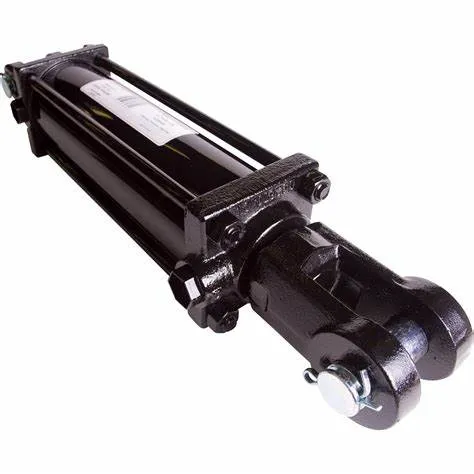
When it comes to the design and construction of welded hydraulic cylinders, several key components are involved. These include the cylinder barrel, piston, rod, end cap, and welding joints. Each component is meticulously crafted to ensure the durability and efficiency of the hydraulic cylinder.
Key Components of Welded Hydraulic Cylinder
- Cylinder Barrel: Houses the piston and rod, providing a smooth surface for movement.
- Piston: Moves back and forth within the cylinder to generate linear motion.
- Rod: Connects the piston to the external load, transmitting force.
- End Cap: Seals the cylinder and provides mounting options for installation.
- Welding Joints: Ensure the structural integrity of the cylinder, preventing leaks.
Working Principle of Welded Hydraulic Cylinders
Welded hydraulic cylinders operate based on the principle of Pascal’s law, which states that a change in pressure at any point in an enclosed fluid is transmitted equally in all directions. When pressure is applied, the fluid acts on the piston, creating linear motion.
Types and Configurations of Welded Hydraulic Cylinders
There are various types and configurations of welded hydraulic cylinders available, each designed for specific applications. These include single-acting cylinders, double-acting cylinders, telescopic cylinders, and custom-built cylinders tailored to meet unique requirements.
Advantages of Welded Hydraulic Cylinders
- Compact Design: Saves space and allows for easy installation.
- High Load Capacity: Capable of handling heavy loads with ease.
- Robust Construction: Built to withstand harsh operating conditions.
- Leak Resistance: Ensures seamless operation without fluid leakage.
- Cost Effectiveness: Provides long-term value and efficiency.
Applications of Welded Hydraulic Cylinders
Welded hydraulic cylinders find extensive use in industries such as manufacturing, construction, mining, agriculture, and material handling. These cylinders are used in various machinery and equipment, including hydraulic presses, cranes, excavators, and agricultural machinery.
Customization Possibilities of Welded Hydraulic Cylinders
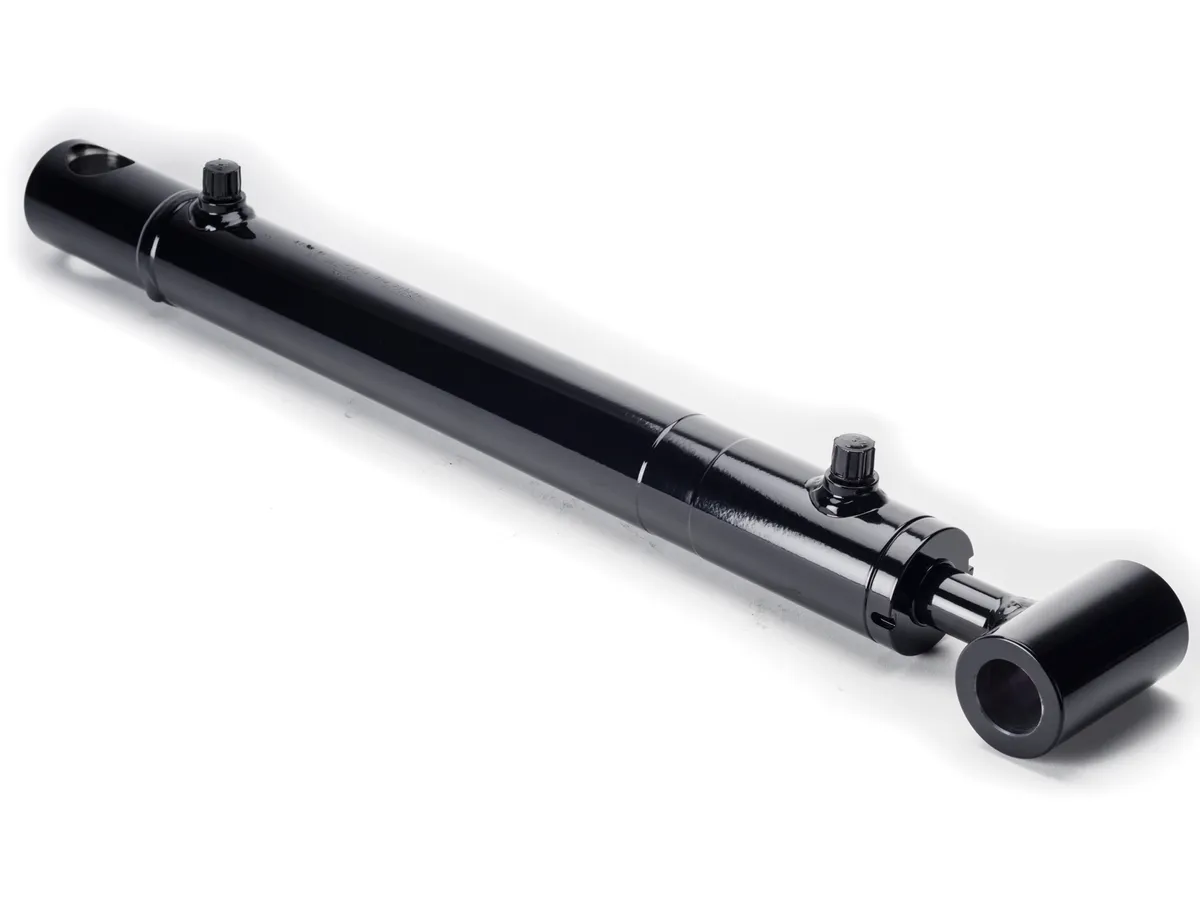
When it comes to customization, welded hydraulic cylinders offer flexibility in terms of stroke length, mounting options, rod diameter, and special requirements for specific applications. This allows for tailored solutions to meet diverse needs.
Maintenance and Care of Welded Hydraulic Cylinders
Regular maintenance and care of welded hydraulic cylinders are essential to ensure optimal performance and longevity. This includes regular inspections, proper lubrication, seal replacements, and calibration checks to maintain efficiency and prevent breakdowns.
Preventive Maintenance Measures
- Inspecting cylinders for leaks and wear regularly.
- Lubricating moving parts to reduce friction and wear.
- Replacing seals and gaskets when signs of damage are observed.
Hydraulic Cylinder Installation Guide
Proper installation of hydraulic cylinders is crucial for their efficient operation. Ensure that cylinders are securely mounted, aligned correctly, and connected to the hydraulic system following manufacturer guidelines to prevent issues and ensure safety.
Maintenance Tasks for Welded Hydraulic Cylinders
Three key maintenance tasks for welded hydraulic cylinders include regular inspections, proper lubrication, and seal replacements. These tasks help in ensuring the smooth functioning of the cylinders and prolong their lifespan.
Regular Inspection
Regularly inspecting cylinders for signs of wear, leaks, or damage is essential to identify potential issues early and prevent costly repairs down the line.
Proper Lubrication
Applying the right type and amount of lubrication to moving parts helps reduce friction, heat, and wear, extending the life of the hydraulic cylinder.
Seal Replacement
Replacing damaged or worn seals promptly is crucial to prevent fluid leaks, contamination, and loss of efficiency in the hydraulic system.
Fault Diagnosis and Common Problems
When it comes to welded hydraulic cylinders, common issues such as leaks, seal failures, piston rod damage, and misalignment can occur. Proper diagnosis, troubleshooting, and timely repairs are essential to maintain the cylinders’ performance.
Questions and Answers
1. How are welded hydraulic cylinders different from other types of hydraulic cylinders?
Welded hydraulic cylinders feature a seamless construction that enhances durability and reduces the risk of leakage compared to other types of cylinders.
2. What are the advantages of using welded hydraulic cylinders?
Welded hydraulic cylinders offer compact design, high load capacity, robust construction, leak resistance, cost-effectiveness, and suitability for harsh industrial environments.
3. What are the main components of a welded hydraulic cylinder?
The main components of a welded hydraulic cylinder include the cylinder barrel, piston, rod, end cap, and welding joints, all crucial for its operation.
Long Tail Keywords for Welding Hydraulic Cylinder
1. Vibration Damping Systems: A key aspect of hydraulic systems to reduce vibrations and enhance stability.
2. Hydraulic Cylinder Replacement: Essential service to maintain the efficiency of machinery and equipment.
3. Customized Hydraulic Solutions: Tailored hydraulic cylinders to meet specific industrial needs.
Our Company
We are a leading hydraulic cylinder manufacturer specializing in welded hydraulic cylinders. With a complete product line and international certifications, we provide customized solutions for various industries. Our state-of-the-art production equipment, professional services, and reliable after-sales support make us a trusted partner in the hydraulic industry.
Author: lyl