
The Importance of Tie-Rod Hydraulic Cylinders in Industrial Automation
Introduction to Tie-Rod Hydraulic Cylinders
In the realm of industrial automation, tie-rod hydraulic cylinders play a crucial role in providing linear force to various applications. These cylinders are robust, versatile components that are essential in a wide range of industries.
Structure and Function of Tie-Rod Hydraulic Cylinders
Consisting of a cylinder barrel, piston, and tie-rods, these cylinders are designed to convert hydraulic power into linear motion. The tie-rods provide stability and strength to the cylinder, ensuring smooth operation under high pressures.
Importance and Application in Various Industries
- Automotive Industry: Used in assembly lines for part manipulation and positioning.
- Manufacturing Sector: Employed in stamping, pressing, and forming operations.
- Material Handling: Facilitates the movement of heavy loads in warehouses and distribution centers.
Design and Construction of Tie-Rod Hydraulic Cylinders
The design of tie-rod hydraulic cylinders involves meticulous consideration of dimensions, materials, and tolerances to ensure optimal performance. Each component, such as the cylinder barrel, piston, and tie-rod, plays a vital role in the operation of the cylinder.
Cylinder Barrel
The cylinder barrel houses the piston and hydraulic fluid, providing a sealed environment for efficient operation. It is typically made of high-strength steel to withstand high pressures.
Piston
The piston is the moving component within the cylinder that converts hydraulic energy into linear motion. It is precisely machined to minimize friction and ensure smooth operation.
Tie-Rod
The tie-rods secure the end caps to the cylinder barrel, maintaining structural integrity under extreme loads. They prevent the cylinder from buckling or failing under pressure.
Working Principle of Draw-Rod Hydraulic Cylinders
Draw-rod hydraulic cylinders operate by utilizing hydraulic fluid to create pressure that acts on the piston, generating linear motion. The fluid is controlled to regulate the speed and force of the cylinder.
Pressure and Flow
The pressure of the hydraulic fluid determines the force exerted by the cylinder, while the flow rate controls the speed of movement. Proper adjustment of these parameters is essential for efficient operation.
Control Mechanisms
Various control mechanisms, such as valves and pumps, are used to regulate the flow and pressure of the hydraulic fluid. This ensures precise control over the movement of the cylinder.
Types and Configurations of Draw-Rod Hydraulic Cylinders
Draw-rod hydraulic cylinders come in a variety of types and configurations to suit different applications. From single-acting to double-acting cylinders, each type offers unique advantages and capabilities.
Single-Acting Cylinders
Single-acting cylinders operate in one direction, utilizing hydraulic pressure to extend the piston. They are commonly used in applications where a return spring retracts the piston.
Double-Acting Cylinders
Double-acting cylinders can extend and retract using hydraulic pressure in both directions. They offer greater versatility and control in applications that require precise positioning.
Advantages of Draw-Rod Hydraulic Cylinders
Draw-rod hydraulic cylinders provide several advantages that make them a popular choice in industrial automation applications.
Compact Design
The compact design of draw-rod cylinders allows for easy integration into tight spaces, maximizing efficiency in confined environments.
High Load Capacity
These cylinders can withstand heavy loads without compromising performance, making them ideal for demanding applications.
Durability and Cost-Effectiveness
Draw-rod cylinders are built to last, offering long-term reliability and cost-effective operation in industrial settings.
Applications of Telescopic Hydraulic Cylinders
Telescopic hydraulic cylinders are widely used across various industries for their versatility and performance.
- Industrial Machinery: Used for lifting and positioning heavy equipment.
- Construction Equipment: Facilitates the movement of construction materials and machinery.
- Farm Tools: Enables efficient operation of agricultural machinery and implements.
Specific Applications of Tie-Rod Hydraulic Cylinders
When selecting tie-rod hydraulic cylinders for industrial automation, factors such as load requirements, stroke length, operating pressure, and installation options must be carefully considered.
Load Requirements
The cylinder must be capable of handling the maximum load expected during operation to ensure reliable performance.
Stroke Length
The stroke length of the cylinder should match the distance the piston needs to travel to complete the desired motion.
Operating Pressure
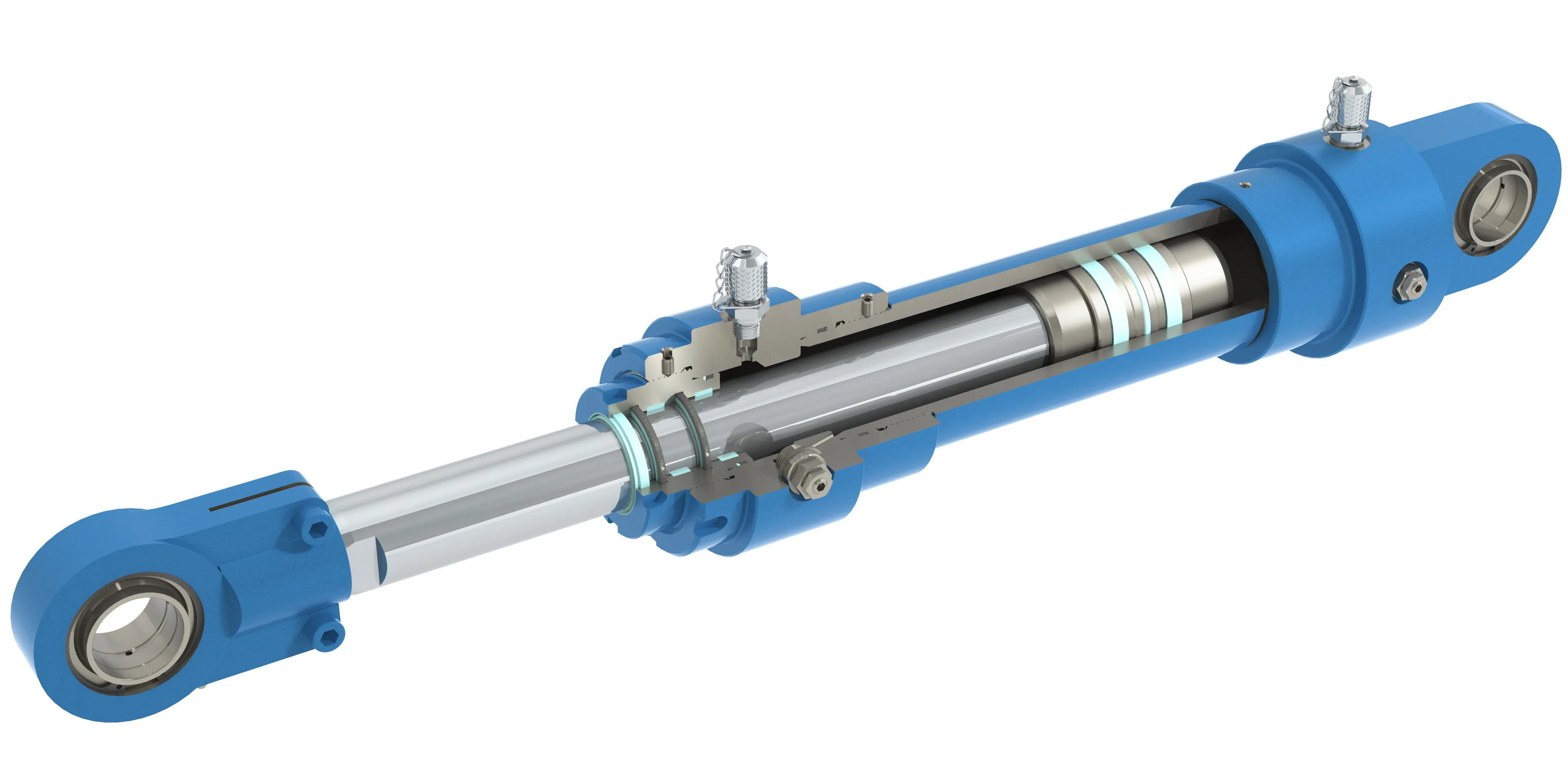
The cylinder’s operating pressure must be within the specified range to prevent damage and ensure safe operation.
Installation Options
Various mounting options are available for tie-rod cylinders, allowing for flexible integration into existing systems.
Importance of Regular Maintenance for Draw-Rod Hydraulic Cylinders
Regular maintenance and care are essential to ensure the longevity and performance of draw-rod hydraulic cylinders in industrial automation applications.
- Regular Inspection: Periodic checks for leaks, wear, and damage can prevent costly repairs and downtime.
- Preventive Maintenance Measures: Proper lubrication, seal replacement, and calibration inspections help maintain optimal performance.
Installation Guide for Draw-Rod Hydraulic Cylinders
Proper installation is critical to the performance and safety of draw-rod hydraulic cylinders in industrial automation systems.
Ensure the cylinder is securely mounted and aligned with the application requirements to prevent misalignment and premature wear.
Maintenance Tasks for Draw-Rod Hydraulic Cylinders
Performing regular maintenance tasks is essential to prolong the life and efficiency of draw-rod hydraulic cylinders.
Regular Inspection
Inspecting the cylinder for leaks, wear, and proper alignment can help identify issues early and prevent costly repairs.
Proper Lubrication
Applying the correct lubricant to the cylinder components ensures smooth operation and reduces friction for optimal performance.
Seal Replacement
Replacing worn seals can prevent leaks and contamination of the hydraulic fluid, maintaining the efficiency of the cylinder.
Fault Diagnosis and Common Problems with Draw-Rod Hydraulic Cylinders
Understanding common issues and diagnosing faults in draw-rod hydraulic cylinders is essential for efficient operation.
Leaks
Leaks in the hydraulic system can lead to performance issues and must be promptly addressed to prevent damage.
Uneven Extension
If the cylinder extends unevenly, it may indicate internal damage or misalignment that needs to be corrected.
Cylinder Misalignment
Misalignment of the cylinder can cause premature wear and affect the performance of the system, requiring realignment for optimal operation.
Common Questions About Tie-Rod Hydraulic Cylinders
How do tie-rod hydraulic cylinders differ from other types?
Tie-rod cylinders feature a sturdy construction with external tie-rods that provide added strength and stability, making them ideal for high-force applications.
What are the main components of a tie-rod hydraulic cylinder?
The main components include the cylinder barrel, piston, seals, tie-rods, and end caps, each playing a critical role in the operation of the cylinder.
What are the advantages of using tie-rod hydraulic cylinders?
The advantages include high load capacity, durability, cost-effectiveness, and precise control over linear motion, making them a popular choice in industrial automation.
Long Tail Keywords for Draw-Rod Hydraulic Cylinders
Long tail keywords such as “high-load draw-rod cylinders” and “precision draw-rod actuators” highlight the specific capabilities and applications of these cylinders.
Our Company: Hydraulic Cylinder Replacement Manufacturer
As a leading hydraulic cylinder manufacturer and wholesale distributor, our company offers a comprehensive product line for industrial automation applications.
With professional certifications, customized services, state-of-the-art production equipment, and dedicated after-sales support, we strive to meet the needs of our customers worldwide.

Author: lyl