
Fluid Power Automation Engineering
What is a Tie Rod Hydraulic Cylinder? A Comprehensive Engineering Analysis
An authoritative technical guide exploring the structural architecture, NFPA standardization, hydrostatic stress management, and precise industrial applications of tie rod fluid power actuators.

The Foundation of Industrial Manufacturing Kinematics
In the highly complex and precisely calibrated world of mechanical engineering, factory automation, and heavy manufacturing, fluid power systems represent the undisputed pinnacle of controlled force generation. Hydraulic linear actuators are the mechanical muscles of the industrial world, converting the hydrostatic energy of pressurized fluid into unrelenting linear motion. While hydraulic cylinders come in various structural designs, the tie rod hydraulic cylinder is the absolute most prevalent and universally recognized architecture within indoor industrial facilities. Understanding what a tie rod hydraulic cylinder is, how it contains extreme hydrostatic pressures, and why it dominates the manufacturing sector is essential knowledge for any fluid power engineer or plant maintenance professional.
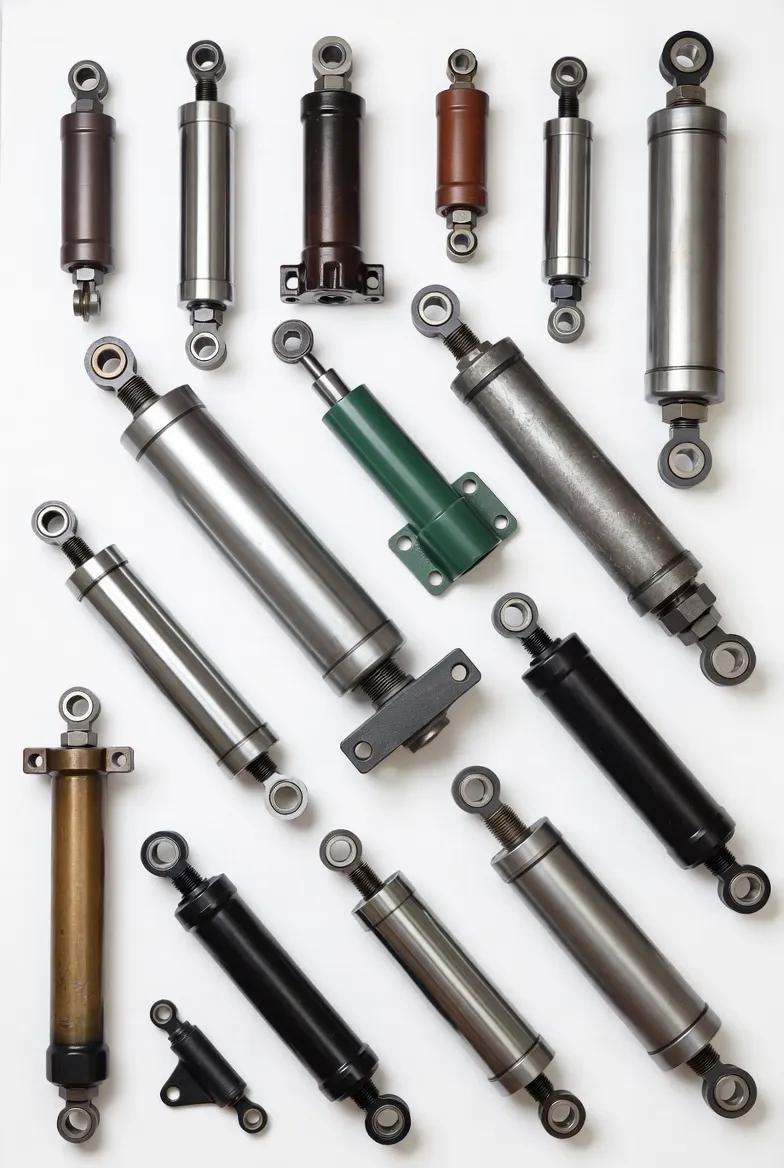
Unlike the rugged, permanently welded cylinders utilized on outdoor construction excavators, a tie rod hydraulic cylinder utilizes a distinct, modular assembly method. Its defining characteristic is the series of high strength threaded steel rods installed on the exterior of the cylinder housing. These rods run the entire length of the actuator, physically clamping the front and rear end caps securely against the central seamless steel barrel. This brilliant yet simple mechanical clamping action creates a robust pressure vessel capable of containing thousands of pounds per square inch of hydraulic fluid, while simultaneously offering unparalleled serviceability and standardization.
From a highly authoritative engineering perspective, the widespread adoption of tie rod cylinder design is driven by its alignment with the National Fluid Power Association standards. This standardization ensures absolute dimensional interchangeability across global manufacturing floors. This comprehensive technical analysis will dissect the internal mechanical geometry of tie rod actuators, explore the physics of tensile stress along the threaded rods, contrast their performance against welded body cylinders, and detail the precise industrial applications that rely on their flawless execution.
The Anatomy of a Tie Rod Cylinder
The structural integrity of a tie rod fluid power actuator relies on a perfectly synchronized assembly of highly machined steel components and advanced polymer sealing architectures.
The Clamping Tie Rods
The namesake components of this actuator are the four or more high tensile steel threaded rods positioned on the exterior perimeter of the cylinder. These rods pass through the solid steel end caps. When the heavy duty hex nuts on the ends of these rods are torqued to specific factory engineering specifications, they generate immense clamping force. This force sandwiches the cylinder barrel tightly between the two end caps, compressing the static O-rings and establishing a perfectly sealed pressure vessel capable of withstanding severe fluid dynamics.
The Cylinder Barrel and Caps
The central body is a seamless cold drawn carbon steel tube. The interior wall undergoes an advanced micro honing process to create a mirror smooth finish with microscopic cross hatching, essential for retaining lubricating oil and preventing the piston seals from shredding. The ends of the barrel rest inside precision machined grooves within the solid steel or ductile iron head gland and base cap. Because these components are clamped together rather than welded, the metallurgy of the barrel is never compromised by the severe heat distortion associated with industrial welding.

The Engineering Advantages of Tie Rod Actuators
The dominance of the tie rod hydraulic cylinder in the manufacturing sector is not an accident; it is the direct result of distinct mechanical and logistical advantages that drastically lower the total cost of ownership for factory managers.
Unparalleled Serviceability and Maintenance
The absolute greatest advantage of a tie rod cylinder design is its ease of maintenance. When internal piston seals degrade or the rod wiper fails, the cylinder must be dismantled. With a welded body cylinder, breaking the heavy duty threaded gland loose requires massive hydraulic breakout benches. Conversely, a tie rod cylinder can be completely disassembled right on the factory floor using standard hand tools. A maintenance technician simply loosens the nuts on the tie rods in a crisscross pattern, removes the end cap, and slides the entire barrel off to expose the piston and seals. This modularity reduces machine downtime from days to hours, preserving critical manufacturing revenue.
National Fluid Power Association Standardization
In the United States, tie rod hydraulic cylinders are built to conform strictly to the dimensional standards set by the National Fluid Power Association. This means that a specific bore size, stroke length, and mounting style will share the exact same physical footprint regardless of which brand manufactured it. For a plant manager running a high speed assembly line, this is revolutionary. If an actuator fails, they do not have to wait six weeks for a proprietary replacement from the original equipment manufacturer. They can immediately source an identical NFPA hydraulic cylinder from a local fluid power distributor, drop it into the exact same mounting brackets, connect the hoses, and instantly resume production.

Operational Constraints: The Physics of Tie Rod Stretching
Despite their massive advantages in factory automation, tie rod cylinders possess inherent structural limitations that prevent their deployment in certain extreme environments. The primary vulnerability is the physics of tensile stress.
High Pressure Tensile Fatigue
During the extension stroke, the high pressure hydraulic fluid pushes violently against the internal face of the cylinder head cap, attempting to blow it off the barrel. The only mechanism holding the pressure vessel together is the tensile strength of the external tie rods. If the system experiences extreme shock loads or pressure spikes exceeding 3000 PSI commonly found in mobile earthmoving equipment the steel tie rods can physically stretch. When the rods stretch, the clamping force on the barrel is lost, the static O-rings lose compression, and the cylinder immediately suffers a catastrophic high pressure fluid blowout.
The Spatial Envelope Limitation
Tie rod cylinders are physically bulky. The square end caps and the protruding exterior steel rods require a significantly larger installation footprint compared to a smooth, sleek welded body cylinder of the exact same internal bore size. In mobile equipment design, such as agricultural tractors or mining excavators, physical space is at an absolute premium. Engineers cannot afford the wasted space of protruding bolts. Furthermore, the exposed tie rods act as magnets for mud, ice, and concrete debris, which can pack into the threads and cause severe environmental corrosion.
Global Industrial Applications of Tie Rod Actuators
Because of their operational limitations regarding extreme pressure spikes and environmental debris, tie rod cylinders are rarely seen on outdoor construction equipment. However, within the climate controlled, highly structured environment of a modern manufacturing facility, they are the undisputed champions of fluid power.
- ✔️
Plastic Injection Molding: Producing polymer components requires immense, highly precise clamping forces to hold heavy steel molds shut while molten plastic is injected at high pressure. Massive tie rod cylinders are utilized to drive these platens together. If a seal fails during continuous twenty four hour production, the modular tie rod design allows maintenance teams to execute a rapid rebuild and minimize the horrific financial losses associated with injection molding downtime.
- ✔️
Metal Stamping and Forging Presses: Bending, shearing, and stamping sheet metal requires unrelenting linear force. Tie rod cylinders, often equipped with advanced electro hydraulic servo valves for precise position control, power the automated presses that stamp out automotive body panels and appliance casings on high speed assembly lines.
- ✔️
Automated Machine Tools: CNC machining centers and automated lathes utilize highly compact tie rod cylinders for heavy duty workholding. They rapidly actuate massive chucks and vises, clamping solid billets of titanium or steel rigidly in place while the cutting tools execute aggressive milling operations without any mechanical deflection.

The Digital Horizon: Smart Tie Rod Cylinders and the IoT
The industrial automation sector is currently experiencing a monumental technological paradigm shift driven by the Industrial Internet of Things. Traditional tie rod hydraulic cylinder design, long considered a purely passive mechanical mechanism, is rapidly evolving into a highly intelligent, sensor driven data node deeply integrated into smart factory management software.
Next generation smart tie rod cylinders are being equipped with embedded, extreme resolution linear position sensors hidden safely inside the hollow piston rod. These advanced sensors feed real time stroke telemetry directly to the machine control unit, allowing for micrometer precision in automated assembly lines. Furthermore, integrated high resolution pressure transducers and vibration sensors can analyze the performance signature of the cylinder over millions of pressing cycles. Artificial intelligence algorithms utilize this big data to accurately predict internal seal wear, detect fluid aeration, or identify impending tie rod tensile fatigue. This crucial shift toward AI driven predictive maintenance allows plant managers to order NFPA standardized seal kits and schedule rebuilds during planned factory downtime, entirely eradicating the catastrophic financial costs and safety hazards associated with sudden, unexpected hydraulic failures on the production floor.

Conclusion: The Ultimate Standard of Factory Power
Understanding what a tie rod hydraulic cylinder is and recognizing its specific engineering advantages is the fundamental bedrock of designing and maintaining successful industrial automation systems. By perfectly balancing immense hydrostatic force generation with unparalleled maintenance serviceability and strict NFPA dimensional standardization, these actuators have secured their position as the driving force behind modern global manufacturing. For engineering professionals and plant managers, mastering the structural physics of tie rod clamping forces, acknowledging their limitations regarding extreme shock loads, and embracing the integration of advanced smart sensors guarantees operational safety, maximizes industrial energy efficiency, and ensures long term mechanical reliability on the factory floor.