
Advanced Fluid Power Maintenance
Scratched Hydraulic Cylinder Rod? Deep Dive into Surface Repair and Chrome Plating Techniques
An authoritative engineering blueprint detailing metallurgical restoration, hard chrome electroplating, micro-polishing methodologies, and the definitive protocols for rescuing compromised fluid power actuators.

The Most Vulnerable Component in Fluid Power
In the rigorous, high-impact environments of commercial earthmoving, deep-sea mining, automated industrial manufacturing, and large-scale agricultural production, hydraulic cylinders are the undisputed engines of kinetic force. They operate by maintaining an impenetrable hydrostatic boundary, converting the massive pressure of synthetic fluids into perfectly controlled linear motion. However, this entire thermodynamic system relies on the flawless integrity of a single, highly exposed component: the piston rod. A scratched hydraulic cylinder rod is not merely a cosmetic blemish; it is a critical mechanical failure that immediately compromises the entire machine. For engineering professionals seeking the highest manufacturing standards in fluid power components designed to resist such damage, exploring our premium hydraulic cylinders platform is a mandatory first step in proactive fleet management.
The piston rod is unique because it is the only dynamic part of the actuator that continuously transitions between the sterile, lubricated internal oil bath and the harsh, abrasive external atmosphere. A microscopic scratch on this induction-hardened, chrome-plated surface acts as a razor blade against the delicate internal polyurethane rod seals. Every time the rod retracts, the sharp edges of the scratch physically carve into the elastomer, permanently destroying its ability to contain high-pressure fluid. The result is instant external hemorrhaging, massive loss of lifting power, and dangerous load drift. In severe cases, the scratch acts as a channel, dragging abrasive silica sand and corrosive moisture directly into the hydraulic circuit, which can ultimately destroy the primary hydraulic pump.
From an authoritative engineering perspective evaluated against international ISO remanufacturing criteria, deciding how to fix a scratched hydraulic cylinder rod requires a profound understanding of metallurgical restoration. Simply filing down the burr is rarely a permanent solution. This comprehensive technical masterclass will meticulously dissect the root causes of rod scoring, outline preliminary field repair methodologies for superficial blemishes, and provide a deep dive into the complex, multi-stage electroplating chemistry required to perform professional hard chrome plating techniques. Mastering these protocols ensures your heavy machinery returns to peak operational efficiency with absolute reliability.
Diagnosing the Threat: What Causes Rod Scoring?
Before attempting any surface repair, a maintenance engineer must identify the root cause of the scratch. Repairing the rod without eliminating the source of the damage guarantees an immediate recurrence.
Kinetic Impacts and Debris
The most common cause of deep gouging is physical, kinetic impact. When an operator is maneuvering a machine through a rocky trench or dense forestry, a stray boulder, falling concrete, or thick steel rebar can strike the extended rod. While the induction-hardened steel core prevents the rod from snapping, the brittle hard-chrome plating on the surface fractures and chips away under point-load impacts. Heavy-duty mobile equipment, such as massive Excavator Hydraulic Cylinders, are exceptionally vulnerable to these kinetic rock strikes, requiring extreme-duty chrome plating thicknesses to survive.
Lateral Side-Loading
If you observe long, perfectly straight, parallel scratches running down one specific side of the rod, the cylinder is suffering from severe lateral side-loading. This occurs when the mounting geometry of the machine is bent, forcing the rod to extend at a slight angle. This angle forces the steel rod to aggressively grind against the internal brass or bronze wear bands inside the head gland. Over time, the friction obliterates the softer metals and causes the hard steel of the rod to scrape directly against the cast iron gland, resulting in catastrophic, uniform scoring along the entire stroke length.

The Catastrophic Progression of Seal Failure
Ignoring a scratched rod is the fastest way to destroy an entire hydraulic system. The damage compounds geometrically with every single cycle of the actuator.
The Shredding of the U-Cup
When an impact gouges the chrome, it displaces the metal. It creates a deep valley, but more importantly, it pushes up sharp, jagged mountains of chrome around the crater known as burrs. When the rod retracts, these microscopic burrs act like a cheese grater against the primary polyurethane U-cup seal. Within a few dozen cycles, the seal is shredded. High-pressure hydraulic fluid—often exceeding 3,000 PSI—instantly bypasses the ruined seal, resulting in massive external leaks. This fluid loss causes the machine to lose its lifting capacity, a highly dangerous scenario for elevated platforms like Aerial Work Vehicle Hydraulic Cylinders that rely on perfect hydrostatic boundaries to keep human operators safely suspended.
Ingression of Contaminants
Simultaneously, the scratch destroys the outer wiper seal. As the rod extends into a dirty environment, the deep gouge fills with abrasive silica sand, water, and chemical debris. When the rod retracts, the ruined wiper seal cannot squeegee this dirt out of the scratch. The contamination is dragged directly past the gland and injected straight into the clean hydraulic fluid. This abrasive slurry will circulate through the entire machine, rapidly destroying the main hydraulic pump and the highly sensitive directional control valves. This cascading failure makes timely hydraulic rod surface repair an absolute mandate for fleet survival.

Hydraulic Rod Surface Repair Techniques: The Triage Phase
Not every scratch requires stripping the cylinder down to its core. If the damage is caught early and assessed as superficial, experienced field mechanics can perform localized triage to prevent immediate seal destruction.
The Fingernail Test
The first step in any repair protocol is evaluating the depth of the gouge. Mechanics utilize the “fingernail test.” Run a fingernail lightly across the scratched area. If your nail catches on sharp, raised edges (the burrs), but does not fall deeply into the valley, the scratch may be superficial enough to blend. If the nail falls into a deep canyon and you can see the dull, dark carbon steel beneath the shiny chrome, the plating has been fully breached, and localized repair is impossible.
Micro-Polishing and Crocus Cloth
For superficial scratches where the primary issue is raised burrs, the goal is not to fill the scratch, but to remove the sharp edges that shred the seals. Mechanics use an ultra-fine abrasive, such as 400-grit to 600-grit crocus cloth or emery paper. The crucial technique is to polish around the circumference of the rod, never up and down along the length of the stroke. By carefully leveling the high spots until the surface feels perfectly smooth to the touch, the seal can glide over the remaining shallow depression without tearing. This is a common field triage tactic for maintaining operational Agricultural Hydraulic Cylinders during the critical harvest window.
The Myth of Epoxy Fillers
A prevalent, yet disastrous, misconception is that deep gouges can be filled with liquid metal epoxies, resins, or silver solder. Under the extreme friction and 3,000+ PSI hydrostatic pressures of an operating cylinder, these soft fillers will instantly delaminate, shatter, and be pushed into the hydraulic system. Standard welding is equally destructive, as the extreme heat warps the precision straightness of the rod and permanently destroys the surrounding chrome bond. Deep gouges mandate full remanufacturing.
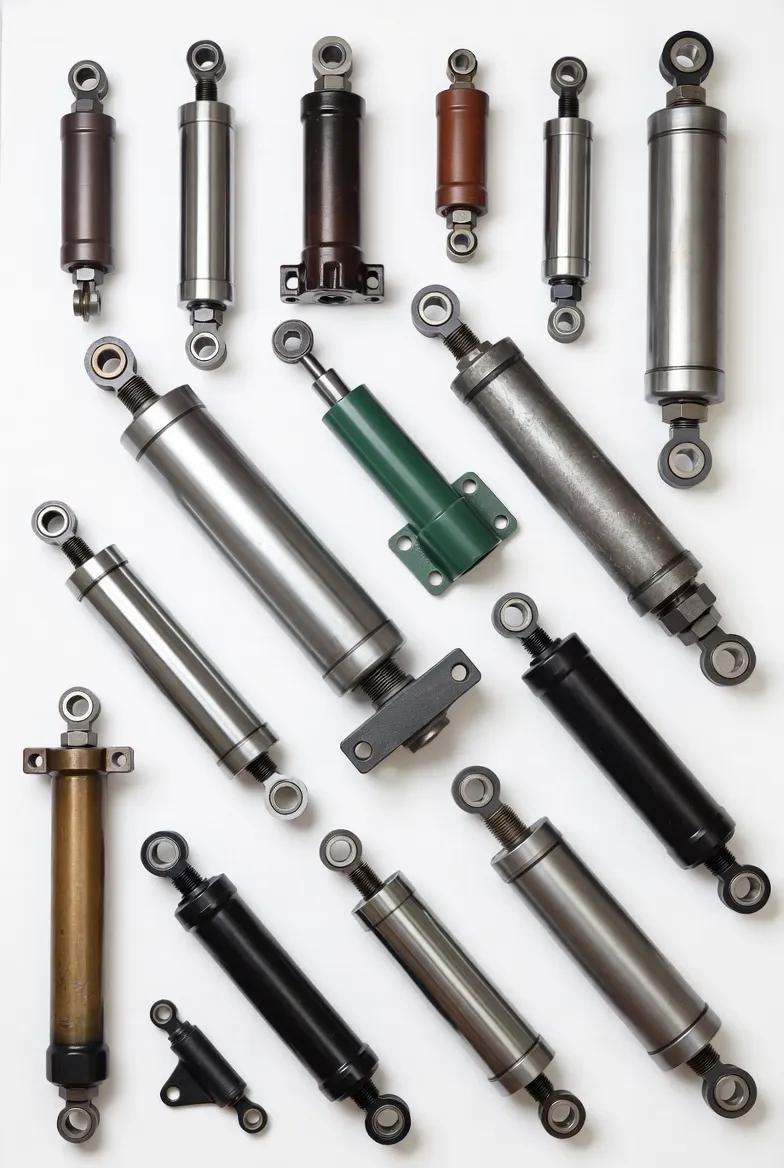
The Gold Standard: Hard Chrome Electroplating
When a rod suffers from deep kinetic gouges, massive lateral scoring, or extensive environmental rust, field triage is impossible. The only mathematically and physically viable solution is to send the component to a specialized remanufacturing facility for professional hard chrome plating. This is an exacting, multi-stage electrochemical process.
- ✔️
Stage 1: Stripping and Centerless Grinding. The damaged rod cannot simply be plated over. It must be submerged in a reverse-electrolysis chemical bath to completely strip away the old, fractured chrome layer. Once stripped, the bare 4140 carbon steel core is placed in a massive centerless grinding machine. The grinder removes the damaged steel, cutting past the depth of the deepest scratch, ensuring a perfectly cylindrical, unblemished steel substrate.
- ✔️
Stage 2: The Hexavalent Chromium Bath. The perfectly ground steel rod is aggressively cleaned, etched, and submerged into a highly controlled bath of chromic acid and sulfuric acid catalysts. Massive electrical anodes are arranged around the rod (the cathode). As high-amperage direct current is passed through the highly conductive bath, chromium ions precipitate out of the solution and metallurgically bond to the steel atomic structure. By meticulously controlling the bath temperature and the duration of the current, platers can build the hard chrome layer to exact thicknesses—often over-plating the rod to compensate for the steel that was ground away.
- ✔️
Stage 3: Hydrogen Embrittlement Relief and Final Polish. The electroplating process infuses atomic hydrogen into the steel, making it dangerously brittle. The newly plated rod must be immediately baked in an industrial oven at roughly 400°F to out-gas this hydrogen, restoring the steel’s ductile tensile strength. Finally, the over-plated rod is returned to the centerless grinder and polished to its exact Original Equipment Manufacturer (OEM) outside diameter. It receives a final linishing process to achieve the required micro-roughness (Ra surface finish) necessary to hold a microscopic film of lubricating oil for the seals. This intense process is mandatory for remanufacturing extreme-duty components like Dump Truck Hydraulic Cylinders that must withstand massive payloads and abrasive environments.


Conclusion: Architecting Indestructible Kinetic Power
A scratched hydraulic cylinder rod is the absolute nemesis of fluid power engineering, initiating a rapid, cascading sequence of seal destruction, fluid hemorrhage, and total machine paralysis. Recognizing the severity of the damage is the first critical step for any maintenance professional. While superficial burrs can be skillfully managed in the field via precise micro-polishing techniques, deep kinetic gouges and severe lateral scoring demand an uncompromising metallurgical response. The hard chrome electroplating process—encompassing aggressive centerless grinding, precision electrochemical bonding, and rigorous hydrogen embrittlement relief—is the only mathematically and physically viable method to fully restore the actuator to OEM specifications. Whether you are managing delicate, high-reach Forklift Hydraulic Cylinders or immense earthmoving equipment, maintaining flawless rod integrity guarantees that your machinery will continue to deliver unrelenting kinetic force safely and efficiently. If your fleet requires expert diagnostic assessment, professional surface remanufacturing, or access to the most durable, heavily plated replacement actuators on the global market, our elite technical engineering team stands ready to architect your ultimate solution.