

Replacement Of AFH209049 Hydraulic Cylinder
Replacement Of AFH209049 Hydraulic Cylinder
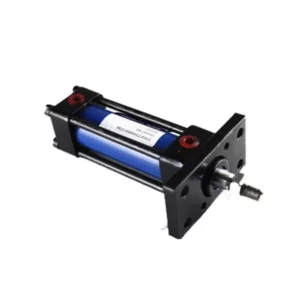
The Replacement Of AFH209049 Hydraulic Cylinder is an essential component used in various equipment models including 415D, 420D, 425D, 430D, 435D, 440D, 1415D, 1420D, and 1425D. It is designed to provide reliable hydraulic power and ensure the smooth operation of the equipment.
Spezifikationen:
- Weight: 13.6 lb
- Height: 1.75 in
- Breite: 2,7 Zoll
- Length: 28.7 in
Merkmale:
- Improved Equipment Performance: Replacing a damaged or worn-out hydraulic cylinder can restore the equipment’s normal operating capabilities, ensuring optimal performance in various applications.
- Erhöhte Sicherheit: Durch den regelmäßigen Austausch von Hydraulikzylindern lassen sich Sicherheitsrisiken durch Zylinderausfälle verringern, wodurch die Sicherheit von Bedienern und Anlagen gewährleistet wird.
- Überlastschutz: Neue Zylinderkonstruktionen beinhalten häufig verbesserte Überlastschutzmechanismen, wodurch die Gesamtsicherheit erhöht wird.
- Schnelle Installation: Moderne Hydraulikzylinder sind für eine einfache Installation und einen einfachen Austausch konzipiert, wodurch Ausfallzeiten minimiert werden.
- Standardisierte Komponenten: Viele Hydraulikzylinder sind standardisierte Produkte, was die Beschaffung von Ersatzteilen auf dem Markt erleichtert.
We specialize in producing replacement hydraulic cylinders that perfectly match the specifications of the mentioned equipment models. Our products are designed to be reliable alternatives to the original cylinders.
Anwendungen:
The Replacement Of AFH209049 Hydraulic Cylinder finds its utility in various equipment and machinery, including but not limited to:
- Bagger: Hydraulikzylinder in Baggerarmen oder -löffeln können durch längere Nutzung oder Überlastung beschädigt werden und müssen ersetzt werden, um den ordnungsgemäßen Betrieb wiederherzustellen.
- Cranes: Hydraulic cylinders in crane boom systems are prone to wear during frequent lifting and lowering processes, necessitating regular replacement for safety purposes.
- Tractors: The front-end loader hydraulic cylinders in tractors may develop leaks or performance degradation due to continuous lifting and tilting operations, demanding replacement.
- Harvesters: Hydraulic systems in harvesters endure high pressure during operation, and cylinders may get damaged due to fatigue. Timely replacement ensures efficient workflow.
- Automatisierte Produktionslinien: Hydraulikzylinder werden zur Steuerung von Roboterarmen und anderen automatisierten Anlagen eingesetzt. Zylinderausfälle können die Produktionseffizienz beeinträchtigen und sollten umgehend behoben werden.
- Druckgussmaschinen: Die Hydraulikzylinder in Druckgussmaschinen können unter hohem Druck und hohen Temperaturen Leistungseinbußen aufweisen. Regelmäßiger Austausch sichert die Produktqualität.
- Mining Equipment: Hydraulic cylinders are used in mining equipment for lifting and moving heavy loads. Due to harsh working environments, regular inspection and replacement are necessary to avoid equipment failure.
- Bulldozers: Hydraulic cylinder wear on bulldozer blades can lead to reduced pushing capabilities, necessitating timely replacement to maintain operational efficiency.
Wartungsaufgaben:
Regelmäßige Wartung ist entscheidend für die optimale Leistung und Lebensdauer von Hydraulikzylindern. Hier sind drei gängige Wartungsarbeiten:
- Regular Inspection: Periodic inspections help identify any signs of wear, leaks, or other issues in hydraulic cylinders. Early detection allows for timely repairs or replacements.
- Proper Lubrication: Adequate lubrication ensures smooth operation and reduces friction, extending the lifespan of the hydraulic cylinder. Appropriate lubricants should be used as recommended by the manufacturer.
- Seal Replacement and Calibration Check: Seals should be inspected and replaced if necessary to prevent leaks. Calibration checks ensure the hydraulic cylinder is operating within the specified parameters.
During installation, it is crucial to provide proper alignment guidance, recommend the use of suitable installation brackets to secure the cylinder, and suggest inspection, repair, and replacement procedures. We offer replacement parts and rebuilding services to enhance the lifespan of the hydraulic cylinder.
Sicherheitsaspekte und Umweltfaktoren:
When handling hydraulic cylinders, following safety measures is of utmost importance. Ensuring proper use of keywords promotes a safe working environment. It is essential to consider the potential hazards associated with hydraulic systems and implement appropriate safety precautions to protect personnel and equipment.
Fehlerbehebung und häufige Probleme:
Here are some common problems and troubleshooting tips related to hydraulic cylinders:
- Leakage: If the hydraulic cylinder is experiencing leaks, check the seals and connections for damage or improper installation. Replace faulty components and ensure proper sealing.
- Slow Operation: Slow cylinder movement can be caused by low hydraulic fluid levels, inadequate lubrication, or internal component wear. Check fluid levels, lubricate as needed, and inspect internal components for wear and tear.
- Erratic Movement: Inconsistent or uncontrolled cylinder movement may indicate issues with the control valve, fluid contamination, or damaged seals. Inspect and repair or replace faulty components accordingly.
- Abnormal Noise: Unusual noises during cylinder operation may be due to air in the system, loose fittings, or worn-out components. Bleed the air from the system, tighten fittings, or replace worn parts as necessary.
- Insufficient Power: Insufficient power output can be caused by a variety of factors, including inadequate fluid pressure, worn-out seals, or internal leakage. Check pressure levels, inspect seals, and repair or replace components as needed.
By following these troubleshooting tips and implementing preventive measures, readers can effectively diagnose and address hydraulic cylinder problems, minimizing potential issues and improving overall performance.

Gestaltungsüberlegungen und Auswahlkriterien:
When selecting a hydraulic cylinder, it is vital to consider various design factors such as load-bearing capacity, sealing capabilities, durability, safety features, and ease of maintenance. Each aspect plays a crucial role in the performance and longevity of the hydraulic cylinder.
Abdichtung und Schmierung:
To ensure optimal performance, hydraulic cylinders employ various sealing components such as piston seals and rod seals made of durable materials like polyurethane and nitrile rubber. The cylinder body and threaded ends undergo precision treatments to improve wear resistance. Regular lubrication with the appropriate hydraulic oil is necessary to ensure smooth operation and longevity.
Regelmäßige Inspektion und vorbeugende Wartung:
Regular inspections and preventive maintenance help identify potential issues before they escalate. Proper installation, lubrication, and adjustment are essential for optimal cylinder performance. Providing accurate alignment guidance during installation and recommending the use of suitable installation brackets to secure the cylinder can significantly improve longevity. It is also advisable to follow recommended inspection, repair, and replacement procedures. Our services include replacement parts and rebuilding to enhance the lifespan of the hydraulic cylinder.
Installationsanleitung:
Proper installation of the Replacement Of AFH209049 Hydraulic Cylinder is crucial for optimal performance. Here are a few installation guidelines:
- Ensure the mounting surface is clean, flat, and free

 DE
DE  EN
EN  PT
PT  ES
ES  FR
FR  IT
IT  AR
AR  ZH
ZH  RU
RU  KO
KO  KA
KA  BG
BG  CS
CS  DA
DA  EL
EL  ET
ET  FI
FI  HU
HU  ID
ID  LT
LT  LV
LV  NB
NB  NL
NL  PL
PL  RO
RO  SK
SK  SL
SL  SV
SV  TR
TR  UK
UK