
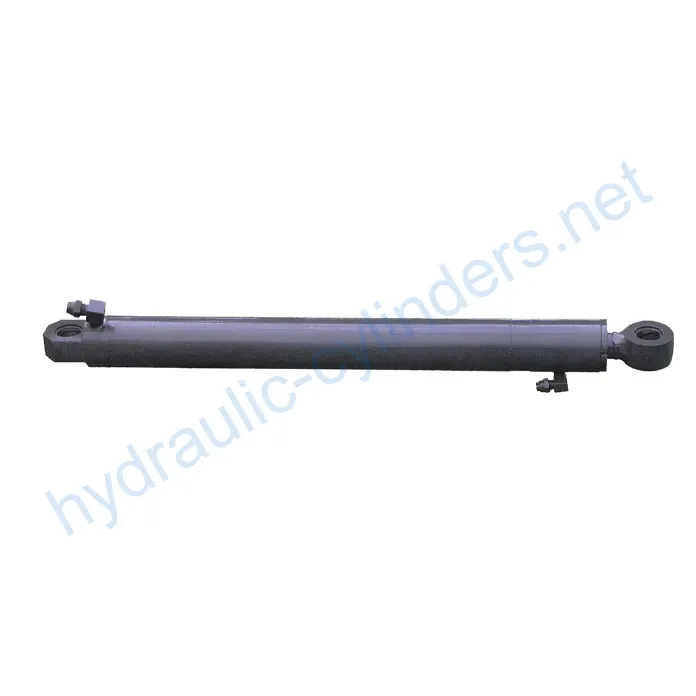
Arm CylinderFor Doosan Middle Excavator DH200-5-7
Als einer der Hersteller, Lieferanten und Exporteure von mechanischen Produkten, bieten wir Hydraulikzylinder und viele andere Produkte an.
Bitte setzen Sie sich mit uns in Verbindung, um Einzelheiten zu erfahren.
Post:sales@hydraulic-cylinders.net
Hersteller, Lieferant und Exporteur von Hydraulikzylindern.
Arm Cylinder for Doosan Middle Excavator DH200-5-7
Definition und Erklärung
An arm cylinder is a specially designed hydraulic cylinder that provides linear motion and power to the arm of various types of machinery, such as excavators, cranes, and mechanical arms. The arm cylinder plays a crucial role in hydraulic systems, allowing for the effective movement and control of additional tools or attachments. These cylinders not only enable smooth motion but also withstand heavy loads, ensuring efficient operation and reliability of the machinery under various working conditions.
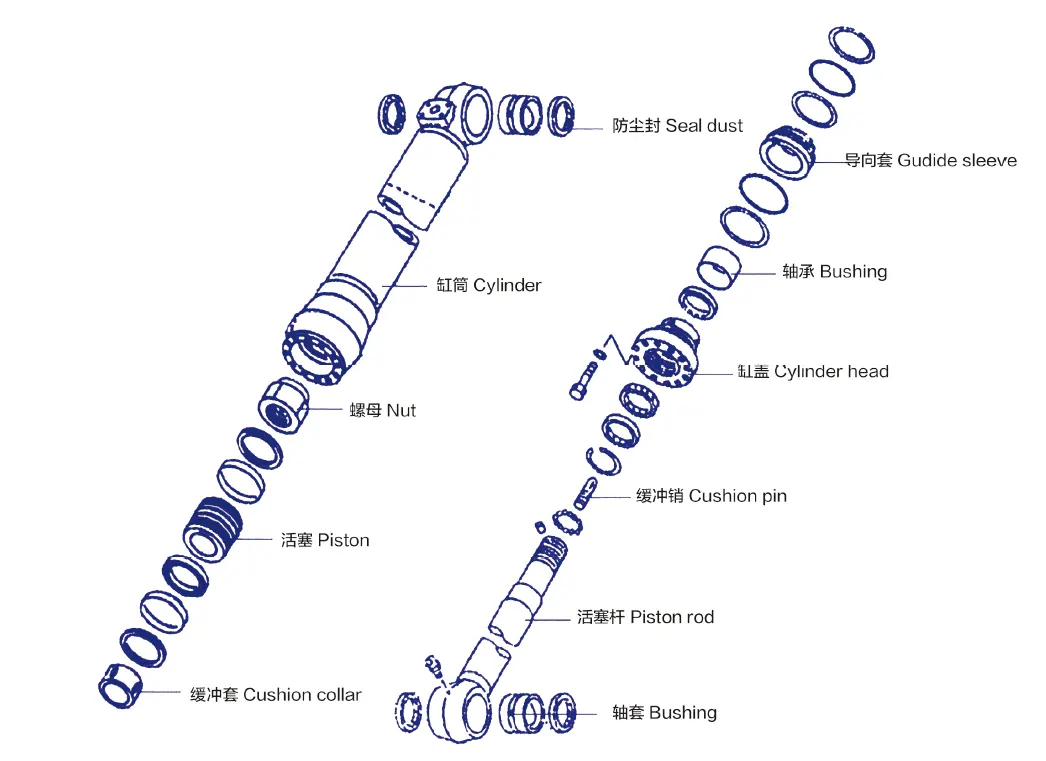
Merkmale
- Hocheffiziente Kraftübertragung: Der Armzylinder sorgt für eine kraftvolle lineare Bewegung und Kraftübertragung und gewährleistet so eine hohe Leistungseffizienz bei verschiedenen Anwendungen.
- Precise Control: Through the hydraulic system, the arm cylinder enables precise motion control, making operations with additional tools more flexible and accurate.
- Langlebigkeit: Armzylinder werden typischerweise aus hochfesten Werkstoffen hergestellt und bieten eine ausgezeichnete Verschleiß- und Korrosionsbeständigkeit, wodurch sie sich für den Langzeiteinsatz in rauen Umgebungen eignen.
- Multi-functional Adaptability: These cylinders can be widely used in various machinery equipment, such as excavators, cranes, and mechanical arms, to adapt to different working requirements.
- Wartungsfreundlich: Bei der Konstruktion wurde auf einfache Wartung und Austausch geachtet, wodurch regelmäßige Inspektionen und Instandhaltungsarbeiten bequem sind und Geräteausfallzeiten reduziert werden.

Anwendungen
Armzylinder finden in verschiedenen Branchen Anwendung:
- Bauingenieurwesen: Bei Baggern und Kränen steuern Armzylinder die Bewegung von Schaufeln oder Auslegern für Erdarbeiten, Materialtransport und die Montage von Bauwerken.
- Manufacturing: In automated production lines, arm cylinders facilitate the motion of mechanical arms for assembly, welding, and handling processes, improving production efficiency and precision.
- Landwirtschaftliche Maschinen: Bei landwirtschaftlichen Geräten wie Mähdreschern und Sämaschinen steuern Armzylinder die Bewegung der Arbeitsarme für Aufgaben wie Säen, Düngen und Ernten.
- Bergbau: Bei Bergbaumaschinen steuern Armzylinder die Armbewegung der Maschinen zur Erzgewinnung und zum Erztransport.
- Logistics and Transport: In forklifts and handling robots, arm cylinders control the lifting and movement of forks, enabling material handling and stacking.
Designüberlegungen und Auswahlkriterien
When it comes to designing arm cylinders, several key factors should be considered:
- Load-Bearing Capacity: Arm cylinders should be designed to support the required load without compromising performance or safety.
- Sealing Capability: Various sealing components, such as piston seals and rod seals, should be used to ensure effective sealing. These seals are often made of wear-resistant materials like polyurethane and nitrile rubber.
- Durability: The cylinder body and threaded ends should undergo fine processing to enhance wear resistance and overall durability.
- Safety: Arm cylinders must meet safety standards to prevent accidents and ensure the well-being of operators and surrounding personnel.
- Maintainability: Easy maintenance and replacement of components should be considered in the design to minimize downtime and facilitate efficient repairs.

Abdichtung und Schmierung
Arm cylinders require various sealing components, such as piston seals and rod seals, made of wear-resistant materials like polyurethane and nitrile rubber. The cylinder body and threaded ends undergo fine processing to improve wear resistance. Regular lubrication with the appropriate hydraulic oil helps ensure smooth operation and longevity.
Regelmäßige Inspektion und vorbeugende Wartung
Um eine optimale Leistung zu gewährleisten, sind regelmäßige Inspektionen und vorbeugende Wartungsarbeiten unerlässlich. Folgende Maßnahmen sollten ergriffen werden:
- Abgenutzte oder beschädigte Dichtungen und Bauteile prüfen und gegebenenfalls ersetzen.
- Check for leaks and repair any damaged hydraulic lines or fittings.
- Ensure proper lubrication and top-up hydraulic oil as needed.
- Lose Verbindungen und Befestigungselemente festziehen.
- Monitor and address any unusual noise or vibrations during operation.
Produktinstallationshandbuch
Die korrekte Montage des Armzylinders ist entscheidend für seine Leistung und Lebensdauer. Beachten Sie folgende Richtlinien:
- Stellen Sie sicher, dass die Montageflächen sauber, eben und frei von jeglichen Verunreinigungen sind.
- Align the cylinder and hydraulic connections correctly.
- Alle Befestigungselemente mit dem vorgeschriebenen Drehmoment festziehen.
- Check for any leaks after installation and resolve them promptly.
- Prüfen Sie die Funktion des Zylinders, um eine reibungslose und präzise Bewegung sicherzustellen.

Sicherheitsaspekte und Umweltfaktoren
When using arm cylinders, it is essential to prioritize safety measures. Implementing proper safety protocols and using the appropriate safety equipment ensures the well-being of operators and minimizes the risk of accidents. Additionally, considering environmental factors and adhering to relevant regulations and guidelines helps promote sustainable and responsible use of the equipment.
Fehlerbehebung und häufige Probleme
Here are some common arm cylinder problems and troubleshooting tips:
- Leakage: Check for damaged seals or fittings and replace them if necessary.
- Slow or Jerky Movement: Inspect the hydraulic lines and valves for blockages or restrictions. Clean or replace them as required.
- Noisy Operation: Check for loose connections or worn components. Tighten or replace them as needed.
- Insufficient Force: Ensure the hydraulic system is supplying adequate pressure. Check for any restrictions or malfunctioning valves.
- Excessive Wear: Regularly inspect the cylinder and replace worn components to prevent further damage.
By following these troubleshooting tips and implementing preventive measures, readers can effectively diagnose and resolve issues while minimizing potential problems.

Über uns
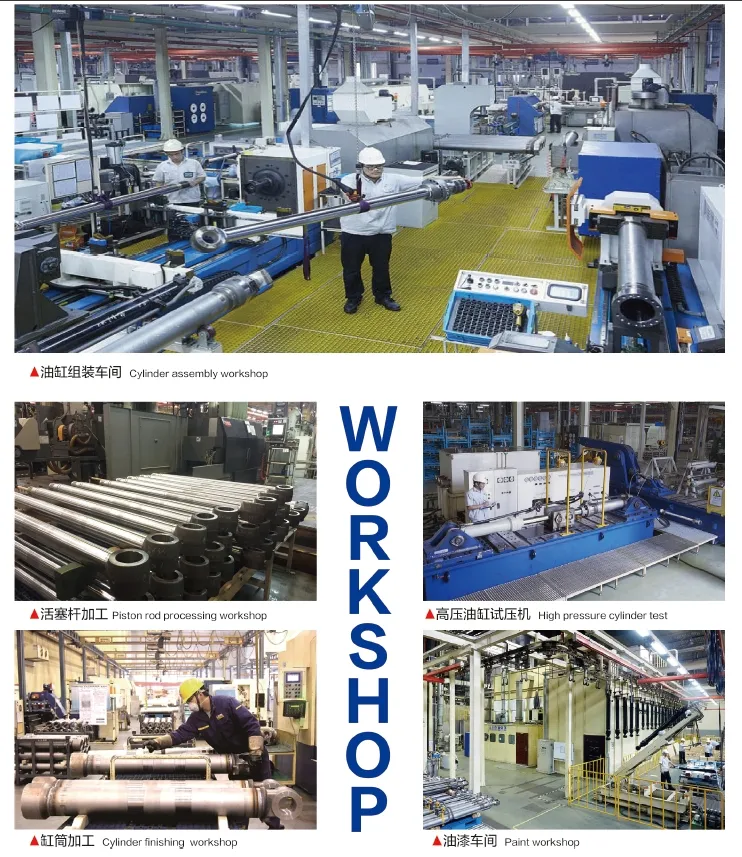
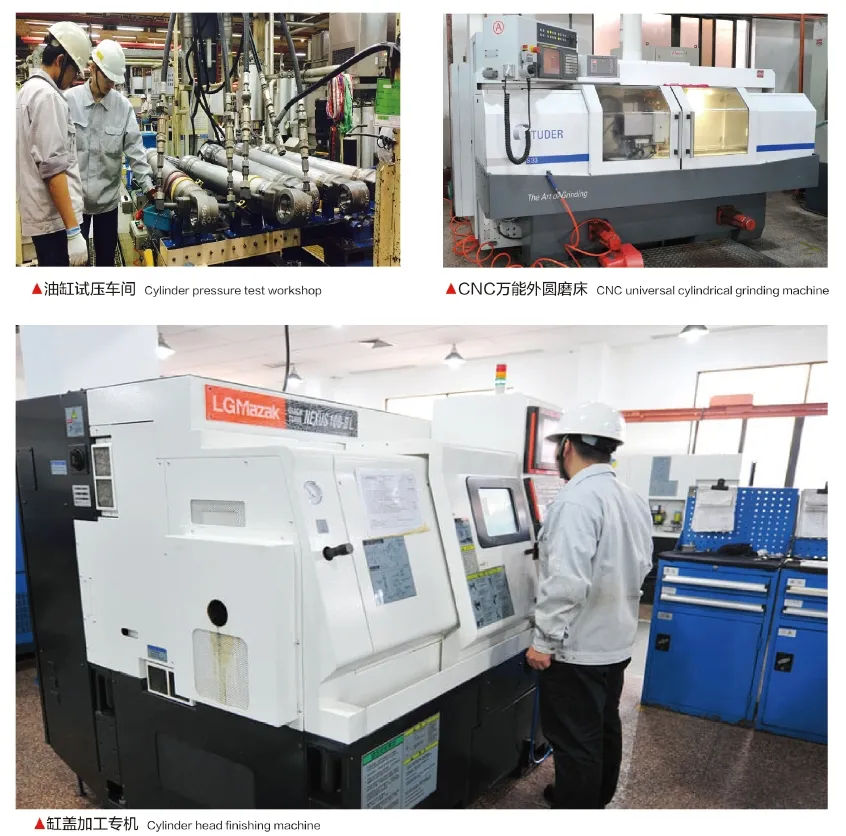
We are a professional manufacturer of replacement hydraulic cylinders, offering a wide range of products. We have become one of the leading hydraulic cylinder manufacturers and wholesale distributors in both domestic and international markets. Upholding the principle of excellent quality, we continuously improve our technical expertise and production efficiency through refined manufacturing processes. With state-of-the-art digital manufacturing equipment and professional testing systems, we optimize our manufacturing platform and enhance product quality control processes, ensuring we have strong innovation capabilities. Our goal is to meet diverse customer needs with efficiency, accuracy, and high-quality products.
Autor: lyl
Hydraulischer Zylinder Anwendung:

 DE
DE  EN
EN  PT
PT  ES
ES  FR
FR  IT
IT  AR
AR  ZH
ZH  RU
RU  KO
KO  KA
KA  BG
BG  CS
CS  DA
DA  EL
EL  ET
ET  FI
FI  HU
HU  ID
ID  LT
LT  LV
LV  NB
NB  NL
NL  PL
PL  RO
RO  SK
SK  SL
SL  SV
SV  TR
TR  UK
UK