
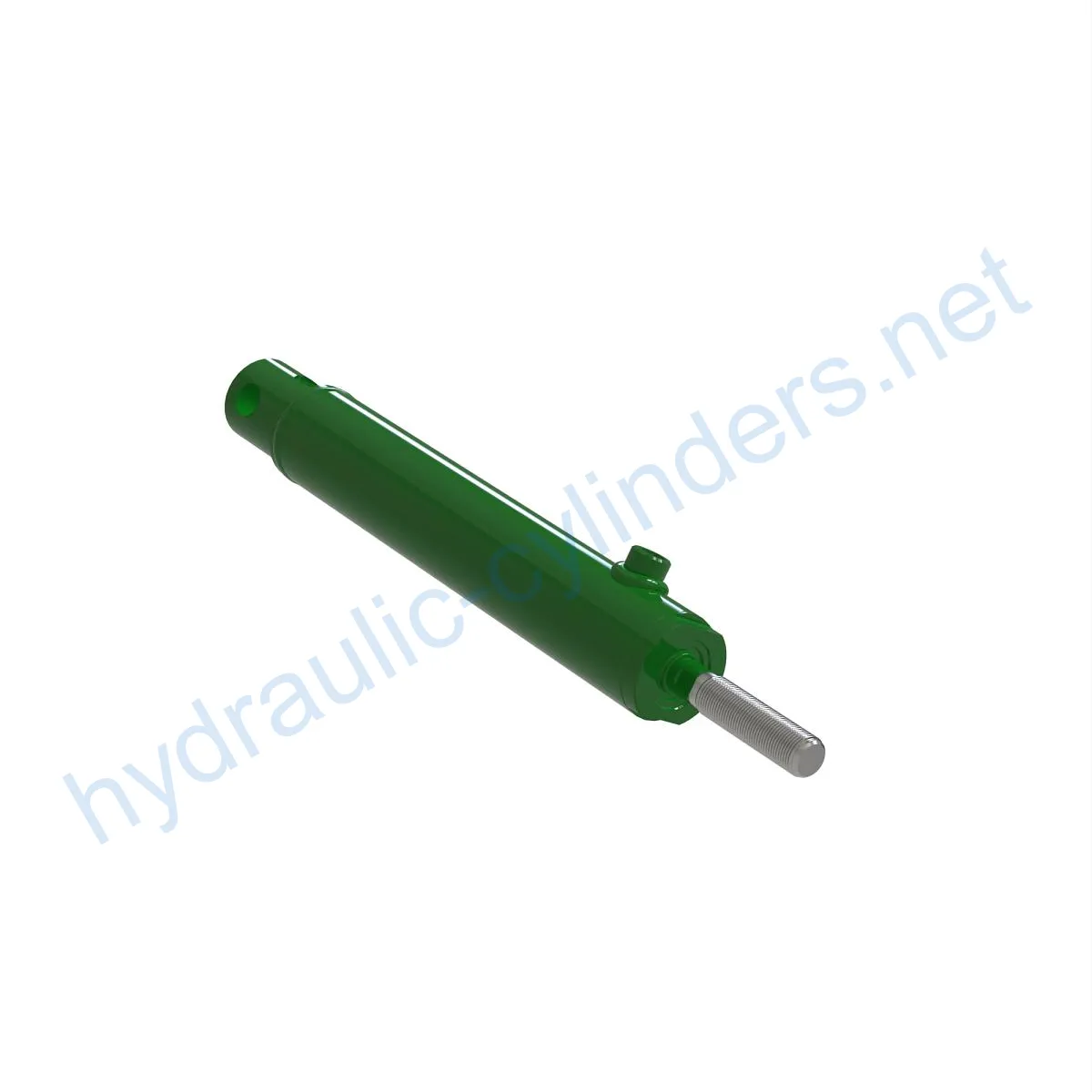
Replacement Of AFH223623 Hydraulic Cylinder
Ersatz für Hydraulikzylinder AFH223623
Einführung
The Replacement Of AFH223623 Hydraulic Cylinder is a vital component used in various applications. It plays a crucial role in the efficient operation of hydraulic systems. This cylinder is designed to replace the damaged or worn-out hydraulic cylinders, ensuring the equipment’s performance in different applications.
Technische Daten
- Weight: 6.233 lb
- Höhe: 1,9 Zoll
- Width: 2.9 in
- Length: 15.9 in
Kompatible Modelle
- 440E
- 449
- 450E
- 450M
- 451M
- 459
- 460M
- 460R
- 461M
- 469
- 550M
- 551M
- 559
- 560M
- 560R
- 561M
- 569
Merkmale
- Verbesserte Geräteleistung: Durch den Austausch beschädigter oder verschlissener Hydraulikzylinder können die normalen Betriebsfähigkeiten des Geräts wiederhergestellt und eine optimale Leistung in verschiedenen Anwendungsbereichen gewährleistet werden.
- Verbesserte Sicherheit: Durch den regelmäßigen Austausch von Hydraulikzylindern lassen sich Sicherheitsrisiken durch Zylinderausfälle verringern und somit die Sicherheit von Bedienern und Anlagen gewährleisten.
- Überlastschutz: The design of new cylinders often includes better overload protection mechanisms, improving overall safety.
- Schnelle Installation: Moderne Hydraulikzylinder sind auf einfache Montage und Austausch ausgelegt, wodurch Ausfallzeiten minimiert werden.
- Standardisierte Komponenten: Viele Hydraulikzylinder sind standardisierte Produkte, was die Beschaffung von Ersatzteilen auf dem Markt erleichtert.
Anwendungen
- Bagger: Hydraulic cylinders in excavators may get damaged due to prolonged use or overload in the arm or bucket. Replacement restores normal operation.
- Krane: Hydraulic cylinders in crane boom arms are prone to wear during frequent lifting and lowering processes, requiring regular replacement for safety.
- Traktoren: Front-end loader hydraulic cylinders in tractors may experience leaks or performance decline during continuous lifting and tilting operations, necessitating replacement.
- Erntemaschinen: High-pressure hydraulic systems in harvesters can cause fatigue damage to cylinders during the harvesting process, requiring timely replacement to maintain efficiency.
- Automatisierte Produktionslinien: Hydraulic cylinders are used to control robotic arms and other automated equipment. Immediate replacement is necessary to prevent disruptions in production efficiency.
- Druckgussmaschinen: Hydraulic cylinders in die casting machines may experience decreased performance in high-pressure and high-temperature environments. Regular replacement ensures product quality.
- Bergbauausrüstung: Hydraulikzylinder werden in Bergbaumaschinen zum Heben und Bewegen schwerer Lasten eingesetzt. Regelmäßige Inspektion und gegebenenfalls Austausch sind notwendig, um Geräteausfälle unter harten Arbeitsbedingungen zu vermeiden.
- Bulldozer: Hydraulic cylinder wear on bulldozer blades can lead to decreased pushing capacity, requiring timely replacement to maintain operational efficiency.
Wartungsaufgaben
- Regelmäßige Inspektion: Periodically inspecting the hydraulic cylinder ensures its proper functioning and identifies any potential issues.
- Richtige Schmierung: Adequate lubrication using suitable hydraulic oil helps reduce friction and extends the lifespan of the cylinder.
- Dichtungsaustausch und Kalibrierungsprüfung: Replacing worn-out seals and performing calibration checks are essential for maintaining optimal performance and preventing leaks.
Sicherheitsaspekte und Umweltfaktoren
When using hydraulic cylinders, it is crucial to prioritize safety measures to prevent accidents and injuries. Adhering to safety guidelines and using appropriate safety equipment is of utmost importance. Additionally, considering environmental factors ensures the responsible use and disposal of hydraulic fluids and other associated materials to minimize ecological impact.
Fehlerdiagnose und häufige Probleme
Common hydraulic cylinder issues include leaks, insufficient pressure, and slow operation. These problems can be diagnosed by carefully inspecting the cylinder and its components. If leaks are detected, checking the seals and connections is necessary. Inadequate pressure may result from fluid contamination or a faulty pump. Slow operation can be caused by a restricted flow or worn-out internal components.
Fehlerbehebung und vorbeugende Maßnahmen
To troubleshoot hydraulic cylinder problems, it is advisable to refer to the manufacturer’s guidelines and seek professional assistance if needed. Regular maintenance, including inspections, proper lubrication, and seal replacements, can help prevent potential issues. Following recommended installation procedures, using alignment guides during installation, and utilizing appropriate support fixtures for securing the cylinder are essential for optimal performance and longevity.

Designüberlegungen und Auswahlkriterien
When selecting a hydraulic cylinder, several factors must be considered:
- Belastbarkeit: The cylinder should be capable of handling the maximum expected load without compromising performance.
- Versiegelung: The selection of suitable sealing components, such as piston seals and rod seals, is crucial for preventing leaks and ensuring efficient operation.
- Haltbarkeit: The cylinder’s design and construction should prioritize durability to withstand various working conditions and extend its lifespan.
- Sicherheit: Incorporating safety features into the cylinder design enhances operator and equipment protection during use.
- Wartbarkeit: Easy access for maintenance and repair, along with readily available replacement parts, contributes to efficient servicing and reduced downtime.
Abdichtung und Schmierung
The hydraulic cylinder incorporates various sealing components, including piston seals and rod seals, made from wear-resistant materials such as polyurethane and nitr



 DE
DE  EN
EN  PT
PT  ES
ES  FR
FR  IT
IT  AR
AR  ZH
ZH  RU
RU  KO
KO  KA
KA  BG
BG  CS
CS  DA
DA  EL
EL  ET
ET  FI
FI  HU
HU  ID
ID  LT
LT  LV
LV  NB
NB  NL
NL  PL
PL  RO
RO  SK
SK  SL
SL  SV
SV  TR
TR  UK
UK