
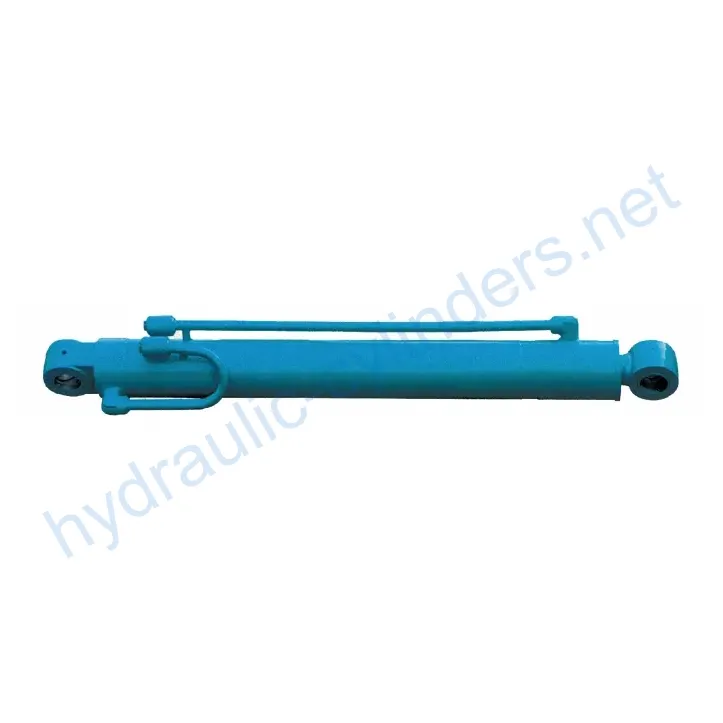
Cilindro de brazo para excavadora pequeña Kato HD512-3
Como cilindros hidráulicos uno de los fabricantes, los surtidores y los exportadores de productos mecánicos, ofrecemos cilindros hidráulicos y muchos otros productos.
Póngase en contacto con nosotros para más información.
Correo:sales@hydraulic-cylinders.net
Fabricante proveedor exportador de cilindros hidráulicos.
Cilindro de brazo para excavadora pequeña Kato HD512-3
Introducción
The Arm Cylinder for Kato Small Excavator HD512-3 is a specially designed hydraulic cylinder that provides linear motion and power to the arm of various types of machinery, such as excavators, cranes, and mechanical arms. The arm cylinder plays a crucial role in hydraulic systems, enabling the efficient movement and control of additional tools or attachments. These cylinders not only achieve smooth motion but also withstand heavy loads, ensuring the efficient operation and reliability of the machinery in various working conditions.
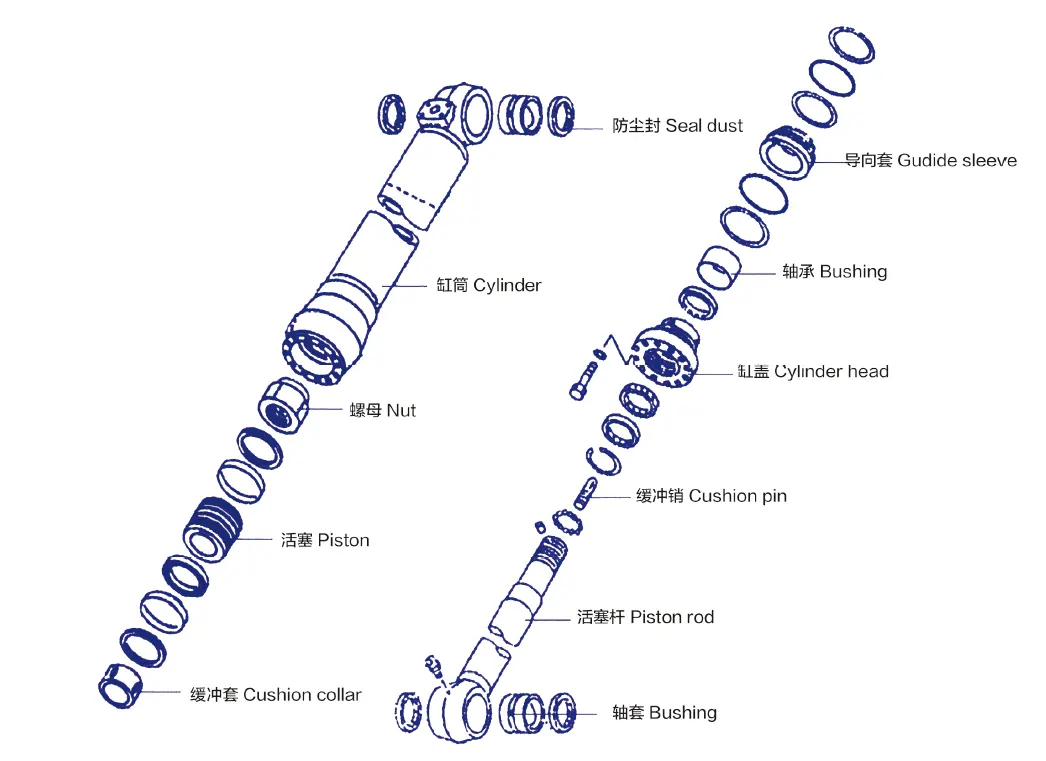
Características
-
Transmisión de alta eficiencia
El cilindro del brazo proporciona un potente movimiento y fuerza lineal, lo que garantiza capacidades de alto rendimiento para el brazo mecánico en diversas operaciones.
-
Control preciso
Mediante el sistema hidráulico, el cilindro del brazo permite un control preciso del movimiento, lo que hace que el funcionamiento de las herramientas acopladas sea más flexible y preciso.
-
Durabilidad
The Arm Cylinder is typically manufactured using high-strength materials, exhibiting excellent wear resistance and corrosion resistance, making it suitable for long-term use in harsh environments.
-
Versatilidad
Estos cilindros pueden aplicarse ampliamente a diversas máquinas, como excavadoras, grúas y brazos mecánicos, adaptándose a diferentes requisitos de trabajo.
-
Fácil mantenimiento
Diseñado teniendo en cuenta la facilidad de mantenimiento y reemplazo, el cilindro de brazo facilita las inspecciones y el mantenimiento regulares y convenientes, lo que reduce el tiempo de inactividad del equipo.

Aplicaciones
-
Ingeniería de la construcción
In excavators and cranes, the Arm Cylinder controls the movement of buckets or booms for earthworks, material handling, and structural installation.
-
Industria manufacturera
In automated production lines, the Arm Cylinder facilitates the motion of mechanical arms for assembly, welding, and handling processes, enhancing production efficiency and accuracy.
-
Maquinaria agrícola
En maquinaria agrícola, como cosechadoras y sembradoras, el cilindro del brazo controla el movimiento de los brazos operativos para tareas como sembrar, fertilizar y cosechar.
-
Minería
En equipos de minería, el cilindro del brazo controla el movimiento del brazo de la maquinaria minera para la extracción y transporte de mineral.
-
Logística y Transporte
En carretillas elevadoras y robots de manipulación, el cilindro del brazo controla la elevación y el movimiento de las horquillas, lo que permite la manipulación y el apilado de materiales.
Consideraciones de diseño y estándares de selección
-
Capacidad de carga
El cilindro del brazo está diseñado para soportar requisitos de carga específicos, garantizando un funcionamiento seguro y eficiente.
-
Caza de focas
Various sealing components, such as piston seals and rod seals, are used. These seals are made of wear-resistant materials like polyurethane and nitrile rubber. The cylinder body and threaded ends undergo fine treatment to improve wear resistance.
-
Durabilidad
The Arm Cylinder is built to be durable, with considerations for corrosion resistance and long-term usage in challenging environments.
-
Seguridad
Safety measures, such as pressure relief valves, are integrated into the design to prevent overloading and ensure safe operation.
-
Mantenibilidad
The design of the Arm Cylinder allows for easy maintenance and replacement, reducing downtime and enhancing overall efficiency.

Sellado y lubricación
The Arm Cylinder utilizes various sealing components, such as piston seals and rod seals. These seals are made of wear-resistant materials like polyurethane and nitrile rubber. The cylinder body and threaded ends are finely treated to improve wear resistance. Regular lubrication with appropriate hydraulic oil is necessary to ensure smooth operation and prevent wear and tear.
Inspección regular y mantenimiento preventivo
- Regularly check for any signs of leakage or damage
- Inspect the condition of seals and replace if necessary
- Clean the cylinder and remove any debris or contaminants
- Check the hydraulic connections for any loose fittings
- Ensure proper lubrication of the cylinder
Guía de instalación del producto
1. Ensure the excavator is powered off and in a stable position.
2. Locate the arm cylinder installation area and remove any obstructions.
3. Carefully align the arm cylinder with the mounting points on the excavator.
4. Securely attach the arm cylinder using the provided bolts or pins.
5. Double-check the tightness of the connections and ensure proper alignment.
6. Test the functionality of the arm cylinder by operating the excavator’s controls.

Consideraciones de seguridad y factores ambientales
When using the Arm Cylinder, it is important to follow safety measures to prevent accidents and ensure personnel safety. Proper training and adherence to safety protocols are crucial. Additionally, considering the environmental impact, it is advisable to dispose of any used hydraulic oil or components in an environmentally responsible manner.
Diagnóstico de fallas y problemas comunes
1. Leakage: Check for any signs of oil leakage and inspect the seals for damage.
2. Insufficient Power: Check the hydraulic pump and system for any issues that may affect cylinder performance.
3. Abnormal Noise: Investigate possible sources of noise, such as loose connections or damaged components.
4. Slow Operation: Inspect the hydraulic system for any restrictions or blockages affecting fluid flow.
5. Cylinder Drift: Check the control valves and seals for any issues causing unintended movement.
For troubleshooting and resolving these issues, it is recommended to consult the equipment manual or seek assistance from a qualified technician.

Remember to organize the article logically, utilize subheadings for easy navigation, incorporate relevant images or charts to enhance understanding, and ensure the content is clear, concise, and suitable for readers with varying levels of technical knowledge.
Autor: lyl
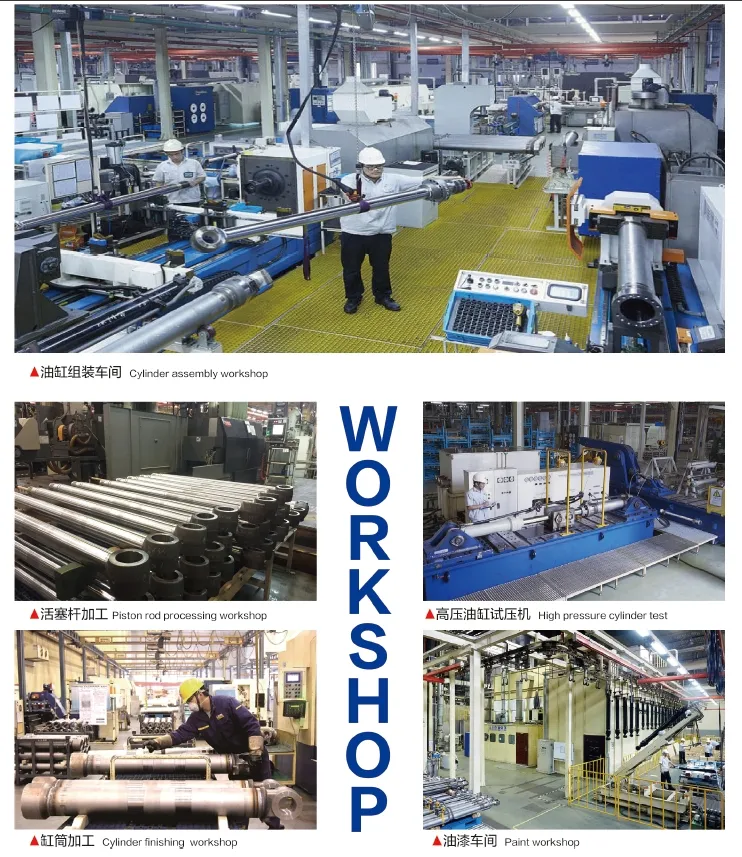
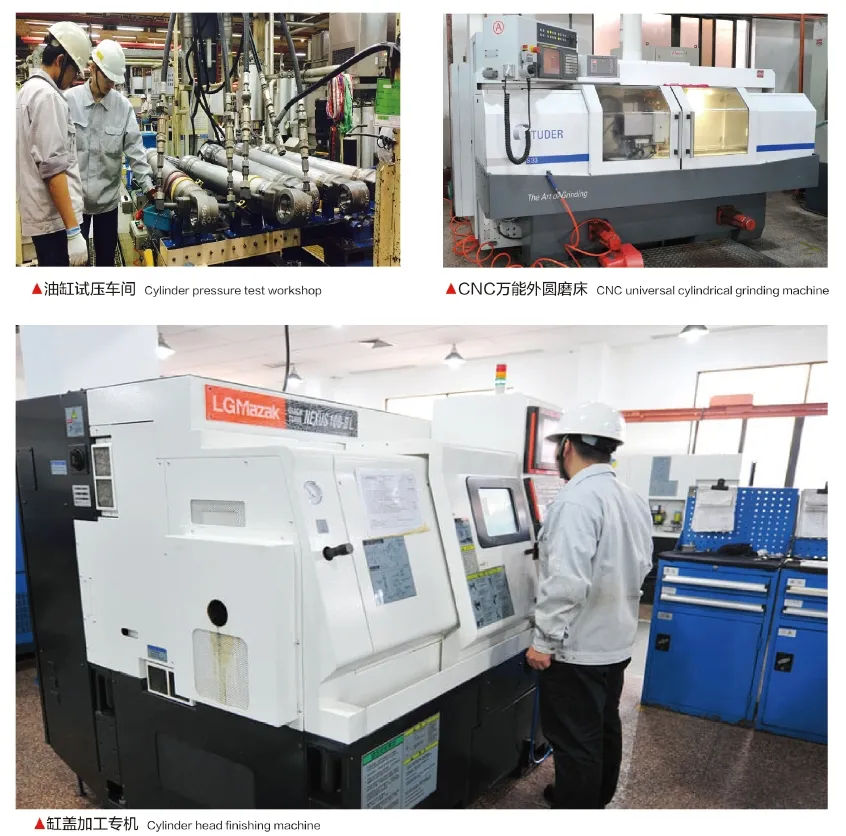
We are a professional manufacturer of replacement hydraulic cylinders, offering a wide range of products. We have become one of the leading manufacturers and wholesale distributors of hydraulic cylinders in domestic
Cilindro hidráulico Aplicación:

 ES
ES  EN
EN  PT
PT  DE
DE  FR
FR  IT
IT  AR
AR  ZH
ZH  RU
RU  KO
KO  KA
KA  BG
BG  CS
CS  DA
DA  EL
EL  ET
ET  FI
FI  HU
HU  ID
ID  LT
LT  LV
LV  NB
NB  NL
NL  PL
PL  RO
RO  SK
SK  SL
SL  SV
SV  TR
TR  UK
UK