

Cilindro de brazo para excavadora pequeña World W218
Como cilindros hidráulicos uno de los fabricantes, los surtidores y los exportadores de productos mecánicos, ofrecemos cilindros hidráulicos y muchos otros productos.
Póngase en contacto con nosotros para más información.
Correo:sales@hydraulic-cylinders.net
Fabricante proveedor exportador de cilindros hidráulicos.
Cilindro de brazo para excavadora pequeña World W218
Introducción
The arm cylinder is a specially designed hydraulic cylinder that provides linear motion and power to the arm of various types of machinery, such as excavators, cranes, and robotic arms. The arm cylinder plays a crucial role in hydraulic systems, allowing for efficient movement and control of additional tools or attachments. These cylinders not only enable smooth motion but also withstand heavy loads, ensuring high efficiency and reliability of the machinery in various operating conditions.
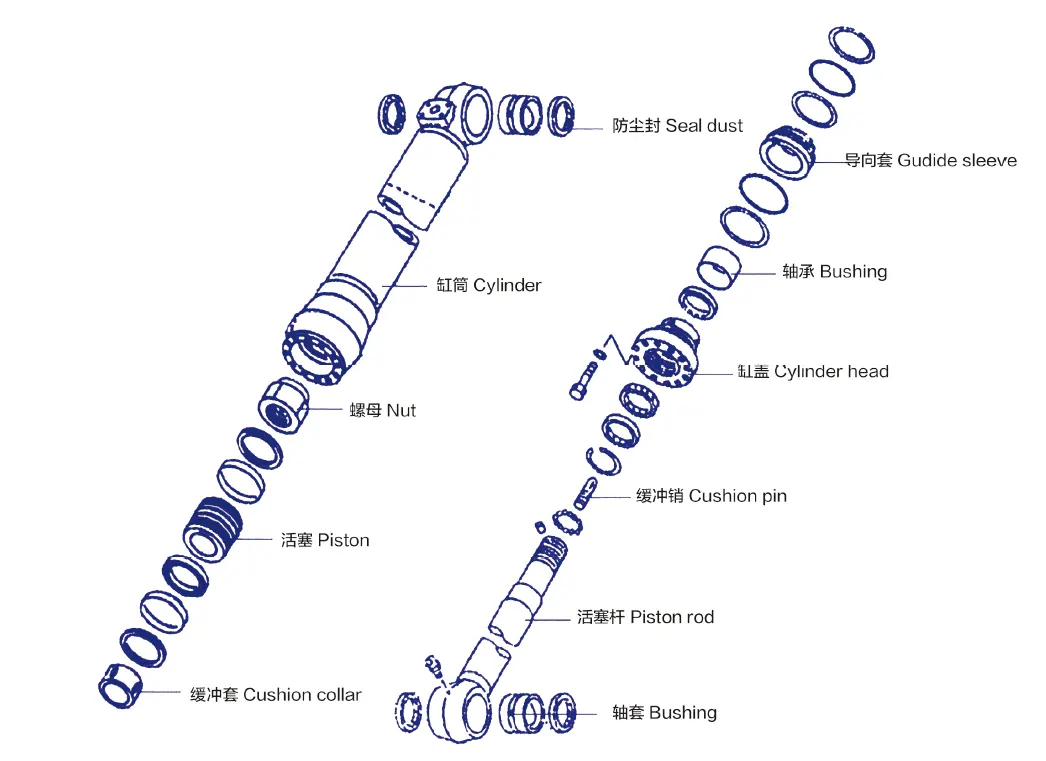
Características
- Transmisión de alta eficiencia: El cilindro del brazo proporciona un potente movimiento y fuerza lineal, lo que garantiza un alto rendimiento del brazo robótico en diversas operaciones.
- Control preciso: A través del sistema hidráulico, el cilindro del brazo permite un control preciso del movimiento, haciendo que la operación de las herramientas acopladas sea más flexible y precisa.
- Durabilidad: Arm cylinders are typically made of high-strength materials, with excellent wear resistance and corrosion resistance, making them suitable for long-term use in harsh environments.
- Adaptabilidad multifuncional: These cylinders are widely applicable to various types of machinery, such as excavators, cranes, and robotic arms, to meet different working requirements.
- Fácil mantenimiento: The design considers ease of maintenance and replacement, making regular inspections and upkeep convenient, reducing equipment downtime.

Aplicaciones
El cilindro de brazo encuentra amplias aplicaciones en diversas industrias:
- Ingeniería de la construcción: En excavadoras y grúas, el cilindro del brazo controla el movimiento de los cucharones o plumas para trabajos de movimiento de tierras, manipulación de materiales e instalación de estructuras.
- Industria manufacturera: In automated production lines, the arm cylinder enables the motion of robotic arms for assembly, welding, and material handling processes, enhancing production efficiency and accuracy.
- Maquinaria agrícola: En equipos agrícolas, como cosechadoras y sembradoras, el cilindro del brazo controla el movimiento de los brazos operativos para tareas como sembrar, fertilizar y cosechar.
- Minería: En los equipos de minería, el cilindro del brazo controla el movimiento del brazo para la extracción y el transporte del mineral.
- Logística y Transporte: En las carretillas elevadoras y los robots de manipulación, el cilindro del brazo controla la elevación y el movimiento de las horquillas, facilitando la manipulación y el apilamiento de materiales.
Consideraciones de diseño y criterios de selección
When it comes to design considerations, the arm cylinder should meet key requirements such as load-bearing capacity, sealing capability, durability, safety, and ease of maintenance. Let’s discuss each point:

- Capacidad de carga: The arm cylinder should be designed to withstand the specific loads it will encounter during operation.
- Capacidad de sellado: Various sealing components, such as piston seals and rod seals, should be used to ensure effective prevention of oil leakage and contamination.
- Durabilidad: The cylinder body and threaded ends should undergo precise machining to enhance wear resistance and extend the service life of the arm cylinder.
- Seguridad: Safety features should be incorporated into the arm cylinder design to prevent accidents during operation.
- Facilidad de mantenimiento: The design should consider easy accessibility for maintenance and the use of standardized components for convenient replacement.
Sellado y lubricación
The arm cylinder utilizes various sealing components, including piston seals and rod seals. These seals are made of wear-resistant materials such as polyurethane and nitrile rubber. The cylinder body and threaded ends undergo fine processing to improve wear resistance. Regular lubrication with an appropriate amount of hydraulic oil is necessary to ensure smooth operation and reduce wear.
Inspección regular y mantenimiento preventivo
To ensure the optimal performance and longevity of the arm cylinder, regular inspections and preventive maintenance are essential. The following measures should be taken:
- Inspect the cylinder body and sealing components for signs of wear or damage.
- Check the hydraulic connections and fittings for leaks.
- Monitor the hydraulic oil level and quality, replenishing or replacing as necessary.
- Inspect and clean the cylinder rod and piston to remove any contaminants.
- Siga las instrucciones del fabricante en cuanto a intervalos y procedimientos de mantenimiento.
Guía de instalación del producto
La correcta instalación del cilindro del brazo es crucial para su rendimiento y seguridad. Siga estos pasos:
- Prepare el área de montaje y asegúrese de que esté limpia y libre de residuos.
- Securely attach the cylinder to the machine’s arm or designated mounting point using appropriate bolts or brackets.
- Connect the hydraulic hoses to the cylinder’s inlet and outlet ports, ensuring proper tightening.
- Check for any hydraulic leaks and fix them promptly.
- Test the arm cylinder’s functionality by operating the associated controls.

Consideraciones de seguridad y factores ambientales
When using the arm cylinder, it is essential to prioritize safety measures to prevent accidents. Keywords related to safety should be given utmost importance to ensure the well-being of operators and surrounding personnel.
Solución de problemas y problemas comunes
Aquí tienes algunos problemas comunes y consejos para solucionarlos en el cilindro del brazo:
- Asunto: Fuga del cilindro.
Solución: Check and replace damaged seals or tighten fittings as necessary. - Asunto: Movimiento lento o errático.
Solución: Check the hydraulic fluid level and quality. If necessary, replenish or replace the fluid. - Asunto: Ruido excesivo durante el funcionamiento.
Solución: Inspect and lubricate moving parts to reduce friction and noise.
By following these troubleshooting tips, readers can effectively diagnose and resolve problems with their arm cylinder, as well as implement preventive measures to minimize potential issues.

Remember to organize the article logically, use subheadings for easy navigation, incorporate relevant images or diagrams for better understanding, and ensure the content is clear, concise, and suitable for readers with different levels of technical knowledge.
Acerca de nuestra empresa
We are a professional manufacturer of replacement hydraulic cylinders, offering a wide range of products. We have become one of the leading hydraulic cylinder manufacturers and wholesale distributors in domestic and international markets. We adhere to the principle of excellence in quality and rely on industrialized production management strategies in our sophisticated manufacturing workshop. By introducing advanced digital manufacturing equipment and professional testing systems, we continuously optimize our manufacturing platform and improve the quality control process of our products. We have a strong ability to innovate. Our goal is to meet customers’ diverse needs with efficiency, precision, and high-quality standards.
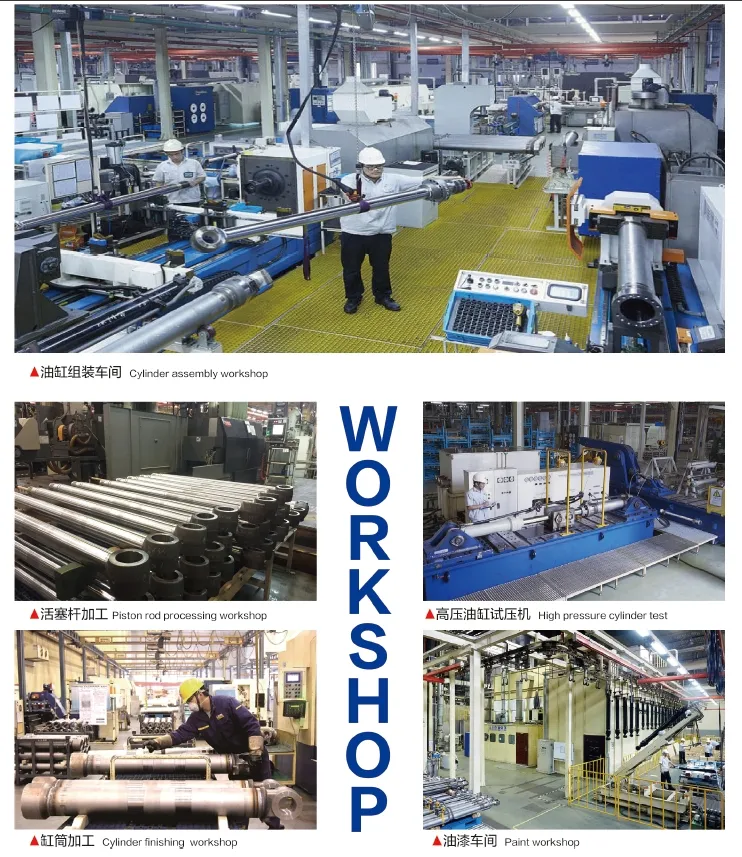
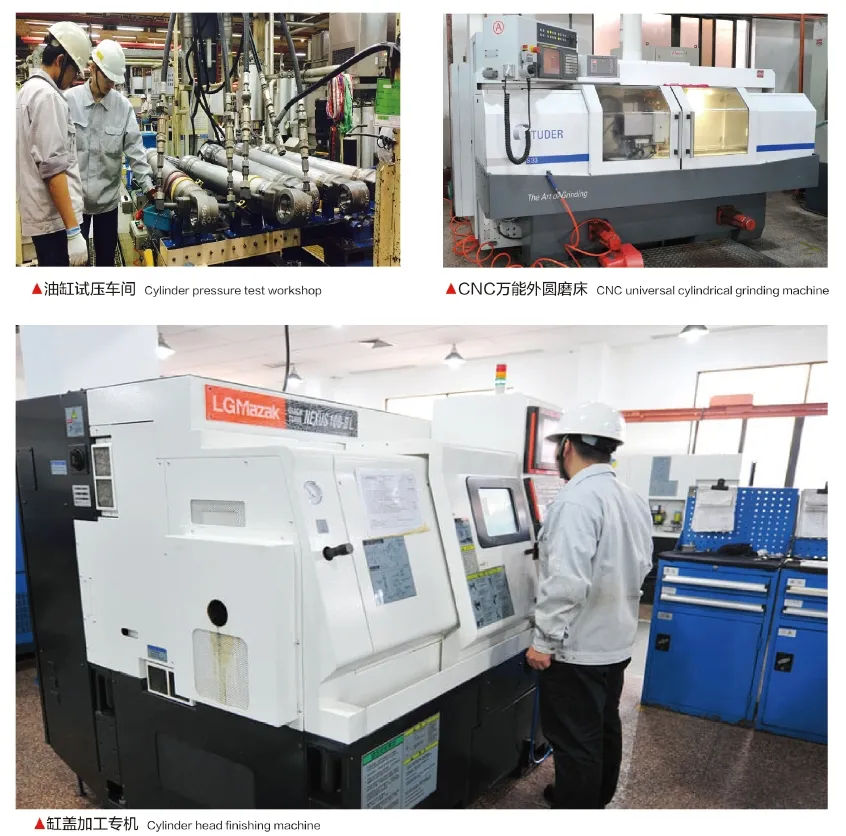
Nuestra empresa se caracteriza por:
Cilindro hidráulico Aplicación:

 ES
ES  EN
EN  PT
PT  DE
DE  FR
FR  IT
IT  AR
AR  ZH
ZH  RU
RU  KO
KO  KA
KA  BG
BG  CS
CS  DA
DA  EL
EL  ET
ET  FI
FI  HU
HU  ID
ID  LT
LT  LV
LV  NB
NB  NL
NL  PL
PL  RO
RO  SK
SK  SL
SL  SV
SV  TR
TR  UK
UK