
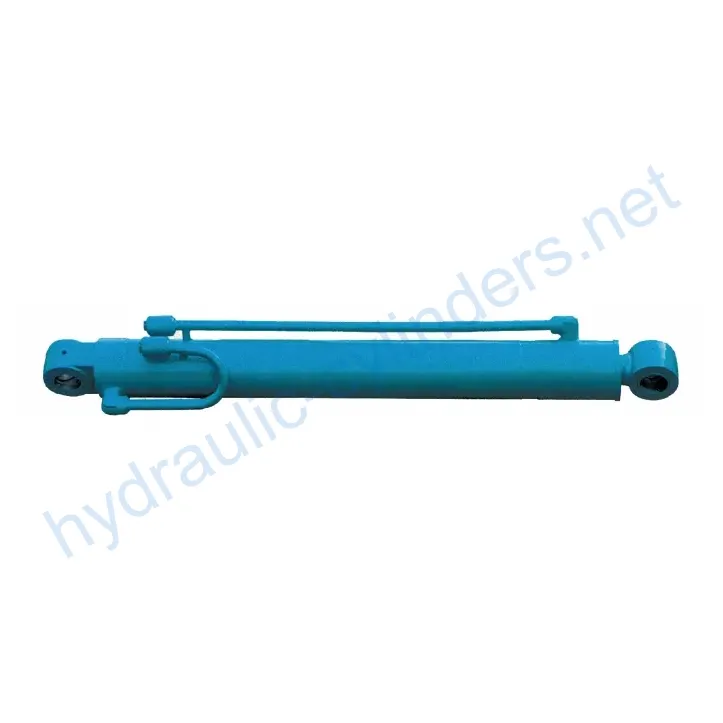
Arm CylinderFor Volvo Large Excavator EC380EL
Como cilindros hidráulicos uno de los fabricantes, los surtidores y los exportadores de productos mecánicos, ofrecemos cilindros hidráulicos y muchos otros productos.
Póngase en contacto con nosotros para más información.
Correo:sales@hydraulic-cylinders.net
Fabricante proveedor exportador de cilindros hidráulicos.
Arm CylinderFor Volvo Large Excavator EC380EL
Definición y explicación
An arm cylinder is a specially designed hydraulic cylinder that provides linear motion and power to the arm of various types of machinery, such as excavators, cranes, and robotic arms. The arm cylinder plays a crucial role in hydraulic systems, enabling the efficient movement and control of additional tools or attachments. These cylinders not only ensure smooth motion but also withstand heavy loads, ensuring the efficient operation and reliability of the machinery in various working conditions.
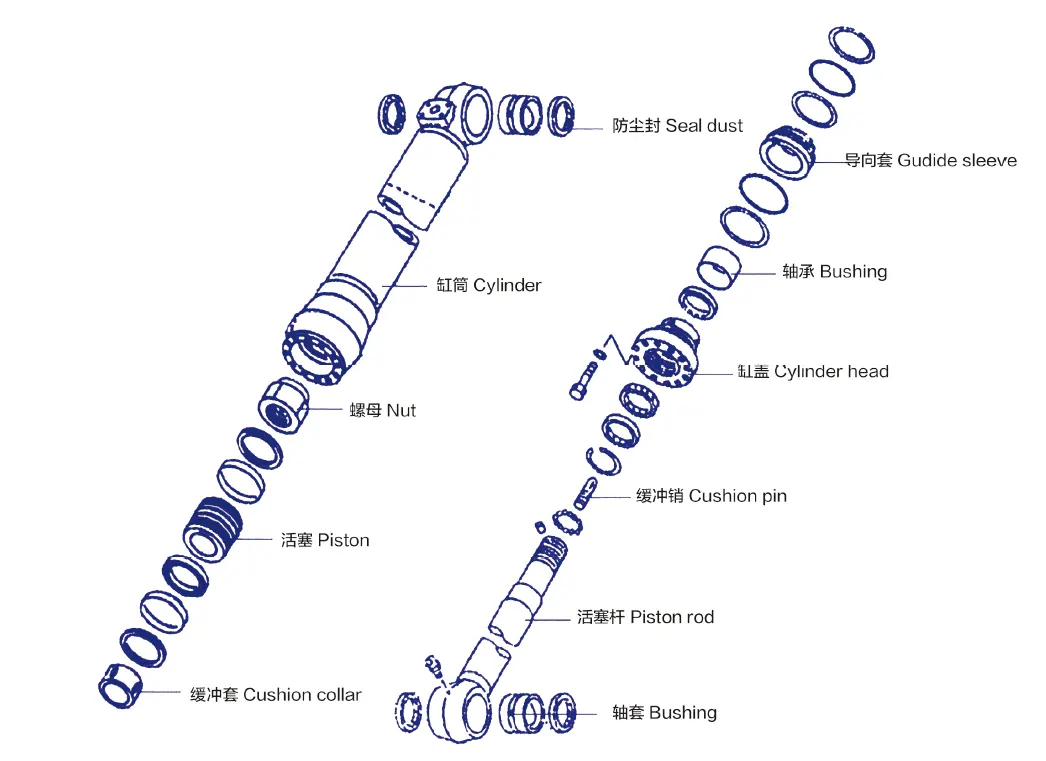
Características del cilindro del brazo
- Transmisión de alta eficiencia: The arm cylinder provides powerful linear motion and force, ensuring high-performance capabilities for the machinery arm in various operations.
- Control preciso: A través del sistema hidráulico, el cilindro del brazo permite un control preciso del movimiento, haciendo que la operación de herramientas adicionales sea más flexible y precisa.
- Fuerte durabilidad: Los cilindros de los brazos suelen estar fabricados con materiales de alta resistencia, que ofrecen una excelente resistencia al desgaste y a la corrosión, lo que los hace adecuados para su uso a largo plazo en entornos hostiles.
- Adaptabilidad multifuncional: Estos cilindros se pueden aplicar ampliamente a varios tipos de maquinaria, incluidas excavadoras, grúas y brazos robóticos, adaptándose a diferentes requisitos de trabajo.
- Fácil mantenimiento: Designed with ease of maintenance and replacement in mind, arm cylinders facilitate convenient periodic inspections and servicing, reducing equipment downtime.

Aplicaciones del cilindro de brazo
Los cilindros de brazo encuentran aplicaciones en diversas industrias y sectores:
- Ingeniería de la construcción: En excavadoras y grúas, los cilindros del brazo controlan el movimiento de cucharones o plumas para movimiento de tierras, manipulación de materiales e instalación estructural.
- Industria manufacturera: En las líneas de producción automatizadas, los cilindros de brazo permiten el movimiento de brazos robóticos para procesos de ensamblaje, soldadura y manipulación de materiales, mejorando la eficiencia y la precisión de la producción.
- Maquinaria agrícola: En maquinaria agrícola, como cosechadoras y sembradoras, los cilindros de brazo controlan el movimiento de los brazos operativos para tareas como sembrar, fertilizar y cosechar.
- Minería: In mining equipment, arm cylinders control the movement of mining equipment arms, facilitating the extraction and transportation of minerals.
- Logística y Transporte: En carretillas elevadoras y robots de manipulación, los cilindros del brazo controlan la elevación y el movimiento de las horquillas, lo que permite la manipulación y el apilado de materiales.
Consideraciones de diseño y criterios de selección
When it comes to designing arm cylinders, several factors are significant:
- Capacidad de carga: The arm cylinder should be designed to handle the maximum load it will encounter during its application.
- Caza de focas: Various sealing elements, such as piston seals and rod seals, should be used to ensure proper sealing. These seals are typically made of wear-resistant materials like polyurethane and nitrile rubber.
- Durabilidad: The cylinder body and threaded end surfaces should undergo meticulous processing to enhance wear resistance. Additionally, regular lubrication with the appropriate hydraulic oil is necessary.
- Seguridad: Safety considerations, such as overload protection and safety valves, should be incorporated into the design to prevent accidents and ensure operator safety.
- Mantenibilidad: Design features that facilitate easy maintenance and repair should be considered, minimizing downtime and optimizing operational efficiency.

Sellado y lubricación
Arm cylinders utilize various sealing components, including piston seals and rod seals, which are made of wear-resistant materials such as polyurethane and nitrile rubber. The cylinder body and threaded end surfaces undergo precise processing to improve wear resistance. Regular lubrication with the appropriate hydraulic oil is necessary to ensure smooth operation and prevent premature wear.
Inspección regular y mantenimiento preventivo
To ensure the optimal performance and longevity of the arm cylinder, regular inspections and preventive maintenance are crucial. The following measures should be taken:
- Inspect all components for signs of wear, leakage, or damage.
- Apriete cualquier conexión o accesorio suelto.
- Check the hydraulic oil levels and quality regularly.
- Reemplace rápidamente los sellos o componentes desgastados.
- Perform a thorough cleaning of the cylinder and its surroundings to prevent debris accumulation.
Guía de instalación del cilindro del brazo
Proper installation is essential for the reliable performance of the arm cylinder. Follow the steps below:
- Prepare the mounting area and ensure it is clean and free from any obstructions or debris.
- Align the arm cylinder with the mounting holes and attach securely using appropriate bolts and fasteners.
- Connect the hydraulic hoses or pipes, ensuring a tight and leak-free connection.
- Verify the correct operation of the cylinder by performing initial tests and adjustments.
- Regularly inspect the installed arm cylinder for any signs of wear or malfunction.

Consideraciones de seguridad y factores ambientales
When working with arm cylinders, prioritizing safety measures is crucial. Adequate safety precautions should be followed, such as using appropriate protective gear, implementing proper lockout/tagout procedures, and adhering to equipment-specific safety guidelines. Additionally, considering environmental factors such as temperature, humidity, and exposure to corrosive substances is important to ensure the longevity and performance of the arm cylinder.
Solución de problemas y problemas comunes
Cuando surjan problemas con el cilindro del brazo, los siguientes pasos de solución de problemas pueden ayudar a diagnosticar y resolver los problemas:
- Check for any visible leaks in the hydraulic system.
- Inspect the sealing components for wear or damage.
- Asegúrese de que el cilindro esté bien lubricado y limpio.
- Inspect the hydraulic hoses or pipes for any blockages or damage.
- Refer to the equipment’s manual or consult with a qualified technician for further assistance.

Recuerda organizar el artículo de forma lógica, usar subtítulos para facilitar la navegación, incorporar imágenes o gráficos relevantes para una mejor comprensión y asegurarte de que el contenido sea claro, conciso y adecuado para lectores con diferentes niveles de conocimiento técnico.
Acerca de nuestra empresa
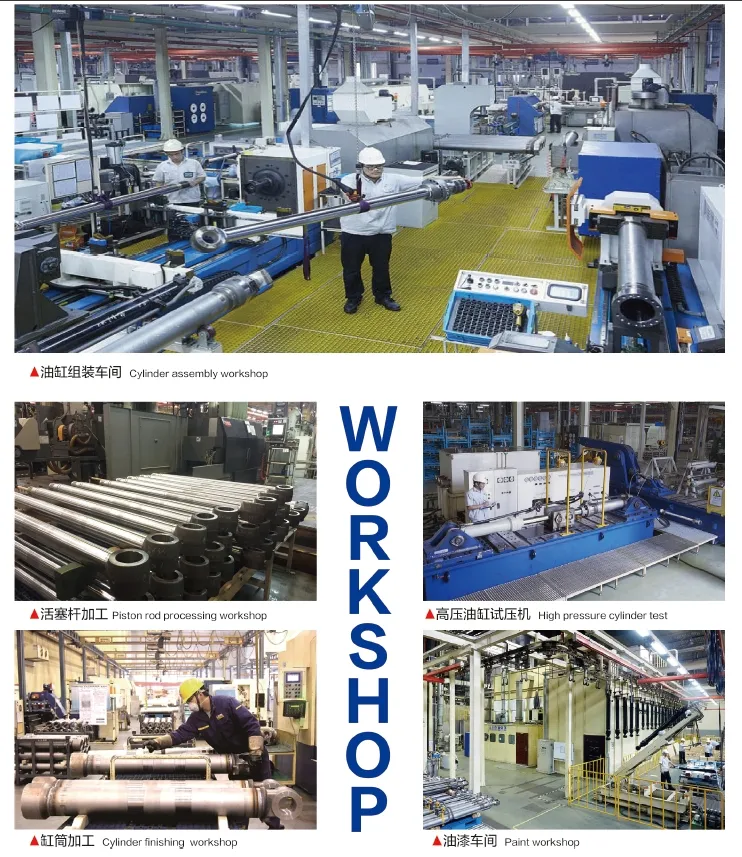
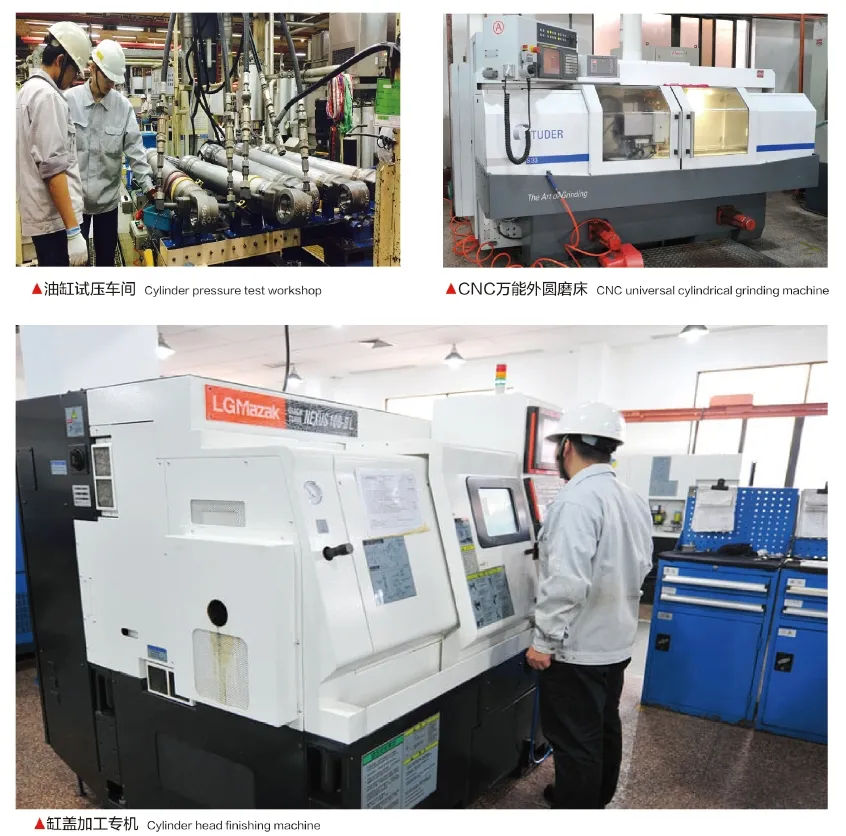
We are a professional manufacturer of replacement hydraulic cylinders, offering a wide range of products. We have become one of the leading hydraulic cylinder manufacturers and wholesale distributors in domestic and international markets. Upholding the principle of excellent quality, we rely on industrial production management strategies in our refined manufacturing workshop to continuously improve our technological capabilities and production efficiency. By introducing high-end digital manufacturing equipment and professional testing systems, we optimize our manufacturing platform, perfect our product quality control processes, and possess strong innovation capabilities. Our goal is to meet customers’ diverse needs with efficiency, precision, and high-quality products.
Lastly, the article is written by lyl.
Cilindro hidráulico Aplicación:

 ES
ES  EN
EN  PT
PT  DE
DE  FR
FR  IT
IT  AR
AR  ZH
ZH  RU
RU  KO
KO  KA
KA  BG
BG  CS
CS  DA
DA  EL
EL  ET
ET  FI
FI  HU
HU  ID
ID  LT
LT  LV
LV  NB
NB  NL
NL  PL
PL  RO
RO  SK
SK  SL
SL  SV
SV  TR
TR  UK
UK