
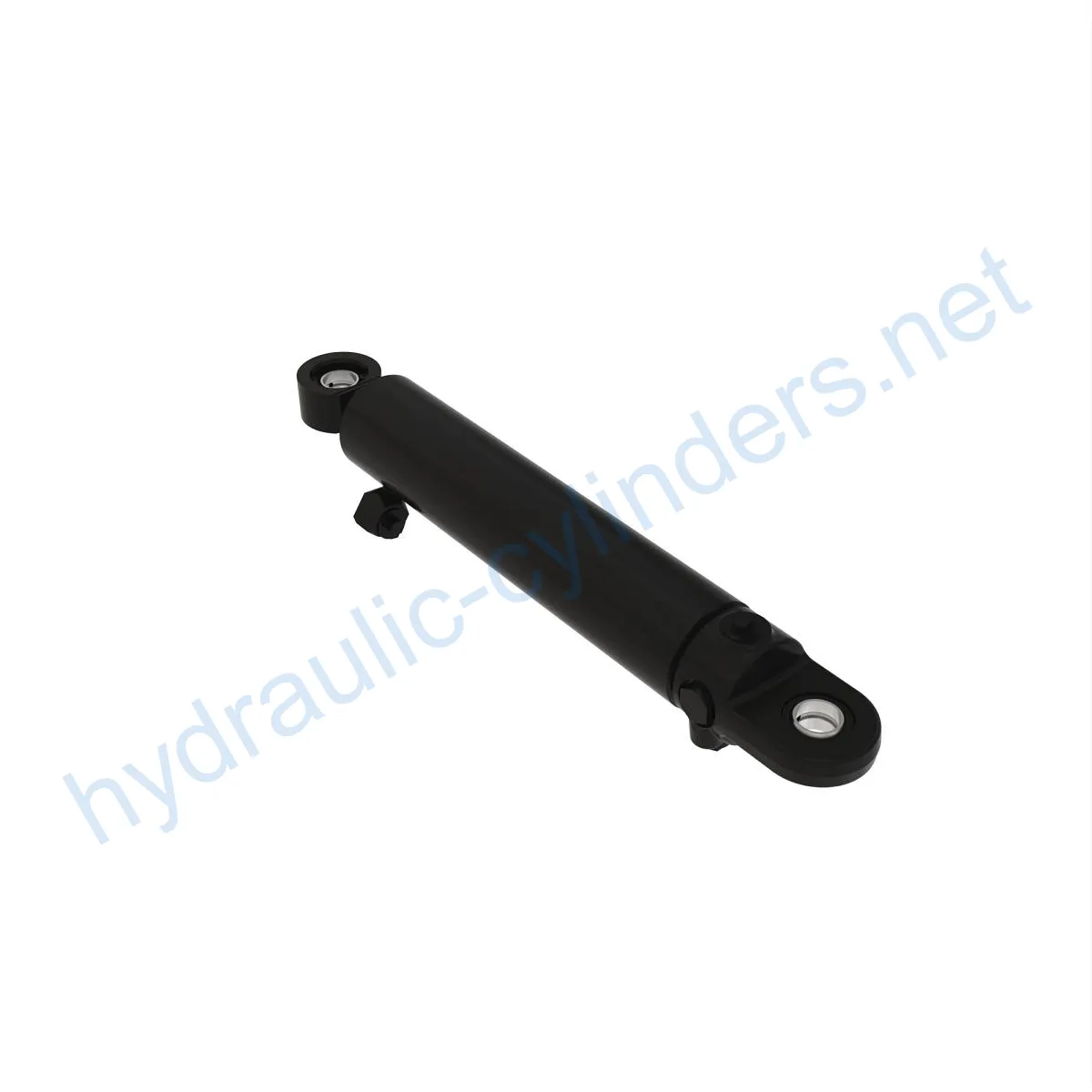
Replacement Of AHC17745 Hydraulic Cylinder
Replacement Of AHC17745 Hydraulic Cylinder
First, let’s introduce the product and define what this hydraulic cylinder is and its purpose. The Replacement Of AHC17745 Hydraulic Cylinder is a crucial component used in various machines and equipment to provide hydraulic power for lifting, pushing, and pulling tasks.
Presupuesto
- Weight: 20.65 lb
- Altura: 3,5 pulgadas
- Ancho: 5 pulgadas
- Longitud: 22 pulgadas
Model: 3520
Now, let’s delve into the features of this hydraulic cylinder:
- Improved Equipment Performance: Replacing damaged or worn hydraulic cylinders can restore the normal operation capability of the equipment and ensure its performance in various applications.
- Mayor seguridad: Reemplazar periódicamente los cilindros hidráulicos puede reducir los riesgos de seguridad causados por fallas en los cilindros, lo que garantiza la seguridad de los operadores y el equipo.
- Protección contra sobrecargas: Los nuevos diseños de cilindros suelen incorporar mejores mecanismos de protección contra sobrecargas, lo que mejora la seguridad.
- Instalación rápida: Los cilindros hidráulicos modernos están diseñados para una fácil instalación y reemplazo, minimizando el tiempo de inactividad.
- Componentes estandarizados: Muchos cilindros hidráulicos son productos estandarizados, lo que facilita la obtención de piezas de repuesto en el mercado.
Moreover, we can produce this product, and our cylinders are perfect replacements for the ones being replaced.
Let’s now explore some application scenarios for this hydraulic cylinder:
- Excavators: Hydraulic cylinders in the boom or bucket of an excavator may get damaged due to prolonged use or overload, requiring replacement to restore normal operation.
- Cranes: Hydraulic cylinders in a crane’s lifting boom are susceptible to wear during frequent lifting and lowering processes, necessitating regular replacements to ensure safety.
- Tractors: Hydraulic cylinders in front-end loaders of tractors may develop leaks or decreased performance during constant lifting and tilting operations, requiring replacements.
- Harvesters: The hydraulic system undergoes high pressure during harvesting, and fatigue can lead to cylinder damage, necessitating timely replacements to maintain work efficiency.
- Automated Production Lines: Hydraulic cylinders are used to control robotic arms and other automated equipment. Cylinder failures can significantly impact production efficiency and should be promptly replaced.
- Máquinas de fundición a presión: Los cilindros hidráulicos de las máquinas de fundición a presión pueden experimentar una degradación de su rendimiento bajo altas presiones y temperaturas. Sustituirlos regularmente garantiza la calidad del producto.
- Mining Equipment: Hydraulic cylinders are used for lifting and moving heavy loads in mining equipment. Due to the harsh working environment, regular inspections and replacements are necessary to avoid equipment failures.
- Bulldozers: Worn hydraulic cylinders on the blade of a bulldozer can decrease its pushing ability, requiring timely replacements to maintain operational efficiency.
Next, let’s discuss some common maintenance tasks:
- Regular Inspections: Periodically inspect the hydraulic cylinder for any signs of damage, leaks, or abnormal performance.
- Proper Lubrication: Apply appropriate lubrication to ensure smooth movement and prevent excessive wear.
- Sustitución de juntas y comprobaciones de calibración: Sustituya las juntas desgastadas y realice comprobaciones de calibración para mantener un rendimiento óptimo y evitar fugas.
During installation, it is important to provide proper alignment guidance and recommend the use of suitable installation brackets to secure the cylinder. We also offer inspection, repair, and replacement procedures, as well as parts replacement and rebuilding services to extend the lifespan of your hydraulic cylinder.
Safety considerations and environmental factors are also crucial when working with hydraulic cylinders. Following safety measures when using hydraulic equipment is essential to prevent accidents and ensure the well-being of operators and the surrounding environment.
Now let’s address common troubleshooting and frequently asked questions:
- Excessive Leakage: If the hydraulic cylinder is experiencing excessive leakage, it may be due to worn seals or damaged components. Check and replace the seals or contact our technical support for further assistance.
- Slow Cylinder Operation: Slow operation can be caused by insufficient hydraulic fluid, clogged filters, or internal cylinder damage. Check the fluid levels, replace filters if necessary, and inspect the cylinder for any potential issues.
- Noise or Vibration: Unusual noise or vibration during operation can indicate misalignment, loose components, or internal damage. Ensure proper alignment and tighten any loose connections. If the issue persists, consult our troubleshooting guide or contact our technical support.
For troubleshooting, we recommend following our tips and solutions to effectively diagnose and resolve issues. Furthermore, we provide preventive measures to minimize potential problems.
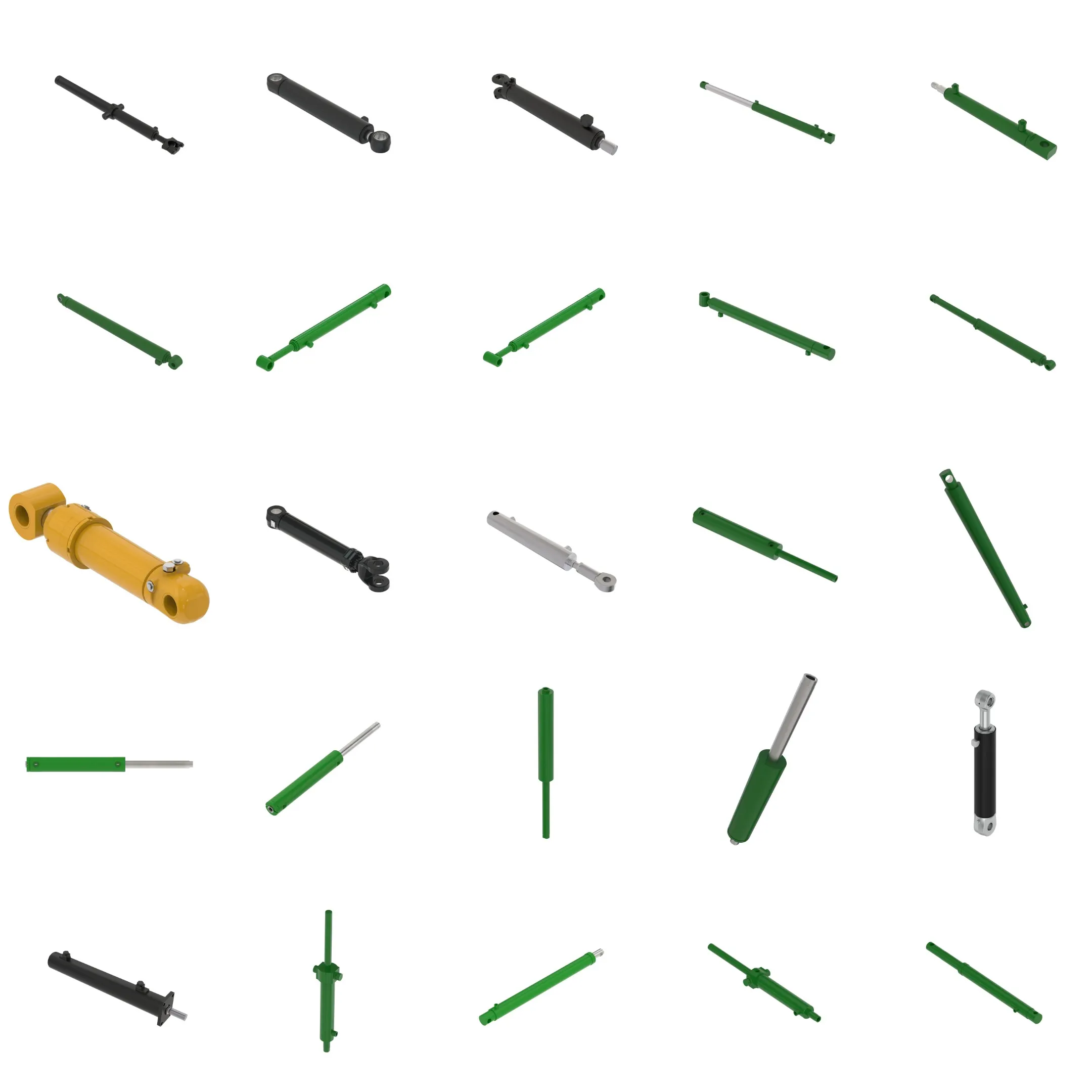
Let’s now discuss the design considerations and selection criteria for this hydraulic cylinder:
- Load-Bearing Capacity: The hydraulic cylinder should be able to withstand the maximum load it will encounter during operation.
- Sealing Capability: The cylinder should have reliable sealing mechanisms to prevent leaks and ensure optimal performance.
- Durability: The materials and construction of the cylinder should be durable enough to withstand the operating conditions and provide long-lasting performance.
- Safety: Considerations such as overload protection features and safety certifications should be taken into account during the design and selection process.
- Mantenibilidad: El cilindro debe estar diseñado para un fácil mantenimiento, con componentes accesibles e instrucciones claras para reparaciones o reemplazos.
When it comes to sealing and lubrication, various sealing elements such as piston seals and rod seals should be used. These seals should be made of wear-resistant materials like polyurethane or nitrile rubber. The cylinder body and threaded ends should undergo fine treatments to improve wear resistance. It is important to regularly apply the appropriate amount of hydraulic oil for lubrication.
Regular inspections and preventive maintenance measures are critical to ensure the longevity and reliable performance of the hydraulic cylinder. Follow the recommended inspection, lubrication, seal replacement, and calibration check procedures. Proper installation, lubrication, and adjustment are essential for optimal performance and longevity. Use the correct alignment techniques during installation and consider using suitable mounting brackets to secure the cylinder.
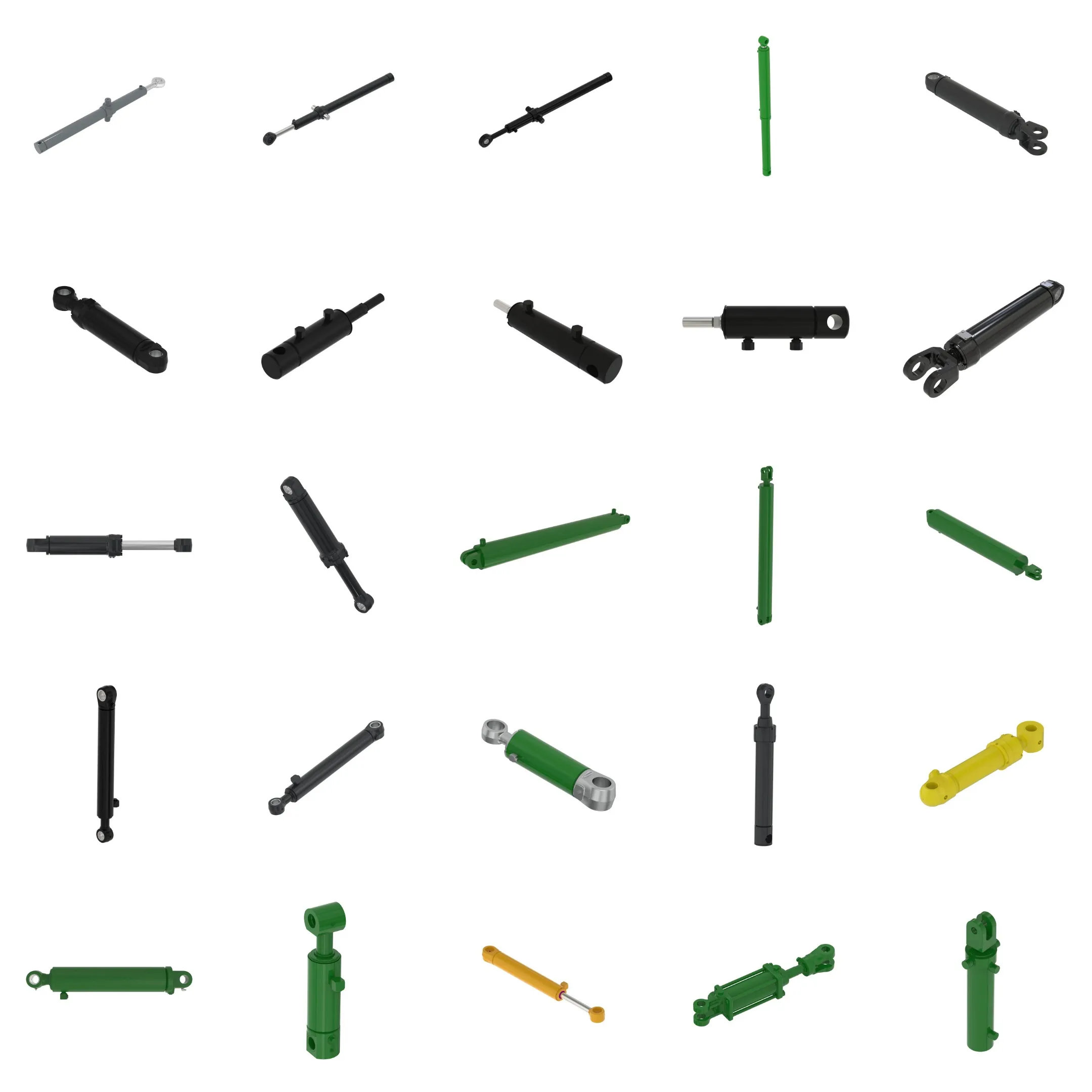
Finally, let’s highlight our company:
We are a leading manufacturer and wholesale distributor of replacement hydraulic cylinders, offering a comprehensive range of products. Our company holds a prominent position in both domestic and international markets.
We take pride in our professionalism, international certifications, customizability, advanced production equipment, and outstanding after-sales services.

Recuerde organizar el artículo de forma lógica, utilizar subtítulos para facilitar la navegación, incorporar imágenes o gráficos relevantes para mejorar la comprensión y garantizar la claridad, concisión y idoneidad del contenido para lectores con distintos niveles de conocimientos técnicos.
Autor: lyl


 ES
ES  EN
EN  PT
PT  DE
DE  FR
FR  IT
IT  AR
AR  ZH
ZH  RU
RU  KO
KO  KA
KA  BG
BG  CS
CS  DA
DA  EL
EL  ET
ET  FI
FI  HU
HU  ID
ID  LT
LT  LV
LV  NB
NB  NL
NL  PL
PL  RO
RO  SK
SK  SL
SL  SV
SV  TR
TR  UK
UK