
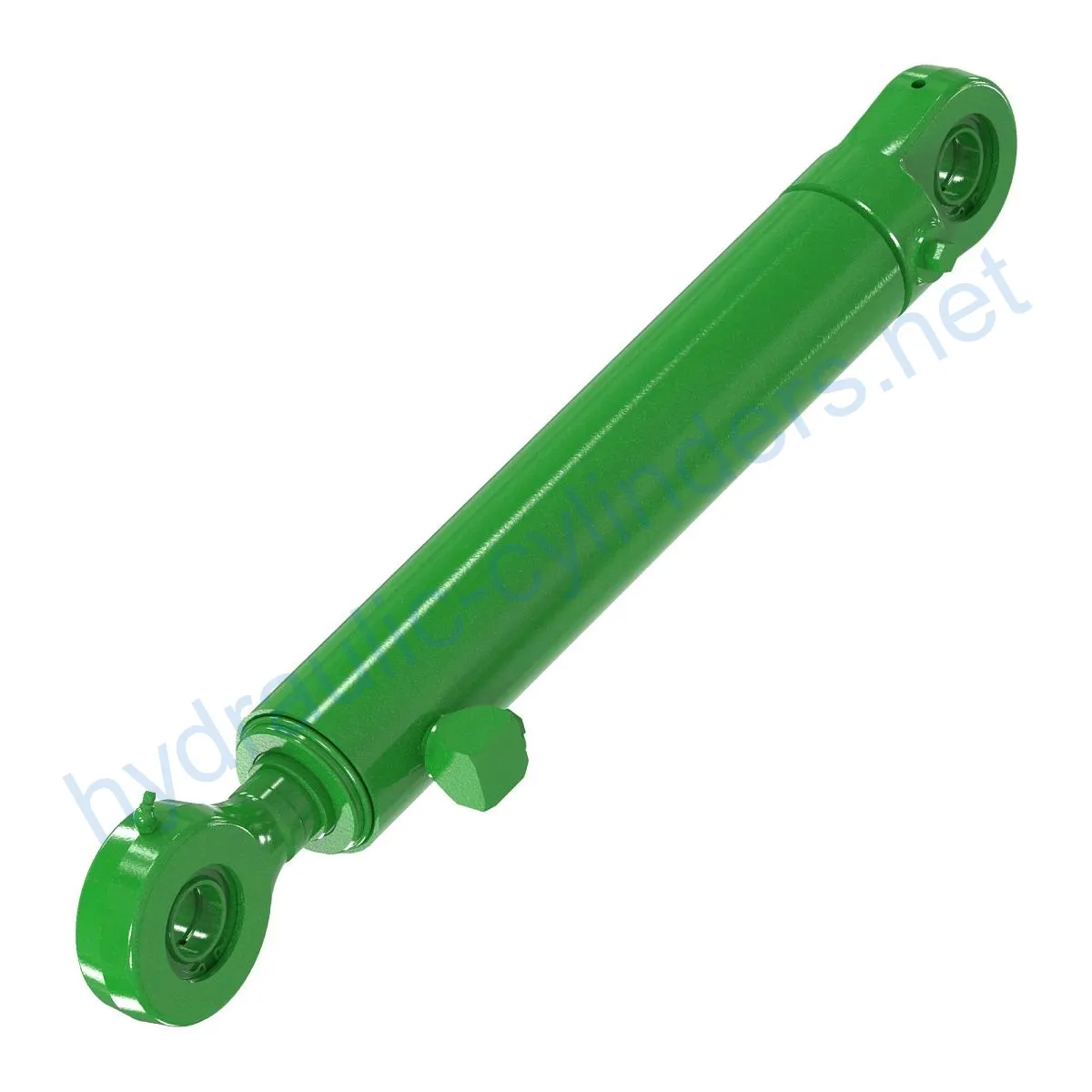
Replacement Of AHC20318 Hydraulic Cylinder Bore Seal Kit
Introducción del producto
The Replacement Of AHC20318 Hydraulic Cylinder Bore Seal Kit is a high-quality replacement part designed for various models, including 744 P, 744 X, 744L, 824 P, 824 X, 824J, 824L, 844 P, 844K-III, 844K-III AGGREGATE HANDLER, 844L, 844L AGGREGATE HANDLER, and 904 P. This hydraulic cylinder bore seal kit is essential for maintaining the proper functioning of equipment.
Especificaciones y modelos
Weight: 0.763 lb
Height: 8.6 in
Length: 1.6 in
Compatible Models: 744 P, 744 X, 744L, 824 P, 824 X, 824J, 824L, 844 P, 844K-III, 844K-III AGGREGATE HANDLER, 844L, 844L AGGREGATE HANDLER, 904 P
Características principales
- Improved Equipment Performance: Replacing damaged or worn hydraulic cylinders restores the normal operational capability of equipment, ensuring optimal performance in various applications.
- Mayor seguridad: Reemplazar periódicamente los cilindros hidráulicos reduce los riesgos de seguridad asociados con fallas de los cilindros, lo que garantiza la seguridad de los operadores y el equipo.
- Protección contra sobrecarga: Los diseños de cilindros modernos a menudo incorporan mejores mecanismos de protección contra sobrecarga, lo que mejora la seguridad.
- Instalación rápida: Los cilindros hidráulicos contemporáneos están diseñados para una fácil instalación y reemplazo, minimizando el tiempo de inactividad.
- Standardized Components: Many hydraulic cylinders are standardized, making it easier to source replacement parts in the market.
Aplicaciones
1. Excavators: The hydraulic cylinders in excavator arms or buckets may get damaged due to prolonged use or overloading, requiring replacement to restore normal operations.
2. Cranes: Hydraulic cylinder wear is common in crane boom cylinders due to frequent lifting and lowering, necessitating regular replacement for safety purposes.
3. Tractors: Hydraulic cylinder leaks or performance degradation can occur in front-end loader cylinders of tractors during constant lifting and tilting operations, requiring replacements.
4. Harvesters: Hydraulic cylinders in harvesters’ hydraulic systems endure high pressure during harvesting, and fatigue damage may occur, necessitating prompt replacements to maintain efficiency.
5. Automated Production Lines: Hydraulic cylinders are used to control robotic arms and other automated equipment. Cylinder failures can significantly affect production efficiency and should be replaced immediately.
6. Die Casting Machines: Hydraulic cylinders may experience performance degradation in high-pressure and high-temperature environments. Regular replacements ensure product quality.
7. Mining Equipment: Hydraulic cylinders are used for lifting and moving heavy loads in mining equipment. Regular inspections and replacements are necessary to avoid equipment failures in harsh working environments.
8. Bulldozers: Wear of hydraulic cylinders in bulldozer blade arms can lead to a decrease in pushing capacity, requiring timely replacements to maintain operational efficiency.
Tareas de mantenimiento
Regular inspection, proper lubrication, seal replacement, and calibration checks are common maintenance tasks for hydraulic cylinders.
Consideraciones de seguridad y factores ambientales
When using hydraulic cylinders, safety measures are paramount to prevent accidents and ensure proper functioning. Environmental factors should also be considered to minimize the impact on the surroundings.
Solución de problemas y problemas comunes
1. Cylinder Leakage: If hydraulic cylinders exhibit leakage, it may indicate damaged seals or other internal components. Prompt inspection and seal replacements are recommended.
2. Slow Cylinder Movement: Slow or sluggish cylinder movement may indicate improper lubrication or internal damage. Check and replenish lubrication as necessary, and inspect for any other issues.
3. Erratic Cylinder Operation: Unpredictable or irregular cylinder movement may be a sign of hydraulic system contamination or faulty valves. Thorough diagnosis and appropriate repairs are required.
4. Cylinder Drift: If the cylinder moves or drifts under load, it may indicate internal seal damage or valve issues. Inspect for worn seals and perform necessary repairs or replacements.
Consejos y soluciones para la resolución de problemas
1. Leakage: Inspect seals and replace any damaged ones. Ensure proper sealing and connections.
2. Slow Movement: Check for proper lubrication and refill if necessary. Inspect for any obstructions or internal damage.
3. Erratic Operation: Clean or replace faulty valves and remove any system contamination. Perform thorough checks and repairs.
4. Cylinder Drift: Inspect and replace worn seals. Check valve performance and adjust as needed.

Consideraciones de diseño y criterios de selección
When selecting hydraulic cylinders, considerations such as load-bearing capacity, sealing capabilities, durability, safety features, and ease of maintenance should be taken into account.
Sellado y lubricación
Various sealing components, such as piston seals and rod seals, made of wear-resistant materials like polyurethane and nitrile rubber, are used. The cylinder body and threaded end surfaces undergo fine processing to enhance wear resistance. Regular lubrication with appropriate hydraulic oil is necessary to ensure proper functioning.
Inspección regular y mantenimiento preventivo
Proper installation, lubrication, and adjustment are crucial. Providing guidance for aligning the cylinder correctly during installation is recommended. Using appropriate mounting brackets to secure the cylinder is advised. Recommended inspection, repair, and replacement procedures, as well as parts replacement and rebuilding services, enhance the lifespan of hydraulic cylinders.
Guía de instalación del producto
1. Ensure the equipment is powered off and isolated from the hydraulic system.
2. Align the cylinder with the designated mounting points, following the equipment manufacturer’s guidelines.
3. Use suitable tools and equipment to securely fasten the cylinder, using proper torque specifications if provided.
4. Connect the hydraulic hoses or pipes, ensuring proper sealing and compatibility.
5. Bleed the hydraulic system of air and perform any necessary calibration or adjustment.
Acerca de nuestra empresa
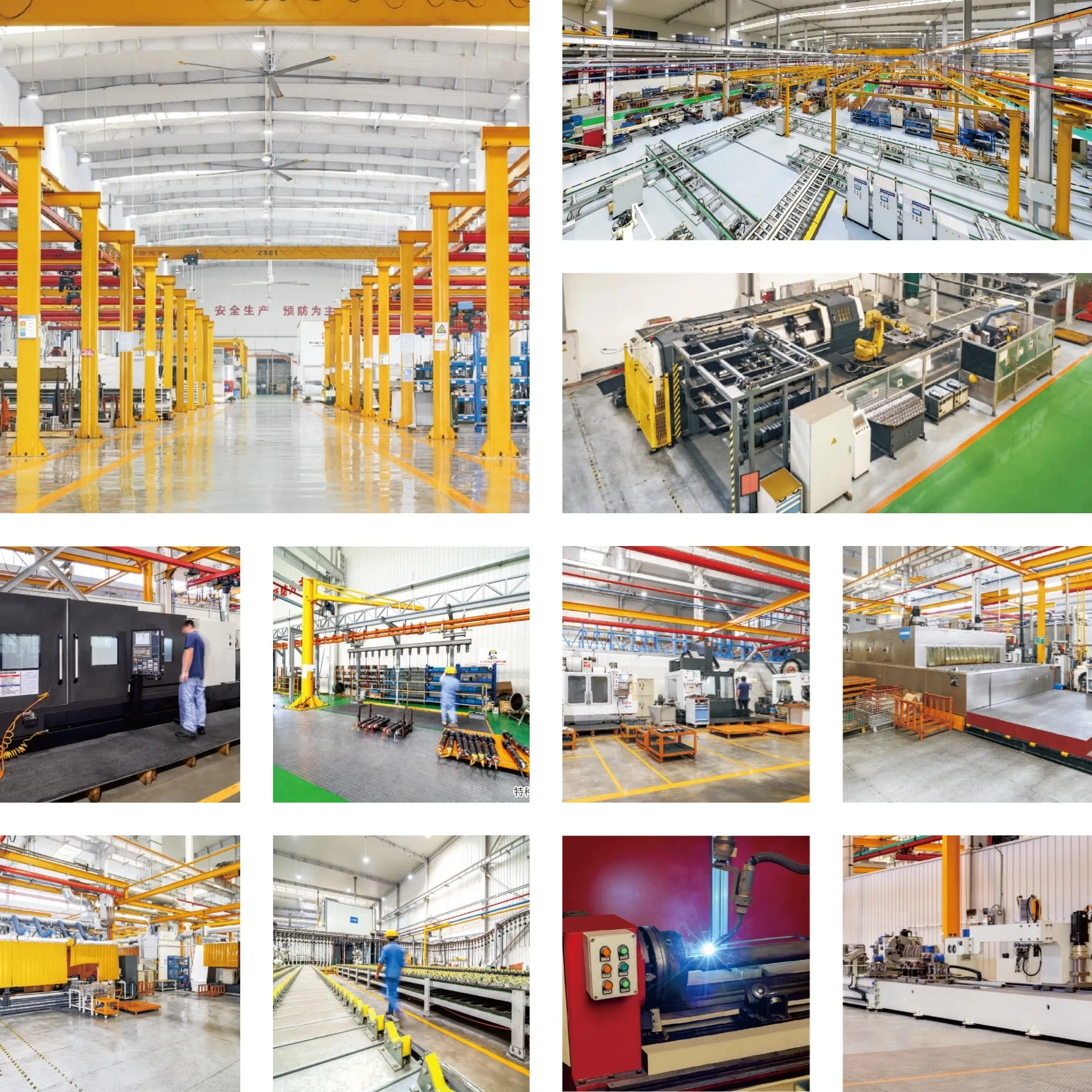
We are a manufacturer of replacement hydraulic cylinders, offering a wide range of products. As one of the leading manufacturers and wholesale distributors of hydraulic cylinders in the domestic and international markets, we provide comprehensive solutions for various industries.
Our company prides itself on:
- Experiencia en el campo
- Certificaciones internacionales
- Servicios de personalización
- Equipos de producción de última generación
- Excelente servicio postventa
Autor: lyl


 ES
ES  EN
EN  PT
PT  DE
DE  FR
FR  IT
IT  AR
AR  ZH
ZH  RU
RU  KO
KO  KA
KA  BG
BG  CS
CS  DA
DA  EL
EL  ET
ET  FI
FI  HU
HU  ID
ID  LT
LT  LV
LV  NB
NB  NL
NL  PL
PL  RO
RO  SK
SK  SL
SL  SV
SV  TR
TR  UK
UK