
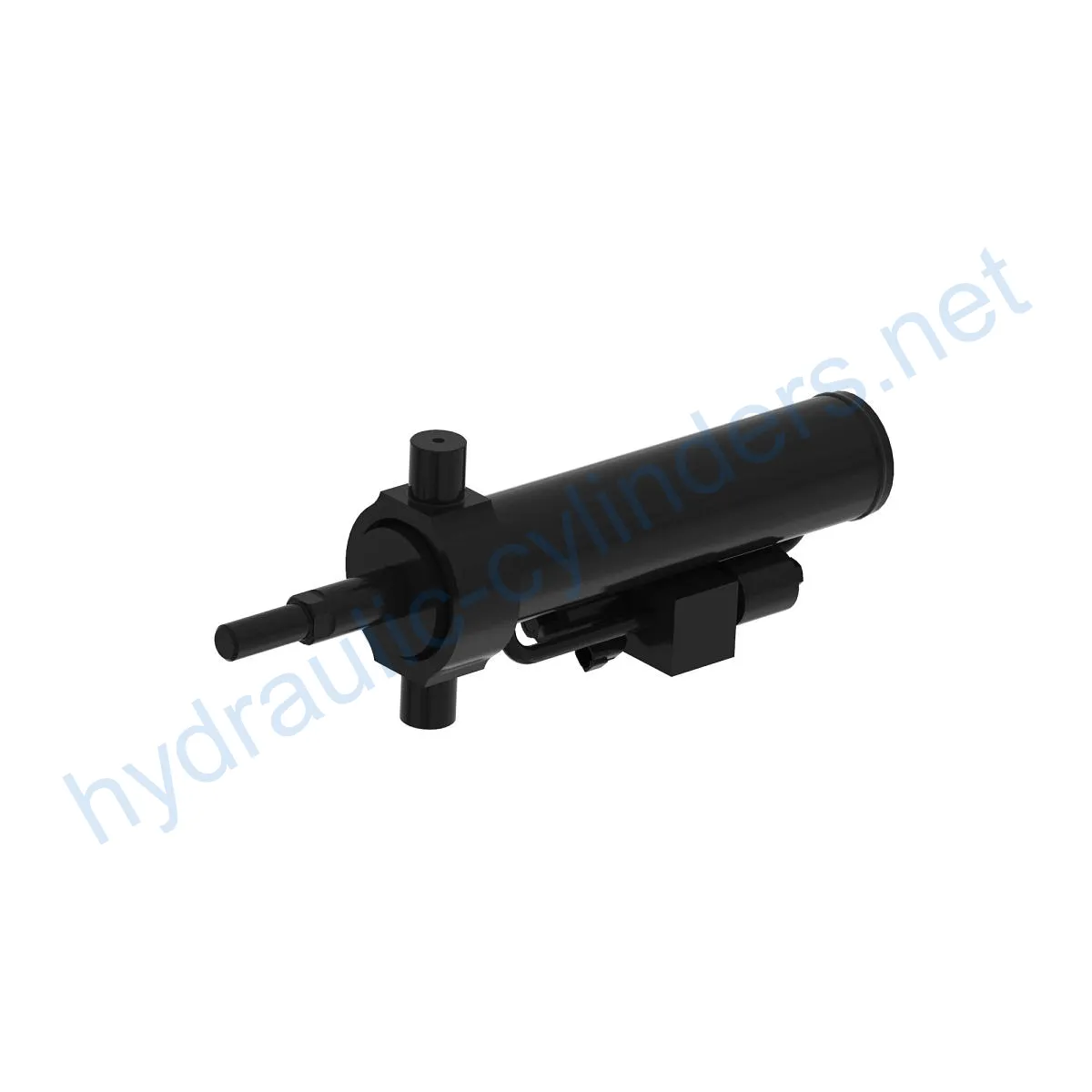
Replacement Of AKK36336 Steering Hydraulic Cylinder
Replacement Of AKK36336 Steering Hydraulic Cylinder
Definición del producto
The Replacement Of AKK36336 Steering Hydraulic Cylinder is a crucial component in hydraulic systems that helps control steering movements. It plays a vital role in ensuring smooth and precise steering operations, improving overall vehicle performance.
Presupuesto
- Weight: 41.286 lb
- Altura: 5 pulgadas
- Ancho: 8,5 pulgadas
- Longitud: 22,5 pulgadas
Modelo
This hydraulic cylinder is compatible with various models.
Características del producto
- Enhanced Equipment Performance: Replacing damaged or worn hydraulic cylinders can restore the normal operational capability of the equipment, ensuring optimal performance in various applications.
- Mayor seguridad: Reemplazar periódicamente los cilindros hidráulicos puede reducir los riesgos de seguridad causados por fallas en los cilindros, lo que garantiza la seguridad de los operadores y el equipo.
- Protección contra sobrecargas: Los nuevos diseños de cilindros suelen incorporar mejores mecanismos de protección contra sobrecargas, lo que mejora la seguridad.
- Instalación rápida: Los cilindros hidráulicos modernos están diseñados para una fácil instalación y reemplazo, minimizando el tiempo de inactividad.
- Componentes estandarizados: Muchos cilindros hidráulicos son productos estandarizados, lo que facilita la obtención de piezas de repuesto en el mercado.
Aplicaciones
- Excavadoras: Los cilindros hidráulicos de los brazos o cucharones de las excavadoras pueden dañarse debido al uso prolongado o a la sobrecarga, lo que requiere su sustitución para un funcionamiento normal.
- Cranes: Hydraulic cylinders in crane booms can wear out due to frequent lifting and lowering, necessitating regular replacement for safety purposes.
- Tractors: Hydraulic cylinders in front-end loaders of tractors may experience leaks or decreased performance during constant lifting and tilting operations, requiring replacement.
- Harvesters: Hydraulic systems in harvesters undergo high-pressure conditions, leading to cylinder fatigue. Timely replacement is necessary to maintain work efficiency.
- Automated Production Lines: Hydraulic cylinders are used to control robotic arms and other automated equipment. Cylinder failure can hamper production efficiency, requiring immediate replacement.
- Die-casting Machines: Hydraulic cylinders in die-casting machines may experience performance degradation under high-pressure and high-temperature conditions. Regular replacement ensures product quality.
- Mining Equipment: Hydraulic cylinders are used in mining equipment for lifting and moving heavy loads. Due to harsh working environments, regular inspection and replacement are necessary to prevent equipment failure.
- Bulldozers: Hydraulic cylinder wear on bulldozer blades can lead to decreased pushing capability, necessitating timely replacement to maintain operational efficiency.
Tareas de mantenimiento
- Regular Inspections: It is important to conduct regular inspections to identify any potential issues or wear in the hydraulic cylinder.
- Proper Lubrication: Adequate lubrication is crucial to ensure smooth operation and prevent premature wear of the cylinder components.
- Seal Replacement: Regularly replacing seals helps maintain the cylinder’s integrity and prevent leaks.
- Calibration Checks: Periodically checking and calibrating the cylinder’s settings ensures accurate steering control.
Consideraciones de seguridad y factores ambientales
When using hydraulic cylinders, it is important to follow safety measures to prevent accidents and injuries. Proper handling, maintenance, and disposal of hydraulic fluids are essential to minimize environmental impact.
Diagnóstico de fallas y problemas comunes
Common issues that may arise with hydraulic cylinders include leaks, insufficient pressure, and erratic movements. These problems can be diagnosed by inspecting the cylinder, seals, and fluid levels.
Solución de problemas y medidas preventivas
Para diagnosticar y resolver problemas de manera efectiva, siga estos consejos:
- Identify the root cause of the issue by observing cylinder behavior and conducting appropriate tests.
- Consulte las instrucciones del fabricante para solucionar problemas específicos.
- Implement preventive measures, such as regular maintenance, to minimize potential issues.
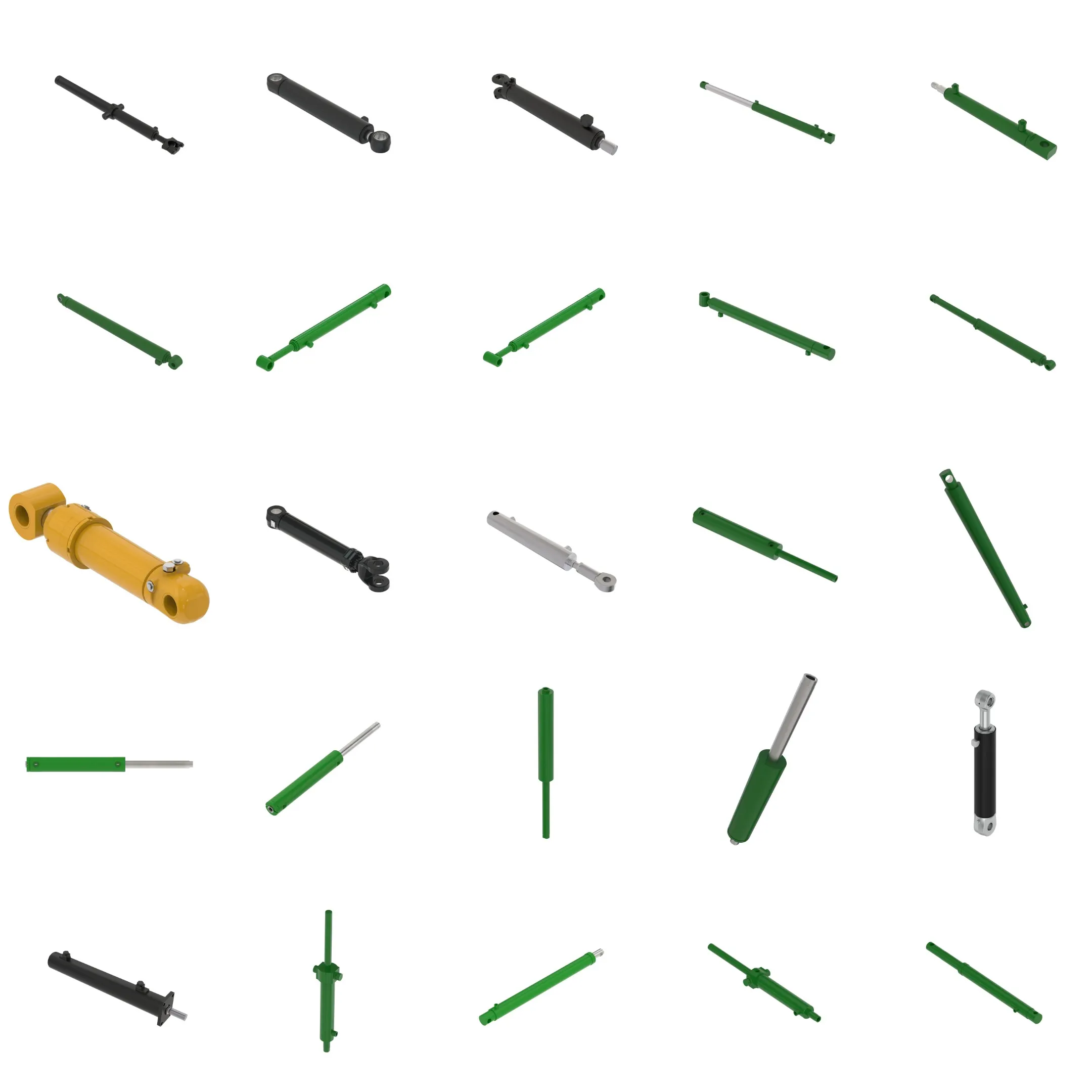
Consideraciones de diseño y criterios de selección
When selecting a hydraulic cylinder, consider its load-bearing capacity, sealing capability, durability, safety features, and ease of maintenance. These factors ensure optimal performance and longevity.
Sellado y lubricación
Hydraulic cylinders utilize various seals, such as piston seals and rod seals, made of wear-resistant materials like polyurethane and nitrile rubber. The cylinder body and threaded ends undergo fine surface treatment to enhance wear resistance. Regular lubrication with the appropriate hydraulic oil is necessary to ensure smooth operation.
Inspección regular y mantenimiento preventivo
Regular inspections, proper installation, lubrication, and adjustment are crucial for maintaining hydraulic cylinder performance. Providing guidance on aligning the cylinder correctly during installation and recommending the use of suitable mounting brackets to secure the cylinder can extend its lifespan. Recommended inspection, repair, and replacement procedures, as well as parts replacement and rebuilding services, enhance the longevity of the hydraulic cylinder.
Consideraciones de seguridad y factores ambientales
When working with hydraulic cylinders, it is essential to prioritize safety precautions and consider environmental factors. Proper safety measures must be followed during cylinder use, and the importance of using appropriate safety equipment should be emphasized.
Diagnóstico de fallas y problemas comunes
Common issues with hydraulic cylinders include leaks, reduced pressure, and erratic movements. Troubleshooting tips and solutions help readers diagnose and resolve problems effectively. Additionally, preventive measures can minimize potential issues and ensure optimal performance.
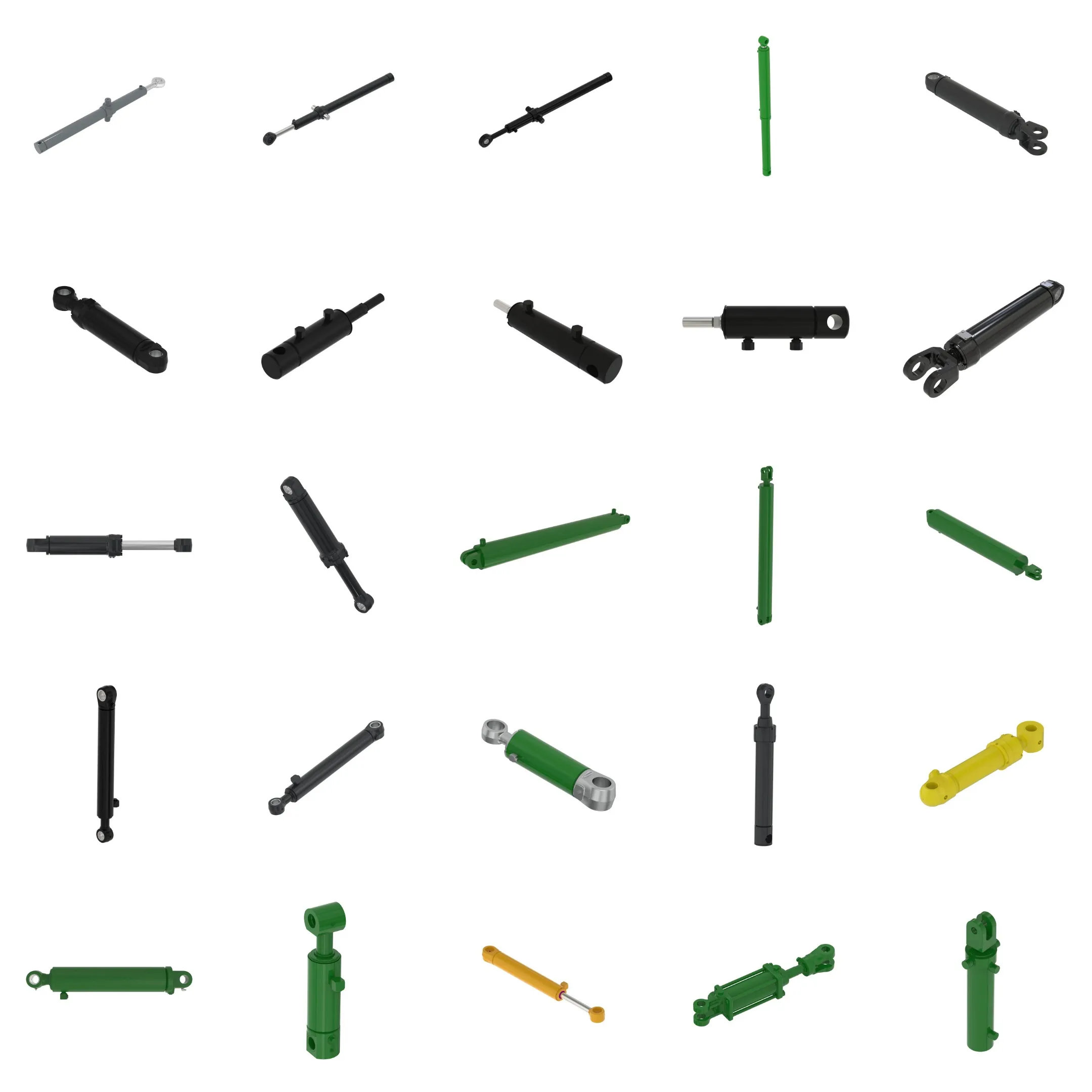
Guía de instalación del producto
Proper installation is crucial for the hydraulic cylinder’s optimal performance. Detailed installation instructions should be followed, including aligning the cylinder correctly and using suitable installation brackets to secure it.
Tareas de mantenimiento
- Regular Inspections: Conducting periodic inspections allows for the early detection of any issues or wear in the hydraulic cylinder.
- Proper Lubrication: Adequate lubrication helps maintain smooth operation and prolong the lifespan of the cylinder.
- Seal Replacement: Regularly replacing seals ensures the integrity of the cylinder and prevents leaks.
- Calibration Checks: Periodic calibration checks help maintain accurate steering control.
Introducción de la empresa
We are a leading manufacturer and wholesaler of replacement hydraulic cylinders, offering a comprehensive range of products in both domestic and international markets. Our



 ES
ES  EN
EN  PT
PT  DE
DE  FR
FR  IT
IT  AR
AR  ZH
ZH  RU
RU  KO
KO  KA
KA  BG
BG  CS
CS  DA
DA  EL
EL  ET
ET  FI
FI  HU
HU  ID
ID  LT
LT  LV
LV  NB
NB  NL
NL  PL
PL  RO
RO  SK
SK  SL
SL  SV
SV  TR
TR  UK
UK