
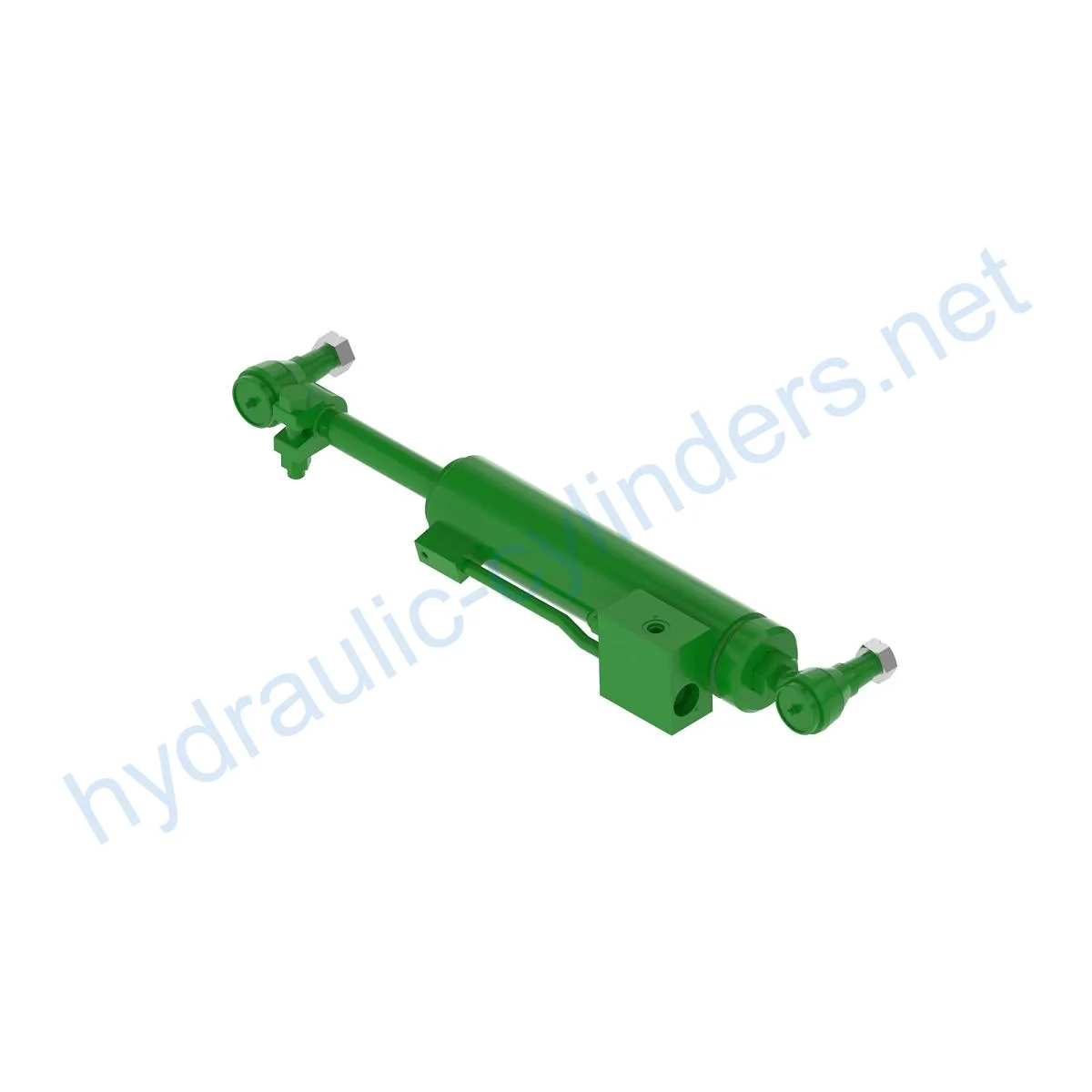
Replacement Of AN302049 Steering Hydraulic Cylinder, LH
Replacement Of AN302049 Steering Hydraulic Cylinder, LH
Introducción
The Replacement Of AN302049 Steering Hydraulic Cylinder, LH is a hydraulic cylinder designed to replace the original cylinder in compatible machinery models 4920 and 4930. It is a crucial component that plays a key role in the steering system of these machines, allowing for precise control and maneuverability.
Presupuesto
- Weight: 34.04 lb
- Altura: 4 pulgadas
- Ancho: 7 pulgadas
- Length: 23.75 in
Características
- Mejora del rendimiento del equipo: La sustitución de los cilindros hidráulicos dañados o desgastados puede restablecer la capacidad de funcionamiento normal del equipo, garantizando su rendimiento en diversas aplicaciones.
- Mayor seguridad: Reemplazar periódicamente los cilindros hidráulicos puede reducir los riesgos de seguridad causados por fallas en los cilindros, lo que garantiza la seguridad de los operadores y el equipo.
- Protección contra sobrecargas: Los nuevos diseños de cilindros suelen incorporar mejores mecanismos de protección contra sobrecargas, lo que mejora la seguridad.
- Instalación rápida: Los cilindros hidráulicos modernos están diseñados para una fácil instalación y reemplazo, minimizando el tiempo de inactividad.
- Componentes estandarizados: Muchos cilindros hidráulicos son productos estandarizados, lo que facilita la obtención de piezas de repuesto en el mercado.
Aplicaciones
- Excavadoras: Los cilindros hidráulicos de los brazos o cucharones de las excavadoras pueden dañarse debido al uso prolongado o a la sobrecarga, lo que requiere su sustitución para restablecer el funcionamiento normal.
- Cranes: Hydraulic cylinders in crane boom arms are susceptible to wear and tear from frequent lifting and lowering, necessitating regular replacement for safety.
- Tractors: Hydraulic cylinders in front-end loader attachments of tractors may experience leaks or decreased performance during continuous lifting and tilting operations, requiring replacement.
- Harvesters: The hydraulic system endures high pressure during the harvesting process, and cylinders may get damaged due to fatigue, requiring timely replacement to maintain efficiency.
- Líneas de producción automatizadas: Los cilindros hidráulicos se utilizan para controlar brazos robóticos y otros equipos automatizados. Una falla en un cilindro puede afectar significativamente la eficiencia de la producción y debe reemplazarse de inmediato.
- Die Casting Machines: Hydraulic cylinders in die casting machines may experience decreased performance under high pressure and temperature environments. Regular replacement ensures product quality.
- Equipos de minería: Los cilindros hidráulicos se utilizan para levantar y mover cargas pesadas en los equipos de minería. Debido a las duras condiciones de trabajo, es necesario realizar inspecciones y reemplazos periódicos para evitar fallas en los equipos.
- Bulldozers: Wear of hydraulic cylinders in bulldozer blades can lead to a decrease in pushing power, requiring timely replacement to maintain operational efficiency.
Tareas de mantenimiento
- Regular Inspection: Perform routine checks to identify any signs of wear or damage in the hydraulic cylinder.
- Proper Lubrication: Ensure appropriate lubrication of the cylinder to reduce friction and prolong its lifespan.
- Seal Replacement and Calibration Checks: Regularly replace worn seals and perform calibration checks to maintain optimal performance.
Consideraciones de seguridad y factores ambientales
When using hydraulic cylinders, it is important to follow safety measures to prevent accidents and ensure the well-being of operators and equipment. Proper handling and maintenance of cylinders can also minimize environmental impact.
Solución de problemas y problemas comunes
- Loss of Hydraulic Pressure: If the cylinder fails to exert sufficient force, it may indicate a loss of hydraulic pressure. Check for leaks or blockages in the hydraulic system.
- Slow or Jerky Cylinder Movement: This issue can be caused by insufficient lubrication or worn seals. Ensure proper lubrication and replace worn seals as needed.
- Excessive Noise or Vibration: Unusual noise or vibration during cylinder operation may indicate a mechanical problem. Inspect the cylinder for misalignment or damaged components.
- Leaking Fluid: Fluid leaks can result from damaged seals or connections. Identify the source of the leak and replace the faulty parts.
Medidas preventivas y consejos para la solución de problemas
To effectively diagnose and solve problems related to hydraulic cylinders, consider the following tips:
- Regularly inspect and maintain the hydraulic cylinder to identify potential issues before they escalate.
- Follow recommended installation, lubrication, and adjustment procedures to ensure proper functioning.
- Provide guidance on aligning the cylinder correctly during installation and recommend the use of appropriate installation brackets for stability.
- Offer inspection, repair, and replacement services to prolong the lifespan of the hydraulic cylinder.
- Share techniques to improve the durability of the cylinder and maximize its usage.
Consideraciones de diseño y criterios de selección
When choosing a hydraulic cylinder, various factors should be considered, such as load-bearing capacity, sealing capabilities, durability, safety features, and ease of maintenance. Each aspect plays a crucial role in ensuring optimal performance and longevity.
Sellado y lubricación
Hydraulic cylinders are equipped with various seals, such as piston seals and rod seals, made from wear-resistant materials like polyurethane and nitrile rubber. The cylinder body and threaded ends undergo precise surface treatments to enhance wear resistance. Regular lubrication with the appropriate hydraulic oil is essential for smooth operation and longevity.
Inspección regular y mantenimiento preventivo
- Proper installation, lubrication, and adjustment are vital for the optimal performance of hydraulic cylinders.
- During installation, provide guidance on aligning the cylinder correctly and recommend the use of suitable installation brackets to secure the cylinder.
- Recommend inspection, repair, and replacement procedures to ensure the longevity of the hydraulic cylinder.
- Offer tips and techniques to increase the lifespan of the cylinder and minimize potential issues.
Guía de instalación
Follow these steps for a correct installation of the Replacement Of AN302049 Steering Hydraulic Cylinder, LH:
- Prepare el área de montaje y asegúrese de que esté limpia y libre de residuos.
- Align the cylinder with the mounting holes and attach it securely using appropriate bolts and fasteners.
- Ensure the cylinder is properly aligned and positioned for optimal performance.
- Connect the hydraulic hoses or lines to the cylinder, following the manufacturer’s guidelines for proper connections.
- Test the cylinder for proper operation and make any necessary adjustments.



 ES
ES  EN
EN  PT
PT  DE
DE  FR
FR  IT
IT  AR
AR  ZH
ZH  RU
RU  KO
KO  KA
KA  BG
BG  CS
CS  DA
DA  EL
EL  ET
ET  FI
FI  HU
HU  ID
ID  LT
LT  LV
LV  NB
NB  NL
NL  PL
PL  RO
RO  SK
SK  SL
SL  SV
SV  TR
TR  UK
UK