
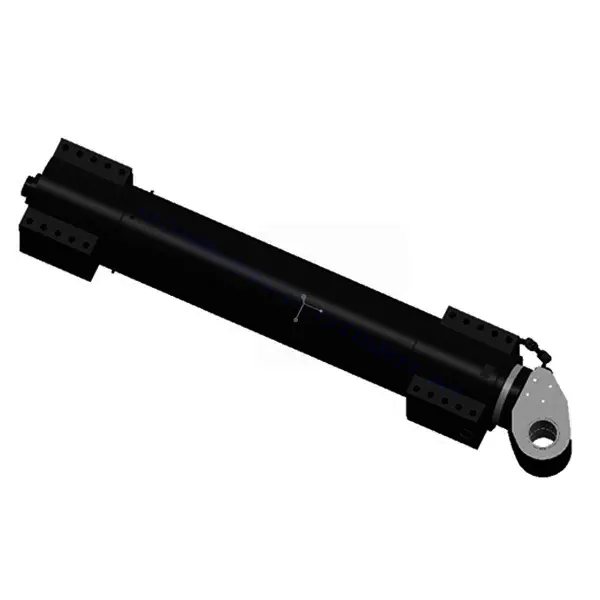
Cilindro de elevación del conjunto de la máquina de protección
Como cilindros hidráulicos uno de los fabricantes, los surtidores y los exportadores de productos mecánicos, ofrecemos cilindros hidráulicos y muchos otros productos.
Póngase en contacto con nosotros para más información.
Correo:sales@hydraulic-cylinders.net
Fabricante proveedor exportador de cilindros hidráulicos.
Cilindro de elevación del conjunto de la máquina de protección
The shield machine assembly lifting cylinder is an advanced hydraulic component explicitly designed for shield machines used in tunnel construction projects. This cylinder ensures efficient and accurate assembly operations with its exceptional lifting capabilities, reliability, and precision. This article will explore the key characteristics, usage methods, and maintenance guidelines for this remarkable product.
The shield machine assembly lifting cylinder is a reliable and robust hydraulic component that revolutionizes the assembly process in tunnel construction. With its exceptional lifting capacity, precise control, and durability, this cylinder enhances efficiency and accuracy, reducing project timelines and improving productivity. Following the recommended usage methods and adhering to regular maintenance practices, the shield machine assembly lifting cylinder will continue to deliver outstanding performance, ensuring seamless assembly operations and successful tunnel construction endeavors. Elevate your construction projects with the efficiency and precision of the shield machine assembly lifting cylinder.
Shield Machine Articulated Cylinder Key Characteristics:
- Powerful Lifting Capacity: The shield machine assembly lifting cylinder boasts a robust design that enables it to handle heavy loads easily. With its high lifting capacity, this cylinder facilitates the smooth and efficient assembly of shield machine components, reducing construction time and enhancing productivity.
- Precise Control: Equipped with advanced hydraulic control systems, this cylinder provides precise and responsive control over the lifting operation. Operators can adjust the lifting speed and position accurately, ensuring optimal alignment and minimizing the risk of errors during the assembly process.
- Durability and Reliability: Constructed with high-quality materials and built to withstand the demanding conditions encountered in tunnel construction, the shield machine assembly lifting cylinder exhibits exceptional durability and reliability. Its rugged construction ensures long-lasting performance, minimizing downtime and maintenance costs.
- Safety Features: The cylinder incorporates safety features that prioritize the well-being of operators and the surrounding environment. These features may include overload protection mechanisms, emergency stop functionality, and fail-safe systems to prevent accidents and ensure safe lifting operations.
Shield Machine Articulated Cylinder Parameter:
| Nombre del producto | Cilindro articulado de la máquina de escudo |
| Características: | Active articulation: cutter head steering/coordinated tool change Passive articulation: drag the tail of the shield forward |
| Diámetro del orificio: | 125mm~550mm |
| Diámetro de la varilla: | 70mm~370mm Stroke140mm~1200mm |
| Presión: | Up to 35MPa |
| Aplicaciones: | Máquina de escudo, maquinaria perforadora de túneles |
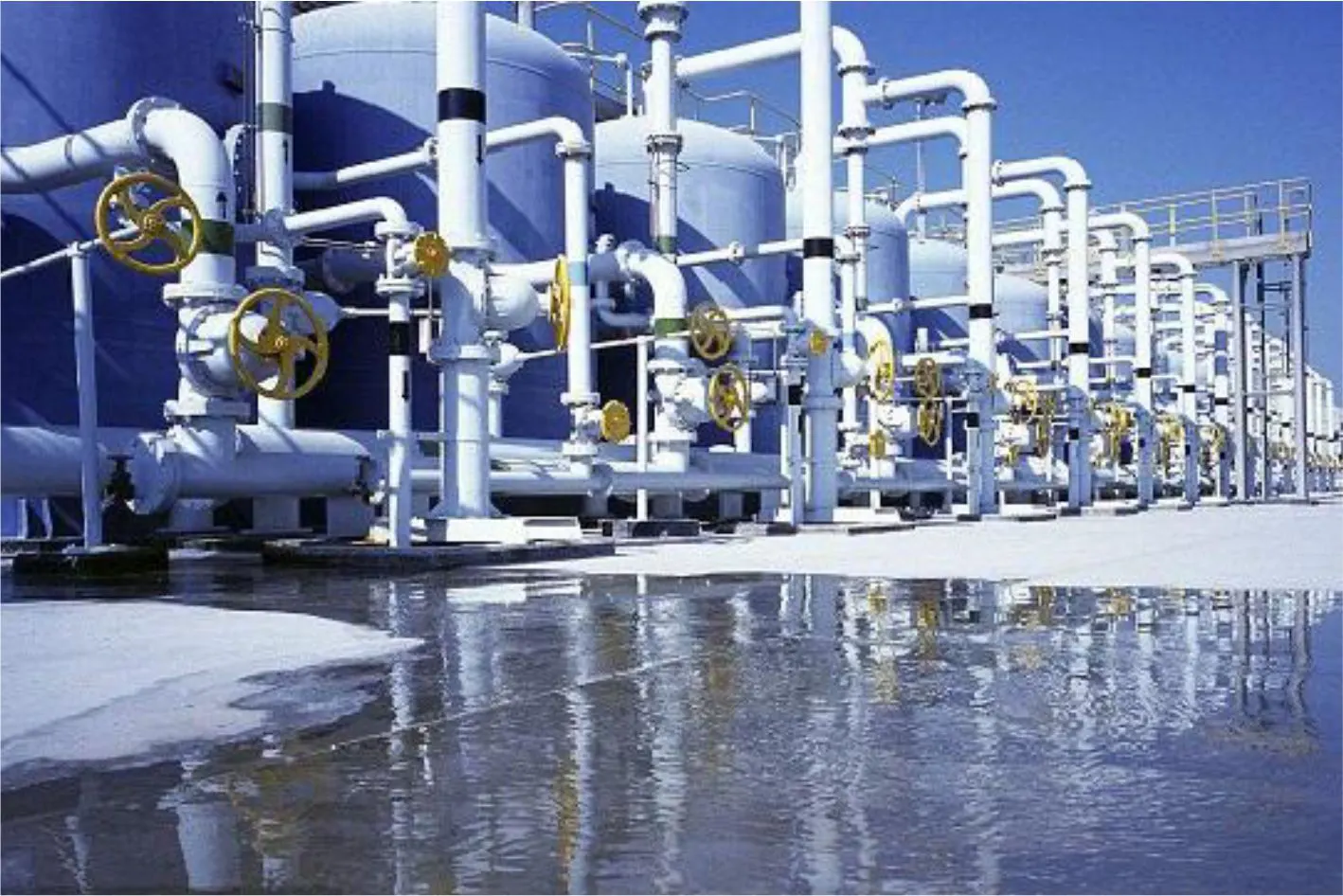
Shield Machine Thrust Cylinder Application:
Usage Method Of Shield Machine Articulated Cylinder:
- Pre-Assembly Planning: Before commencing the assembly process, conduct a thorough assessment of the shield machine components, assembly sequence, and safety requirements. Plan the lifting points and determine the appropriate positioning of the Shield Machine Assembly Lifting Cylinder for optimal lifting efficiency and stability.
- Instalación del cilindro: Safely mount the shield machine assembly lifting cylinder onto the shield machine, ensuring secure attachment and alignment to the manufacturer’s instructions. Use suitable mounting equipment, such as bolts or brackets, to provide a stable connection.
- Integración de sistemas hidráulicos: Connect the cylinder to the shield machine’s hydraulic system using compatible hoses and fittings. Ensure tight and leak-free connections to prevent hydraulic fluid leakage and maintain optimal system performance.
- Control operacional: Familiarize yourself with the control mechanisms and operating procedures for the Shield Machine Assembly Lifting Cylinder. Understand the control inputs and their corresponding effects on the lifting operation. Practice operating the controls to gain proficiency and ensure smooth and precise lifting during the assembly process.
How To Bleed A Single Acting Hydraulic Cylinder?
Bleeding a single-acting hydraulic cylinder is a relatively straightforward process. Single-acting cylinders have fluid pressure applied to one side of the piston, while the other side relies on gravity or an external force to return to its original position. Here’s a step-by-step guide on how to bleed a single-acting hydraulic cylinder:
- Preparación:
- Asegúrese de que el sistema hidráulico esté apagado y la presión liberada.
- Put on personal protective equipment, gloves, and safety glasses to protect yourself from hydraulic fluid.
- Identifique la válvula de purga:
- Locate the bleeder valve on the hydraulic cylinder. It’s typically a tiny fitting with a dust cap. The bleeder valve allows air trapped in the cylinder to escape.
- Posicione el cilindro:
- Move the cylinder to its fully retracted position. This ensures that the bleeder valve is accessible and allows air to rise to the top of the cylinder.
- Retire la tapa antipolvo:
- Retire la tapa antipolvo de la válvula de purga. Guárdela en un lugar seguro.
- Abra la válvula de purga:
- Utilizando una llave o herramienta adecuada, gire la válvula de purga en sentido contrario a las agujas del reloj para abrirla. Esto permite que el aire y cualquier fluido atrapado escapen del cilindro.
- Extender el cilindro:
- Apply hydraulic pressure to the cylinder by activating the hydraulic pump or valve controlling the cylinder. This causes the cylinder to extend, pushing fluid and air out through the open bleeder valve.
- Observar el flujo del fluido:
- Watch the flow of fluid from the bleeder valve. Initially, you may notice air bubbles coming out along with the juice. Allow the liquid to flow until there are no more bubbles, indicating that the air has been purged from the cylinder.
- Cierre la válvula de purga:
- Close the bleeder valve clockwise once you’ve eliminated all the air bubbles. Ensure it is tightly closed to prevent fluid leakage.
- Retraer el cilindro:
- Release hydraulic pressure and allow the cylinder to retract fully. This may involve activating a control valve or releasing any external force holding the cylinder extended.
- Repita si es necesario:
- If you still notice air bubbles or experience sponginess in the cylinder’s operation, repeat the bleeding process until all air is removed.
- Comprobar el nivel del líquido:
- Tras purgar el cilindro, compruebe el nivel del líquido hidráulico en el depósito del sistema. Añada líquido si es necesario para mantener el nivel recomendado.
Capacidad de la fábrica:
(1) Montaje
Contamos con una plataforma de ensamblaje independiente de primera clase para investigación y desarrollo. El taller de producción de cilindros hidráulicos cuenta con cuatro líneas de ensamblaje de cilindros de elevación semiautomáticos y una línea de ensamblaje de cilindros de inclinación automáticos, con una capacidad de producción anual diseñada de 1 millón de piezas. El taller de cilindros especiales está equipado con un sistema de ensamblaje de limpieza semiautomático de diversas especificaciones, con una capacidad de producción anual diseñada de 200,000 unidades, y está equipado con reconocidos equipos de mecanizado CNC, un centro de mecanizado, equipos especiales de procesamiento de cilindros de alta precisión, una máquina de soldadura robotizada, una máquina de limpieza automática, una máquina de ensamblaje de cilindros automáticos y una línea de producción de pintura automática. Contamos con más de 300 equipos críticos. La asignación óptima y el uso eficiente de los recursos de equipo garantizan la precisión y la alta calidad de los productos.


(2) Mecanizado
El taller de mecanizado está equipado con un centro de torneado de carril inclinado personalizado, un centro de mecanizado, una máquina de bruñido de alta velocidad, un robot de soldadura y otros equipos relacionados, que pueden procesar tubos cilíndricos con un diámetro interior máximo de 400 mm y una longitud máxima de 6 metros.

(3) Soldadura

(4) Pintura y revestimiento
Con pequeñas y medianas líneas de cilindros automáticos de recubrimiento de pintura a base de agua, para lograr la carga y descarga automática de robots y pulverización automática, la capacidad de diseño de 4000 piezas por turno;
También disponemos de una línea semiautomática de producción de pintura para grandes cilindros accionada por cadena, con una capacidad de diseño de 60 cajas por turno.


(5) Pruebas
Disponemos de instalaciones de inspección y bancos de pruebas de primera clase para garantizar que el rendimiento del cilindro cumple los requisitos.

Somos uno de los mejores fabricantes de cilindros hidráulicos. Ofrecemos cilindros hidráulicos integrales. También proporcionamos... cajas de cambios agrícolasHemos exportado nuestros productos a clientes de todo el mundo y nos hemos ganado una excelente reputación gracias a nuestra excelente calidad y servicio posventa. Invitamos a clientes nacionales e internacionales a contactarnos para negociar negocios, intercambiar información y... colabore con nosotros!
Cilindro hidráulico Aplicación:

 ES
ES  EN
EN  PT
PT  DE
DE  FR
FR  IT
IT  AR
AR  ZH
ZH  RU
RU  KO
KO  KA
KA  BG
BG  CS
CS  DA
DA  EL
EL  ET
ET  FI
FI  HU
HU  ID
ID  LT
LT  LV
LV  NB
NB  NL
NL  PL
PL  RO
RO  SK
SK  SL
SL  SV
SV  TR
TR  UK
UK