
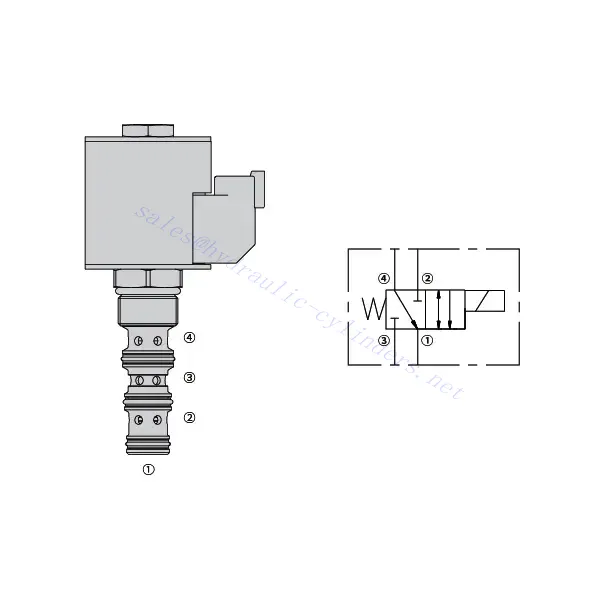
30SD10-43 Solenoid Directional Valve
30SD10-43 Solenoid Directional Valve
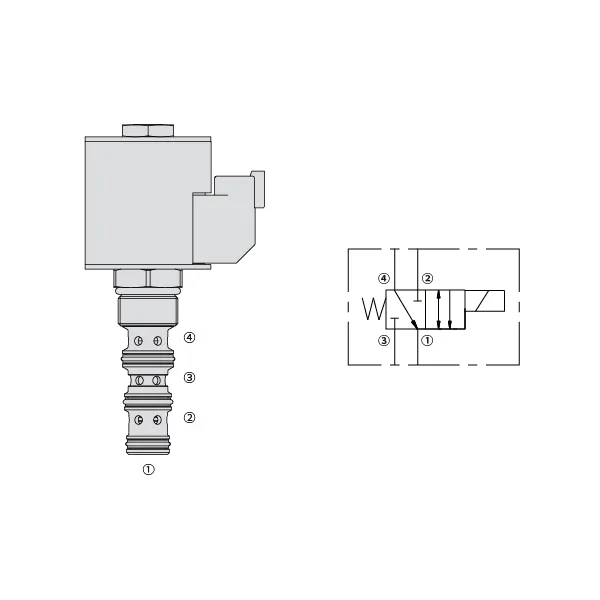
The 30SD10-43 solenoid directional valve is a cutting-edge hydraulic component that offers unmatched efficiency and control in various applications. Designed with precision engineering and advanced technology, this valve ensures seamless directional control of hydraulic fluid, allowing for precise and reliable operation in various industries. The 30SD10-43 solenoid directional valve is a trusted solution for optimizing hydraulic systems, from industrial machinery to mobile equipment.
The 30SD10-42 solenoid directional valve is a game-changer for hydraulic systems, providing unparalleled efficiency, control, and reliability. By following the proper usage and maintenance guidelines, you can optimize the performance and longevity of this valve. Invest in the 30SD10-42 solenoid directional valve today and experience the benefits of enhanced precision and efficiency in your hydraulic systems.
30SD10-43 Solenoid Directional Valve Characteristics:
- Durable Construction: The 30SD10-43 solenoid directional valve is built to withstand demanding environments. Constructed from high-quality materials, it offers exceptional durability and longevity, ensuring reliable performance even in harsh conditions.
- High Flow Capacity: This valve boasts a high flow capacity, allowing for efficient and rapid movement of hydraulic fluid. It enables quick response times and enhances the overall productivity of hydraulic systems.
- Easy Installation: The 30SD10-43 solenoid directional valve is designed for easy installation. It features standardized connections and mounting options, making integrating your hydraulic system hassle-free.
- Versatile Applications: This valve is suitable for various applications across various industries. Whether in manufacturing, construction, or agriculture, the 30SD10-43 solenoid directional valve can be tailored to your specific hydraulic control needs.
30SD10-43 Solenoid Directional Valve Parameter:
| Presión nominal | 207 bar (3000 psi) | |
| Flujo máximo | 23 L/min (6 galones por minuto) | |
| Líquido | De base mineral o sintética con propiedades lubricantes | |
| Rango de temperatura del fluido ℃ | -54 a 107 ℃ (Sellos de poliuretano) | |
| -40 a 100 ℃ (sellos Buna N) | ||
| -26 a 204 ℃ (sellos de fluorocarbono) | ||
| Rango de viscosidad | 7,4 a 420 mm2/s | |
| Grado de contaminación | El nivel mínimo de contaminación es el nivel 20/18/14 de la norma ISO 4406, y se recomienda el nivel 17/15/13 para prolongar la vida útil. | |
| Fuga interna | ≤ 82 mL/min@207bar | |
| Cavidad | VC10-4 | |
| Clasificación de servicio de la bobina | Continua desde 85% hasta 115% de tensión nominal | |
| Consumo de corriente inicial de la bobina a 20 ℃ | Bobina electrónica | 1,7 A a 12 V CC; 0,85 A a 24 V CC |
| Bobina D | 1,67 A a 12 V CC; 0,83 A a 24 V CC | |
| Tensión mínima de entrada | 85% de potencia nominal a 207 bar | |
30SD10-43 Solenoid Directional Valve Advantages:
• Bobina con clasificación de servicio continuo
• Los cartuchos son intercambiables en voltaje.
• Bobinas E impermeables opcionales con clasificación hasta IP69K
• Construcción eficiente de armadura húmeda
• Cavidad común en la industria
• Piezas endurecidas para una larga vida útil
Maintenance Of 30SD10-43 Solenoid Directional Valve:
Regular maintenance is essential to ensure optimal performance and longevity of your 30SD10-43 Solenoid Directional Valve. Follow these maintenance guidelines:
- Regular Inspection: Periodically inspect the valve for any signs of leaks, damage, or wear. Check all connections, seals, and fittings for tightness and integrity. Replace any worn-out or damaged components promptly.
- Lubrication: Apply a suitable lubricant to the valve’s moving parts to reduce friction and ensure smooth operation. Follow the manufacturer’s recommendations for the correct lubricant type and application frequency.
- Cleaning: Clean the valve and surrounding area from dirt, debris, and contaminants. Regularly wipe down the valve with a soft cloth and use a suitable cleaning agent to remove any buildup that may hinder its operation.
- System Flushing: If you notice any contaminants or particles in the hydraulic fluid, consider flushing the system to prevent damage to the valve and other components. Consult the manufacturer’s guidelines or seek professional assistance for proper flushing procedures.
How To Identify Shower Valve Cartridge?
Identifying a shower valve cartridge is crucial when troubleshooting or replacing a faulty cartridge in your shower system. Here are the steps to help you identify the shower valve cartridge:
- Turn off the Water: Before starting any work on your shower, make sure to turn off the water supply. Locate the shut-off valve near the shower or in the main water supply line of your house and close it to stop the water flow.
- Remove the Handle: Depending on the type of shower faucet you have, the handle removal method may vary. Most shower handles have a small screw or setscrew that holds the handle in place. Look for a cap or cover on the handle and use a flathead screwdriver or Allen wrench to remove it. Once the screw or setscrew is exposed, unscrew or loosen it and gently pull off the handle.
- Remove the Trim Plate: After removing the handle, you’ll find a trim plate or escutcheon surrounding the valve. This plate is usually secured with screws or is a threaded piece that can be unscrewed. Use a screwdriver or pliers to remove the screws or twist the trim plate counterclockwise to remove it.
- Identify the Cartridge: With the trim plate removed, you will now have access to the cartridge. The cartridge is a cylindrical component that controls the flow and temperature of the water. Different shower valve cartridges have distinct characteristics that can help with identification.
- Check for Manufacturer’s Markings: Look for any markings or labels on the cartridge. Manufacturers often imprint their logo, part number, or other identifying information on the cartridge body.
- Note the Shape and Size: Observe the shape and size of the cartridge. Cartridges can vary in shape, such as round, cylindrical, or square, and in size, ranging from small to large.
- Count the Number of O-Rings: Count the number of rubber o-rings present on the cartridge. Some cartridges have one o-ring, while others may have two or more.
- Take Photos or Measurements: If possible, take clear photos of the cartridge from different angles or use a measuring tape to record its dimensions. These details can be helpful when seeking a replacement cartridge.
- Consult Manufacturer Documentation: If you have the original documentation or instruction manual for your shower valve, check if it includes information about the cartridge type or model. The manufacturer’s website may also have resources or guides to assist in identifying cartridges based on their features.
- Seek Professional Assistance: If you’re unable to identify the cartridge or require further guidance, consider reaching out to a plumbing professional or contacting the shower valve manufacturer’s customer support. They can provide expert advice and help you find the right replacement cartridge.
Capacidad de la fábrica:
(1) Montaje
Contamos con una plataforma de ensamblaje independiente de primera clase para investigación y desarrollo. El taller de producción de cilindros hidráulicos cuenta con cuatro líneas de ensamblaje de cilindros de elevación semiautomáticos y una línea de ensamblaje de cilindros de inclinación automáticos, con una capacidad de producción anual diseñada de 1 millón de piezas. El taller de cilindros especiales está equipado con un sistema de ensamblaje de limpieza semiautomático de diversas especificaciones, con una capacidad de producción anual diseñada de 200,000 unidades, y está equipado con reconocidos equipos de mecanizado CNC, un centro de mecanizado, equipos especiales de procesamiento de cilindros de alta precisión, una máquina de soldadura robotizada, una máquina de limpieza automática, una máquina de ensamblaje de cilindros automáticos y una línea de producción de pintura automática. Contamos con más de 300 equipos críticos. La asignación óptima y el uso eficiente de los recursos de equipo garantizan la precisión y la alta calidad de los productos.


(2) Mecanizado
El taller de mecanizado está equipado con un centro de torneado de carril inclinado personalizado, un centro de mecanizado, una máquina de bruñido de alta velocidad, un robot de soldadura y otros equipos relacionados, que pueden procesar tubos cilíndricos con un diámetro interior máximo de 400 mm y una longitud máxima de 6 metros.

(3) Soldadura

(4) Pintura y revestimiento
Con pequeñas y medianas líneas de cilindros automáticos de recubrimiento de pintura a base de agua, para lograr la carga y descarga automática de robots y pulverización automática, la capacidad de diseño de 4000 piezas por turno;
También disponemos de una línea semiautomática de producción de pintura para grandes cilindros accionada por cadena, con una capacidad de diseño de 60 cajas por turno.


(5) Pruebas
Disponemos de instalaciones de inspección y bancos de pruebas de primera clase para garantizar que el rendimiento del cilindro cumple los requisitos.

Somos uno de los mejores fabricantes de cilindros hidráulicos. Ofrecemos cilindros hidráulicos integrales. También proporcionamos... cajas de cambios agrícolasHemos exportado nuestros productos a clientes de todo el mundo y nos hemos ganado una excelente reputación gracias a nuestra excelente calidad y servicio posventa. Invitamos a clientes nacionales e internacionales a contactarnos para negociar negocios, intercambiar información y... colabore con nosotros!


 ES
ES  EN
EN  PT
PT  DE
DE  FR
FR  IT
IT  AR
AR  ZH
ZH  RU
RU  KO
KO  KA
KA  BG
BG  CS
CS  DA
DA  EL
EL  ET
ET  FI
FI  HU
HU  ID
ID  LT
LT  LV
LV  NB
NB  NL
NL  PL
PL  RO
RO  SK
SK  SL
SL  SV
SV  TR
TR  UK
UK