
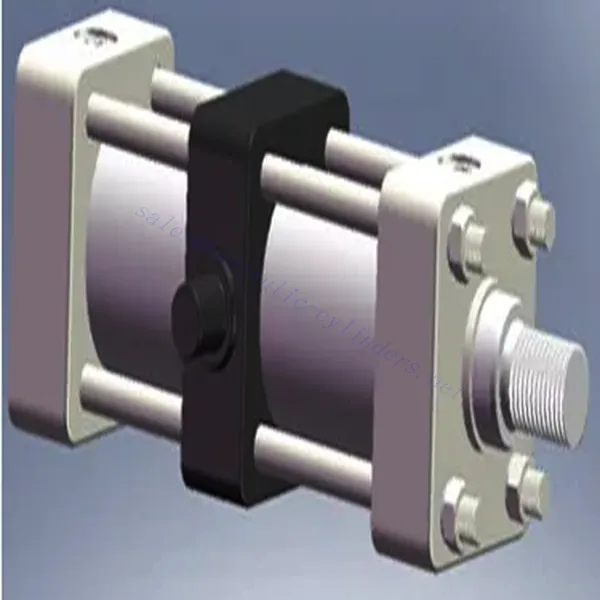
Madalrõhu hüdrosilindri vahepealne tihvt
Üheks hüdrosilindrite tootjaks, tarnijaks ja mehaaniliste toodete eksportijaks pakume hüdrosilindreid ja paljusid teisi tooteid.
Palun võtke meiega ühendust üksikasjade saamiseks.
Post:sales@hydraulic-cylinders.net
Tootja tarnija eksportija hüdrosilindrid.
Madalrõhu hüdrosilindri vahepealne tihvt

In a low-pressure hydraulic cylinder, the intermediate pin refers to the nail or shaft between the piston and the piston rod. A connecting element transfers force from the piston to the rod, allowing for linear motion.
Design and construction of the low-pressure hydraulic cylinder
Intermediate pins are usually solid metal pins or shafts inside the cylinder.
It connects the two parts between the piston and the connecting rod.
The role of the intermediate pin is to transfer the liquid pressure generated by the piston to the piston rod, thereby achieving the linear movement required by the cylinder.
Low-Pressure Hydraulic Cylinder Intermediate Pin Parameter:

Function and Operation Of Madalrõhu hüdrosilindri vahepealne tihvt:
- When hydraulic pressure is applied to the piston, it exerts a force on the middle pin, causing it to move.
- The movement of the intermediate pin transmits force to the piston rod, which causes the hydraulic cylinder to stretch or contract.
- The intermediate pin ensures that the hydraulically generated force is effectively transmitted to the piston rod, thereby achieving the desired movement of the cylinder.
Low-Pressure Hydraulic Cylinder Intermediate Pin Maintenance and Replacement:
- When repairing or modifying the low-pressure hydraulic cylinder, the condition of the middle pin should be checked.
- If there are any signs of wear, damage, or overplay, a new intermediate pin should be replaced to ensure the normal operation of the cylinder.
- When replacing the middle pin, the manufacturer’s guidelines and specifications must be followed to ensure compatibility and optimal performance.
Kuidas mõõta hüdraulilist silindrit?
- Ava läbimõõt:
- Measure the inside diameter of the cylinder barrel. This is known as the “bore diameter.”
- Place the calipers inside the cylinder barrel and extend the jaws until they contact the inner walls.
- Take note of the measurement displayed on the calipers.
- Varda läbimõõt:
- Measure the outside diameter of the piston rod. This is known as the “rod diameter.”
- Place the calipers around the piston rod and adjust the jaws until they lightly grip the rod surface.
- Take note of the measurement displayed on the calipers.
- Löögi pikkus:
- Determine the stroke length, which is the maximum distance the piston can travel inside the cylinder.
- Extend the piston rod to the fully extended position and measure the distance from the front face of the cylinder to the end of the piston rod.
- Take note of the measurement as the stroke length.
- Mounting Dimensions:
- Measure the mounting dimensions to determine how the hydraulic cylinder will be attached to the equipment or structure.
- Measure the distance between the mounting holes or brackets on the cylinder’s mounting flange.
- Measure the hole diameter, if applicable.
- Kogupikkus:
- Measure the overall length of the hydraulic cylinder, which includes the length of the cylinder barrel, the piston rod, and any other protruding components.
- Place a straightedge across the front face of the cylinder and measure the distance from the front face to the furthest point at the opposite end.
- Additional Measurements:
- Depending on the specific requirements of your application, you may need to measure additional details such as the length of the piston, the thickness of the end caps, or the dimensions of any ports or fittings.
Tehase võimekus ja suutlikkus:
(1) Kokkupanek
Meil on esmaklassiline sõltumatu teadus- ja arendustegevuse montaažiplatvorm. Kahveltõstuki silindrite tootmistöökojas on neli poolautomaatset tõstesilindrite montaažiliini ja üks automaatne kallutussilindrite montaažiliin, mille projekteeritud aastane tootmisvõimsus on 1 miljon tükki; spetsiaalne silindrite töökoda on varustatud erinevate spetsifikatsioonidega poolautomaatse puhastus-montaažisüsteemiga, mille projekteeritud aastane tootmisvõimsus on 200 000 tükki. Varustatud kuulsate CNC-töötlemisseadmete, töötlemiskeskuse, ülitäpse silindrite töötlemise spetsiaalseadme, robotkeevitusmasina, automaatse puhastusmasina, automaatse silindrite montaažimasina ja automaatse värvimise tootmisliiniga. Olemasolevaid võtmeseadmeid on üle 300 komplekti (komplekti). Seadmete ressursside optimaalne jaotus ja tõhus kasutamine tagavad toodete täpsusnõuded ja vastavad toodete kõrgetele kvaliteedinõuetele.


(2) Mehaaniline töötlemine
Töökoda on varustatud kohandatud kaldrööbaste treikeskuse, töötluskeskuse, kiire hoonimismasina, keevitusroboti ja muude seotud seadmetega, mis suudavad töödelda silindritorusid maksimaalse siseläbimõõduga 400 mm ja maksimaalse pikkusega 6 meetrit.

(3) Keevitamine

(4) Värvimine ja katmine
Väikese ja keskmise suurusega silindrilise automaatse veepõhise värvikatteliiniga, et saavutada automaatne roboti laadimine ja mahalaadimine ning automaatne pihustamine, on projekteerimisvõimsus 4000 tükki vahetuse kohta;
Meil on ka poolautomaatne värvimisliin suurte silindrite jaoks, mida toidab jõukett ja mille projekteeritud tootmisvõimsus on 60 karpi vahetuse kohta.


(5) Testimine
Meil on esmaklassilised kontrolliseadmed ja katsestendid, et tagada silindri jõudlus vastavus nõuetele.

Oleme üks parimaid madalrõhu hüdrosilindrite tootjaid. Pakume laia valikut madalrõhu hüdrosilindreid. Pakume ka vastavaid... põllumajanduslikud käigukastid. Oleme eksportinud oma tooteid klientidele üle kogu maailma ja teeninud hea maine tänu meie suurepärasele tootekvaliteedile ja müügijärgsele teenindusele. Me tervitame soojalt kliente nii kodus kui ka välismaal, et võtta meiega ühendust, et pidada läbirääkimisi äri, vahetada teavet ja teha meiega koostööd!
Hüdrosilindri kasutamine:

 ET
ET  EN
EN  PT
PT  ES
ES  DE
DE  FR
FR  IT
IT  AR
AR  ZH
ZH  RU
RU  KO
KO  KA
KA  BG
BG  CS
CS  DA
DA  EL
EL  FI
FI  HU
HU  ID
ID  LT
LT  LV
LV  NB
NB  NL
NL  PL
PL  RO
RO  SK
SK  SL
SL  SV
SV  TR
TR  UK
UK