
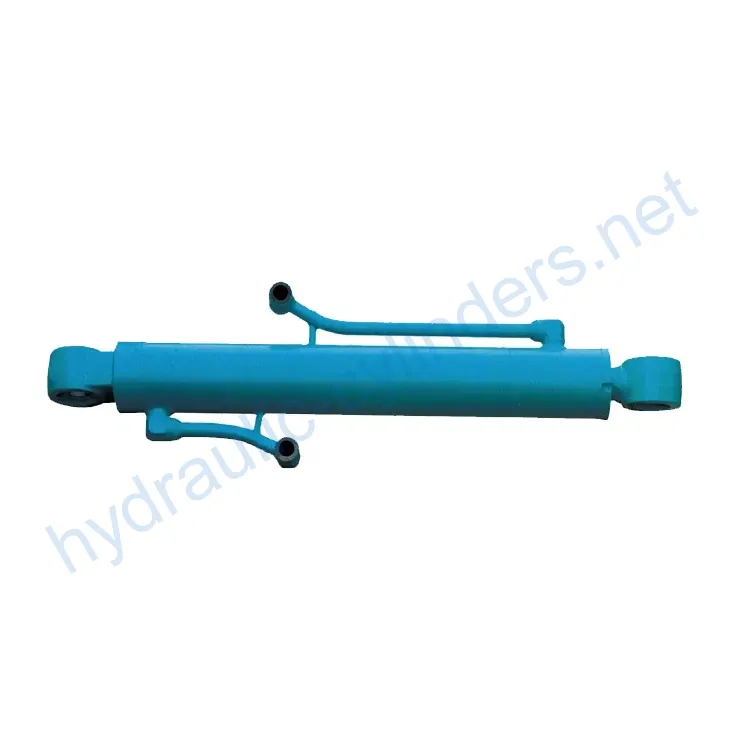
Vérin de flèche pour mini-pelle Kobelco SK140LC-8
En tant que fabricant, fournisseur et exportateur de produits mécaniques, nous proposons des vérins hydrauliques et de nombreux autres produits.
N'hésitez pas à nous contacter pour plus de détails.
Courrier :sales@hydraulic-cylinders.net
Fabricant fournisseur exportateur de vérins hydrauliques.
Vérin de flèche pour mini-pelle Kobelco SK140LC-8
Introduction aux vérins de flèche
Le Vérin de flèche is an essential hydraulic component designed specifically for use in various heavy machinery, such as excavators, backhoe loaders, and front-end loaders. This hydraulic cylinder plays a pivotal role in controlling the movement of the boom, allowing it to lift, lower, and tilt effectively. By operating within hydraulic systems, the boom cylinder facilitates material handling tasks, ensuring efficient performance in construction and excavation projects.
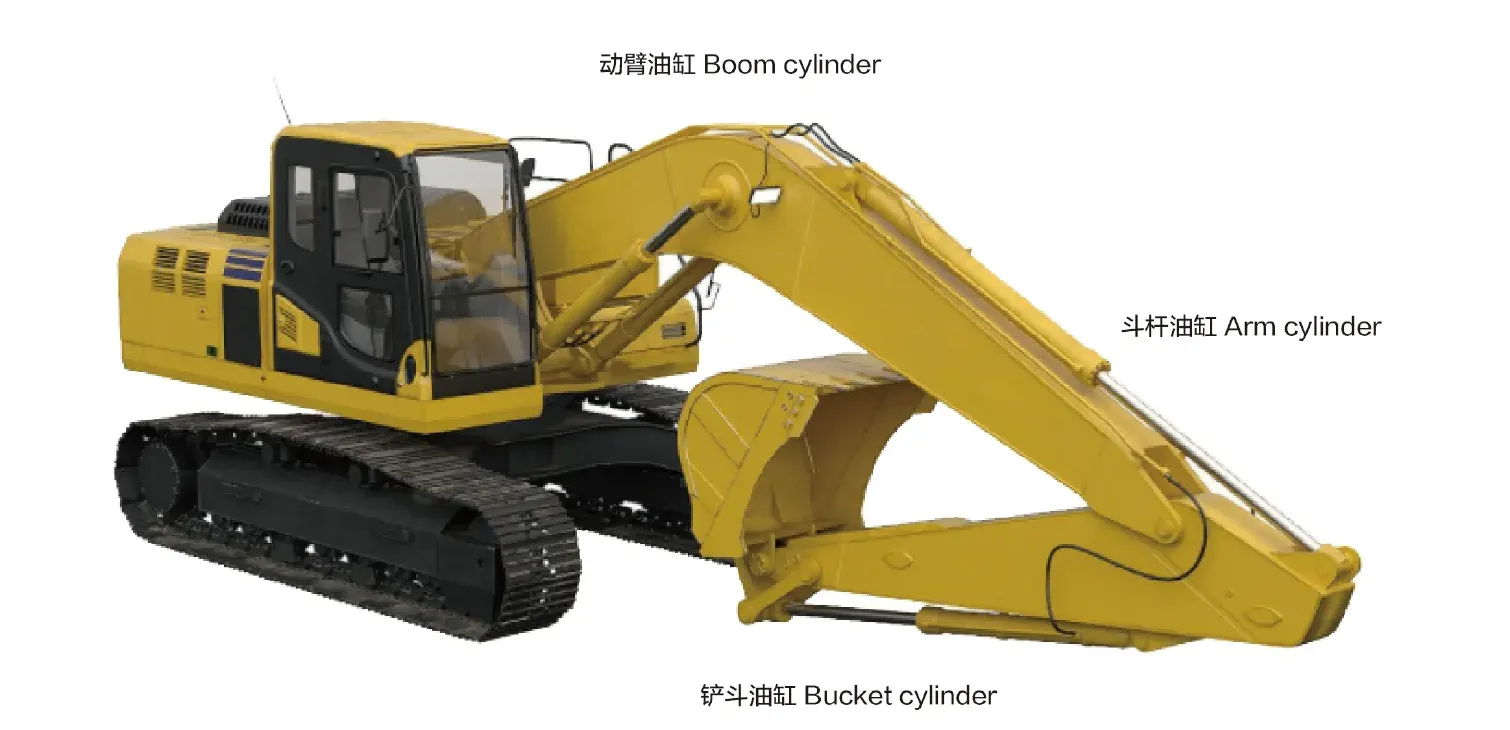
Comprendre les vérins à godets
Bucket cylinders are a type of hydraulic cylinder tailored to manage the motion of buckets on heavy machinery. They enable precise lifting and lowering actions, crucial for tasks that involve digging, loading, or transporting materials. The hydraulic oil pressure allows for smooth extension and retraction, making them vital in settings ranging from construction sites to agricultural applications.
Caractéristiques du vérin de flèche
- Haute résistance et durabilité : Manufactured from high-strength steel or aluminum, these cylinders can withstand high pressure and heavy loads, making them suitable for harsh working conditions.
- Fonctionnement hydraulique efficace : Leveraging hydraulic pressure enables swift and responsive control, providing significant push and pull force needed for heavy and complex tasks.
- Types divers : Available in single-acting (operates in one direction) or double-acting (operates in both directions) configurations, with some models designed to be telescopic for greater reach within confined spaces.
- Solutions personnalisables : Our products can perfectly replace existing hydraulic cylinders, ensuring compatibility with various models and machinery.
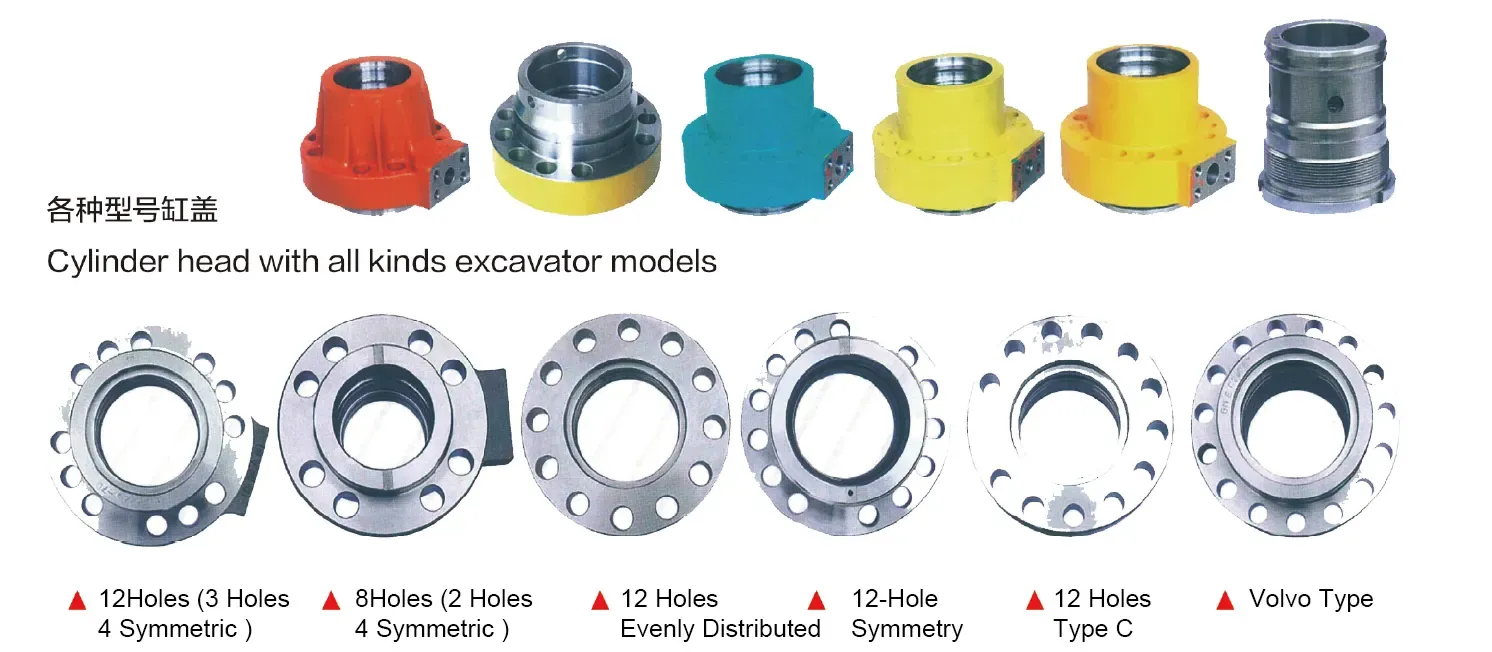
Applications du vérin de flèche
Équipement de construction
In excavators, boom cylinders are essential for digging, loading, and moving soil or debris. They allow operators to perform various tasks efficiently, enhancing productivity on construction sites. In backhoe loaders, the boom cylinder aids in both excavation and lifting, providing versatility for different operations.
machines agricoles
Used in front-end loaders, these cylinders facilitate the scooping, lifting, and transporting of soil, hay, and other materials. Their robust design ensures that they can handle the demands of agricultural tasks, making them indispensable for farmers.
Excavateurs
In excavators, the boom cylinder enables effective penetration into the ground, allowing for efficient digging operations. The precise control offered by these cylinders ensures that excavators can operate in tight spaces and perform delicate tasks without damaging surrounding areas.
Chargeurs
In front loaders, boom cylinders assist in lifting and dumping loads efficiently. They provide the necessary lifting power to handle heavy materials, ensuring that operations are completed quickly and effectively.
Considérations de conception et critères de sélection
Capacité de charge
When selecting a boom cylinder, understanding the load capacity is critical. The cylinder must be able to support the maximum weight of the materials being handled without compromising safety. It is essential to assess the weight of the loads and the operational requirements to choose an appropriately sized cylinder.
Étanchéité et durabilité
Effective sealing is vital to prevent hydraulic fluid leakage and ensure optimal operation. Quality sealing materials, such as polyurethane and nitrile rubber, are essential for maintaining longevity and performance. Durability also involves considering external factors like exposure to harsh chemicals and environmental conditions.
Caractéristiques de sécurité
Safety is paramount in hydraulic cylinder design. Cylinders must be equipped with safety valves, pressure relief mechanisms, and fail-safe features to prevent accidents during operation. Regular safety checks should be a standard practice to ensure these features function correctly.
Entretien et réparation
Ease of maintenance is another important factor. The design should allow for simple access to components that may require regular inspection, lubrication, or replacement. A cylinder that is easier to maintain contributes to reduced downtime and increased operational efficiency.
Étanchéité et lubrification
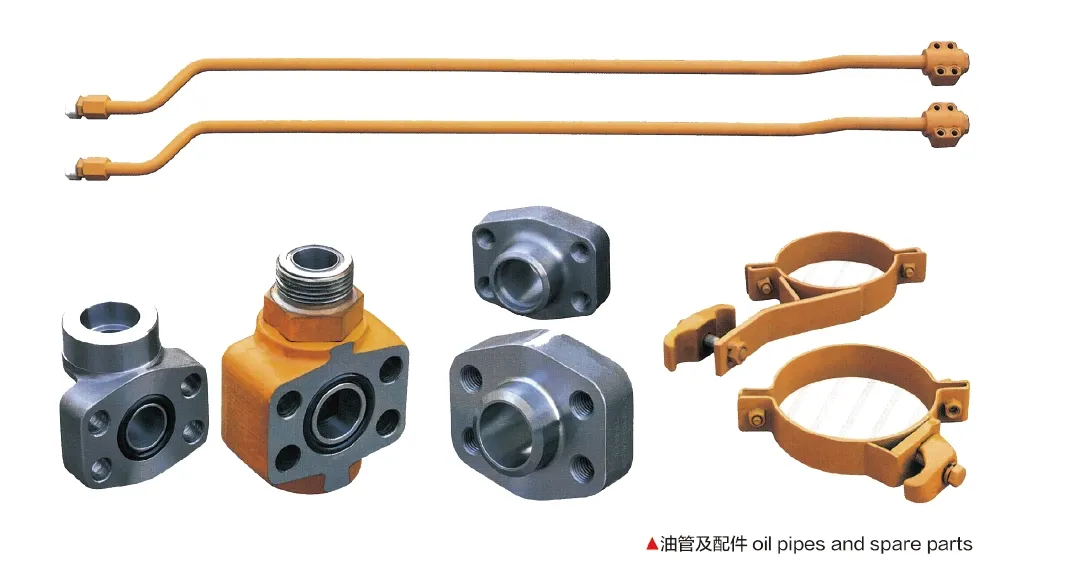
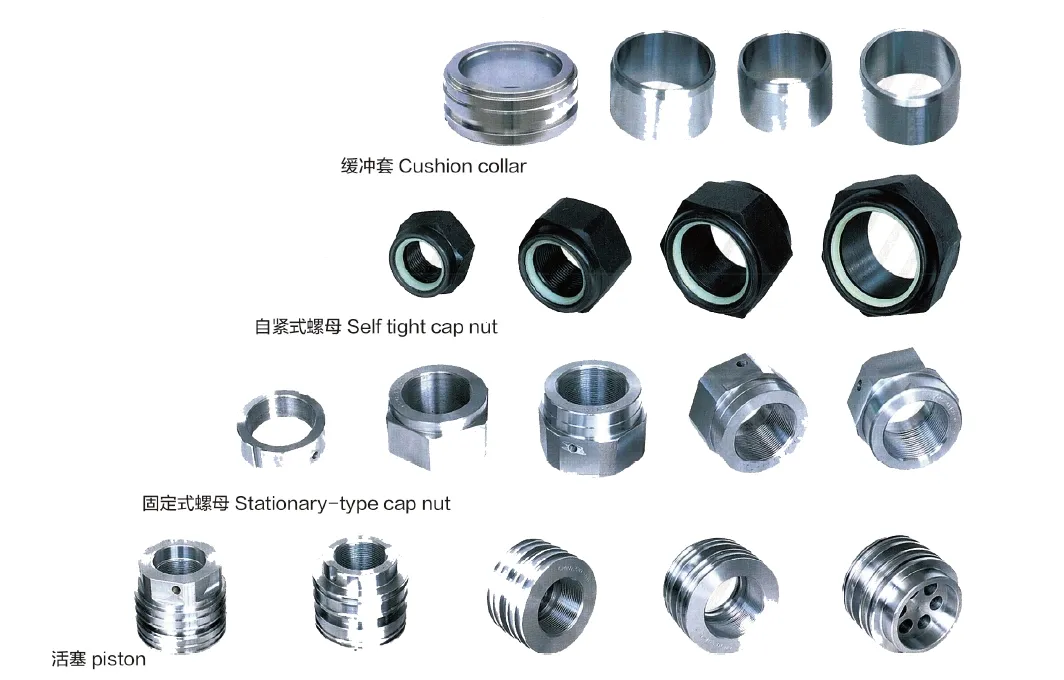
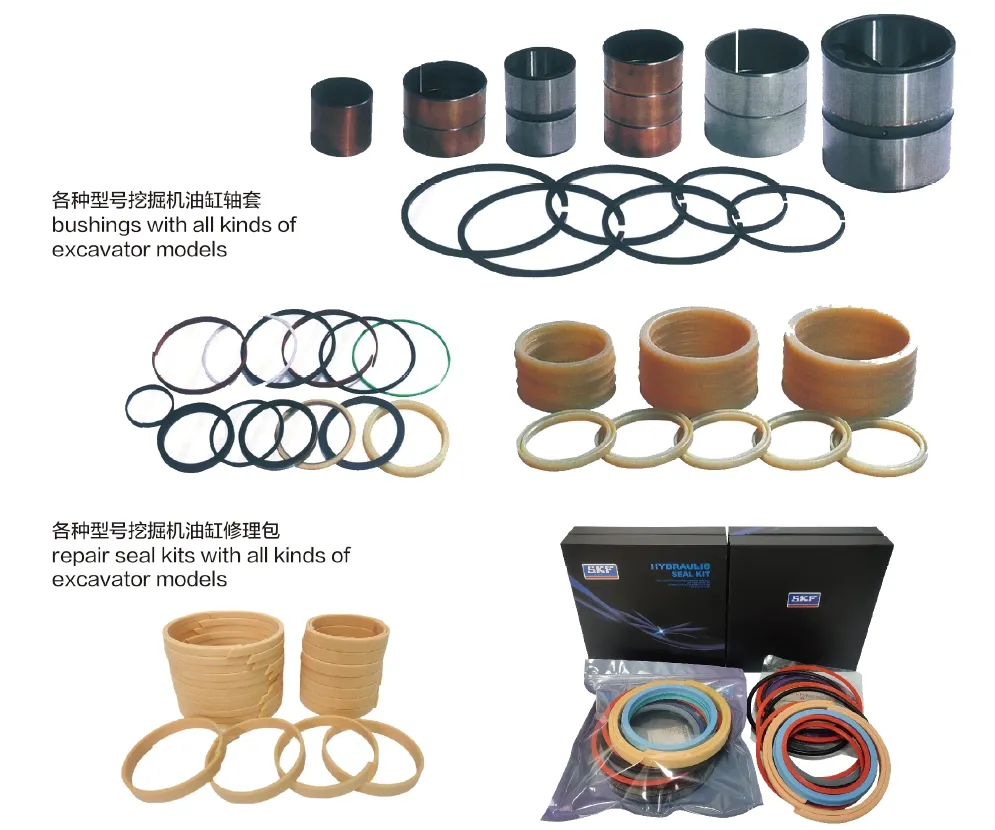
Proper sealing and lubrication are essential for the performance and longevity of boom cylinders. Utilizing various seals, such as piston seals and rod seals, can significantly affect the cylinder’s efficiency. Seals made from durable materials like polyurethane ensure resistance to wear and tear. Additionally, the cylinder’s body and threaded ends should undergo precise processing to enhance wear resistance. Regular lubrication with adequate hydraulic oil is crucial to minimize friction and enhance operational performance.
Mesures de maintenance préventive
- Inspections régulières : Check for signs of wear, damage, or leaks in the hydraulic cylinder to catch potential issues early.
- Lubrification appropriée : Ensure the hydraulic oil is at the correct level and that lubrication is applied consistently to critical points to reduce wear.
- Remplacement des joints : Regularly inspect seals and replace them as needed to maintain optimal performance and prevent leaks.
Directives d'installation
Proper installation of the boom cylinder is crucial for its performance. Start by ensuring the cylinder is properly aligned with the machinery. Use appropriate mounting brackets to secure the cylinder in place, preventing unwanted movement during operation. Follow the manufacturer’s guidelines for torque specifications and ensure all hydraulic connections are tight and leak-free. After installation, conduct a thorough check of hydraulic fluid levels and inspect for any leaks. It’s essential to test the cylinder under controlled conditions before full operational deployment to ensure complete functionality.
Tâches de maintenance courantes
Inspections régulières
Conducting regular inspections is vital to identifying issues early. Look for signs of leaks, damage, or degradation in the cylinder. Pay special attention to the seals, as worn seals can lead to significant hydraulic fluid loss and decreased performance. Keeping a maintenance log can help track inspections and any necessary repairs.
Lubrification appropriée
Ensuring that the hydraulic system is adequately lubricated is crucial for minimizing wear and maintaining efficiency. Regularly check and maintain hydraulic oil levels, and replace oil as needed based on the manufacturer’s recommendations. Use the correct type of hydraulic oil for your application to enhance performance.
Remplacement des joints et contrôles d'étalonnage
Replacing seals at regular intervals is necessary to prevent leaks and maintain cylinder performance. Calibration checks for alignment and performance ensure that the cylinder operates within its designed parameters. This process helps maintain safety and extends the life of the hydraulic system.
Considérations de sécurité et facteurs environnementaux
Implementing safety measures when using hydraulic systems is paramount. Ensure that all operators are trained in safe handling practices and understand the importance of wearing appropriate personal protective equipment (PPE). Additionally, consider environmental factors such as potential fluid leaks and the impact on surrounding areas. Proper containment and disposal procedures for hydraulic fluids should be in place to minimize environmental risks.
Diagnostic des pannes et problèmes courants
- Fuite: One of the most common issues, often caused by worn seals, leading to reduced performance and potential safety hazards.
- Fonctionnement lent : This may indicate air in the hydraulic lines or insufficient hydraulic fluid, which can hinder performance.
- Bruits inhabituels : Noises such as grinding or clunking can signal mechanical problems within the cylinder or the hydraulic system.
Conseils de dépannage
For effective fault diagnosis, start by assessing visible components for wear and tear. Check hydraulic fluid levels and inspect for leaks. To troubleshoot slow operation, bleed air from the hydraulic lines and ensure that the fluid is at the proper level. If unusual noises persist, further examination of the hydraulic system is necessary to identify mechanical issues. Regular preventive measures can significantly reduce the likelihood of these problems arising.
Présentation de l'entreprise
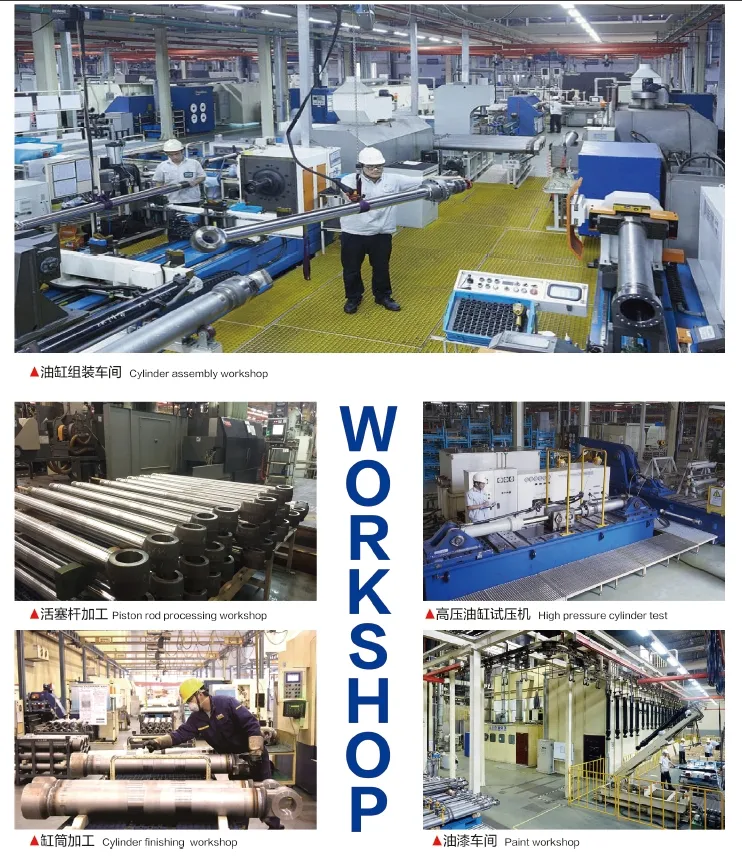
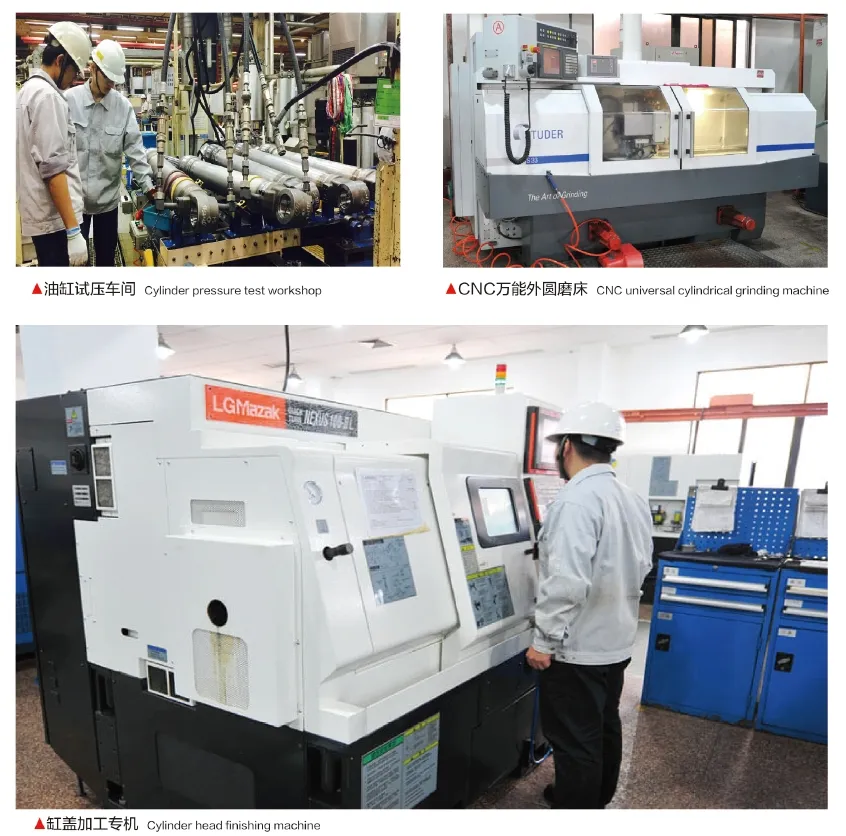
We are a leading manufacturer of replacement hydraulic cylinders, offering a comprehensive range of products to meet diverse market needs. Our commitment to exceptional quality drives us to implement a detailed manufacturing management strategy, ensuring high standards across all operations. Our facilities utilize advanced digital manufacturing equipment and rigorous testing systems to enhance production efficiency. We pride ourselves on our skilled workforce, which continually improves our manufacturing capabilities to deliver high-precision and high-quality hydraulic solutions tailored to customer specifications.
Auteur : lyl
Vérin hydraulique Application :

 FR
FR  EN
EN  PT
PT  ES
ES  DE
DE  IT
IT  AR
AR  ZH
ZH  RU
RU  KO
KO  KA
KA  BG
BG  CS
CS  DA
DA  EL
EL  ET
ET  FI
FI  HU
HU  ID
ID  LT
LT  LV
LV  NB
NB  NL
NL  PL
PL  RO
RO  SK
SK  SL
SL  SV
SV  TR
TR  UK
UK