
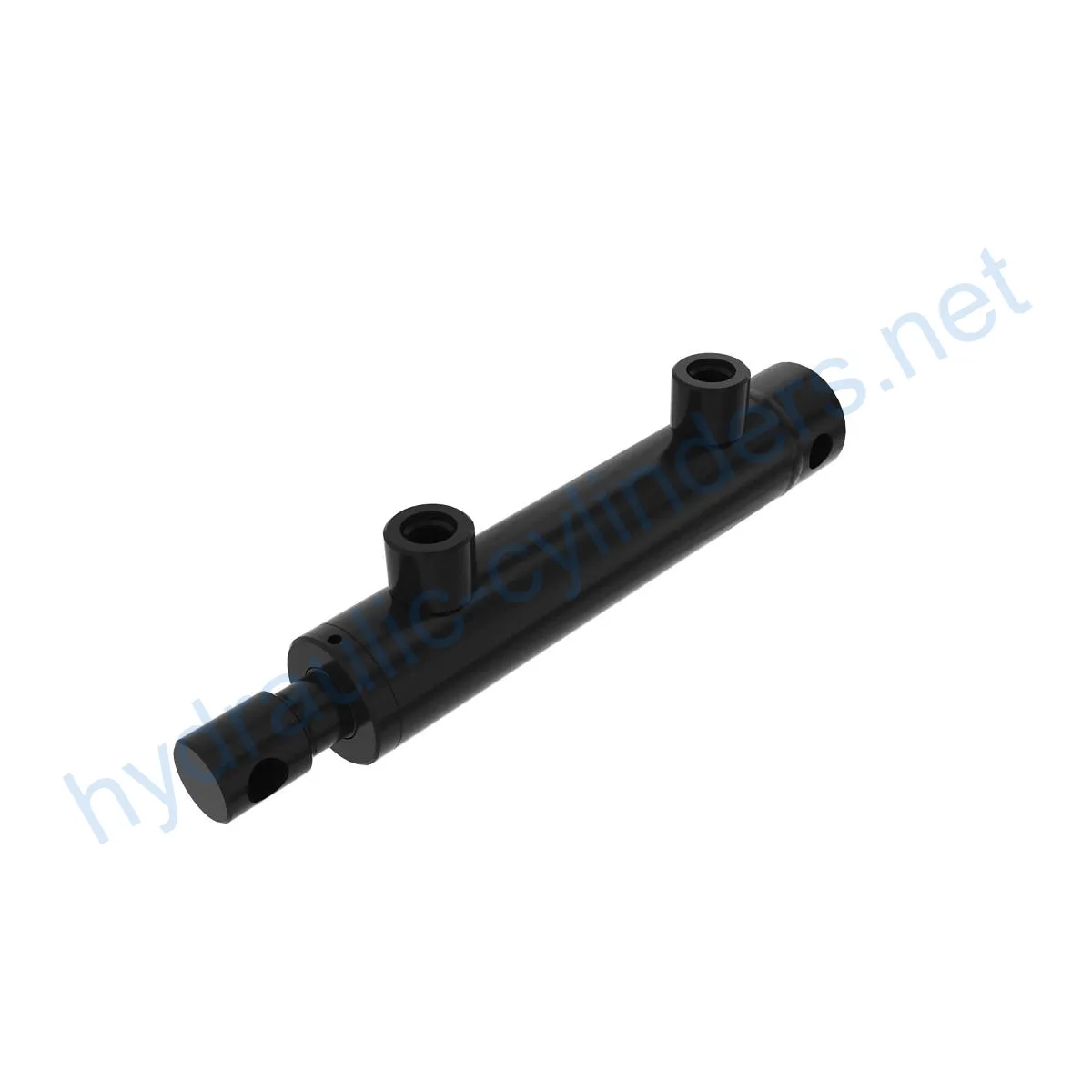
Replacement Of AHC20297 Hydraulic Cylinder
Replacement Of AHC20297 Hydraulic Cylinder
The Replacement Of AHC20297 Hydraulic Cylinder is a vital component used in various equipment models, including 8100, 8200, 8300, 8400, 8500, 8600, 8700, 8800, 9500, 9600, 9700, and 9900. This hydraulic cylinder is designed to improve the equipment’s performance, safety, and efficiency by serving as a replacement for damaged or worn cylinders.
Spécifications et modèles
The Replacement Of AHC20297 Hydraulic Cylinder has a weight of 3.808 lb, a height of 1.7 in, a width of 2.8 in, and a length of 10 in. It is compatible with various equipment models, including 8100, 8200, 8300, 8400, 8500, 8600, 8700, 8800, 9500, 9600, 9700, and 9900.
Caractéristiques
The Replacement Of AHC20297 Hydraulic Cylinder has several features that make it an excellent replacement option. Some of these features include:
- Improved equipment performance: Replacing damaged or worn hydraulic cylinders can restore the equipment’s normal operating capabilities, ensuring its performance in various applications.
- Sécurité renforcée : Le remplacement régulier des vérins hydrauliques permet de réduire les risques pour la sécurité liés aux défaillances des vérins, garantissant ainsi la sécurité des opérateurs et des équipements.
- Overload protection: Modern hydraulic cylinder designs often consider better overload protection mechanisms, improving safety.
- Quick installation: Modern hydraulic cylinder designs often consider easy installation and replacement, reducing downtime.
- Composants standardisés : De nombreux vérins hydrauliques sont des produits standardisés, ce qui facilite l’obtention de pièces de rechange sur le marché.
Our company produces a perfect replacement for these hydraulic cylinders, ensuring that your equipment maintains optimal performance.
Applications
The Replacement Of AHC20297 Hydraulic Cylinder has various applications in different industries. Here are some examples:
- Excavators: The hydraulic cylinder on excavator arms or buckets may become damaged due to long-term use or overload and require replacement to restore normal operation.
- Cranes: The hydraulic cylinder on a crane’s boom is prone to wear and tear during frequent lifting and lowering, requiring periodic replacement to ensure safety.
- Tractors: The hydraulic cylinder on a front-end loader of a tractor may leak or lose performance during constant lifting and tilting operations, requiring replacement.
- Harvesters: During the harvesting process, the hydraulic system undergoes high pressure, and cylinders may become damaged due to fatigue, requiring timely replacement to maintain work efficiency.
- Automated production lines: Hydraulic cylinders are used to control robotic arms and other automation equipment, and failure can affect production efficiency, requiring immediate replacement.
- Die-casting machines: In high-pressure and high-temperature environments, hydraulic cylinders may experience performance decline, and regular replacement can ensure product quality.
- Mining equipment: Hydraulic cylinders are used in mining equipment to lift and move heavy objects. Due to the harsh working environment, regular inspection and replacement are necessary to avoid equipment failures.
- Bulldozers: The wear of the hydraulic cylinder on a bulldozer’s push arm can cause a decrease in push capacity and requires timely replacement to maintain operational efficiency.
Tâches de maintenance
Regular maintenance of the Replacement Of AHC20297 Hydraulic Cylinder is necessary to ensure its optimal functioning. Here are some common maintenance tasks:
1. Inspection régulière
Regular inspection of the hydraulic cylinder is essential to detect any signs of wear and tear or leaks. Inspection should be done at least once a year.
2. Appropriate lubrication
Proper lubrication is necessary to ensure the hydraulic cylinder’s optimal functioning. Lubrication should be done as per the manufacturer’s recommendations.
3. Remplacement des joints et vérification de l'étalonnage
Seal replacement and calibration check are necessary to ensure optimal performance. The cylinder’s calibration should be checked regularly to ensure it is functioning within the recommended parameters.
It is essential to provide proper guidance for the correct alignment of the cylinder during installation. The use of appropriate installation brackets to secure the cylinder is recommended. The recommended inspection, repair, and replacement procedures should be strictly followed, and replacement parts and rebuild services should be provided to increase the hydraulic cylinder’s lifespan.
Considérations de sécurité et facteurs environnementaux
During the use of hydraulic cylinders, safety considerations are essential. Regular maintenance and replacement of damaged or worn-out parts are necessary to avoid potential hazards. Proper disposal of used hydraulic cylinders should be done to minimize environmental pollution.
Dépannage et problèmes courants
Hydraulic cylinder failures can occur due to various reasons, including wear and tear, leaks, and poor maintenance. Troubleshooting and identifying the cause of the problem is essential to undertake effective repair or replacement. Some common problems include:
- Fuite de fluide hydraulique
- Slow cylinder response
- Fonctionnement incohérent
- Noisy operation
To solve these common problems, it is necessary to identify the root cause and undertake the appropriate repair or replacement procedure. Proper preventive measures should be taken to minimize potential problems and extend the hydraulic cylinder’s lifespan.

Considérations de conception et normes de sélection
The design considerations of the Replacement Of AHC20297 Hydraulic Cylinder include key factors such as load-bearing capacity, sealing, durability, safety, and maintainability. These factors should be considered during the selection process to ensure optimal performance and longevity. Some of the considerations include:
- Load-bearing capacity: The hydraulic cylinder should be able to withstand the load requirements of the equipment.
- Sealing: The hydraulic cylinder’s seal should be of high quality to prevent leakage and ensure optimal performance.
- Durability: The hydraulic cylinder should be made of high-quality materials that can withstand harsh working environments.
- Safety: The hydraulic cylinder should be designed with safety features to minimize accidents.
- Maintainability: The hydraulic cylinder should be designed for easy maintenance, repair, and replacement.
The use of appropriate seals, including piston seals and rod seals made of wear-resistant materials such as polyurethane or nitrile rubber, can extend the cylinder’s lifespan. The cylinder’s body and thread end surface should undergo fine processing to improve wear resistance. Regular lubrication with recommended hydraulic oil is necessary to ensure optimal performance and longevity.
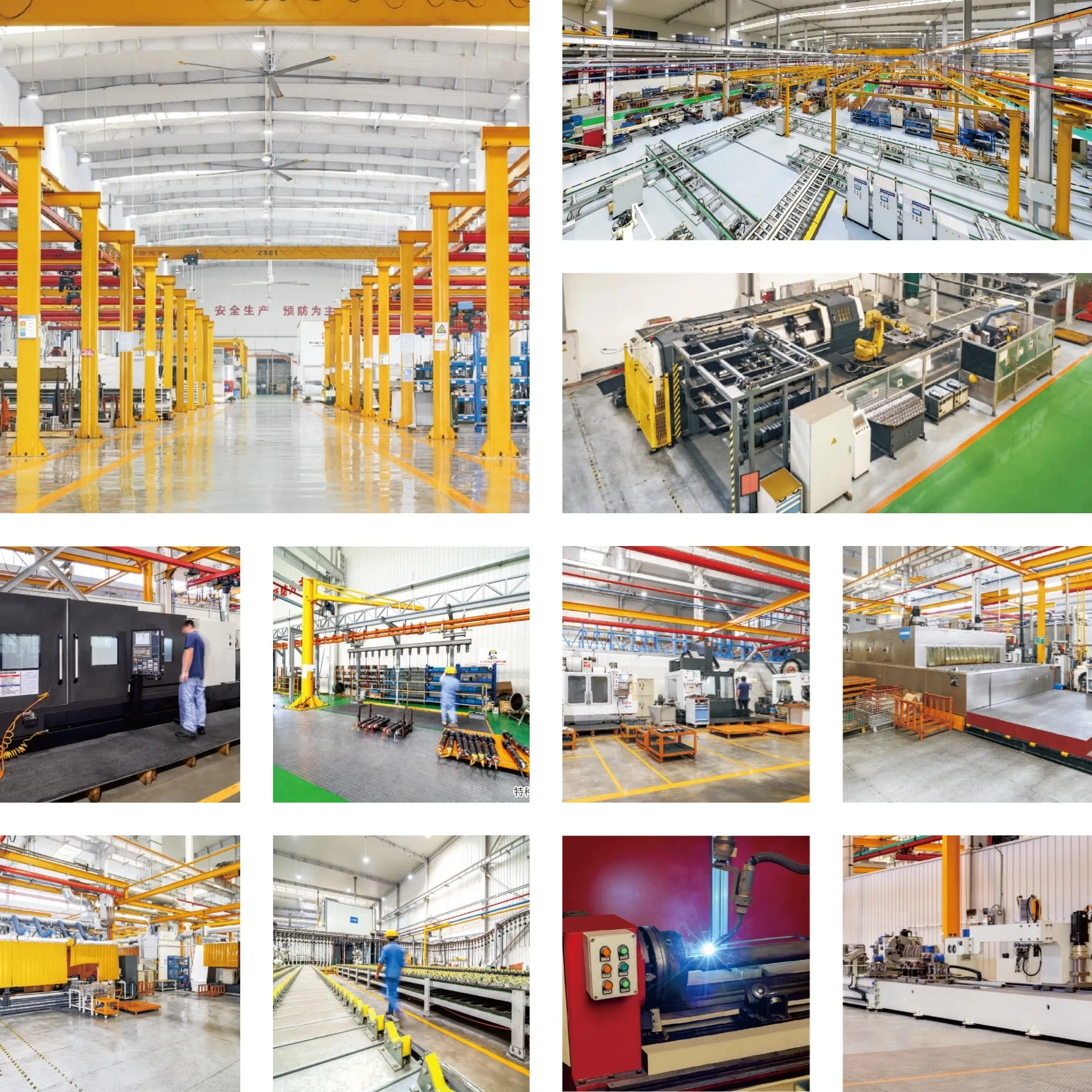
Notre entreprise
We are a leading manufacturer and wholesaler of hydraulic cylinders, offering a complete range of products and custom services to meet the needs of different clients on the domestic and international markets. Our company is known for its professionalism, international certification, custom services, modern production equipment, and excellent after-sales services.
Auteur : lyl



 FR
FR  EN
EN  PT
PT  ES
ES  DE
DE  IT
IT  AR
AR  ZH
ZH  RU
RU  KO
KO  KA
KA  BG
BG  CS
CS  DA
DA  EL
EL  ET
ET  FI
FI  HU
HU  ID
ID  LT
LT  LV
LV  NB
NB  NL
NL  PL
PL  RO
RO  SK
SK  SL
SL  SV
SV  TR
TR  UK
UK