
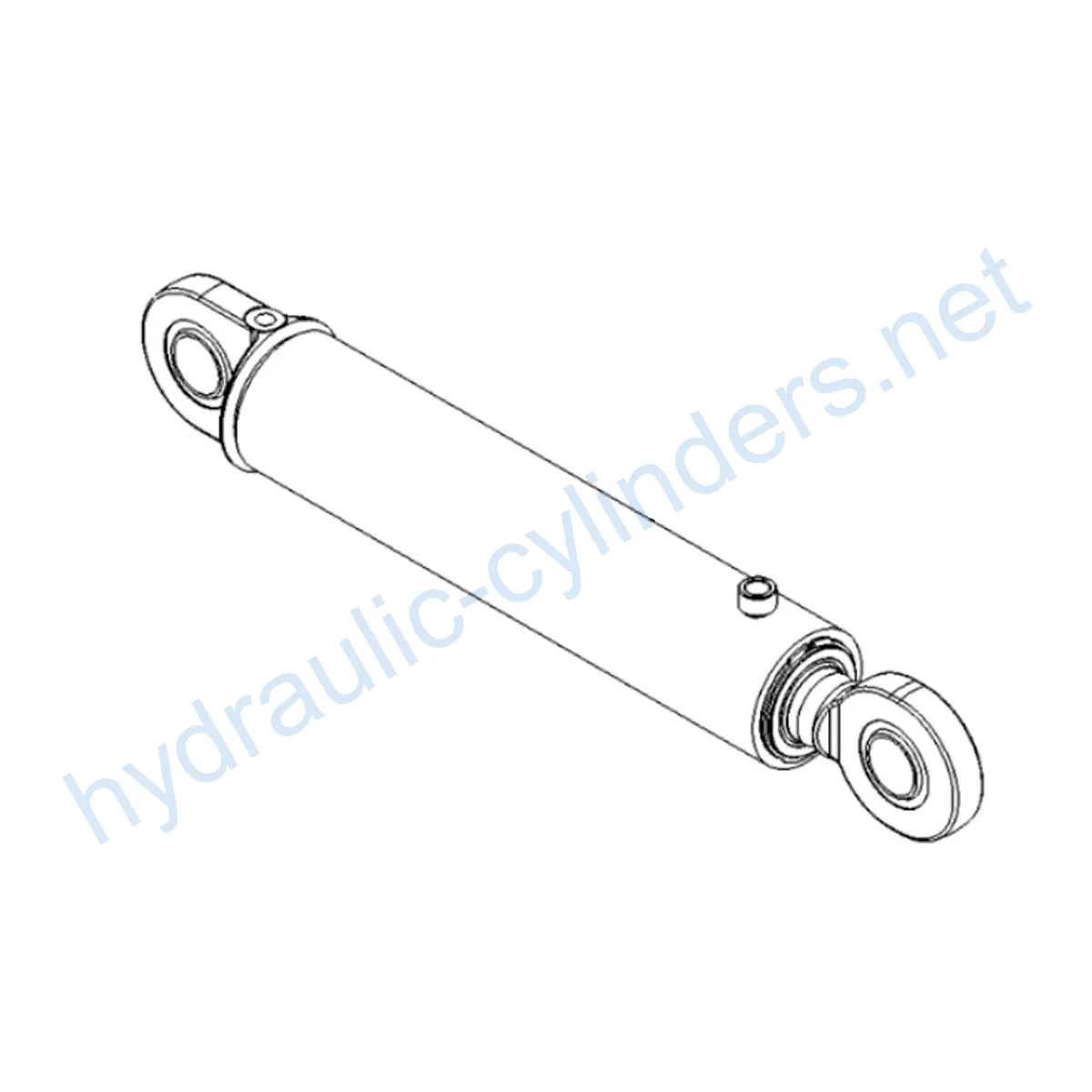
Replacement Of F675409 Hydraulic Cylinder Rod
Replacement Of F675409 Hydraulic Cylinder Rod
Replacement Of F675409 Hydraulic Cylinder Rod is a hydraulic cylinder designed to replace the damaged or worn-out rod in various models of equipment, including 1010E, 1070E, 1070G, 1110E, 1110G, 1170E, 1170G, 1210E, 1210G, 1270D, 1270E, 1270G, 1470D, 1470E, 1470G, 1510E, 1510G, 1910E, and 1910G.
Caractéristiques
- Weight: 38.93 lb
- Hauteur : 2,8 pouces
- Largeur : 5,3 pouces
- Longueur : 31,5 pouces
Caractéristiques
- Improved equipment performance: Replacing damaged or worn-out hydraulic cylinders can restore the normal operational capability of the equipment, ensuring its performance in various applications.
- Sécurité renforcée : Le remplacement régulier des vérins hydrauliques permet de réduire les risques pour la sécurité liés aux défaillances des vérins, garantissant ainsi la sécurité des opérateurs et des équipements.
- Overload protection: New cylinder designs often incorporate better overload protection mechanisms, enhancing safety.
- Quick installation: Modern hydraulic cylinders are designed for easy installation and replacement, minimizing downtime.
- Composants standardisés : De nombreux vérins hydrauliques sont des produits standardisés, ce qui facilite l’obtention de pièces de rechange sur le marché.
Nous sommes en mesure de fabriquer ce produit, offrant ainsi des solutions de remplacement parfaites pour ces vérins hydrauliques.
Applications
- Pelles hydrauliques : Les vérins hydrauliques de la flèche ou du godet des pelles hydrauliques peuvent s’endommager en raison d’une utilisation prolongée ou d’une surcharge, ce qui nécessite leur remplacement pour rétablir un fonctionnement normal.
- Cranes: Hydraulic cylinders in the crane’s boom are prone to wear and tear from frequent lifting and lowering, necessitating regular replacement for safety.
- Tractors: Hydraulic cylinders in the front-end loaders of tractors may experience leaks or decreased performance during continuous lifting and tilting operations, requiring replacement.
- Harvesters: During harvesting, hydraulic systems endure high pressure, and cylinders may get damaged due to fatigue, requiring timely replacement to maintain work efficiency.
- Automated production lines: Hydraulic cylinders are used to control robotic arms and other automated equipment. Cylinder failures can impact production efficiency and require immediate replacement.
- Die-casting machines: In high-pressure and high-temperature environments, hydraulic cylinders may experience decreased performance. Regular replacement ensures product quality.
- Mining equipment: Hydraulic cylinders are used for lifting and moving heavy objects in mining equipment. Due to harsh working conditions, regular inspection and replacement are necessary to avoid equipment failures.
- Bulldozers: Wear on hydraulic cylinders in the bulldozer’s blade can lead to a decrease in pushing ability, requiring timely replacement to maintain operational efficiency.
Tâches de maintenance
- Inspection régulière
- Lubrification adéquate
- remplacement du joint
- Vérification de l'étalonnage
Proper installation, lubrication, and adjustment are essential. During installation, providing correct alignment guidance for the cylinder and recommending the use of appropriate installation brackets to secure the cylinder are advised. Recommended inspection, repair, and replacement procedures, along with parts replacement and rebuild services, can extend the lifespan of the hydraulic cylinder.
Considérations de sécurité et facteurs environnementaux
When using hydraulic cylinders, safety measures are crucial to prevent accidents and environmental hazards. Proper installation, maintenance, and adherence to safety protocols are essential to ensure the safe operation of the equipment and minimize environmental impact.
Diagnostic des pannes et problèmes courants
- Leakage: Hydraulic cylinders may experience leakage due to damaged seals or worn-out components.
- Poor performance: Cylinders may exhibit reduced lifting or pushing capacity, indicating internal damage or wear.
- Noise or vibration: Unusual noises or vibrations during cylinder operation may indicate internal faults or misalignment.
To diagnose and solve these issues effectively, it is important to provide troubleshooting tips, solutions, and preventive measures. Offering guidance on fault prevention can help minimize potential problems.
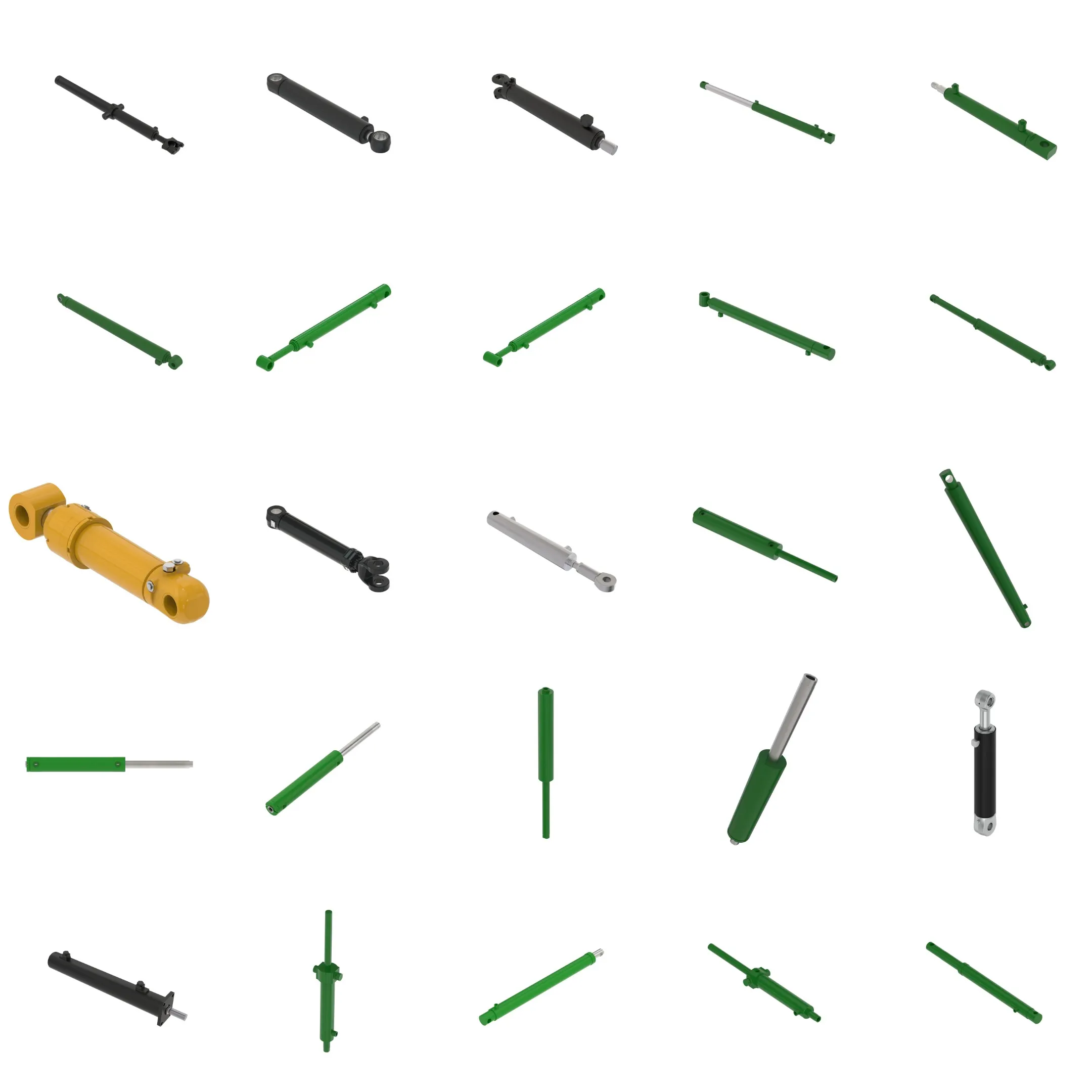
Considérations de conception et critères de sélection
When selecting hydraulic cylinders, several design considerations should be taken into account, including load-bearing capacity, sealing, durability, safety, and maintainability. Each aspect is crucial for optimal performance and longevity.
Étanchéité et lubrification
Various sealing elements, such as piston seals and rod seals, are used in hydraulic cylinders. These seals are made of wear-resistant materials like polyurethane and nitrile rubber. The cylinder body and threaded ends undergo meticulous surface treatment to enhance wear resistance. Regular lubrication with appropriate hydraulic oil is necessary for optimal performance.
Inspection régulière et maintenance préventive
Regular inspection and preventive maintenance are essential for maintaining hydraulic cylinder performance and prolonging its lifespan. Proper installation, lubrication, and adjustment are key. Recommended inspection, repair, and replacement procedures, along with parts replacement and rebuild services, can help extend the lifespan of the hydraulic cylinder.
Guide d'installation
Proper installation is crucial for the optimal performance and safety of the hydraulic cylinder. It is important to follow the correct installation procedures, align the cylinder accurately, and use suitable installation brackets to secure the cylinder in place.
Tâches de maintenance
- Inspection régulière
- Lubrification adéquate
- remplacement du joint
- Vérification de l'étalonnage
Considérations de sécurité et facteurs environnementaux
When using hydraulic cylinders, safety measures are crucial to prevent accidents and environmental hazards. Proper installation, maintenance, and adherence to safety protocols are essential to ensure the safe operation of the equipment and minimize environmental impact.
Diagnostic des pannes et problèmes courants
- Leakage: Hydraulic cylinders may experience leakage due to damaged seals or worn-out components.
- Poor performance: Cylinders may exhibit reduced lifting or pushing capacity, indicating internal damage or wear.
- Noise or vibration: Unusual noises or vibrations during cylinder operation may indicate internal faults or misalignment.
To diagnose and solve these issues effectively, it is important to provide troubleshooting tips, solutions, and preventive measures. Offering guidance on fault prevention can help minimize potential problems.



 FR
FR  EN
EN  PT
PT  ES
ES  DE
DE  IT
IT  AR
AR  ZH
ZH  RU
RU  KO
KO  KA
KA  BG
BG  CS
CS  DA
DA  EL
EL  ET
ET  FI
FI  HU
HU  ID
ID  LT
LT  LV
LV  NB
NB  NL
NL  PL
PL  RO
RO  SK
SK  SL
SL  SV
SV  TR
TR  UK
UK