
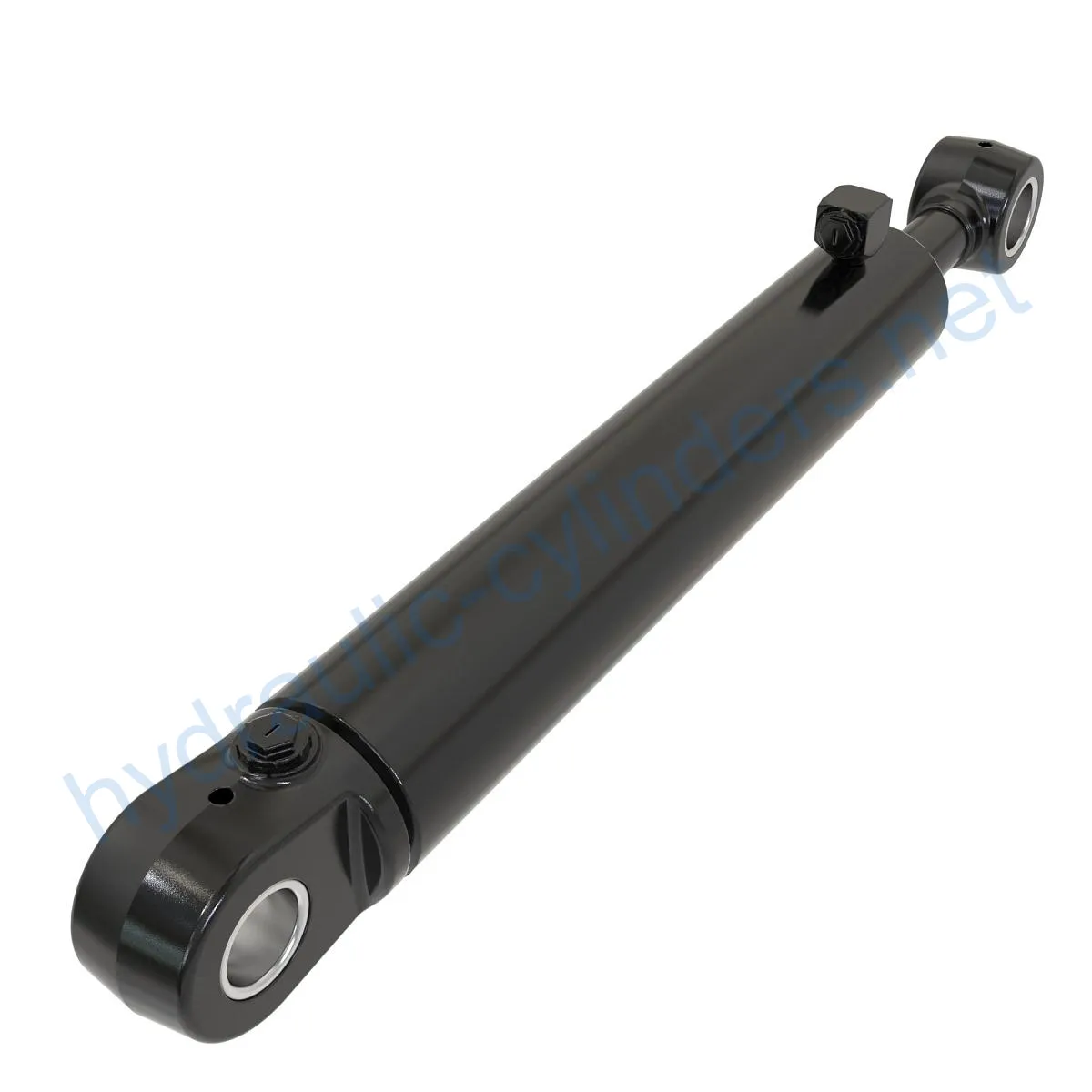
Penggantian Silinder Hidrolik Pengangkat AHC14485
Replacement Of AHC14485 Lift Hydraulic Cylinder
Perkenalan:
The Replacement Of AHC14485 Lift Hydraulic Cylinder is a crucial component in various models of machinery, including the 450J, 450K, 550J, 550K, 650J, and 650K. This hydraulic cylinder is responsible for lifting heavy loads and ensuring the smooth operation of the equipment.
Spesifikasi
- Weight: 50 lb
- Tinggi: 2,9 inci
- Lebar: 5,4 inci
- Panjang: 32,7 inci
Model
- 450J
- 450K
- 550J
- 550K
- 650J
- 650K
Fitur
- Peningkatan Kinerja Peralatan: Mengganti silinder hidrolik yang rusak atau aus mengembalikan kemampuan operasional normal peralatan, memastikan kinerja optimal dalam berbagai aplikasi.
- Enhanced Safety: Regularly replacing hydraulic cylinders reduces the safety hazards associated with cylinder failures, ensuring the safety of operators and equipment.
- Perlindungan Beban Berlebih: Desain tabung silinder baru sering kali dilengkapi mekanisme perlindungan beban berlebih yang lebih baik, sehingga meningkatkan keselamatan secara keseluruhan.
- Pemasangan Cepat: Silinder hidrolik modern dirancang agar mudah dipasang dan diganti, sehingga meminimalkan waktu henti.
- Komponen Standar: Banyak silinder hidrolik yang distandarisasi, sehingga memudahkan perolehan suku cadang pengganti di pasaran.
We specialize in producing hydraulic cylinders that can perfectly replace the AHC14485 Lift Hydraulic Cylinder. Our products are designed and manufactured to meet the highest standards of quality and durability.
Aplikasi
- Excavators: The hydraulic cylinder in excavator arms or buckets may get damaged due to prolonged use or overloading, requiring replacement to restore normal operation.
- Cranes: The boom hydraulic cylinders in cranes can wear out from frequent lifting and lowering, necessitating regular replacements to ensure safety.
- Tractors: The front-end loader hydraulic cylinders in tractors may experience leaks or performance decline during constant lifting and tilting operations, calling for replacements.
- Harvesters: The hydraulic system in harvesters operates under high pressure, and cylinders can get damaged due to fatigue, requiring timely replacements to maintain work efficiency.
- Lini Produksi Otomatis: Silinder hidrolik digunakan untuk mengendalikan lengan robot dan peralatan otomatis lainnya. Kegagalan silinder dapat berdampak negatif pada efisiensi produksi dan harus segera diganti.
- Die Casting Machines: Hydraulic cylinders in die casting machines may experience performance decline under high pressure and temperature environments. Regular replacements ensure product quality.
- Peralatan Pertambangan: Silinder hidrolik digunakan untuk mengangkat dan memindahkan beban berat pada peralatan pertambangan. Karena kondisi kerja yang keras, inspeksi dan penggantian rutin diperlukan untuk mencegah kerusakan peralatan.
- Bulldozers: The wear of hydraulic cylinders on bulldozer blades can lead to a decrease in pushing capacity, necessitating timely replacements to maintain operational efficiency.
Tugas Pemeliharaan
Regular maintenance is essential for prolonging the lifespan of hydraulic cylinders and ensuring their optimal performance. The following are three common maintenance tasks:
- Regular Inspection: Conduct periodic inspections to identify any signs of wear, leaks, or malfunctions.
- Proper Lubrication: Apply appropriate lubrication to ensure smooth operation and prevent premature wear and tear.
- Seal Replacement and Calibration Check: Replace worn seals and regularly check the calibration to maintain cylinder performance.
During installation, it is crucial to provide proper guidance for aligning the cylinder correctly. Using appropriate installation brackets to secure the cylinder is recommended. We offer inspection, repair, and replacement services to ensure the longevity of your hydraulic cylinder.
Pertimbangan Keselamatan dan Faktor Lingkungan
When using hydraulic cylinders, adhering to safety measures is of utmost importance. Proper handling, following safety guidelines, and using personal protective equipment can prevent accidents and ensure the well-being of operators. Additionally, considering environmental factors such as oil spills and proper waste disposal is crucial to minimize any negative impact.
Pemecahan Masalah dan Masalah Umum
Hydraulic cylinders may encounter various problems during operation. The following are common issues and their potential solutions:
- Leakage: Check the seals and connections for damage and replace any faulty components. Ensure proper tightening and alignment.
- Slow or Inconsistent Operation: Inspect the hydraulic fluid level and quality. Check for any blockage or damaged valves. Clean or replace as necessary.
- Excessive Noise or Vibrations: Inspect the mounting brackets and connections for looseness. Check for worn-out or damaged components and replace accordingly.
By following these troubleshooting tips and solutions, readers can effectively diagnose and resolve issues with their hydraulic cylinders. Additionally, implementing preventive measures can minimize potential problems and maintain optimal performance.

Pertimbangan Desain dan Kriteria Pemilihan
When selecting hydraulic cylinders, several design considerations and selection criteria should be taken into account:
- Load-Bearing Capacity: Choose a hydraulic cylinder with the appropriate load-bearing capacity to ensure efficient operation.
- Sealing and Durability: Opt for cylinders with reliable seals and durable construction to withstand demanding applications.
- Safety Features: Consider cylinders with built-in safety features such as overload protection or emergency stop valves.
- Maintenance and Servicing: Select cylinders that are easy to maintain and service, with readily available replacement parts.
Furthermore, proper sealing and lubrication are essential for hydraulic cylinders. Using various sealing components such as piston seals and rod seals made from wear-resistant materials like polyurethane and nitrile rubber can enhance performance. Precision surface treatments on cylinder bodies and threaded ends improve wear resistance. Regularly lubricating the cylinders with the appropriate hydraulic oil is crucial for proper operation.
Lastly, we recommend regular inspections and preventive maintenance measures to ensure the longevity and reliable performance of the hydraulic cylinders.
Panduan Instalasi
Follow these steps for correct hydraulic cylinder installation:
- Ensure the equipment is powered off and fully depressurized.
- Clean the mounting area and remove any debris or old seals.
- Inspect the new hydraulic cylinder for any damage or defects.
- Apply a suitable lubricant to the seals and mating surfaces.
- Align the cylinder properly with the mounting brackets, ensuring proper fit and alignment.
- Kencangkan baut pemasangan hingga torsi yang ditentukan.
- Periksa adanya kebocoran atau kelainan selama pengoperasian awal.




 ID
ID  EN
EN  PT
PT  ES
ES  DE
DE  FR
FR  IT
IT  AR
AR  ZH
ZH  RU
RU  KO
KO  KA
KA  BG
BG  CS
CS  DA
DA  EL
EL  ET
ET  FI
FI  HU
HU  LT
LT  LV
LV  NB
NB  NL
NL  PL
PL  RO
RO  SK
SK  SL
SL  SV
SV  TR
TR  UK
UK