

Arm CylinderFor Doosan Small Excavator DH55G
In qualità di uno dei produttori, fornitori ed esportatori di prodotti meccanici, offriamo cilindri idraulici e molti altri prodotti.
Per maggiori dettagli, contattateci.
Posta:sales@hydraulic-cylinders.net
Produttore fornitore esportatore di cilindri idraulici.
Arm Cylinder for Doosan Small Excavator DH55G
Introduzione:
The arm cylinder is a specially designed hydraulic cylinder that provides linear motion and power to the arm of various machinery, such as excavators, cranes, and robotic arms. The arm cylinder plays a crucial role in hydraulic systems, allowing additional tools or attachments to move and be controlled effectively. These cylinders not only enable smooth motion but also withstand heavy loads, ensuring efficient operation and reliability of the machinery under various working conditions.
Definizione e spiegazione:
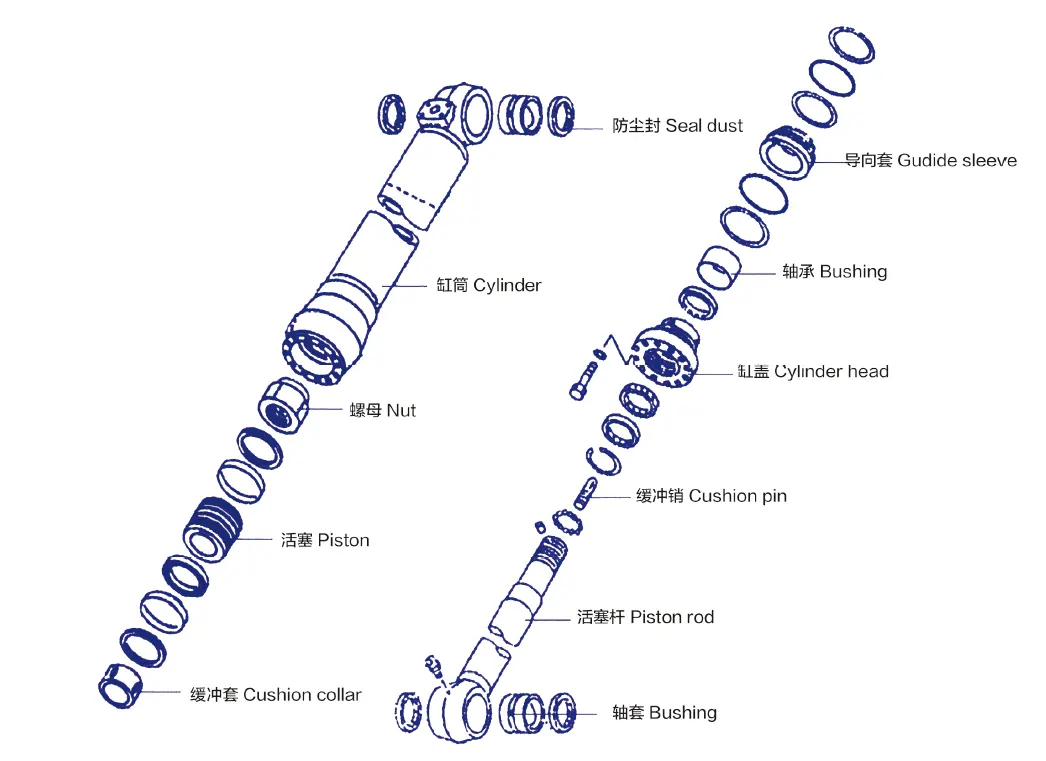
The arm cylinder, also known as the boom cylinder, is an essential component in hydraulic systems. It consists of a cylinder barrel, piston, rod, and various seals. The cylinder barrel houses the piston, which moves back and forth within the cylinder to provide linear motion. The rod connects the piston to the arm or boom of the machinery, transferring the force generated by the hydraulic fluid to perform tasks such as digging, lifting, and material handling. The seals prevent leakage and maintain the necessary pressure for efficient operation.
Caratteristiche:
- Trasmissione ad alta efficienza: The arm cylinder provides powerful linear motion and force, ensuring high-performance operation of the machinery arm in various operations.
- Controllo preciso: Grazie al sistema idraulico, il cilindro del braccio consente un controllo preciso del movimento, rendendo più flessibile e preciso il funzionamento degli utensili collegati.
- Forte durata: Arm cylinders are typically made of high-strength materials, providing excellent wear and corrosion resistance for prolonged use in harsh environments.
- Versatile adattabilità: These cylinders can be widely applied to various machinery equipment, including excavators, cranes, and robotic arms, catering to different work requirements.
- Facile manutenzione: Designed with ease of maintenance and replacement in mind, arm cylinders facilitate regular inspection and upkeep, reducing equipment downtime.

Applicazioni:
- Ingegneria edile: Negli escavatori e nelle gru, il cilindro del braccio controlla il movimento della benna o del braccio, facilitando i movimenti terra, la movimentazione dei materiali e l'installazione strutturale.
- Industria manifatturiera: Nelle linee di produzione automatizzate, il cilindro del braccio consente il movimento dei bracci robotici per processi quali assemblaggio, saldatura e movimentazione dei materiali, migliorando l'efficienza e la precisione della produzione.
- Macchine agricole: In agricultural equipment like harvesters and seeders, the arm cylinder controls the movement of the operating arms, performing tasks such as seeding, fertilizing, and harvesting.
- Estrazione mineraria: Nelle attrezzature minerarie, il cilindro del braccio controlla il movimento del braccio dei macchinari minerari, facilitando l'estrazione e il trasporto del minerale.
- Logistica e Trasporti: Nei carrelli elevatori e nei robot di movimentazione, il cilindro del braccio controlla il sollevamento e il movimento delle forche, consentendo la movimentazione e l'impilamento dei materiali.
Considerazioni progettuali e criteri di selezione:
Considerazioni progettuali:
- Capacità di carico: The arm cylinder should be designed to withstand the maximum load expected during operation to ensure safety and prevent failure.
- Sigillatura: Proper selection of seals, such as piston seals and rod seals, is crucial to maintain hydraulic fluid integrity and prevent leakage.
- Durata: The materials used in the arm cylinder should possess excellent wear resistance and corrosion resistance to withstand challenging operating conditions.
- Sicurezza: Safety features, such as pressure relief valves and mechanical locks, should be incorporated into the design to prevent accidents and ensure operator protection.
- Manutenibilità: Designing the arm cylinder for easy maintenance and repair reduces downtime and enhances the overall lifespan of the hydraulic system.

Sigillatura e lubrificazione:
The arm cylinder utilizes various sealing components, such as piston seals and rod seals, made from wear-resistant materials like polyurethane and nitrile rubber. The cylinder barrel and threaded ends undergo meticulous surface treatments to enhance wear resistance. Regular lubrication with the appropriate hydraulic oil is essential to ensure smooth operation and prevent premature wear of the seals and other moving parts.
Misure di manutenzione e prevenzione:
- Regularly inspect the arm cylinder for signs of leakage, wear, or damage.
- Replace worn-out seals and components promptly to prevent system failure.
- Keep the hydraulic system clean to avoid contamination and maintain optimal performance.
- Monitor and adjust hydraulic fluid levels as recommended by the manufacturer.
- Follow proper installation procedures to ensure the arm cylinder functions correctly.

Guida all'installazione:
1. Ensure the machinery is powered off and the hydraulic system is depressurized.
2. Position the arm cylinder in the correct orientation, aligning the rod with the arm or boom attachment point.
3. Securely attach the cylinder to the machinery using appropriate mounting brackets and bolts.
4. Connect the hydraulic hoses or lines to the cylinder’s inlet and outlet ports, following the manufacturer’s specifications.
5. Double-check all connections for leaks or loose fittings before pressurizing the hydraulic system.
6. Gradually increase the pressure and test the operation of the arm cylinder, ensuring smooth and accurate motion.

Considerazioni sulla sicurezza e fattori ambientali:
When working with arm cylinders, it is crucial to prioritize safety measures. Operators should receive proper training on equipment operation and safety protocols. Additionally, regular inspection and maintenance of the hydraulic system can help identify potential safety hazards and prevent accidents. Environmental factors, such as temperature and fluid compatibility, should also be taken into account to ensure optimal performance and longevity of the arm cylinder.
Diagnosi dei guasti e problemi comuni:
1. Leaks: Inspect seals, connections, and fittings for signs of leakage. Replace worn or damaged components as necessary.
2. Slow or Inconsistent Movement: Check hydraulic fluid levels, filter condition, and system pressure. Clean or replace filters and adjust pressure if needed.
3. Excessive Noise or Vibration: Inspect mounting brackets, bolts, and attachments for looseness or damage. Tighten or replace components as necessary.
4. Cylinder Drift: Check for internal leaks or worn seals. Replace seals and ensure proper sealing to prevent drift.
5. Overheating: Verify proper hydraulic fluid levels and flow. Check for clogged filters or excessive system pressure. Address any issues accordingly.
Remember to organize the article logically, use subheadings for easy navigation, incorporate relevant images or charts for enhanced understanding, and ensure content clarity, conciseness, and suitability for readers with varying levels of technical knowledge.
Autore: lyl
Cilindro idraulico Applicazione:

 IT
IT  EN
EN  PT
PT  ES
ES  DE
DE  FR
FR  AR
AR  ZH
ZH  RU
RU  KO
KO  KA
KA  BG
BG  CS
CS  DA
DA  EL
EL  ET
ET  FI
FI  HU
HU  ID
ID  LT
LT  LV
LV  NB
NB  NL
NL  PL
PL  RO
RO  SK
SK  SL
SL  SV
SV  TR
TR  UK
UK