
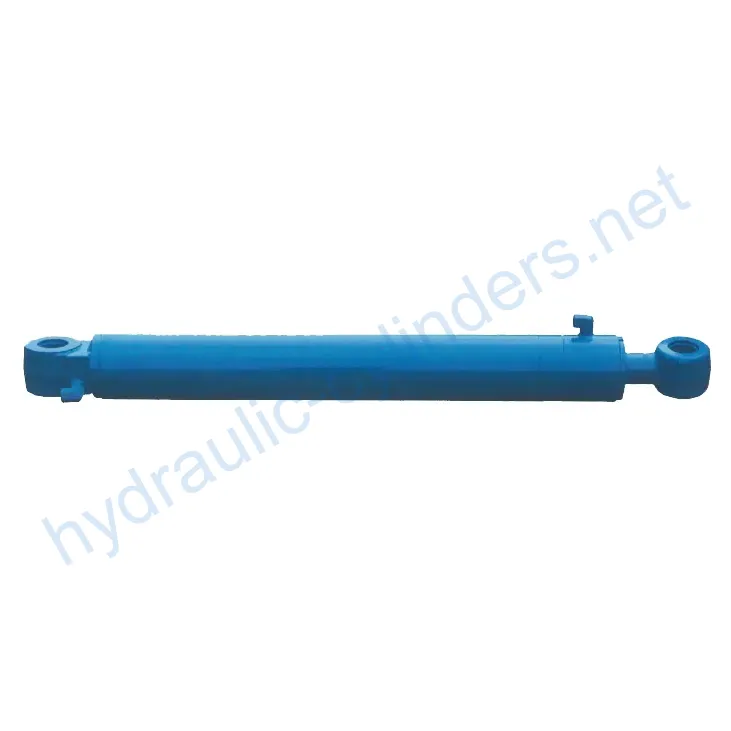
Cilindro del braccio per escavatore centrale Doosan DH260LC
In qualità di uno dei produttori, fornitori ed esportatori di prodotti meccanici, offriamo cilindri idraulici e molti altri prodotti.
Per maggiori dettagli, contattateci.
Posta:sales@hydraulic-cylinders.net
Produttore fornitore esportatore di cilindri idraulici.
Arm Cylinder For Doosan Middle Excavator DH260LC
Introduzione
The arm cylinder is a specially designed hydraulic cylinder that is used to provide linear motion and power to the arm of various types of machinery, such as excavators, cranes, and robotic arms. It plays a crucial role in hydraulic systems, enabling the efficient movement and control of additional tools or attachments. These cylinders not only enable smooth motion but also withstand heavy loads, ensuring the efficient operation and reliability of the machinery under various working conditions.
Definizione e spiegazione
The arm cylinder is a hydraulic cylinder designed to provide linear motion and power to the arm of various types of machinery. It is a key component in hydraulic systems, allowing for the effective movement and control of additional tools or attachments. These cylinders are capable of smooth motion and can withstand heavy loads, ensuring the efficient operation and reliability of the machinery in various working conditions.
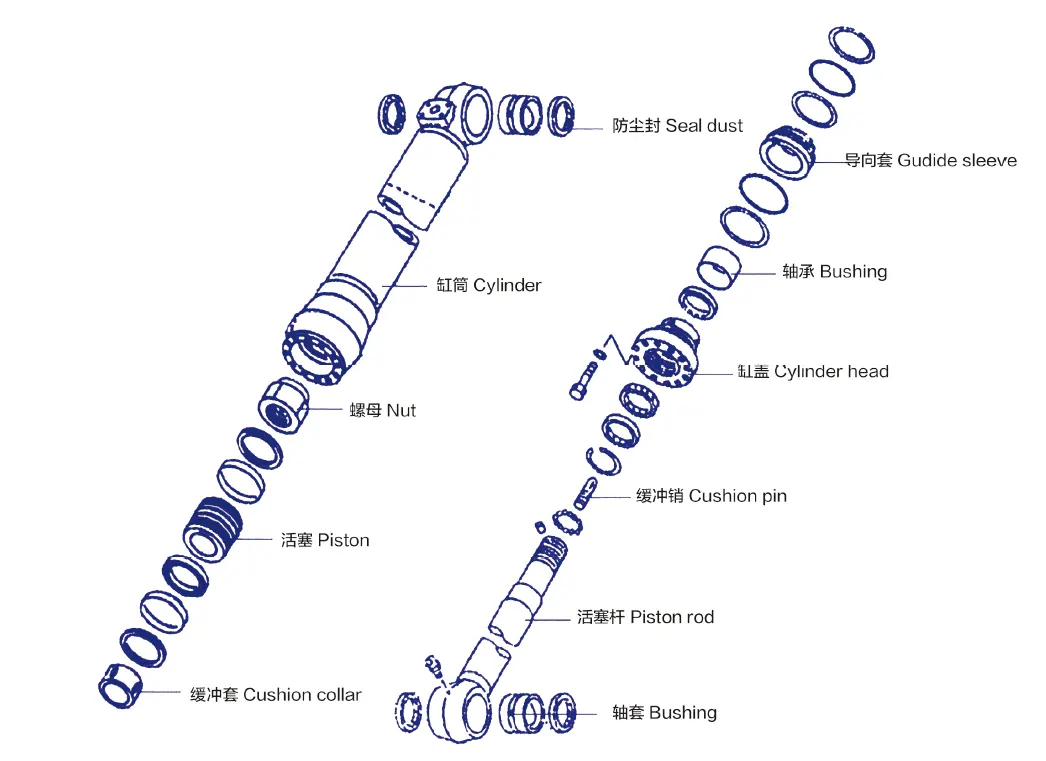
Caratteristiche
- Trasmissione ad alta efficienza: Il cilindro del braccio fornisce un potente movimento lineare e una forza tale da garantire elevate prestazioni al braccio meccanico in varie operazioni.
- Controllo di precisione: Through a hydraulic system, the arm cylinder allows for precise motion control, making the operation of attached tools more flexible and accurate.
- Durata: I cilindri dei bracci sono solitamente realizzati con materiali ad alta resistenza, che offrono un'eccellente resistenza all'usura e alla corrosione, rendendoli adatti all'uso a lungo termine in ambienti difficili.
- Adattabilità multifunzionale: Questi cilindri possono essere ampiamente utilizzati in vari tipi di macchinari, come escavatori, gru e bracci robotici, adattandosi a diverse esigenze di lavoro.
- Facile manutenzione: Designed for ease of maintenance and replacement, the arm cylinders facilitate regular inspections and maintenance, reducing equipment downtime.

Applicazioni
The arm cylinder finds applications in various industries, including:
1. Ingegneria delle costruzioni
Negli escavatori e nelle gru, il cilindro del braccio controlla il movimento della benna o del braccio per il movimento terra, la movimentazione dei materiali e l'installazione strutturale.
2. Industria manifatturiera
In automated production lines, the arm cylinder enables the movement of robotic arms for assembly, welding, and handling processes, improving production efficiency and accuracy.
3. Macchine agricole
In agricultural machinery such as harvesters and seeders, the arm cylinder controls the movement of the operating arm for tasks like planting, fertilizing, and harvesting.
4. Estrazione mineraria
In mining equipment, the arm cylinder controls the arm movement for mining and material transport operations.
5. Logistica e trasporti
In forklifts and handling robots, the arm cylinder controls the lifting and movement of the forks, enabling material handling and stacking.

Considerazioni progettuali e criteri di selezione
When it comes to the design and selection of arm cylinders, several key factors should be considered:
1. Capacità portante
The arm cylinder should be able to withstand the expected loads during operation to ensure safe and efficient performance.
2. Sigillatura
Various sealing components, such as piston seals and rod seals, should be used to prevent leaks and maintain the cylinder’s performance. Seals made of wear-resistant materials like polyurethane and nitrile rubber are commonly chosen.
3. Durata
The arm cylinder should be made of high-quality materials with excellent wear and corrosion resistance, ensuring long-term reliability in demanding environments.
4. Sicurezza
Safety features, such as pressure relief valves and emergency stop mechanisms, should be incorporated into the design to ensure safe operation and prevent accidents.
5. Manutenibilità
The design should consider ease of maintenance and replacement, allowing for convenient periodic inspections and reducing downtime.

Sigillatura e lubrificazione
The arm cylinder utilizes various sealing components, such as piston seals and rod seals, to ensure proper sealing and prevent leaks. These seals are made of wear-resistant materials like polyurethane and nitrile rubber. Additionally, the cylinder body and threaded ends are finely treated to enhance wear resistance. Regular lubrication with the appropriate amount of hydraulic oil is required to ensure smooth operation.
Ispezione regolare e manutenzione preventiva
To maintain optimal performance and extend the lifespan of the arm cylinder, regular inspections and preventive maintenance are essential. The following measures should be taken:
1. Ispezione
Regularly inspect the arm cylinder for signs of wear, leaks, or damage. Check the seals, connections, and overall condition of the cylinder. Replace any worn or damaged components promptly.
2. Lubrificazione
Ensure the arm cylinder is properly lubricated with the recommended hydraulic oil. Regularly check and refill the oil to maintain the required level.
3. Pulizia
Keep the arm cylinder clean and free from debris or contaminants that could affect its performance. Use appropriate cleaning methods and materials.
4. Pressure Testing
Periodically conduct pressure tests to verify the cylinder’s performance and identify any potential issues. Follow the manufacturer’s guidelines for testing procedures.

Considerazioni sulla sicurezza e fattori ambientali
When working with arm cylinders, safety measures are crucial to protect personnel and equipment. It is important to emphasize the following:
Misure di sicurezza
Always follow proper safety procedures and guidelines when operating or maintaining arm cylinders. Use personal protective equipment (PPE) as required and ensure proper training for personnel.
Environmental Factors
Consider the environmental conditions in which the arm cylinder will be operating. Take into account temperature, humidity, and other factors that may affect performance or require additional protective measures.
Diagnosi dei guasti e problemi comuni
Arm cylinders may experience faults or common issues that can affect their performance. Some possible problems include:
1. Perdite
Leaks in the cylinder’s seals or connections can result in loss of hydraulic fluid and reduced performance. Inspect and replace worn or damaged seals promptly.
2. Movimento lento o incoerente
If the arm cylinder exhibits slow or inconsistent movement, it may indicate a problem with the hydraulic system, such as low fluid pressure or a faulty control valve. Check the system components and address any issues accordingly.
3. Rumore o vibrazioni eccessivi
Unusual noise or vibration during operation could be a sign of misalignment, worn bearings, or loose components. Inspect the cylinder and associated parts for any signs of damage or wear.
4. Cylinder Drift
Cylinder drift occurs when the arm slowly moves even when no external force is applied. This can be caused by internal valve leakage or problems with the cylinder’s seals. Address the issue by replacing faulty seals or repairing the valve.
Suggerimenti e soluzioni per la risoluzione dei problemi
To effectively diagnose and resolve issues with arm cylinders, consider the following tips:
1. Inspect and Clean
Thoroughly inspect the cylinder and associated parts, paying attention to cleanliness
Cilindro idraulico Applicazione:

 IT
IT  EN
EN  PT
PT  ES
ES  DE
DE  FR
FR  AR
AR  ZH
ZH  RU
RU  KO
KO  KA
KA  BG
BG  CS
CS  DA
DA  EL
EL  ET
ET  FI
FI  HU
HU  ID
ID  LT
LT  LV
LV  NB
NB  NL
NL  PL
PL  RO
RO  SK
SK  SL
SL  SV
SV  TR
TR  UK
UK