
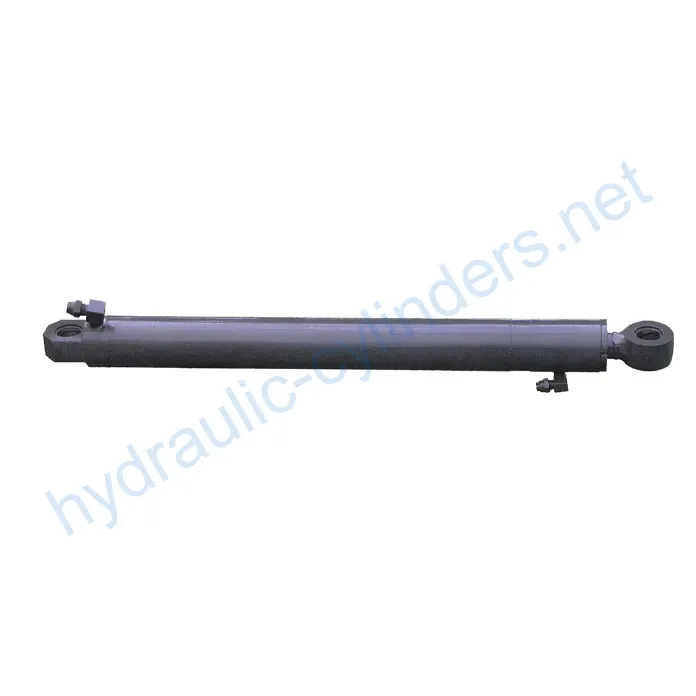
Cilindro del braccio per escavatore piccolo Sany SY75C-9
In qualità di uno dei produttori, fornitori ed esportatori di prodotti meccanici, offriamo cilindri idraulici e molti altri prodotti.
Per maggiori dettagli, contattateci.
Posta:sales@hydraulic-cylinders.net
Produttore fornitore esportatore di cilindri idraulici.
Arm Cylinder For Sany Small Excavator SY75C-9
Introduzione
The arm cylinder is a specially designed hydraulic cylinder that provides linear motion and power to the arm of various machinery, such as excavators, cranes, and robotic arms. It plays a crucial role in hydraulic systems, allowing for the efficient movement and control of additional tools or attachments. These cylinders not only enable smooth motion but also withstand heavy loads, ensuring efficient operation and reliability of the machinery under various working conditions.
Definizione
The arm cylinder, also known as the boom cylinder, is a hydraulic cylinder specifically designed to provide linear motion and power to the arm of machinery. It is responsible for the extension and retraction of the arm, allowing for precise control and efficient operation of the equipment.
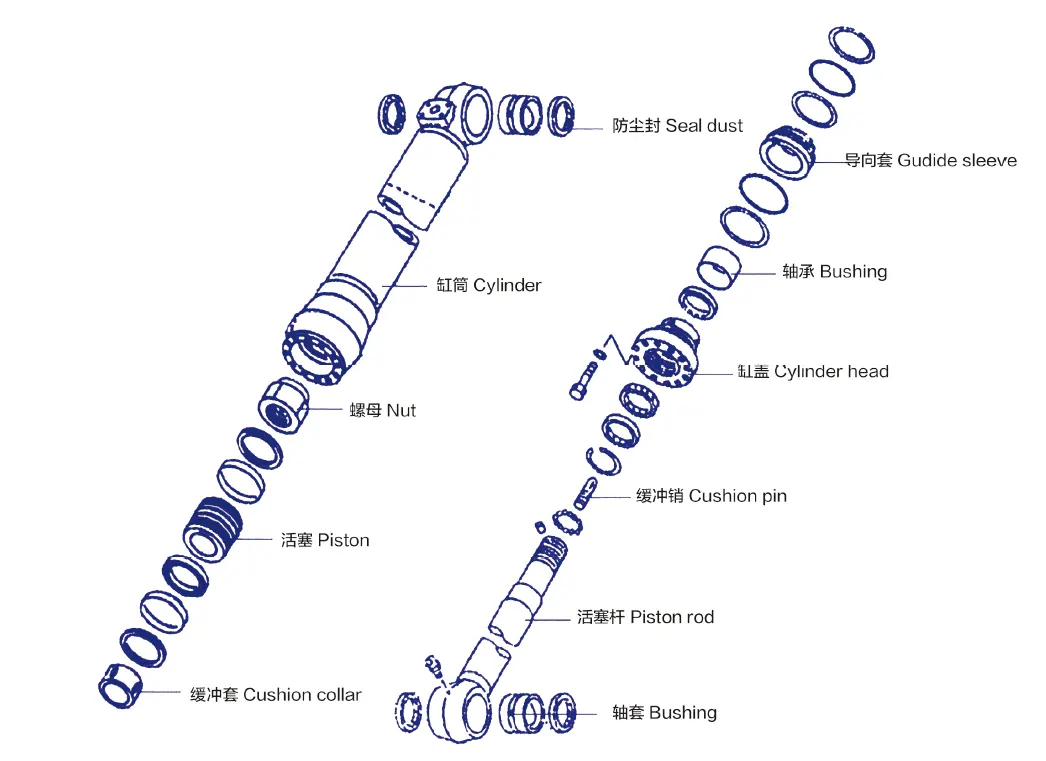
Caratteristiche
- Trasmissione ad alta efficienza: The arm cylinder provides powerful linear motion and force, ensuring high-performance operation of the machinery.
- Controllo preciso: Grazie al sistema idraulico, il cilindro del braccio consente un controllo preciso del movimento, rendendo più flessibile e preciso l'azionamento di utensili aggiuntivi.
- Durata: Arm cylinders are typically made of high-strength materials and have excellent wear resistance and corrosion resistance, making them suitable for long-term use in harsh environments.
- Adattabilità multifunzionale: Questi cilindri possono essere ampiamente utilizzati in vari macchinari, come escavatori, gru e bracci robotici, adattandosi a diverse esigenze di lavoro.
- Facile manutenzione: Il design del cilindro del braccio tiene conto della facilità di manutenzione e sostituzione, rendendo più comode le ispezioni e gli interventi di manutenzione regolari e riducendo i tempi di fermo delle attrezzature.

Applicazioni
Il cilindro del braccio trova applicazione in vari settori industriali:
1. Ingegneria delle costruzioni
In excavators and cranes, the arm cylinder is used to control the movement of the bucket or boom, enabling earthworks, material handling, and structural installations.
2. Produzione
In automated production lines, the arm cylinder is used for the motion of robotic arms, enabling assembly, welding, and material handling processes, improving production efficiency and precision.
3. Macchine agricole
In agricultural machinery such as harvesters and planters, the arm cylinder controls the movement of the operating arm, performing tasks like sowing, fertilizing, and harvesting.
4. Estrazione mineraria
In mining equipment, the arm cylinder is used to control the arm movement of mining machinery, enabling the extraction and transportation of ores.
5. Logistica e trasporti
In forklifts and handling robots, the arm cylinder is used for controlling the lifting and movement of forks, facilitating material handling and stacking.

Considerazioni progettuali e criteri di selezione
When designing arm cylinders, several key factors need to be considered:
1. Capacità portante
The arm cylinder should be designed to withstand the maximum load it will be subjected to during operation, ensuring safe and reliable performance.
2. Sigillatura
Various sealing components, such as piston seals and rod seals, are used to prevent leakage and ensure the hydraulic system operates efficiently. Durable and wear-resistant materials, such as polyurethane and nitrile rubber, are commonly used for seals.
3. Durata
Arm cylinders are manufactured using high-strength materials and undergo surface treatments to enhance wear resistance. This ensures the longevity of the cylinder, even in demanding working environments.
4. Sicurezza
Design features should prioritize operator safety, including measures such as safety valves to prevent overloading and protective shields to minimize the risk of accidents.
5. Manutenibilità
The design should allow for easy maintenance and repair, ensuring that regular inspections and necessary replacements can be performed conveniently, reducing downtime and improving productivity.

Sigillatura e lubrificazione
The arm cylinder utilizes various sealing components, such as piston seals and rod seals, which are made of durable and wear-resistant materials like polyurethane and nitrile rubber. The cylinder body and threaded end surfaces are finely treated to enhance wear resistance. Regular lubrication with the appropriate hydraulic oil is required to ensure smooth operation and minimize friction.
Ispezione regolare e manutenzione preventiva
To maintain optimal performance and prolong the lifespan of the arm cylinder, the following measures are recommended:
1. Regularly check for leaks, wear, or damage to the sealing components.
2. Inspect the cylinder body and threaded end surfaces for any signs of wear or corrosion.
3. Ensure proper lubrication by periodically adding the recommended amount of hydraulic oil.
4. Check the hydraulic system for any abnormal pressure or temperature fluctuations.

Guida all'installazione del prodotto
La corretta installazione del cilindro del braccio è fondamentale per le sue prestazioni e la sua sicurezza. Seguire questi passaggi:
1. Securely position the cylinder in the designated mounting location on the machinery.
2. Connect the hydraulic hoses to the appropriate ports, ensuring proper sealing.
3. Make sure all fasteners are securely tightened, but avoid over-tightening.
4. Test the cylinder’s functionality and inspect for any leaks before operating the machinery.
Considerazioni sulla sicurezza e fattori ambientali
When using the arm cylinder, it is important to prioritize safety measures. Some key considerations include:
1. Follow all safety guidelines and instructions provided by the equipment manufacturer.
2. Properly train operators on the safe operation and maintenance of the machinery.
3. Regularly inspect the arm cylinder for any signs of wear, damage, or leaks that could jeopardize safety.
4. Dispose of hydraulic fluids and components in accordance with environmental regulations.
Risoluzione dei problemi e problemi comuni
Arm cylinders may encounter certain problems. Here are some common issues and their possible solutions:
1. Perdita
If there is a noticeable hydraulic fluid leak, inspect the seal components and replace any damaged seals. Ensure proper assembly and tightness of all connections.
2. Movimento lento o incoerente
Check hydraulic fluid levels and pressure. If necessary, replace worn-out or damaged components that may be causing fluid restriction or pressure loss.
3. Noisy Operation
Noise during operation could indicate worn-out or damaged components. Inspect and replace any faulty parts accordingly.
4. Excessive Vibration
Excessive vibration may be caused by misalignment or worn-out components. Inspect and reposition or replace
Cilindro idraulico Applicazione:

 IT
IT  EN
EN  PT
PT  ES
ES  DE
DE  FR
FR  AR
AR  ZH
ZH  RU
RU  KO
KO  KA
KA  BG
BG  CS
CS  DA
DA  EL
EL  ET
ET  FI
FI  HU
HU  ID
ID  LT
LT  LV
LV  NB
NB  NL
NL  PL
PL  RO
RO  SK
SK  SL
SL  SV
SV  TR
TR  UK
UK