
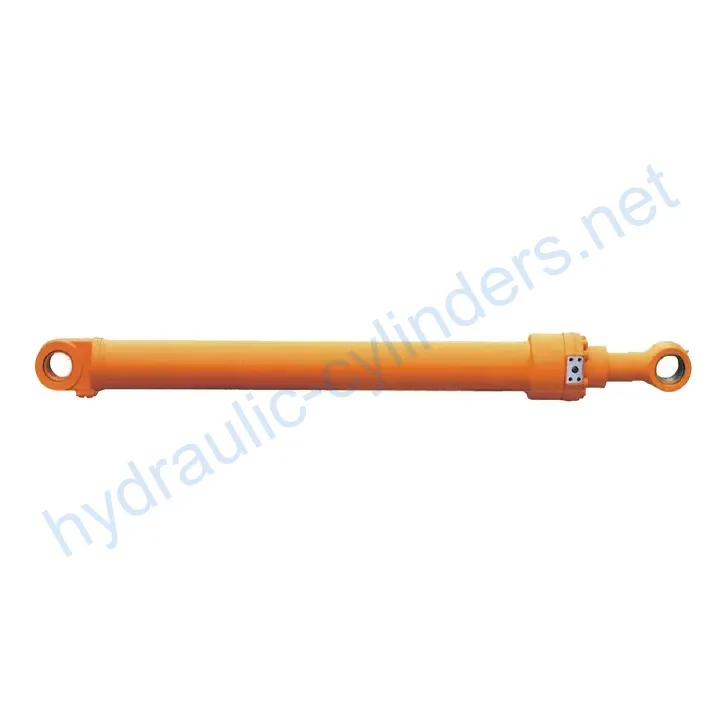
Cilindro del braccio per escavatore di grandi dimensioni XCMG XE335C
In qualità di uno dei produttori, fornitori ed esportatori di prodotti meccanici, offriamo cilindri idraulici e molti altri prodotti.
Per maggiori dettagli, contattateci.
Posta:sales@hydraulic-cylinders.net
Produttore fornitore esportatore di cilindri idraulici.
Cilindro del braccio per escavatore di grandi dimensioni XCMG XE335C
The Arm Cylinder for XCMG Large Excavator XE335C is a specialized hydraulic cylinder designed to provide linear motion and power to the arm of various types of machinery, such as excavators, cranes, and robotic arms. The arm cylinder plays a key role in hydraulic systems, enabling the efficient movement and control of additional tools or attachments. These cylinders not only ensure smooth motion but also withstand heavy loads, ensuring efficient operation and reliability of the machinery under various working conditions.
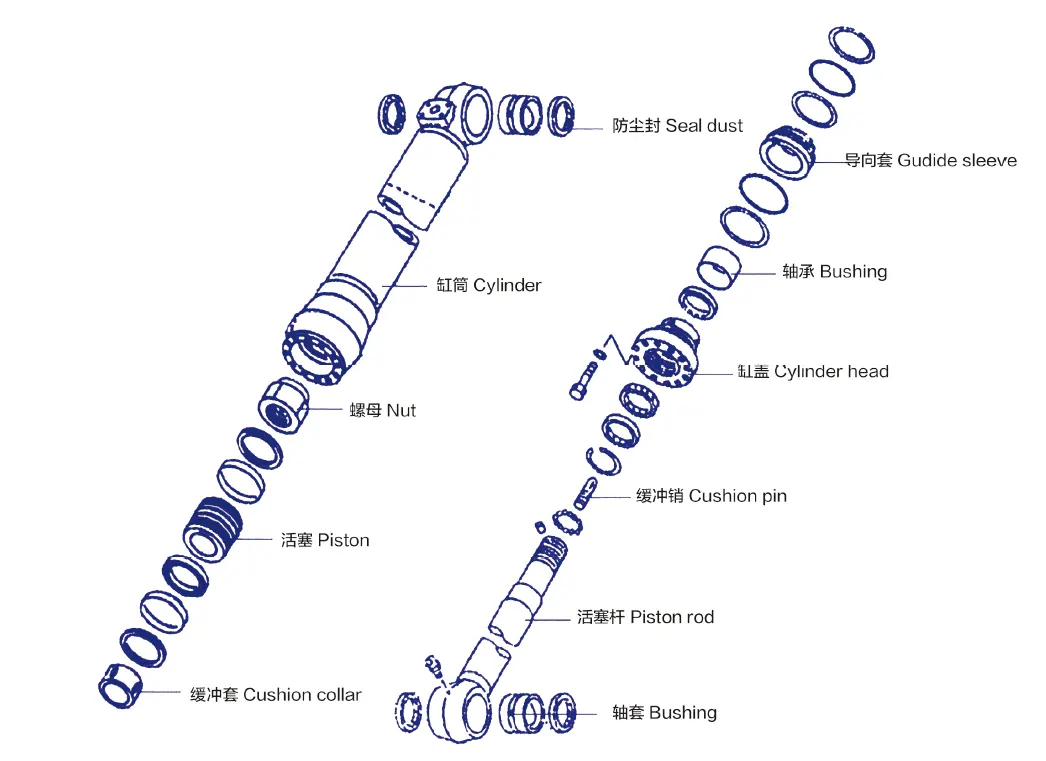
Caratteristiche del cilindro del braccio
1. High Efficiency Drive
Il cilindro del braccio fornisce un potente movimento lineare e una forza tale da garantire elevate prestazioni al braccio del macchinario in varie operazioni.
2. Controllo preciso
Grazie al sistema idraulico, il cilindro del braccio consente un controllo preciso del movimento, rendendo più flessibile e preciso il funzionamento degli utensili collegati.
3. Forte durata
Il cilindro del braccio è solitamente realizzato utilizzando materiali ad alta resistenza, che offrono un'eccellente resistenza all'usura e alla corrosione, rendendolo adatto all'uso a lungo termine in ambienti difficili.
4. Versatile adattabilità
These cylinders can be widely applied to various types of machinery equipment, such as excavators, cranes, and robotic arms, to meet different working requirements.
5. Facile manutenzione
Designed with ease of maintenance and replacement in mind, the Arm Cylinder facilitates convenient regular inspections and upkeep, reducing equipment downtime.

Applicazioni del cilindro del braccio
The Arm Cylinder finds application in various industries and scenarios:
1. Ingegneria delle costruzioni
Negli escavatori e nelle gru, il cilindro del braccio controlla il movimento delle benne o dei bracci per il movimento terra, la movimentazione dei materiali e le installazioni strutturali.
2. Produzione
In automated production lines, the Arm Cylinder enables the movement of robotic arms for assembly, welding, and material handling processes, enhancing production efficiency and precision.
3. Macchine agricole
In agricultural equipment such as harvesters and seeders, the Arm Cylinder controls the motion of operating arms for tasks like planting, fertilizing, and harvesting.
4. Estrazione mineraria
Nelle attrezzature minerarie, il cilindro del braccio controlla il movimento dei bracci dei macchinari minerari per l'estrazione e il trasporto del minerale.
5. Logistica e trasporti
Nei carrelli elevatori e nei robot di movimentazione, il cilindro del braccio controlla il sollevamento e il movimento delle forche, consentendo la movimentazione e l'impilamento dei materiali.

Considerazioni progettuali e criteri di selezione
When designing and selecting the Arm Cylinder, several factors should be taken into consideration:
1. Load Bearing Capacity
The Arm Cylinder should be designed to withstand the expected loads and forces encountered in the specific application.
2. Capacità di sigillatura
Various sealing components, such as piston seals and rod seals made of wear-resistant materials like polyurethane and nitrile rubber, should be used to ensure effective sealing and prevent leakage.
3. Durata
The construction of the cylinder, including the surface treatment of the cylinder body and threaded ends, should be finely processed to enhance wear resistance and prolong its lifespan.
4. Sicurezza
The Arm Cylinder should adhere to safety standards and incorporate safety features to prevent accidents during operation.
5. Maintenability
Considerations for easy maintenance and repair should be incorporated into the design, allowing for convenient inspection, lubrication, and replacement of components.

Sigillatura e lubrificazione
The Arm Cylinder utilizes various sealing elements, such as piston seals and rod seals, made from wear-resistant materials like polyurethane and nitrile rubber. The cylinder body and threaded ends undergo fine processing to improve wear resistance. Regular lubrication with the appropriate amount of hydraulic oil is required to ensure smooth operation and prolong the cylinder’s lifespan.
Ispezione regolare e manutenzione preventiva
- Inspect the Arm Cylinder regularly for any signs of wear, leakage, or damage.
- Check the hydraulic fluid levels and quality to ensure proper lubrication and cleanliness.
- Perform routine maintenance tasks such as cleaning, lubrication, and tightening of components.
- Replace worn-out seals and damaged parts promptly to prevent further damage or failure.
- Follow the manufacturer’s recommendations and guidelines for preventive maintenance.
Guida all'installazione del prodotto
Proper installation of the Arm Cylinder is crucial for its performance and longevity. Follow the steps below:
- Ensure the excavator or machinery is powered off and the hydraulic system is depressurized.
- Securely attach the Arm Cylinder to the designated mounting points on the machinery, following the manufacturer’s instructions.
- Tighten all connections and fasteners to the specified torque.
- Collegare i tubi flessibili idraulici e i raccordi, assicurandosi che siano correttamente allineati e sigillati.
- Riempire il sistema idraulico con il fluido idraulico consigliato.
- Perform a thorough inspection to ensure proper installation and functionality before operating the machinery.

Considerazioni sulla sicurezza e fattori ambientali
When using the Arm Cylinder, it is essential to prioritize safety measures to prevent accidents and ensure the well-being of operators and surrounding personnel. Adherence to safety protocols and regulations is of utmost importance. Additionally, environmental factors should be taken into account to mitigate any adverse effects caused by the machinery’s operation.
Diagnosi dei guasti e problemi comuni
While the Arm Cylinder is designed to be reliable, certain faults and issues may arise. Some common problems include:
- Perdite dalle guarnizioni o dai collegamenti
- Slow or insufficient movement of the arm
- Rumore anomalo durante il funzionamento
- Movimento incoerente o a scatti
- Failure to hold or maintain position
When encountering these problems, follow these tips and solutions:
- Inspect seals and connections for damage or wear and replace if necessary.
- Check the hydraulic fluid levels and quality, topping up or replacing as needed.
- Ensure proper alignment and adjustment of the cylinder and associated components.
- Lubricate moving parts and check for any obstructions or debris affecting the arm’s movement.
- If the issues persist, consult a professional technician or contact the manufacturer for further assistance.
Autore: lyl
Informazioni sulla nostra azienda
We are a professional manufacturer of replacement hydraulic cylinders with a wide range of products. We have become one of the leading hydraulic cylinder manufacturers and wholesale distributors in both domestic and international markets. Our commitment to excellence is based on industrialized production management strategies in our refined manufacturing workshop, continuously improving our technological level and production
Cilindro idraulico Applicazione:

 IT
IT  EN
EN  PT
PT  ES
ES  DE
DE  FR
FR  AR
AR  ZH
ZH  RU
RU  KO
KO  KA
KA  BG
BG  CS
CS  DA
DA  EL
EL  ET
ET  FI
FI  HU
HU  ID
ID  LT
LT  LV
LV  NB
NB  NL
NL  PL
PL  RO
RO  SK
SK  SL
SL  SV
SV  TR
TR  UK
UK