

Arm Cylinder For Case Small Excavator CX130B
In qualità di uno dei produttori, fornitori ed esportatori di prodotti meccanici, offriamo cilindri idraulici e molti altri prodotti.
Per maggiori dettagli, contattateci.
Posta:sales@hydraulic-cylinders.net
Produttore fornitore esportatore di cilindri idraulici.
Arm Cylinder For Case Small Excavator CX130B
Introduzione
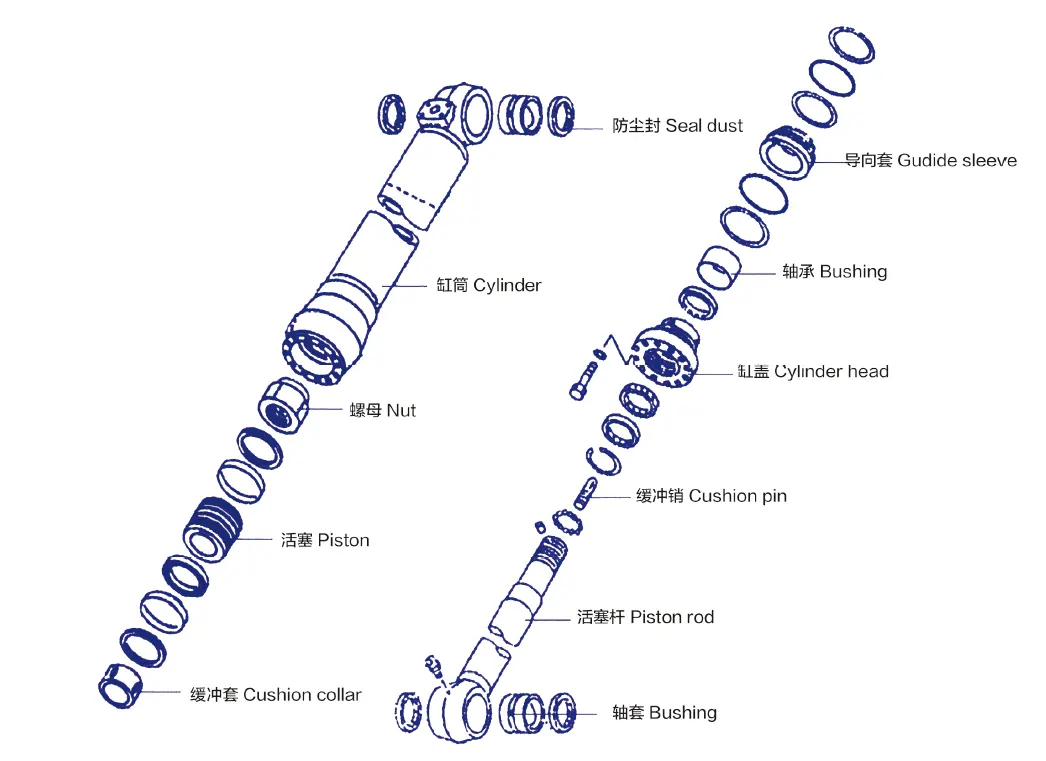
Il cilindro del braccio è un cilindro idraulico appositamente progettato per fornire movimento lineare e potenza al braccio di vari macchinari, come escavatori, gru e bracci robotici. Svolge un ruolo cruciale nei sistemi idraulici, consentendo il movimento e il controllo efficaci di utensili o accessori aggiuntivi. Questi cilindri non solo garantiscono un movimento fluido, ma resistono anche a carichi pesanti, assicurando un funzionamento efficiente e affidabile dei macchinari in diverse condizioni di lavoro.
Caratteristiche
- Trasmissione di potenza efficiente: The arm cylinder provides powerful linear motion and force, ensuring high-performance capabilities for the machinery arm.
- Controllo preciso: Grazie al sistema idraulico, il cilindro del braccio ottiene un controllo preciso del movimento, rendendo più flessibile e preciso il funzionamento di utensili aggiuntivi.
- Durata: I cilindri dei bracci sono solitamente realizzati utilizzando materiali ad alta resistenza, che offrono un'eccellente resistenza all'usura e alla corrosione, rendendoli adatti all'uso a lungo termine in ambienti difficili.
- Versatile adattabilità: These cylinders have a wide range of applications in various machinery, such as excavators, cranes, and robotic arms, catering to different operational needs.
- Facile manutenzione: Considerations for easy maintenance and replacement in the design make regular inspection and upkeep more convenient, reducing equipment downtime.

Applicazioni
The arm cylinder finds its usage in different industries and scenarios:
- Ingegneria edile: Negli escavatori e nelle gru, il cilindro del braccio controlla il movimento della benna o del braccio per lo spostamento della terra, la movimentazione dei materiali e l'installazione strutturale.
- Industria manifatturiera: In automated production lines, the arm cylinder enables the motion of robotic arms for assembly, welding, and handling processes, enhancing productivity and precision.
- Macchine agricole: In agricultural equipment such as harvesters and planters, the arm cylinder controls the movement of the operating arms for tasks like seeding, fertilizing, and harvesting.
- Estrazione mineraria: Nelle attrezzature minerarie, il cilindro del braccio viene utilizzato per controllare il movimento del braccio dei macchinari minerari per l'estrazione e il trasporto del minerale.
- Logistica e Trasporti: In forklifts and handling robots, the arm cylinder controls the lifting and moving of forks, enabling material handling and stacking operations.
Considerazioni progettuali e criteri di selezione
- Capacità di carico: The arm cylinder should be designed to withstand the specific load requirements of the machinery, ensuring safe and efficient operation.
- Sigillatura: Various sealing components, such as piston seals and rod seals made of wear-resistant materials like polyurethane and nitrile rubber, are used to maintain the required fluid tightness.
- Durata: The cylinder body and threaded end surface undergo precise treatment to improve wear resistance, ensuring longevity.
- Sicurezza: Safety considerations are vital during the design and manufacturing process to prevent any potential hazards and ensure operator protection.
- Manutenibilità: The arm cylinder should be designed for easy maintenance and repair, allowing for efficient inspection and minimizing downtime.

Sigillatura e lubrificazione
The arm cylinder uses various sealing components, such as piston seals and rod seals, made of wear-resistant materials like polyurethane and nitrile rubber. The cylinder body and threaded end surface undergo precise treatment to improve wear resistance. Regular lubrication with the appropriate hydraulic oil is necessary to ensure smooth operation and longevity of the cylinder.
Ispezione regolare e manutenzione preventiva
Per garantire prestazioni ottimali e longevità, sono essenziali ispezioni regolari e manutenzione preventiva:
- Ispezionare il cilindro per verificare la presenza di eventuali segni di usura, perdite o danni.
- Check and replace worn-out seals or components.
- Assicurare una corretta lubrificazione e rabboccare l'olio idraulico secondo necessità.
- Stringere eventuali collegamenti o bulloni allentati.
- Seguire i programmi di manutenzione consigliati dal produttore.
Guida all'installazione del prodotto
La corretta installazione del cilindro del braccio è fondamentale per le sue prestazioni e la sua longevità. Seguire questi passaggi:
- Prepare the mounting location on the machinery arm.
- Fissare saldamente il cilindro ai punti di montaggio designati utilizzando bulloni o elementi di fissaggio appropriati.
- Connect the hydraulic hoses to the cylinder and the machinery’s hydraulic system following the recommended guidelines.
- Assicurarsi che tutti i collegamenti siano ben serrati e privi di perdite.
- Test the cylinder’s operation to verify its functionality.

Considerazioni sulla sicurezza e fattori ambientali
When using arm cylinders, implementing proper safety measures is crucial to prevent accidents and ensure operator safety. Safety precautions should include:
- Providing proper training to operators on cylinder operation and safety protocols.
- Using protective equipment, such as gloves and safety glasses, when working with hydraulic systems.
- Ispezionare regolarmente il cilindro e il sistema idraulico per individuare eventuali pericoli per la sicurezza.
- Rispettando tutte le norme e le linee guida di sicurezza pertinenti.
Risoluzione dei problemi e problemi comuni
Arm cylinders may encounter certain issues, but they can be diagnosed and resolved with the following tips:
- If the cylinder does not extend or retract, check the hydraulic fluid level and pressure.
- Inspect the seals for any signs of leakage or damage and replace if necessary.
- Check for any blockages or restrictions in the hydraulic lines and clear them if needed.
- If the cylinder operates unevenly or makes unusual noises, inspect for worn-out components and replace them if required.

Ricordatevi di organizzare l'articolo in modo logico, utilizzando sottotitoli per una facile navigazione. Incorporate immagini o grafici pertinenti per migliorare la comprensione. Assicuratevi che il contenuto sia chiaro, conciso e adatto a lettori con diversi livelli di conoscenza tecnica.
Chi siamo
We are a professional manufacturer of replacement hydraulic cylinders, offering a wide range of products. We have become one of the leading hydraulic cylinder manufacturers and wholesale distributors in domestic and international markets. Upholding the principle of excellent quality, we rely on industrialized production management strategies in our refined manufacturing workshops to continuously improve our technical expertise and production efficiency. By introducing high-end digital manufacturing equipment and professional testing systems, we optimize our manufacturing platform and enhance product quality control processes, enabling us with strong innovation capabilities. Our goal is to meet customer’s diverse needs with efficiency, precision, and high-quality products.
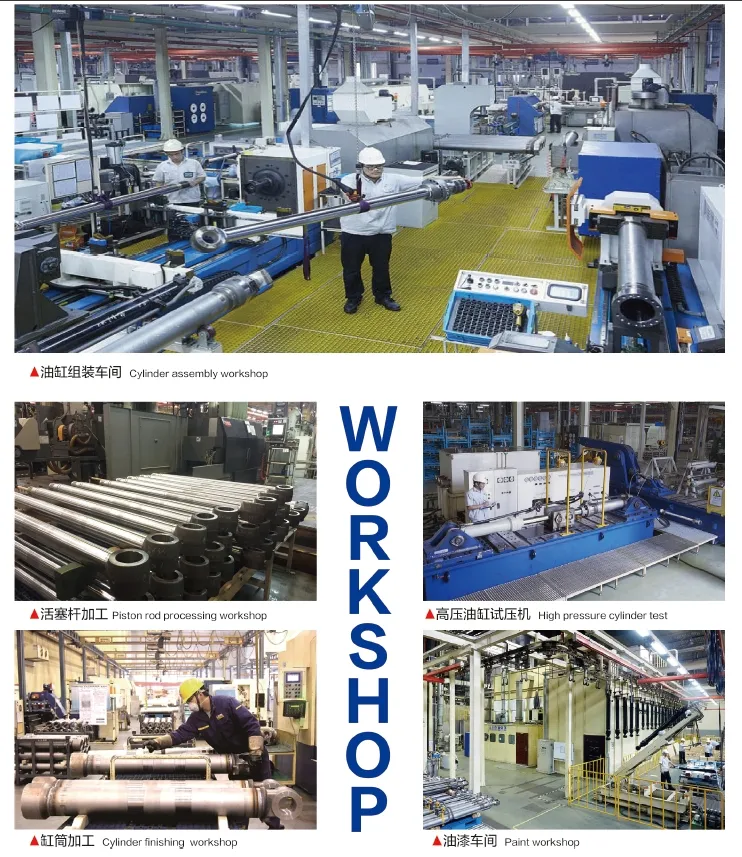
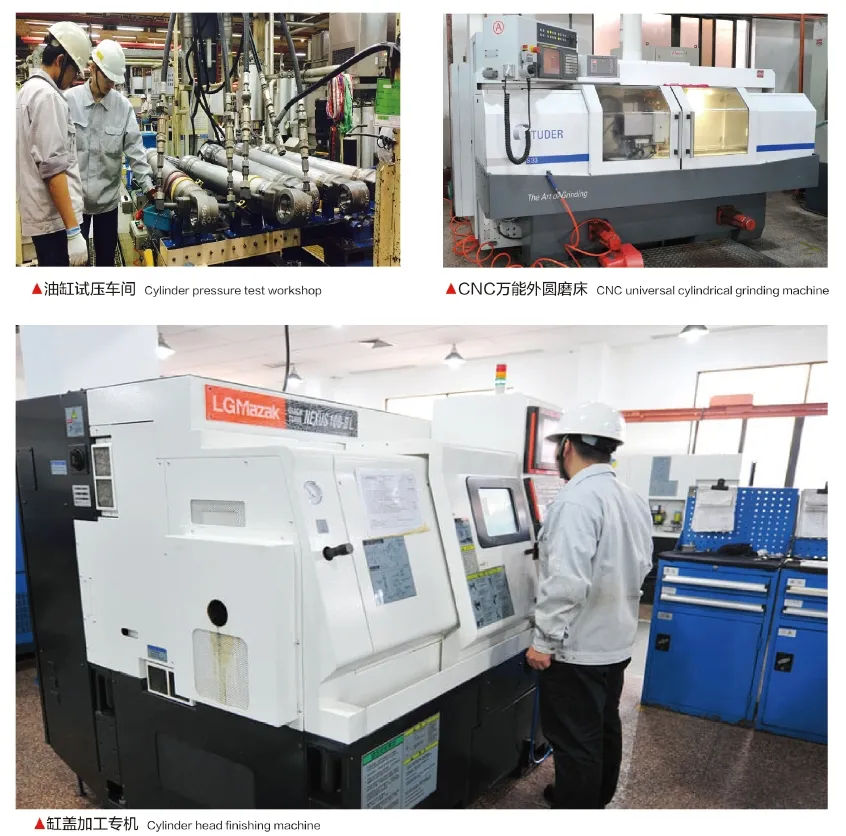
La nostra azienda si distingue per:
- Professionalism and expertise in the field of hydraulic cylinders.
- International certifications ensuring the highest quality standards.
- Customization options to cater to specific requirements.
- Attrezzature di produzione all'avanguardia.
- Excellent after-sales service and support.
Autore: lyl
Cilindro idraulico Applicazione:

 IT
IT  EN
EN  PT
PT  ES
ES  DE
DE  FR
FR  AR
AR  ZH
ZH  RU
RU  KO
KO  KA
KA  BG
BG  CS
CS  DA
DA  EL
EL  ET
ET  FI
FI  HU
HU  ID
ID  LT
LT  LV
LV  NB
NB  NL
NL  PL
PL  RO
RO  SK
SK  SL
SL  SV
SV  TR
TR  UK
UK