

Arm Cylinder For Nante NT08
In qualità di uno dei produttori, fornitori ed esportatori di prodotti meccanici, offriamo cilindri idraulici e molti altri prodotti.
Per maggiori dettagli, contattateci.
Posta:sales@hydraulic-cylinders.net
Produttore fornitore esportatore di cilindri idraulici.
Arm Cylinder For Nante NT08
Introduzione
The arm cylinder, also known as an hydraulic cylinder, is a specially designed hydraulic actuator used to provide linear motion and power to the arm of various types of machinery, such as excavators, cranes, and robotic arms. The arm cylinder plays a crucial role in hydraulic systems, enabling the efficient movement and control of additional tools or attachments. These cylinders not only provide smooth motion but also withstand heavy loads, ensuring efficient operation and reliability of the machinery in various working conditions.
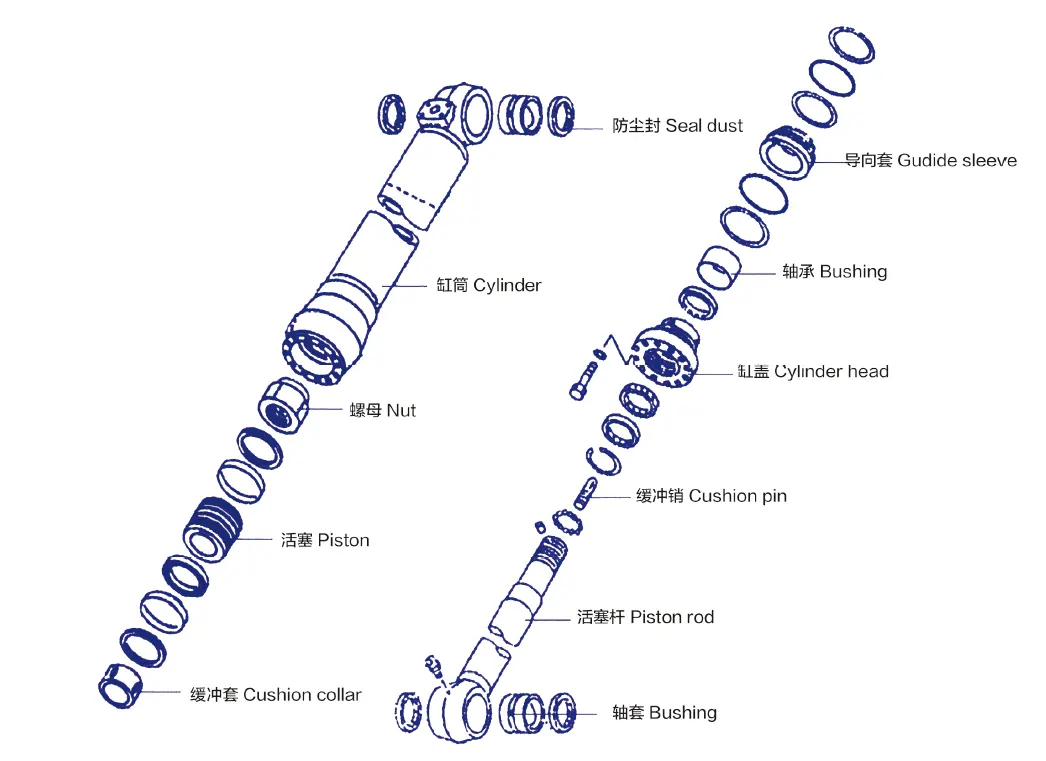
Caratteristiche
- Trasmissione ad alta efficienza: Il cilindro del braccio fornisce un potente movimento lineare e una forza tale da garantire elevate prestazioni del braccio meccanico in varie operazioni.
- Controllo preciso: Grazie al sistema idraulico, il cilindro del braccio ottiene un controllo preciso del movimento, rendendo più flessibile e preciso il funzionamento di utensili aggiuntivi.
- Durata: I cilindri dei bracci sono solitamente realizzati con materiali ad alta resistenza, con un'eccellente resistenza all'usura e alla corrosione, che li rendono adatti all'uso a lungo termine in ambienti difficili.
- Adattabilità multifunzionale: These cylinders can be widely used in various machinery equipment, such as excavators, cranes, and robotic arms, to accommodate different job requirements.
- Facilità di manutenzione: The design of the arm cylinder takes into consideration ease of maintenance and replacement, making regular inspections and upkeep more convenient, thus reducing equipment downtime.

Applicazioni
Il cilindro del braccio trova applicazione in vari settori industriali:
1. Ingegneria delle costruzioni
Negli escavatori e nelle gru, il cilindro del braccio viene utilizzato per controllare il movimento della benna o del braccio durante i lavori di movimento terra, la movimentazione dei materiali e l'installazione strutturale.
2. Produzione
Nelle linee di produzione automatizzate, il cilindro del braccio viene utilizzato per il movimento dei bracci robotici in processi quali assemblaggio, saldatura e movimentazione dei materiali, migliorando l'efficienza e la precisione della produzione.
3. Macchine agricole
In agricultural machinery such as harvesters and seeders, the arm cylinder controls the movement of the operating arm for tasks such as planting, fertilizing, and harvesting.
4. Estrazione mineraria
Nelle attrezzature minerarie, il cilindro del braccio viene utilizzato per controllare il movimento del braccio dei macchinari minerari per l'estrazione e il trasporto del minerale.
5. Logistica e trasporti
Nei carrelli elevatori e nei robot di movimentazione, il cilindro del braccio controlla il sollevamento e il movimento delle forche, consentendo la movimentazione e l'impilamento dei materiali.

Considerazioni progettuali e criteri di selezione
Nella progettazione e nella scelta dei cilindri del braccio, è necessario tenere conto di diversi fattori:
1. Capacità portante
The arm cylinder should be able to withstand the expected loads and forces encountered during operation.
2. Sigillatura
Various sealing elements, such as piston seals and rod seals, should be used to ensure proper sealing. These seals are typically made of wear-resistant materials like polyurethane and nitrile rubber. The surface of the cylinder body and threaded end should also undergo careful processing to improve wear resistance.
3. Durata
The arm cylinder should be constructed using high-quality materials and manufacturing processes to ensure durability and resistance to wear and corrosion.
4. Sicurezza
Safety considerations, such as pressure relief valves and emergency stop systems, should be incorporated into the design to prevent accidents and protect operators.
5. Manutenzione
Regular lubrication with appropriate hydraulic oil and periodic inspection are necessary for maintaining the performance and longevity of the arm cylinder.

Ispezione e manutenzione preventiva
To ensure optimal performance and longevity of the arm cylinder, the following inspection and preventive maintenance measures should be taken:
1. Ispezioni regolari
Inspect the arm cylinder for any signs of wear, leakage, or damage. Check the seals, connections, and hydraulic lines for proper functioning.
2. Lubrificazione
Add an appropriate amount of hydraulic oil to ensure proper lubrication of the cylinder components.
3. Maintenance Schedule
Adhere to a regular maintenance schedule, including cleaning, lubrication, and replacement of worn-out parts as needed.
4. Proper Storage
When the arm cylinder is not in use, store it in a clean and dry environment to protect it from contamination and corrosion.
Guida all'installazione del prodotto
Per una corretta installazione del cilindro del braccio, seguire questi passaggi:
- Ensure the machinery is properly supported and in a safe position.
- Remove any existing cylinder or component that the new arm cylinder will replace.
- Attach the arm cylinder to the designated mounting points using appropriate bolts and hardware.
- Stringere saldamente tutti i collegamenti.
- Connect the hydraulic lines to the appropriate ports, ensuring correct alignment.
- Check for any leaks and perform a pressure test to ensure proper installation.

Considerazioni sulla sicurezza e fattori ambientali
When working with arm cylinders, safety measures are of utmost importance:
It is essential to follow all recommended safety procedures and regulations while operating machinery equipped with arm cylinders. This includes wearing appropriate personal protective equipment, implementing lockout/tagout procedures when performing maintenance, and ensuring proper training for operators.
Additionally, considering environmental factors such as temperature, humidity, and exposure to corrosive substances is crucial to maintain the performance and longevity of the arm cylinder. Regular inspections and proper maintenance help mitigate potential environmental risks.
Risoluzione dei problemi e problemi comuni
When encountering issues with the arm cylinder, the following troubleshooting tips and solutions can help diagnose and resolve problems:
- Numero 1: Il cilindro non si estende o non si ritrae correttamente.
- Numero 2: Rumore o vibrazioni eccessivi durante il funzionamento.
- Numero 3: Slow or jerky movement of the arm.
- Numero 4: Cylinder seal failure or leakage.
- Issue 5: Surriscaldamento del sistema idraulico.
Soluzione: Check for hydraulic leaks, ensure proper fluid levels, and inspect the seals for any damage or wear.
Soluzione: Inspect the mounting points and connections for loose or damaged components. Check for worn-out or misaligned parts.
Soluzione: Ensure the hydraulic system is properly maintained and the fluid is clean. Check for clogged filters or restrictions in the hydraulic lines.
Soluzione: Replace the damaged seals with new ones made from suitable materials and ensure proper installation and alignment.
Soluzione: Check for excessive fluid levels, dirty filters, or inadequate cooling. Address any issues with the hydraulic system to prevent overheating.
Remember to organize the article logically, use subheadings for easy navigation, incorporate relevant images or charts to enhance understanding, and ensure the content is clear, concise, and suitable for readers with varying levels
Cilindro idraulico Applicazione:

 IT
IT  EN
EN  PT
PT  ES
ES  DE
DE  FR
FR  AR
AR  ZH
ZH  RU
RU  KO
KO  KA
KA  BG
BG  CS
CS  DA
DA  EL
EL  ET
ET  FI
FI  HU
HU  ID
ID  LT
LT  LV
LV  NB
NB  NL
NL  PL
PL  RO
RO  SK
SK  SL
SL  SV
SV  TR
TR  UK
UK