

Cilindro del braccio per Wacker E238
In qualità di uno dei produttori, fornitori ed esportatori di prodotti meccanici, offriamo cilindri idraulici e molti altri prodotti.
Per maggiori dettagli, contattateci.
Posta:sales@hydraulic-cylinders.net
Produttore fornitore esportatore di cilindri idraulici.
Cilindro del braccio per Wacker E238
Definizione del prodotto
The arm cylinder is a specially designed hydraulic cylinder that provides linear motion and power to the arms of various machinery such as excavators, cranes, and robotic arms. The arm cylinder plays a critical role in hydraulic systems, allowing for the effective movement and control of additional tools or attachments. These cylinders not only achieve smooth motion but also withstand heavy loads, ensuring efficient operation and reliability of the machinery under various working conditions.
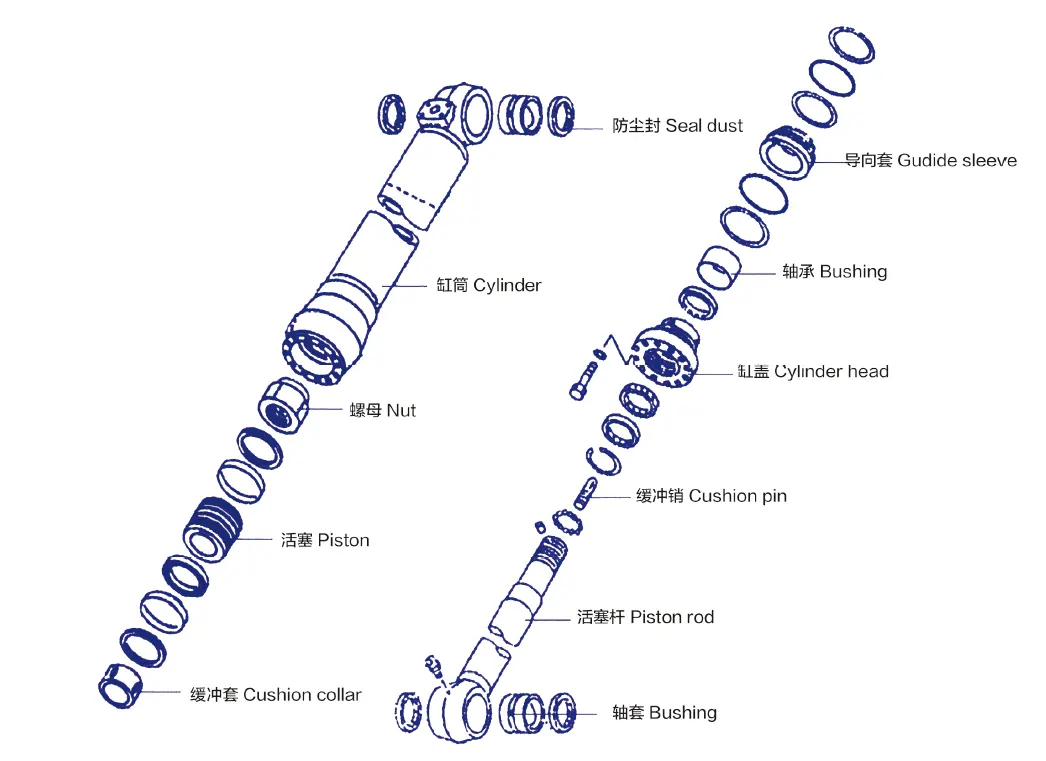
Caratteristiche del prodotto
- Trasmissione ad alta efficienza: Il cilindro del braccio fornisce un potente movimento lineare e una forza tale da garantire elevate prestazioni al braccio robotico in diverse operazioni.
- Controllo preciso: Grazie ai sistemi idraulici, il cilindro del braccio consente un controllo preciso del movimento, rendendo più flessibile e preciso il funzionamento di utensili aggiuntivi.
- Durata: Arm cylinders are typically made from high-strength materials, offering excellent resistance to wear and corrosion, making them suitable for long-term use in harsh environments.
- Adattabilità multifunzionale: Questi cilindri possono essere ampiamente applicati a vari macchinari, come escavatori, gru e bracci robotici, adattandosi a diverse esigenze di lavoro.
- Facile manutenzione: Designed with ease of maintenance and replacement in mind, the arm cylinder facilitates convenient regular inspections and maintenance, minimizing equipment downtime.

Scenari applicativi
- Ingegneria edile: Negli escavatori e nelle gru, i cilindri dei bracci controllano il movimento delle benne o dei bracci per il movimento terra, la movimentazione dei materiali e l'installazione strutturale.
- Industria manifatturiera: In automated production lines, arm cylinders enable the motion of robotic arms for assembly, welding, and handling processes, improving production efficiency and precision.
- Macchine agricole: Nelle macchine agricole come mietitrici e seminatrici, i cilindri dei bracci controllano il movimento dei bracci operativi per attività quali la semina, la fertilizzazione e la raccolta.
- Estrazione mineraria: Nelle attrezzature minerarie, i cilindri dei bracci controllano il movimento dei macchinari minerari per l'estrazione e il trasporto dei minerali.
- Logistica e Trasporti: Nei carrelli elevatori e nei robot di movimentazione, i cilindri dei bracci controllano il sollevamento e il movimento delle forche, consentendo la movimentazione e l'impilamento dei materiali.
Considerazioni progettuali e criteri di selezione
Nella progettazione dei cilindri dei bracci è necessario considerare diversi fattori chiave:
- Capacità portante: Arm cylinders should be designed to withstand the intended loads and forces to ensure safe operation.
- Sigillatura: Various sealing components such as piston seals and rod seals made from wear-resistant materials like polyurethane and nitrile rubber are used to ensure effective sealing.
- Durata: The cylinder body and threaded end surfaces are finely processed to enhance wear resistance, ensuring longevity.
- Sicurezza: Per prevenire incidenti e garantire la protezione dell'operatore, è necessario integrare nella progettazione caratteristiche di sicurezza.
- Manutenibilità: Regular lubrication with appropriate hydraulic oil and easy access for inspection and maintenance should be considered during the design process.

Sigillatura e lubrificazione
The arm cylinder utilizes various sealing components, including piston seals and rod seals, made from wear-resistant materials such as polyurethane and nitrile rubber. The cylinder body and threaded end surfaces undergo meticulous processing to improve wear resistance. Regular lubrication with the appropriate amount of hydraulic oil is required to ensure smooth operation.
Ispezione regolare e manutenzione preventiva
- Regularly inspect the arm cylinder for any signs of damage, leaks, or abnormal wear.
- Check and adjust the hydraulic pressure and system parameters according to manufacturer guidelines.
- Ensure proper lubrication of the cylinder and replace worn-out seals or components as necessary.
- Inspect and clean the cylinder’s mounting points and connections.
Guida all'installazione del prodotto
La corretta installazione del cilindro del braccio è fondamentale per garantirne prestazioni ottimali. Seguire questi passaggi:
- Ensure the machinery is securely immobilized and the hydraulic system is depressurized.
- Inspect the mounting surfaces and clean them of any dirt, debris, or old seal remnants.
- Apply a thin layer of hydraulic oil or grease to the cylinder’s rod and seals.
- Allineare il cilindro con i punti di montaggio e fissarlo utilizzando elementi di fissaggio adeguati.
- Torque the fasteners to the manufacturer’s specified values.
- Connect the hydraulic hoses according to the system’s layout and secure them tightly.
- Pressurize the hydraulic system gradually while inspecting for any leaks or abnormal behavior.

Considerazioni sulla sicurezza e fattori ambientali
When operating machinery with arm cylinders, it is crucial to prioritize safety measures to avoid accidents and ensure the well-being of personnel. It is important to follow safety guidelines and regulations specific to each application and equipment type.
Diagnosi dei guasti e problemi comuni
I problemi più comuni che possono verificarsi con i cilindri del braccio includono:
- Perdita di fluido idraulico dalle guarnizioni o dai collegamenti.
- Reduced or uneven lifting or movement performance.
- Rumore o vibrazioni eccessivi durante il funzionamento.
- Unresponsive or slow cylinder movement.
When encountering these issues, consider the following troubleshooting and problem-solving methods:
- Inspect and replace worn-out or damaged seals or components.
- Check hydraulic fluid levels and replenish if necessary.
- Ensure proper hydraulic pressure and adjust as required.
- Inspect and clean all connections and fluid passages.

Ricordatevi di organizzare l'articolo in modo logico, di utilizzare sottotitoli per una facile navigazione, di incorporare immagini o grafici pertinenti per migliorare la comprensione e di assicurarvi che il contenuto sia chiaro, conciso e adatto a lettori con diversi livelli di conoscenza tecnica.
Autore: lyl
Informazioni sulla nostra azienda
We are a professional manufacturer of replacement hydraulic cylinders, offering a wide range of products. We have become one of the leading manufacturers and wholesale distributors of hydraulic cylinders in domestic and international markets. Our commitment to excellence in quality is supported by our industrialized production management strategy in our sophisticated manufacturing workshop. We continuously improve our technological capabilities and production efficiency through the introduction of high-end digital manufacturing equipment and professional testing systems. With a strong innovation capability, our goal is to meet diverse customer needs with efficiency, accuracy, and high-quality products.
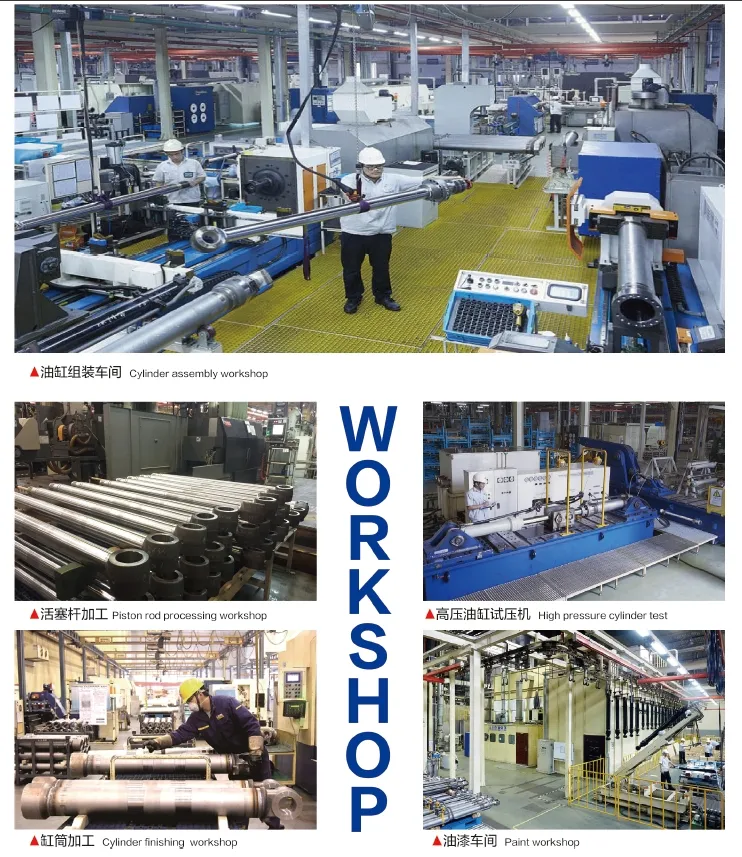
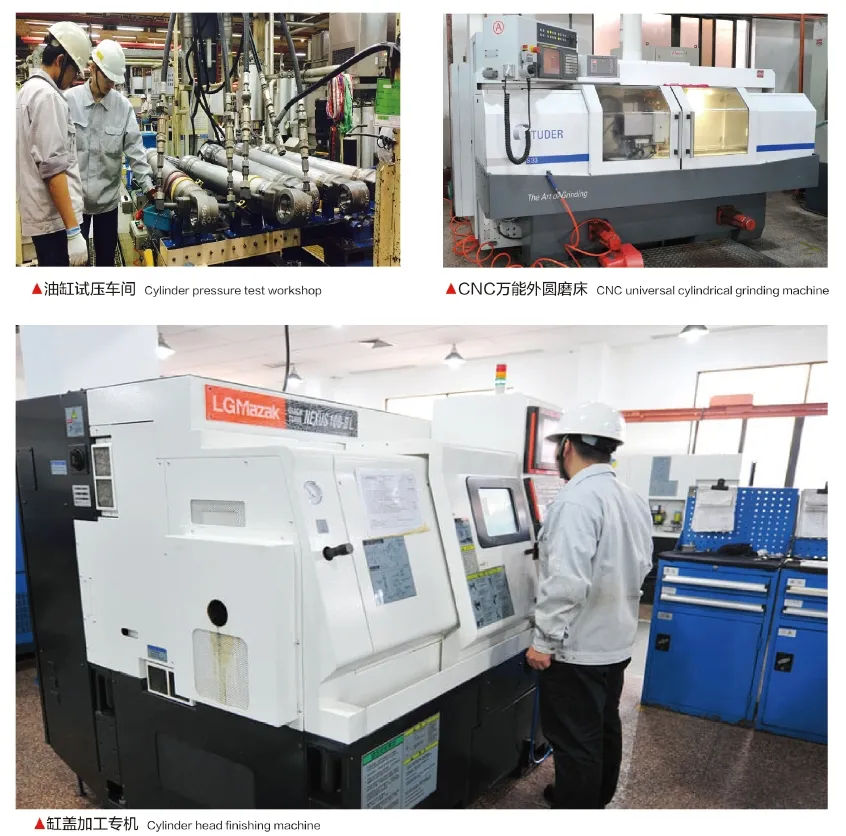
Cilindro idraulico Applicazione:

 IT
IT  EN
EN  PT
PT  ES
ES  DE
DE  FR
FR  AR
AR  ZH
ZH  RU
RU  KO
KO  KA
KA  BG
BG  CS
CS  DA
DA  EL
EL  ET
ET  FI
FI  HU
HU  ID
ID  LT
LT  LV
LV  NB
NB  NL
NL  PL
PL  RO
RO  SK
SK  SL
SL  SV
SV  TR
TR  UK
UK