

Cilindro del braccio per escavatore piccolo Doosan DX120
In qualità di uno dei produttori, fornitori ed esportatori di prodotti meccanici, offriamo cilindri idraulici e molti altri prodotti.
Per maggiori dettagli, contattateci.
Posta:sales@hydraulic-cylinders.net
Produttore fornitore esportatore di cilindri idraulici.
Arm Cylinder for Doosan Small Excavator DX120
The arm cylinder is a specially designed hydraulic cylinder that is used to provide linear motion and power to the arm of various types of machinery, such as excavators, cranes, and robotic arms. The arm cylinder plays a crucial role in hydraulic systems, allowing for the effective movement and control of additional tools or attachments. These cylinders not only enable smooth motion but also have the ability to withstand heavy loads, ensuring efficient operation and reliability of the machinery under various working conditions.
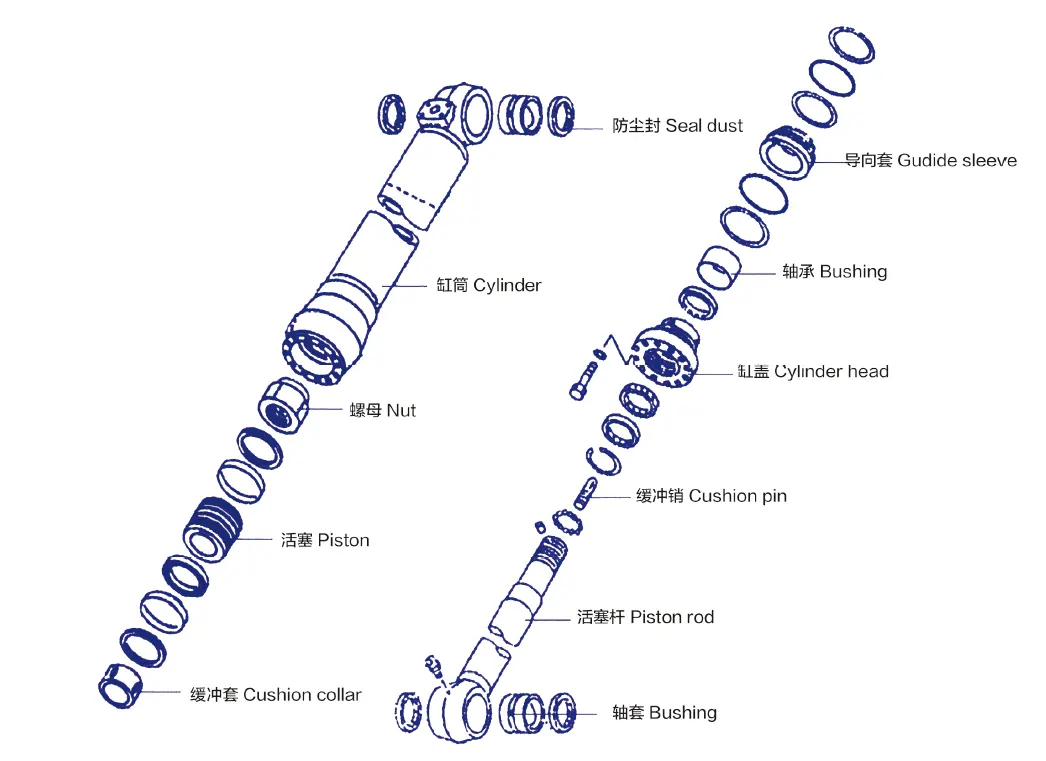
Caratteristiche del cilindro del braccio:
- Trasmissione ad alta efficienza: Il cilindro del braccio fornisce un potente movimento lineare e una forza tale da garantire elevate prestazioni al braccio robotico in diverse operazioni.
- Controllo preciso: Through the hydraulic system, the arm cylinder allows for precise motion control, making the operation of additional tools more flexible and accurate.
- Durata: I cilindri dei bracci sono solitamente realizzati con materiali ad alta resistenza, che offrono un'eccellente resistenza all'usura e alla corrosione, rendendoli adatti all'uso a lungo termine in ambienti difficili.
- Adattabilità multifunzionale: Questi cilindri possono essere ampiamente utilizzati su vari macchinari, come escavatori, gru e bracci robotici, adattandosi alle diverse esigenze di lavoro.
- Facile manutenzione: Progettati per essere facili da manutenere e sostituire, i cilindri del braccio facilitano le ispezioni e la manutenzione regolari, riducendo i tempi di fermo delle attrezzature.

Il cilindro del braccio trova applicazione in vari settori industriali:
- Edilizia: negli escavatori e nelle gru, il cilindro del braccio controlla il movimento della benna o del braccio per il movimento terra, la movimentazione dei materiali e l'installazione strutturale.
- Manufacturing: In automated production lines, the arm cylinder enables the motion of robotic arms for processes like assembly, welding, and material handling, increasing production efficiency and precision.
- Agricultural Machinery: In agricultural machinery such as harvesters and seeders, the arm cylinder controls the movement of operating arms for tasks like planting, fertilizing, and harvesting.
- Estrazione mineraria: nelle attrezzature minerarie, il cilindro del braccio controlla il movimento del braccio per l'estrazione e il trasporto del minerale.
- Logistica e trasporti: nei carrelli elevatori e nei robot di movimentazione, il cilindro del braccio controlla il sollevamento e il movimento delle forche, consentendo la movimentazione e l'impilamento dei materiali.
Considerazioni progettuali e criteri di selezione:
Nella progettazione dei cilindri dei bracci vengono presi in considerazione diversi fattori chiave:
- Capacità di carico: Arm cylinders are designed to withstand specific loads, ensuring safe and efficient operation.
- Sigillatura: Various types of seals, such as piston seals and rod seals, are used to ensure effective sealing. These seals are made from wear-resistant materials like polyurethane and nitrile rubber.
- Durata: Cylinder bodies and threaded ends undergo precision treatments to enhance wear resistance.
- Sicurezza: Safety features, such as pressure relief valves, are incorporated to prevent excessive pressure and ensure safe operation.
- Manutenibilità: Regular inspection and preventive maintenance measures are essential to extend the lifespan of the arm cylinder and minimize potential issues.

Proper sealing and lubrication are crucial for the performance and longevity of the arm cylinder:
- Various sealing elements, such as piston seals and rod seals, are used to prevent fluid leakage and maintain proper operation.
- The seals are made from durable materials like polyurethane and nitrile rubber, which have excellent wear resistance.
- The cylinder body and threaded ends undergo meticulous surface treatments to enhance wear resistance.
- Regular lubrication with an appropriate amount of hydraulic oil is required to ensure smooth operation and reduce friction.
Ispezione regolare e manutenzione preventiva:
To ensure the optimal performance and longevity of the arm cylinder, regular inspections and preventive maintenance measures should be implemented:
- Ispezionare il cilindro per verificare la presenza di eventuali perdite, danni o usura.
- Controllare le guarnizioni e sostituirle se necessario.
- Monitor the fluid levels and top up with hydraulic oil as needed.
- Examine the cylinder for any signs of contamination or corrosion.
- Stringere eventuali raccordi o connessioni allentati.
- Follow the manufacturer’s guidelines for specific inspection and maintenance procedures.

Guida all'installazione:
La corretta installazione del cilindro del braccio è fondamentale per le sue prestazioni e la sua sicurezza. Seguire questi passaggi:
- Assicurarsi che l'apparecchiatura sia fissata in modo sicuro e spenta.
- Carefully position the arm cylinder, aligning it with the mounting points.
- Securely fasten the cylinder to the equipment using appropriate bolts and fittings.
- Inspect all connections to ensure they are tightly secured and leak-free.
- Double-check the alignment and movement of the cylinder before operation.

Considerazioni sulla sicurezza e fattori ambientali:
Quando si lavora con i cilindri a braccio, le misure di sicurezza sono di fondamentale importanza. È essenziale dare priorità ai seguenti aspetti:
- Follow proper operating procedures and guidelines provided by the equipment manufacturer.
- Ensure all operators are trained on the safe operation of the machinery.
- Use appropriate personal protective equipment (PPE), such as gloves and safety glasses.
- Regularly inspect and maintain the equipment to identify and address any potential safety hazards.
- Dispose of used hydraulic oil and other waste materials in accordance with environmental regulations.
Risoluzione dei problemi e problemi comuni:
Arm cylinders may encounter certain faults or issues during operation. Here are some common ones:
- Perdita di fluido: Inspect seals and connections for signs of leakage. Replace worn or damaged seals.
- Movimento lento o incoerente: Check the hydraulic system for any restrictions or insufficient fluid levels. Ensure proper lubrication.
- Rumore o vibrazioni eccessivi: Inspect the cylinder for any loose fittings or damaged components. Tighten or replace as necessary.
- Poor or Erratic Performance: Check the hydraulic system for any issues with pressure or flow. Clean or replace filters and monitor fluid levels.
For troubleshooting, consider the following tips and solutions to effectively diagnose and resolve problems:
- Refer to the equipment’s user manual or consult with technical support for specific troubleshooting steps.
- Inspect the hydraulic system for any signs of damage, contamination, or blockages.
- Check all connections and fittings for tightness and leaks.
- Analyze the system’s pressure and flow rates to identify any abnormalities.
- Follow preventive maintenance measures to minimize potential issues.
Autore: lyl
Informazioni sulla nostra azienda:
We are a professional
Cilindro idraulico Applicazione:

 IT
IT  EN
EN  PT
PT  ES
ES  DE
DE  FR
FR  AR
AR  ZH
ZH  RU
RU  KO
KO  KA
KA  BG
BG  CS
CS  DA
DA  EL
EL  ET
ET  FI
FI  HU
HU  ID
ID  LT
LT  LV
LV  NB
NB  NL
NL  PL
PL  RO
RO  SK
SK  SL
SL  SV
SV  TR
TR  UK
UK