
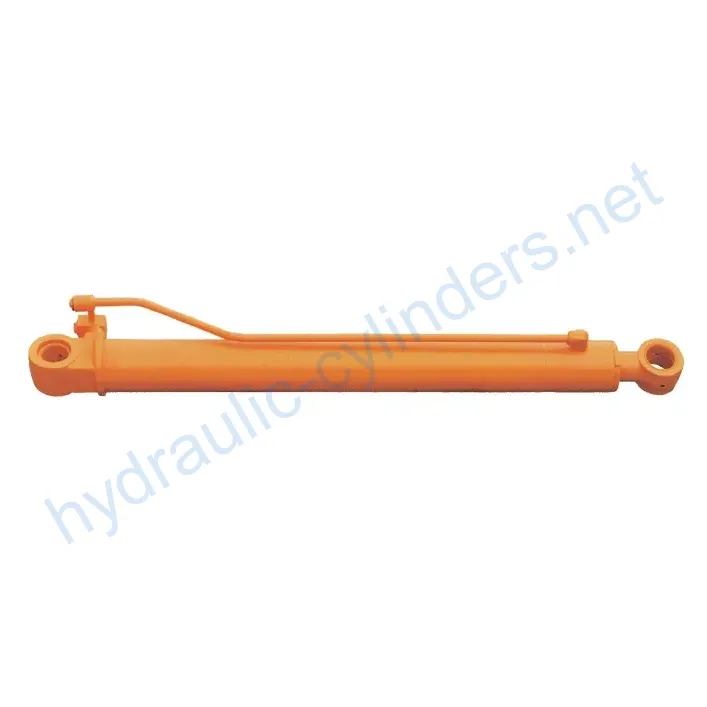
Cilindro del braccio per escavatore piccolo Komatsu PC55 55UU
In qualità di uno dei produttori, fornitori ed esportatori di prodotti meccanici, offriamo cilindri idraulici e molti altri prodotti.
Per maggiori dettagli, contattateci.
Posta:sales@hydraulic-cylinders.net
Produttore fornitore esportatore di cilindri idraulici.
Cilindro del braccio per escavatore piccolo Komatsu PC55 55UU
Arm Cylinder is a specially designed hydraulic cylinder that provides linear motion and power to the arm of various types of machinery such as excavators, cranes, and manipulators. The arm cylinder plays a crucial role in hydraulic systems, enabling the effective movement and control of attachments or accessories. These cylinders not only achieve smooth motion but also withstand heavy loads, ensuring efficient operation and reliability of the machinery under various working conditions.
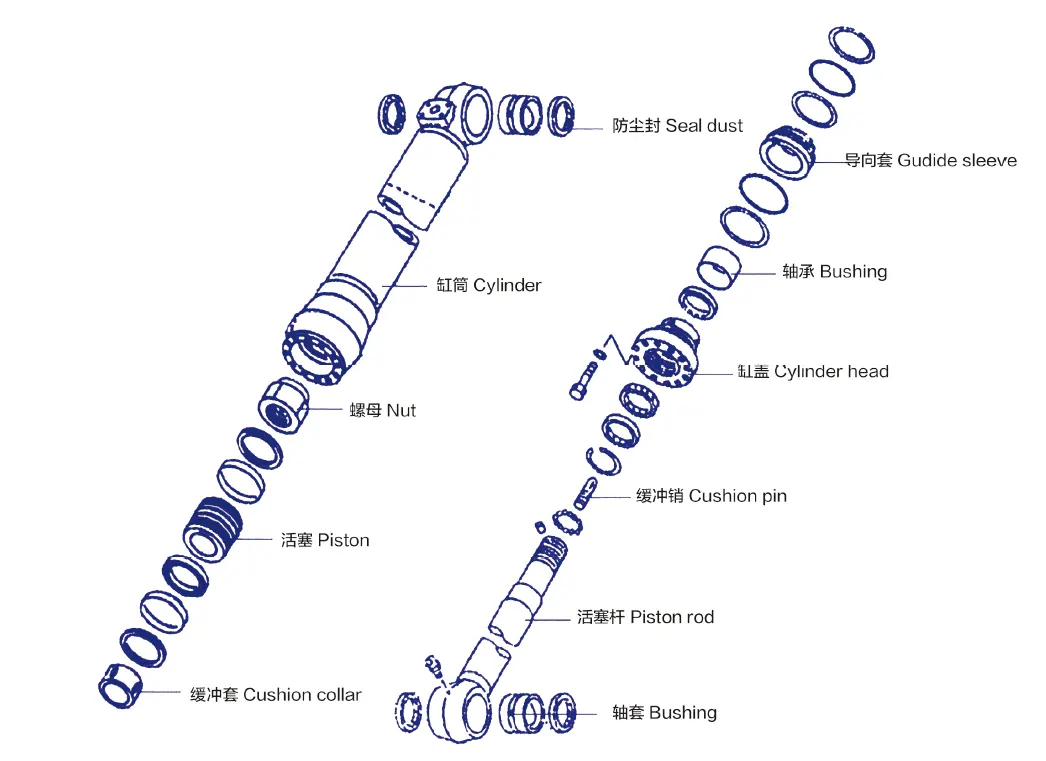
Caratteristiche
- Trasmissione ad alta efficienza: il cilindro del braccio fornisce un potente movimento lineare e una forza tale da garantire elevate prestazioni al braccio meccanico in varie operazioni.
- Controllo preciso: grazie al sistema idraulico, il cilindro del braccio consente un controllo preciso del movimento, rendendo il funzionamento degli utensili collegati più flessibile e preciso.
- Elevata resistenza: i cilindri dei bracci sono solitamente realizzati utilizzando materiali ad alta resistenza, che offrono un'eccellente resistenza all'usura e alla corrosione, rendendoli adatti all'uso a lungo termine in ambienti difficili.
- Multi-Functional Adaptability: These cylinders can be widely applied to various types of machinery, such as excavators, cranes, and manipulators, adapting to different working requirements.
- Easy Maintenance: The design considers ease of maintenance and replacement, making regular inspections and servicing more convenient, thereby reducing equipment downtime.

Applicazioni
I cilindri a braccio sono utilizzati in vari settori e applicazioni:
- Ingegneria edile: negli escavatori e nelle gru, i cilindri dei bracci controllano il movimento delle benne o dei bracci per il movimento terra, la movimentazione dei materiali e l'installazione strutturale.
- Manufacturing Industry: In automated production lines, arm cylinders facilitate the movement of mechanical arms for assembly, welding, and handling processes, enhancing production efficiency and accuracy.
- Macchine agricole: nelle attrezzature agricole come mietitrici e seminatrici, i cilindri dei bracci controllano il movimento dei bracci operativi per attività quali la semina, la fertilizzazione e la raccolta.
- Estrazione mineraria: nelle attrezzature minerarie, i cilindri dei bracci controllano il movimento dei macchinari minerari per l'estrazione e il trasporto dei minerali.
- Logistica e trasporti: nei carrelli elevatori e nei robot di movimentazione, i cilindri dei bracci controllano il sollevamento e il movimento delle forche, consentendo la movimentazione e l'impilamento dei materiali.
Considerazioni progettuali e criteri di selezione
When it comes to the design and selection of arm cylinders, several factors should be considered:
- Load-Bearing Capacity: The arm cylinder must be able to withstand the intended loads and forces to ensure safe and efficient operation.
- Sealing: Various seals, such as piston seals and rod seals, are used to ensure effective sealing. These seals are often made of wear-resistant materials like polyurethane and nitrile rubber.
- Durability: The cylinder body and threaded ends undergo precise processing to enhance wear resistance and ensure long-term durability.
- Safety: Arm cylinders should meet safety standards and incorporate safety features to prevent accidents during operation.
- Maintainability: Regular inspection and preventive maintenance procedures should be implemented to keep the arm cylinders in optimal condition.

Sigillatura e lubrificazione
Arm cylinders utilize various sealing components, such as piston seals and rod seals, which are made of wear-resistant materials like polyurethane and nitrile rubber. The cylinder body and threaded ends undergo precise processing to enhance wear resistance. Regular lubrication with the appropriate hydraulic oil is necessary to ensure smooth operation.
Ispezione regolare e manutenzione preventiva
To ensure the longevity and optimal performance of arm cylinders, regular inspection and preventive maintenance are crucial. The following measures should be taken:
- Controllare eventuali segni di perdite o danni.
- Pulire e lubrificare regolarmente il cilindro.
- Ispezionare e sostituire le guarnizioni usurate o i componenti danneggiati.
- Tighten loose connections or fasteners.
- Follow the manufacturer’s maintenance guidelines and schedule.
Guida all'installazione del prodotto
Proper installation of arm cylinders is essential for their optimal performance and longevity. Follow these steps for a successful installation:
- Preparare gli strumenti e le attrezzature necessari.
- Ensure the mounting surfaces are clean and free from any contaminants.
- Align the cylinder with the mounting brackets or connections.
- Tighten the mounting bolts or fasteners to the specified torque.
- Dopo l'installazione, verificare la presenza di eventuali perdite o anomalie.

Considerazioni sulla sicurezza e fattori ambientali
When using arm cylinders, prioritizing safety measures is crucial. The proper implementation of safety precautions ensures the well-being of operators and the surrounding environment. Safety measures may include:
- Providing proper training for operators on cylinder operation and safety procedures.
- Installing safety guards or shields to protect against potential hazards.
- Regularly inspecting and maintaining the cylinders to prevent malfunctions or failures that could lead to accidents.
- Rispettare le norme e i regolamenti di sicurezza pertinenti.
Diagnosi dei guasti e problemi comuni
Arm cylinders may encounter certain faults or common issues during operation. Some examples include:
- Perdita di fluido idraulico.
- Rumore anomalo durante il funzionamento.
- Movimento insufficiente o a scatti del braccio.
- Inconsistent arm positioning.
- Excessive wear or damage to seals.
To address these problems, follow these troubleshooting steps:
- Inspect all hydraulic connections for leaks and tighten as necessary.
- Check for any loose or damaged components and repair or replace them accordingly.
- Assicurare la corretta lubrificazione di tutte le parti mobili.
- Ispezionare e sostituire le guarnizioni usurate o i componenti danneggiati.
- Se necessario, consultare le istruzioni del produttore o rivolgersi a un professionista.

Remember to organize the article logically, using subheadings for easy navigation. Incorporate relevant images or charts to enhance understanding, and ensure the content is clear, concise, and suitable for readers with different levels of technical knowledge.
Autore: lyl
Chi siamo
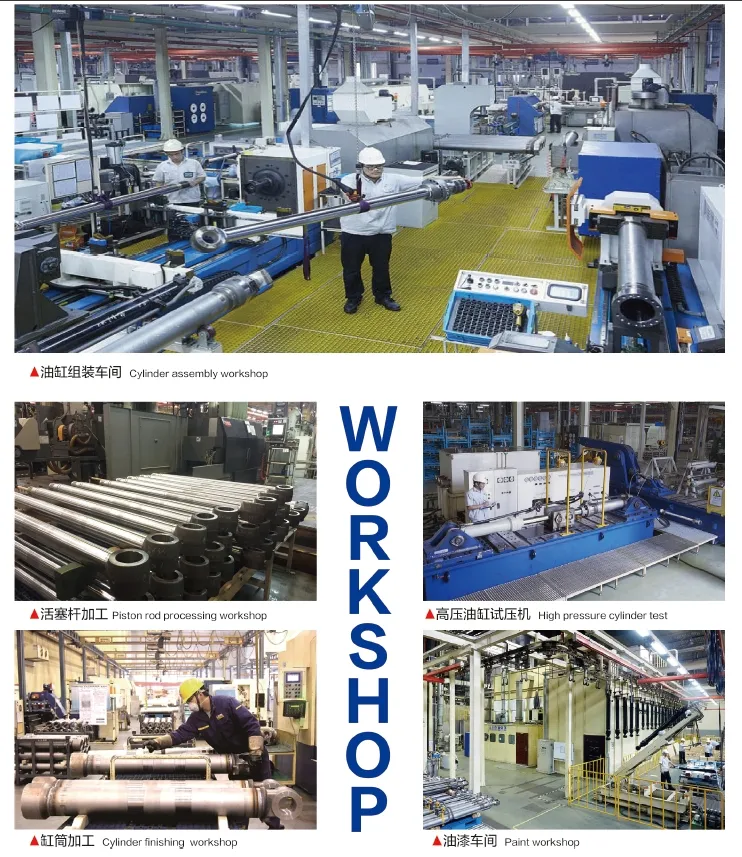
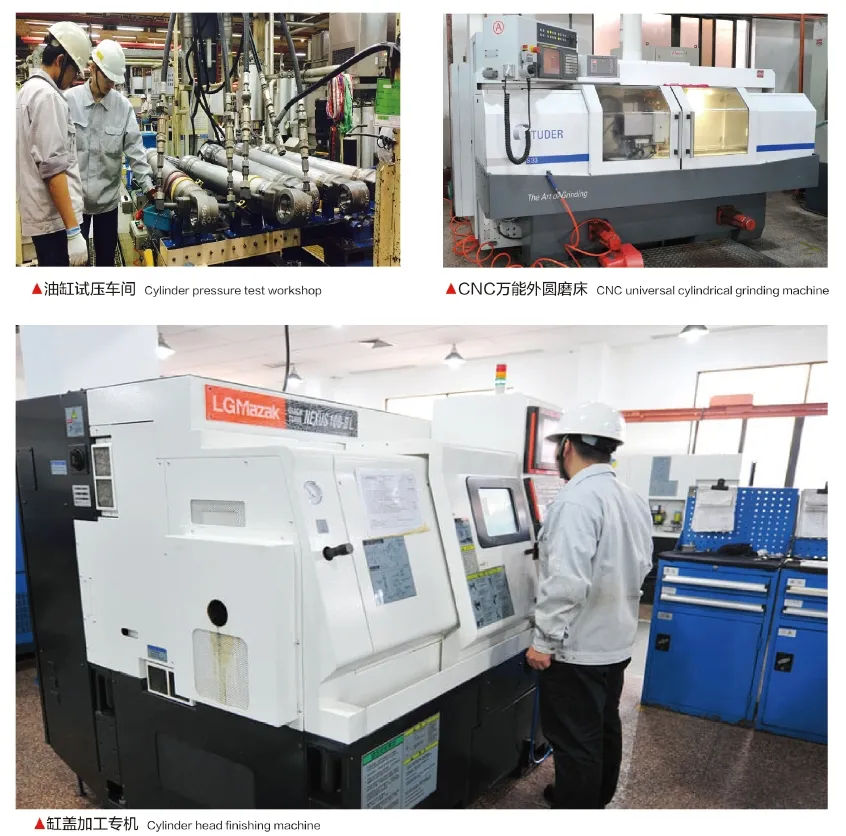
We are a professional manufacturer of replacement hydraulic cylinders, offering a wide range of products. We have become one of the leading hydraulic cylinder manufacturers and wholesale distributors in both domestic and international markets. Committed to excellence in quality, we rely on industrialized production management strategies in our refined manufacturing workshop to continuously improve our technological levels and production efficiency. By introducing advanced digital manufacturing equipment and professional testing systems, we optimize our manufacturing platform and enhance product quality control processes, showcasing strong innovative capabilities. Our goal is to meet customers’ diverse needs with principles of efficiency, precision, and high quality.
Cilindro idraulico Applicazione:

 IT
IT  EN
EN  PT
PT  ES
ES  DE
DE  FR
FR  AR
AR  ZH
ZH  RU
RU  KO
KO  KA
KA  BG
BG  CS
CS  DA
DA  EL
EL  ET
ET  FI
FI  HU
HU  ID
ID  LT
LT  LV
LV  NB
NB  NL
NL  PL
PL  RO
RO  SK
SK  SL
SL  SV
SV  TR
TR  UK
UK