

Arm CylinderFor Komatsu Small Excavator PC75UU
In qualità di uno dei produttori, fornitori ed esportatori di prodotti meccanici, offriamo cilindri idraulici e molti altri prodotti.
Per maggiori dettagli, contattateci.
Posta:sales@hydraulic-cylinders.net
Produttore fornitore esportatore di cilindri idraulici.
Arm Cylinder For Komatsu Small Excavator PC75UU
Introduzione
The Arm Cylinder for Komatsu Small Excavator PC75UU is a specially designed hydraulic cylinder that provides linear motion and power to the arm of various machinery, such as excavators, cranes, and robotic arms. The arm cylinder plays a crucial role in hydraulic systems, allowing for efficient movement and control of attached tools or accessories. These cylinders not only ensure smooth motion but also withstand heavy loads, ensuring efficient operation and reliability under various working conditions.
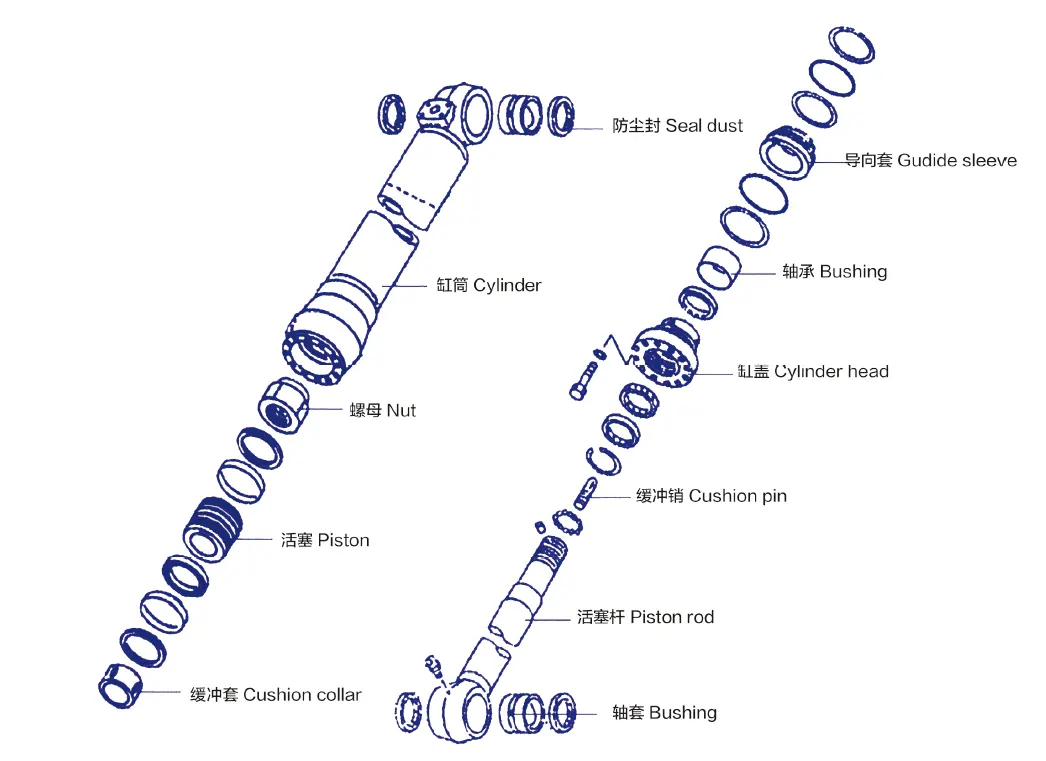
Caratteristiche
- Trasmissione ad alta efficienza: Il cilindro del braccio fornisce un potente movimento lineare e una forza tale da garantire elevate prestazioni al braccio meccanico in varie operazioni.
- Controllo di precisione: Grazie al sistema idraulico, il cilindro del braccio consente un controllo preciso del movimento, rendendo le operazioni con gli utensili collegati più flessibili e precise.
- Durata: I cilindri dei bracci sono solitamente realizzati con materiali ad alta resistenza, che offrono un'eccellente resistenza all'usura e alla corrosione, rendendoli adatti all'uso a lungo termine in ambienti difficili.
- Adaptability: These cylinders can be widely applied to various machinery, such as excavators, cranes, and robotic arms, accommodating different working requirements.
- Facile manutenzione: Progettati per facilitare la manutenzione e la sostituzione, i controlli e la manutenzione regolari risultano comodi, riducendo i tempi di fermo delle apparecchiature.

Applicazioni
The Arm Cylinder for Komatsu Small Excavator PC75UU finds its applications in various industries:
- Ingegneria edile: In excavators and cranes, the arm cylinder controls the movement of buckets or boom arms for earthworks, material handling, and structural installations.
- Produzione: In automated production lines, the arm cylinder facilitates the motion of robotic arms for assembly, welding, and material handling processes, improving production efficiency and accuracy.
- Macchine agricole: Nelle attrezzature agricole come mietitrici e seminatrici, il cilindro del braccio controlla il movimento dei bracci operativi per attività quali la semina, la fertilizzazione e la raccolta.
- Estrazione mineraria: Nelle attrezzature minerarie, il cilindro del braccio controlla il movimento del braccio dei macchinari minerari per l'estrazione e il trasporto del minerale.
- Logistica e Trasporti: Nei carrelli elevatori e nei robot di movimentazione, il cilindro del braccio controlla il sollevamento e il movimento delle forche, consentendo la movimentazione e l'impilamento dei materiali.
Considerazioni progettuali e criteri di selezione
When designing and selecting the arm cylinder, various factors should be taken into account:
- Capacità di carico: The arm cylinder should be capable of handling the expected loads and forces in the specific application.
- Sigillatura: Various sealing components such as piston seals and rod seals should be used, employing wear-resistant materials like polyurethane and nitrile rubber. The cylinder body and thread end surface should undergo meticulous treatment to enhance wear resistance.
- Durata: The arm cylinder should be able to withstand the operating conditions and provide long-lasting performance.
- Sicurezza: Safety considerations should be incorporated into the design to prevent accidents and ensure operator well-being.
- Manutenibilità: The design should allow for easy maintenance and servicing, minimizing downtime.

Sigillatura e lubrificazione
The arm cylinder utilizes various sealing components, such as piston seals and rod seals, made of wear-resistant materials like polyurethane and nitrile rubber. The cylinder body and thread end surface undergo fine treatment to enhance wear resistance. Regular lubrication with an appropriate amount of hydraulic oil is required to ensure smooth operation.
Ispezione regolare e manutenzione preventiva
To maintain the optimal performance of the arm cylinder, regular inspections and preventative maintenance measures should be implemented:
- Ispezionare il cilindro per verificare la presenza di eventuali perdite, danni o usura.
- Check and replace worn seals or other components as necessary.
- Assicurare la corretta lubrificazione del cilindro.
- Stringere eventuali raccordi o connessioni allentati.
- Per gli intervalli e le procedure di manutenzione, seguire le linee guida del produttore.
Guida all'installazione del prodotto
Per ottenere prestazioni ottimali, è essenziale installare correttamente il cilindro del braccio. Seguire questi passaggi:
- Preparare la superficie di montaggio e assicurarsi che sia pulita e priva di detriti.
- Align the cylinder with the mounting holes and secure it using appropriate bolts or fasteners.
- Install any necessary hydraulic connections, ensuring proper sealing and tightness.
- Verificare il corretto funzionamento del cilindro prima di utilizzarlo a pieno regime.

Considerazioni sulla sicurezza e fattori ambientali
When using the arm cylinder, adhering to safety measures is of utmost importance. Proper training and understanding of safety protocols should be followed to prevent accidents and ensure a safe working environment. Additionally, considering environmental factors and adhering to relevant regulations and standards is crucial for responsible usage.
Diagnosi dei guasti e problemi comuni
While using the arm cylinder, certain faults and issues may arise. Here are some common ones:
- Perdita di fluido idraulico dalle guarnizioni o dai collegamenti.
- Loss of power or inability to generate sufficient force.
- Movimento irregolare o a scatti del cilindro.
- Rumore eccessivo durante il funzionamento.
- Inaccurate or imprecise control of the attached tool.
Per risolvere questi problemi, segui questi suggerimenti e soluzioni per la risoluzione dei problemi:
- Inspect and replace any faulty seals or connections.
- Check the hydraulic system for any issues, such as low fluid levels or pump malfunctions.
- Ensure proper alignment and lubrication of the cylinder.
- Tighten loose fittings or connections.
- If problems persist, consult a professional technician or contact the manufacturer for further assistance.

Ricordatevi di organizzare l'articolo in modo logico, di usare sottotitoli per una facile navigazione, di incorporare immagini o grafici pertinenti per una migliore comprensione e di assicurarvi che il contenuto sia chiaro, conciso e adatto a lettori con diversi livelli di conoscenza tecnica.
Chi siamo
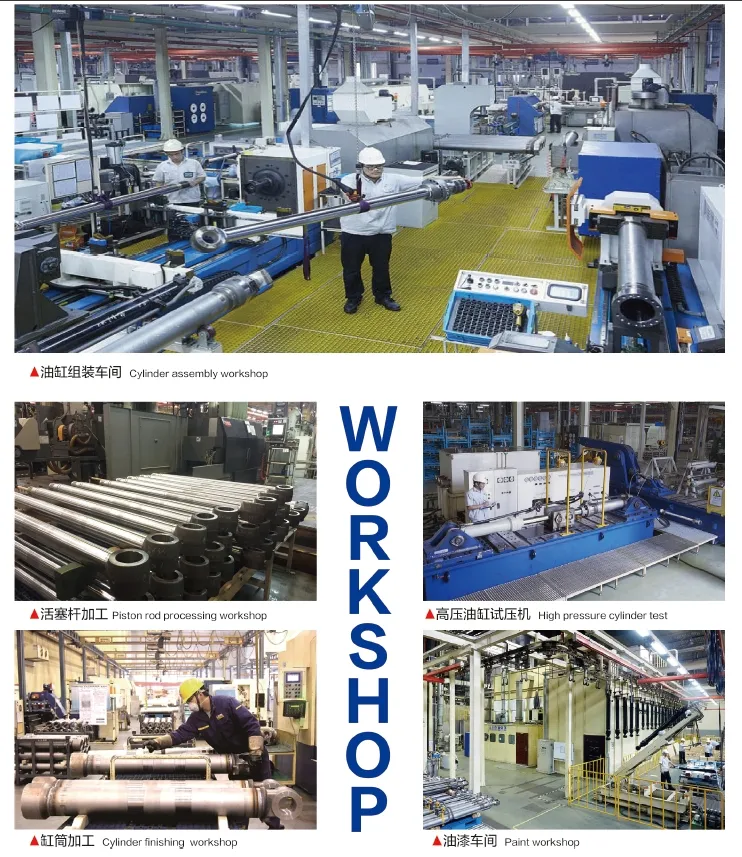
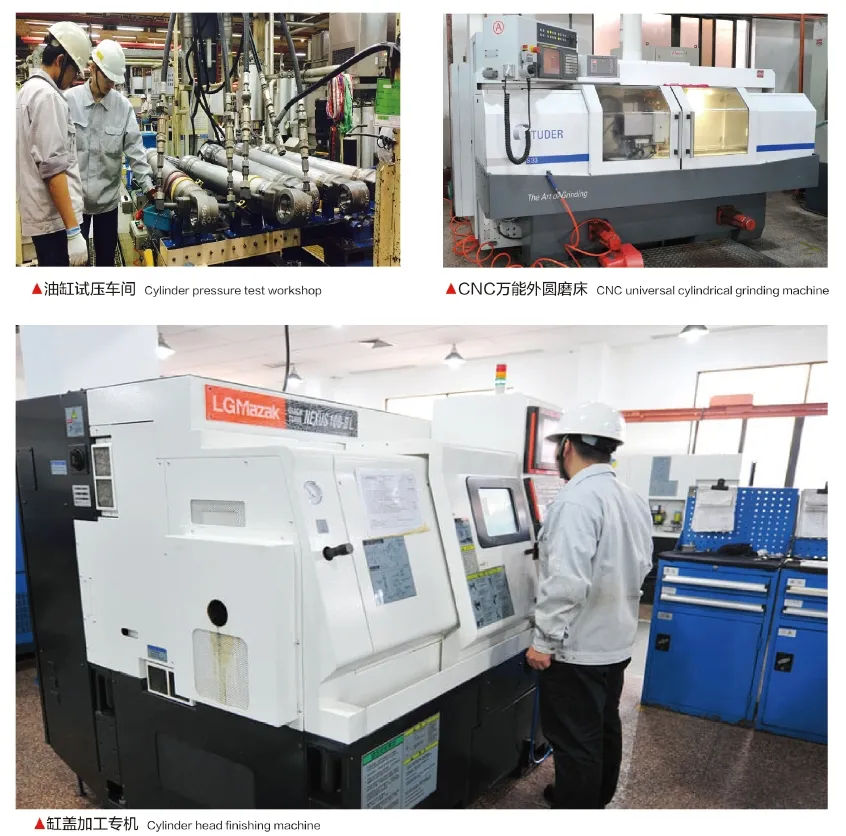
We are a professional manufacturer of replacement hydraulic cylinders, offering a wide range of products. We have become one of the leading manufacturers and wholesale distributors of hydraulic cylinders in domestic and international markets. With a commitment to excellence, we continuously enhance our technical expertise and production efficiency through precision manufacturing and industrialized production management strategies. By introducing advanced digital manufacturing equipment and professional testing systems, we optimize our manufacturing platform and improve our product quality control processes, enabling us with strong innovation capabilities. Our goal is to meet the diverse needs of our customers with efficiency, precision, and high-quality products.
Autore: lyl
Cilindro idraulico Applicazione:

 IT
IT  EN
EN  PT
PT  ES
ES  DE
DE  FR
FR  AR
AR  ZH
ZH  RU
RU  KO
KO  KA
KA  BG
BG  CS
CS  DA
DA  EL
EL  ET
ET  FI
FI  HU
HU  ID
ID  LT
LT  LV
LV  NB
NB  NL
NL  PL
PL  RO
RO  SK
SK  SL
SL  SV
SV  TR
TR  UK
UK