
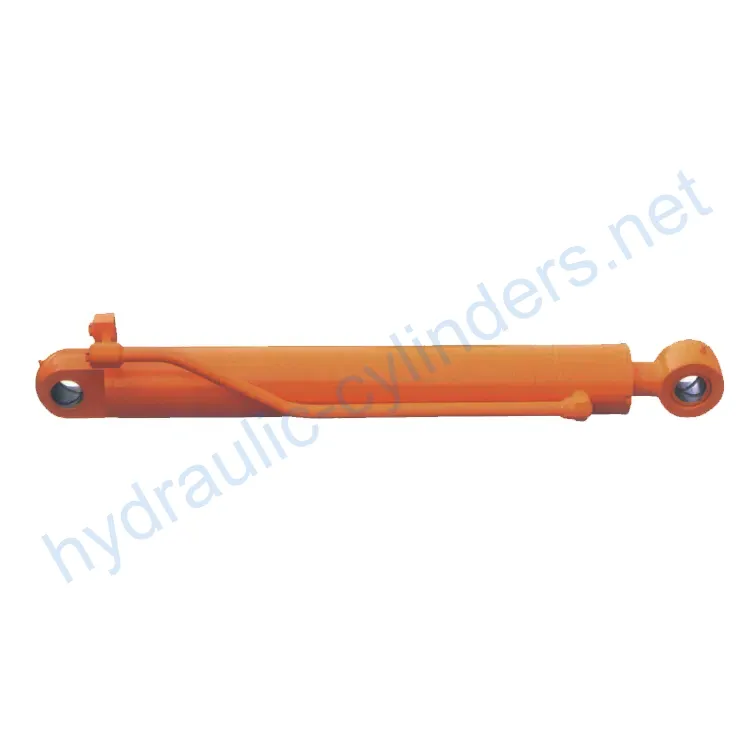
Arm CylinderFor Volvo Small Excavator EC170D
In qualità di uno dei produttori, fornitori ed esportatori di prodotti meccanici, offriamo cilindri idraulici e molti altri prodotti.
Per maggiori dettagli, contattateci.
Posta:sales@hydraulic-cylinders.net
Produttore fornitore esportatore di cilindri idraulici.
Arm Cylinder For Volvo Small Excavator EC170D
Introduzione
The Arm Cylinder is a specially designed hydraulic cylinder that provides linear motion and power for the arm of various types of machinery such as excavators, cranes, and robotic arms. It plays a critical role in hydraulic systems, enabling the efficient movement and control of additional tools or attachments. These cylinders not only ensure smooth motion but also withstand heavy loads, ensuring high efficiency and reliability of the machinery under various operating conditions.
Definizione e spiegazione
The Arm Cylinder is a hydraulic cylinder designed to provide linear motion and power to the arm of machinery. It is used in various applications, such as excavators, cranes, and robotic arms, to enable efficient movement and control of additional tools or attachments. These cylinders are essential components in hydraulic systems, allowing for smooth and precise operation, even under heavy load conditions. They are made of high-strength materials to ensure durability and are resistant to wear and corrosion, making them suitable for long-term use in harsh environments.
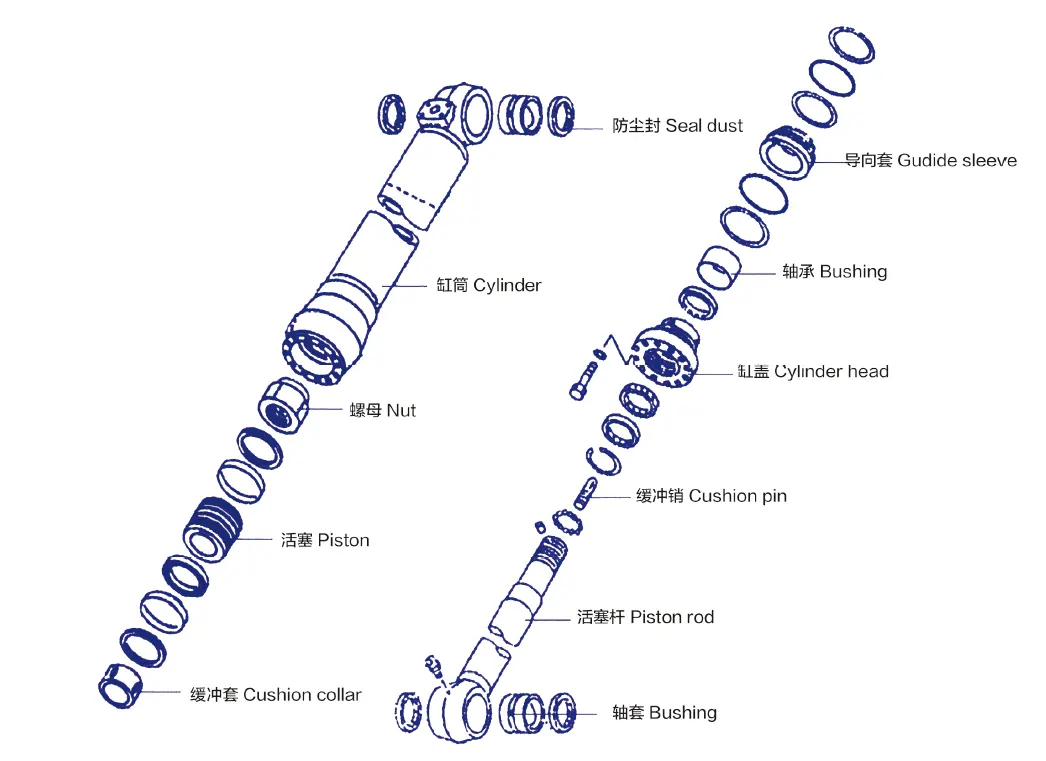
Caratteristiche del prodotto
- High Transmission Efficiency: The Arm Cylinder provides powerful linear motion and force, ensuring high efficiency in various operations.
- Controllo preciso: Through hydraulic systems, the Arm Cylinder enables precise motion control, making operations with additional tools more flexible and accurate.
- Forte durata: Arm Cylinders are typically made of high-strength materials, offering excellent wear and corrosion resistance, suitable for long-term use in harsh environments.
- Versatile adattabilità: These cylinders are widely used in various machinery such as excavators, cranes, and robotic arms, catering to different work requirements.
- Facile manutenzione: Designed for easy maintenance and replacement, the Arm Cylinder facilitates regular inspections and maintenance, reducing equipment downtime.

Applicazioni
Il cilindro del braccio trova applicazione in vari settori industriali:
1. Ingegneria delle costruzioni
In excavators and cranes, the Arm Cylinder controls the movement of buckets or booms for earthworks, material handling, and structural installation.
2. Produzione
In automated production lines, the Arm Cylinder enables the movement of robotic arms for assembly, welding, and material handling processes, enhancing production efficiency and precision.
3. Macchine agricole
In agricultural machinery such as harvesters and seed drills, the Arm Cylinder controls the movement of operating arms for tasks like seeding, fertilizing, and harvesting.
4. Estrazione mineraria
Nelle attrezzature minerarie, il cilindro del braccio controlla il movimento del braccio dei macchinari minerari per l'estrazione e il trasporto del minerale.
5. Logistica e trasporti
Nei carrelli elevatori e nei robot di movimentazione, il cilindro del braccio controlla il sollevamento e il movimento delle forche, consentendo la movimentazione e l'impilamento dei materiali.
Considerazioni progettuali e criteri di selezione
When designing the Arm Cylinder, several factors and selection criteria should be taken into account:
1. Capacità portante
The Arm Cylinder should be designed to withstand the specific loads and forces it will encounter during operation.
2. Sigillatura
Various sealing elements such as piston seals and rod seals should be used to ensure optimal performance and prevent leakage.
3. Durata
The components of the Arm Cylinder, such as the cylinder body and threaded ends, should undergo precision surface treatment to enhance wear resistance and durability.
4. Sicurezza
The design should incorporate safety features such as pressure relief valves and safety locks to prevent accidents and ensure the safety of operators and surrounding personnel.
5. Manutenzione
The Arm Cylinder should be designed for ease of maintenance and repair, allowing for quick and hassle-free inspections and replacements.

Sigillatura e lubrificazione
The Arm Cylinder utilizes various sealing components such as piston seals and rod seals, which are made of wear-resistant materials such as polyurethane and nitrile rubber. The cylinder body and threaded ends are finely treated to improve wear resistance. Regular lubrication with the appropriate amount of hydraulic oil is necessary to ensure smooth operation and longevity.
Ispezione regolare e manutenzione preventiva
- Regularly inspect the Arm Cylinder for any signs of wear, damage, or leakage.
- Ensure that all connections and fasteners are secure.
- Check and replace any worn or damaged seals promptly.
- Mantenere il cilindro del braccio pulito e libero da detriti o contaminanti.
- Per gli intervalli e le procedure di manutenzione, seguire le linee guida del produttore.
Guida all'installazione corretta del prodotto
Proper installation of the Arm Cylinder is crucial for optimal performance and longevity. Follow these steps:
- Assicurarsi che le superfici di montaggio siano pulite e prive di detriti.
- Align the Arm Cylinder with the mounting holes and secure it using appropriate bolts or fasteners.
- Assicurarsi che tutti i collegamenti siano ben serrati.
- Check for any leaks or abnormal noises during initial operation.
- Refer to the manufacturer’s installation instructions for specific guidance.

Considerazioni sulla sicurezza e fattori ambientali
When using the Arm Cylinder, it is essential to prioritize safety measures. Proper safety precautions are crucial to prevent accidents and ensure the well-being of individuals and the surrounding environment.
Diagnosi dei guasti e problemi comuni
Common faults and problems that may occur with the Arm Cylinder include:
- Leakage from the cylinder or hydraulic connections.
- Unusual noise during operation.
- Movimento incoerente o a scatti del braccio.
- Excessive wear on seals or other components.
- Failure to hold or maintain position.
Per risolvere questi problemi, prendi in considerazione i seguenti suggerimenti e soluzioni per la risoluzione dei problemi:
- Ispezionare e sostituire eventuali guarnizioni danneggiate o usurate.
- Stringere eventuali collegamenti o elementi di fissaggio allentati.
- Controllare il livello e la qualità del fluido idraulico.
- Flush and replace the hydraulic fluid if necessary.
- Per problemi specifici, consultare la guida alla risoluzione dei problemi del produttore.

Ricordatevi di organizzare l'articolo in modo logico, di utilizzare sottotitoli per una facile navigazione, di incorporare immagini o grafici pertinenti per migliorare la comprensione e di garantire contenuti chiari e concisi adatti a lettori con diversi livelli di conoscenza tecnica.
Chi siamo
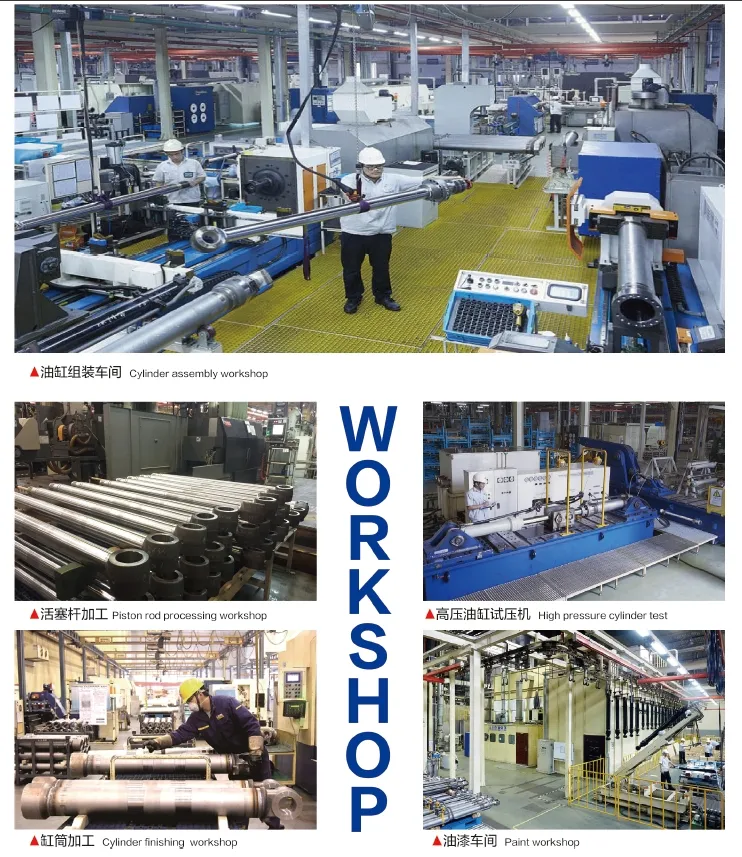
We are a professional manufacturer of replacement hydraulic cylinders. With a wide range of products, we have become one of the leading manufacturers and wholesale distributors in the domestic and international markets. We uphold the principle of excellence in quality and continuously improve our technological capabilities and production efficiency. By introducing high-end digital manufacturing equipment and professional testing systems, we optimize our manufacturing platform and enhance product quality control processes, demonstrating strong innovation capabilities. Our goal is to meet the diverse needs of customers with efficiency, precision, and high quality.
Furthermore, we pride ourselves on our professionalism, international certifications, customized services, production facilities, and after-sales services.
Cilindro idraulico Applicazione:

 IT
IT  EN
EN  PT
PT  ES
ES  DE
DE  FR
FR  AR
AR  ZH
ZH  RU
RU  KO
KO  KA
KA  BG
BG  CS
CS  DA
DA  EL
EL  ET
ET  FI
FI  HU
HU  ID
ID  LT
LT  LV
LV  NB
NB  NL
NL  PL
PL  RO
RO  SK
SK  SL
SL  SV
SV  TR
TR  UK
UK