
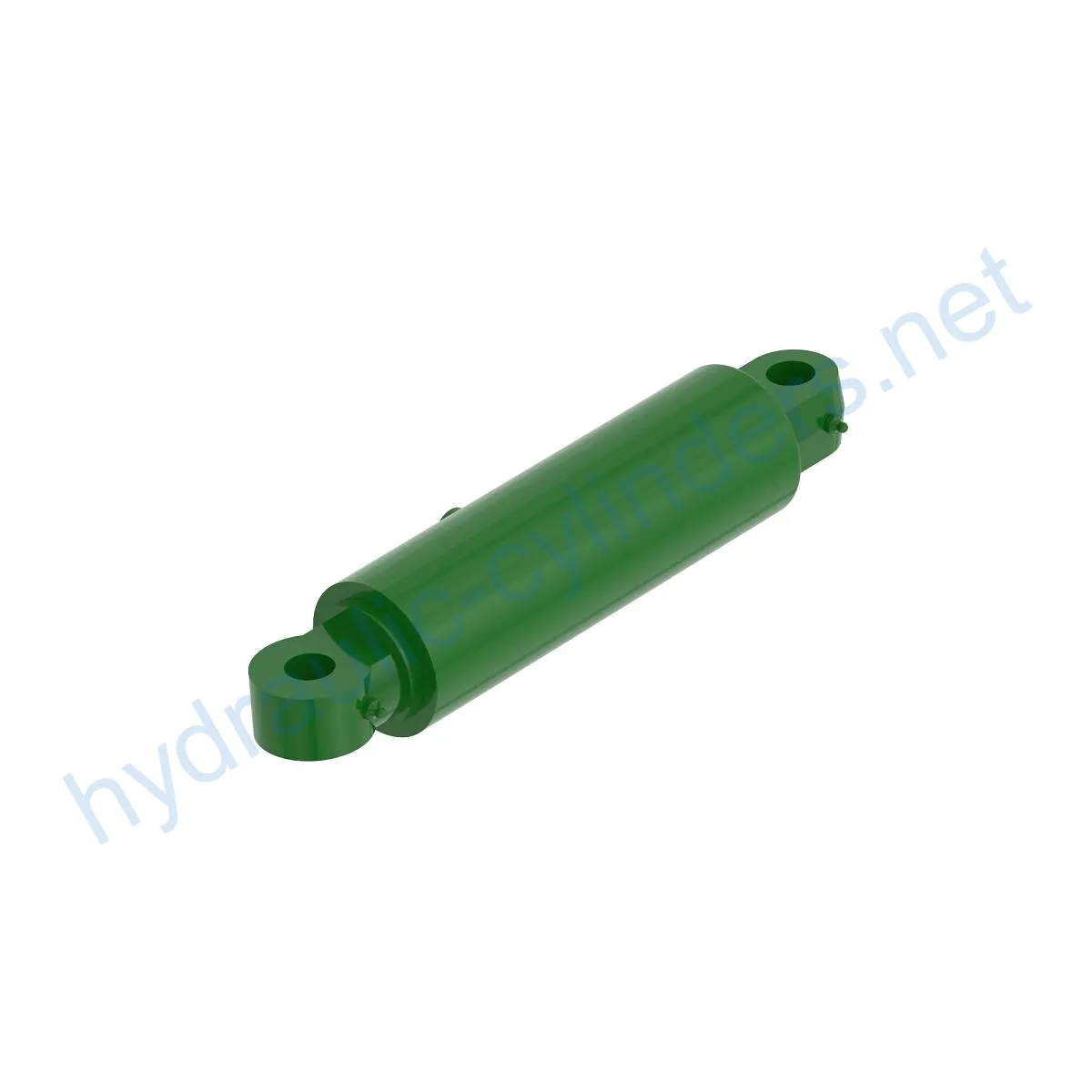
Sostituzione del cilindro idraulico AHC15529
In qualità di uno dei produttori, fornitori ed esportatori di prodotti meccanici, offriamo cilindri idraulici e molti altri prodotti.
Per maggiori dettagli, contattateci.
Posta:sales@hydraulic-cylinders.net
Produttore fornitore esportatore di cilindri idraulici.
Sostituzione del cilindro idraulico AHC15529
The Replacement Of AHC15529 Hydraulic Cylinder is a crucial component used in various machinery models, including 5075M, 5090M, 5090R, 5095M, 5100M, 5100MH, 5100ML, 5100R, 5105M, 5105MH, 5105ML, 5115M, 5115ML, 5115R, 5115RH, 5120M, 5120ML, 5125M, 5125ML, 5125R, and 5130M. This hydraulic cylinder is designed to provide reliable and efficient performance in a wide range of applications.
Specifiche
- Weight: 38.83 lb
- Altezza: 3,9 pollici
- Larghezza: 5,2 pollici
- Lunghezza: 18,5 pollici
Caratteristiche
- Prestazioni migliorate delle apparecchiature: la sostituzione dei cilindri idraulici danneggiati o usurati può ripristinare la normale capacità operativa delle apparecchiature, garantendone le prestazioni in varie applicazioni.
- Maggiore sicurezza: la sostituzione regolare dei cilindri idraulici può ridurre i rischi per la sicurezza causati da guasti ai cilindri, garantendo la sicurezza degli operatori e delle attrezzature.
- Protezione da sovraccarico: i nuovi modelli di cilindri spesso incorporano meccanismi di protezione da sovraccarico più efficaci, migliorando la sicurezza.
- Installazione rapida: i moderni cilindri idraulici sono progettati pensando alla facilità di installazione e sostituzione, riducendo al minimo i tempi di fermo.
- Componenti standardizzati: molti cilindri idraulici sono prodotti standardizzati, il che rende più facile reperire pezzi di ricambio sul mercato.
Applicazioni
The Replacement Of AHC15529 Hydraulic Cylinder finds its application in various scenarios, including:
- Excavators: Hydraulic cylinders on the boom or bucket of excavators may require replacement due to long-term use or overloading, restoring normal operation.
- Cranes: Hydraulic cylinders on the lifting arms of cranes are prone to wear during frequent lifting and lowering, requiring regular replacement for safety.
- Tractors: Hydraulic cylinders on the front loaders of tractors may experience leaks or performance degradation due to continuous lifting and tilting operations, necessitating replacement.
- Combine Harvesters: In the harvesting process, hydraulic systems endure high pressure, and cylinders may get damaged due to fatigue, requiring timely replacement for maintaining work efficiency.
- Automated Production Lines: Hydraulic cylinders are used to control robotic arms and other automated equipment. Cylinder failure can impact production efficiency, necessitating immediate replacement.
- Die Casting Machines: Under high pressure and temperature environments, hydraulic cylinders may experience performance deterioration. Regular replacement ensures product quality.
- Attrezzature minerarie: i cilindri idraulici vengono utilizzati per sollevare e spostare carichi pesanti nelle attrezzature minerarie. A causa delle difficili condizioni di lavoro, sono necessarie ispezioni e sostituzioni regolari per evitare guasti alle attrezzature.
- Bulldozers: Wear of hydraulic cylinders on the bulldozer’s blade arm can lead to a decrease in pushing ability, requiring timely replacement to maintain operational efficiency.
Attività di manutenzione
- Regular Inspection: Perform routine checks to identify any abnormalities or signs of wear in the hydraulic cylinder.
- Lubrificazione adeguata: assicurarsi che il cilindro sia adeguatamente lubrificato per ridurre al minimo l'attrito e prolungarne la durata.
- Seal Replacement and Calibration Check: Replace worn seals and periodically calibrate the cylinder to maintain optimal performance.
Considerazioni sulla sicurezza e fattori ambientali
When using hydraulic cylinders, it is essential to prioritize safety measures and consider environmental factors. Proper safety precautions help prevent accidents and minimize environmental impact.
Diagnosi dei guasti e problemi comuni
Common problems associated with hydraulic cylinders include:
- Leakage: Leaking hydraulic fluid indicates a potential issue with seals or other components.
- Insufficient Pressure: If the hydraulic cylinder fails to generate adequate pressure, it may be due to internal leaks or pump-related problems.
- Slow Operation: If the cylinder operates sluggishly, it could be a sign of insufficient lubrication or wear on internal components.
- Abnormal Noise: Unusual noises during operation may indicate the presence of air in the hydraulic system or worn-out components.
- Inconsistent Movement: If the cylinder moves erratically or unevenly, it may be due to internal leaks or misalignment.
Suggerimenti per la risoluzione dei problemi e la manutenzione
When encountering issues with hydraulic cylinders, consider the following tips for diagnosis and problem-solving:
- Thoroughly inspect the cylinder and associated components for any visible damage or signs of wear.
- Refer to the manufacturer’s guidelines for troubleshooting specific issues and follow recommended repair procedures.
- Ensure proper alignment during installation, providing guidance on aligning the cylinder correctly.
- Use appropriate mounting brackets to secure the cylinder in place during installation.
- Offer inspection, repair, and replacement services to enhance the lifespan of hydraulic cylinders.
- Provide recommendations for replacement parts and rebuilding services to ensure prolonged use of the cylinders.

Considerazioni progettuali e criteri di selezione
When selecting hydraulic cylinders, consider the following design considerations:
- Load-Bearing Capacity: Ensure the cylinder can handle the intended load without any risk of failure.
- Sealing: Utilize various sealing components, such as piston seals and rod seals, made from durable materials like polyurethane and nitrile rubber.
- Durability: Optimize cylinder body and threaded end surfaces for improved wear resistance.
- Sicurezza: integrare funzioni di sicurezza nella progettazione del cilindro per prevenire incidenti e garantire la protezione dell'operatore.
- Maintainability: Design cylinders with ease of maintenance in mind, allowing for straightforward disassembly, lubrication, and adjustment.
Sigillatura e lubrificazione
To ensure the longevity and performance of hydraulic cylinders, the following practices are recommended:
- Use a variety of seals, such as piston seals and rod seals, made from wear-resistant materials like polyurethane and nitrile rubber.
- Ensure the cylinder body and threaded end surfaces are finely treated for enhanced wear resistance.
- Regularly apply an appropriate amount of hydraulic oil for lubrication purposes.
Ispezione periodica e manutenzione preventiva
Cilindro idraulico Applicazione:

 IT
IT  EN
EN  PT
PT  ES
ES  DE
DE  FR
FR  AR
AR  ZH
ZH  RU
RU  KO
KO  KA
KA  BG
BG  CS
CS  DA
DA  EL
EL  ET
ET  FI
FI  HU
HU  ID
ID  LT
LT  LV
LV  NB
NB  NL
NL  PL
PL  RO
RO  SK
SK  SL
SL  SV
SV  TR
TR  UK
UK