
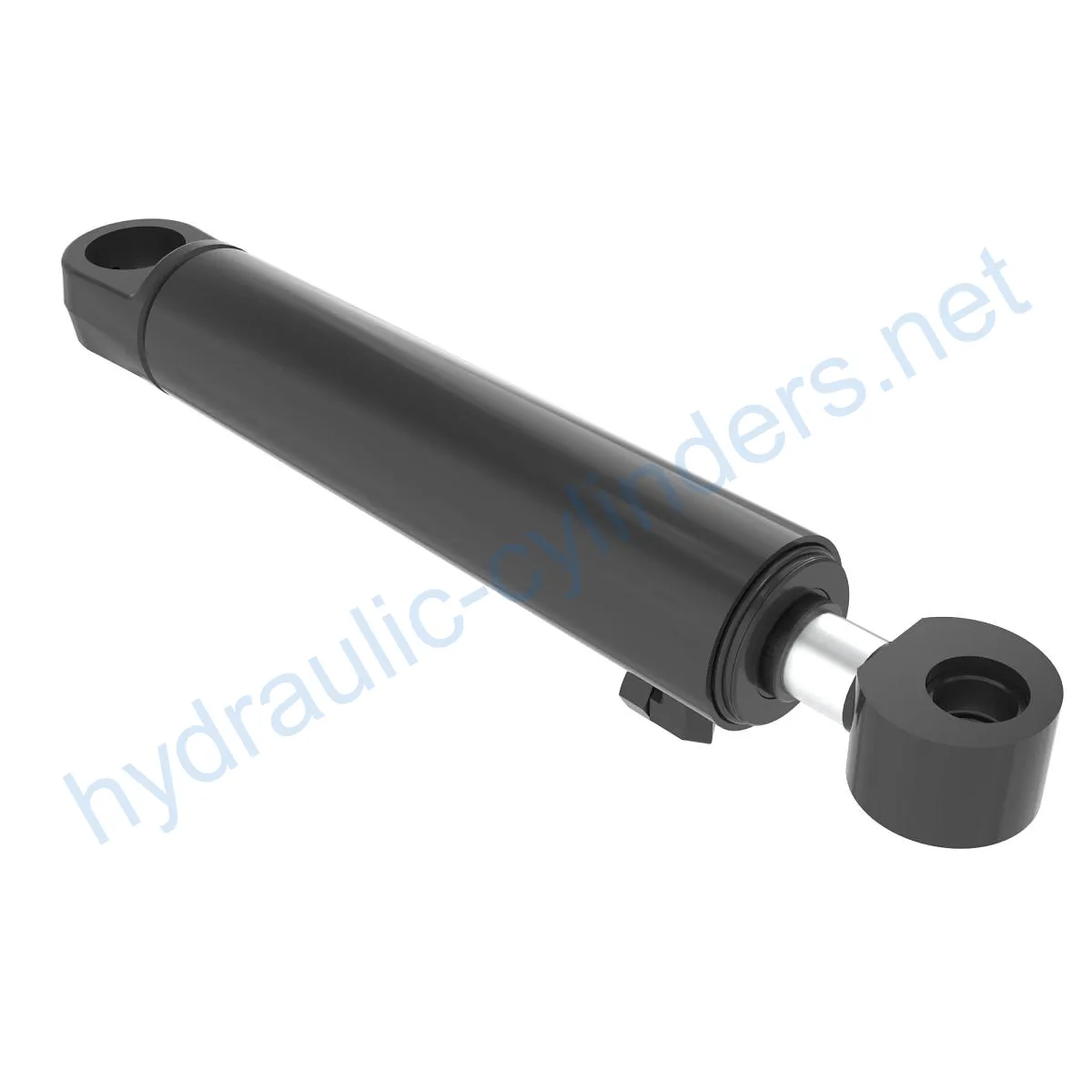
Replacement Of AHC18295 Bucket Hydraulic Cylinder
In qualità di uno dei produttori, fornitori ed esportatori di prodotti meccanici, offriamo cilindri idraulici e molti altri prodotti.
Per maggiori dettagli, contattateci.
Posta:sales@hydraulic-cylinders.net
Produttore fornitore esportatore di cilindri idraulici.
Replacement Of AHC18295 Bucket Hydraulic Cylinder
Introduzione al prodotto
The Replacement Of AHC18295 Bucket Hydraulic Cylinder is an essential component in hydraulic systems. It is designed to provide the necessary force and control for various applications, such as lifting, pushing, and tilting. This hydraulic cylinder is specifically designed as a replacement for the original AHC18295 model, ensuring compatibility and optimal performance.
Specifiche e modelli
Weight: 55.78 lb
Altezza: 4,8 pollici
Larghezza: 6,5 pollici
Lunghezza: 30 pollici
Compatible Models: 331 P, 331G, 332G, 333 P, 333G, 334 P, 335 P
Caratteristiche del prodotto
- Prestazioni migliorate delle apparecchiature: la sostituzione dei cilindri idraulici danneggiati o usurati può ripristinare la normale capacità operativa delle apparecchiature, garantendo prestazioni ottimali in varie applicazioni.
- Maggiore sicurezza: la sostituzione regolare dei cilindri idraulici può ridurre i rischi per la sicurezza causati da malfunzionamenti dei cilindri, garantendo la sicurezza degli operatori e delle attrezzature.
- Protezione da sovraccarico: i cilindri di nuova progettazione spesso incorporano meccanismi di protezione da sovraccarico migliori, aumentando la sicurezza.
- Installazione rapida: i moderni cilindri idraulici sono progettati per essere facilmente installati e sostituiti, riducendo al minimo i tempi di fermo.
- Componenti standardizzati: molti cilindri idraulici sono prodotti standardizzati, il che rende più facile reperire pezzi di ricambio sul mercato.
Siamo in grado di produrre questo prodotto, offrendo una sostituzione perfetta per questi cilindri idraulici.
Applicazioni
1. Excavators: Hydraulic cylinders on the boom or bucket of excavators may get damaged due to long-term use or overload, requiring replacement to restore normal operation.
2. Cranes: Hydraulic cylinders on the lifting arms of cranes are subjected to frequent lifting and lowering, which can lead to wear and tear. Regular replacement is necessary to ensure safety.
3. Tractors: Hydraulic cylinders on the front loaders of tractors may experience leaks or performance decline during constant lifting and tilting operations, necessitating replacement.
4. Harvesters: The hydraulic system in harvesters operates under high pressure, and cylinders may suffer from fatigue. Timely replacement is crucial to maintain work efficiency.
5. Automated Production Lines: Hydraulic cylinders are used to control robotic arms and other automated equipment. Any cylinder failure can disrupt production efficiency, requiring immediate replacement.
6. Die Casting Machines: In high-pressure and high-temperature environments, hydraulic cylinders may experience performance decline. Regular replacement ensures product quality.
7. Mining Equipment: Hydraulic cylinders are used for lifting and moving heavy loads in mining equipment. Due to harsh working conditions, regular inspection and replacement are necessary to avoid equipment failure.
8. Bulldozers: The wear of hydraulic cylinders on the bulldozer’s dozer arm can result in decreased pushing capability, requiring timely replacement to maintain operational efficiency.
Attività di manutenzione
Regular maintenance is crucial to ensure the longevity and optimal performance of the Replacement Of AHC18295 Bucket Hydraulic Cylinder. Here are three common maintenance tasks:
1. Ispezione regolare
Regularly inspect the hydraulic cylinder for any signs of damage, leaks, or abnormal wear. Promptly address any issues to prevent further damage and ensure proper functioning.
2. Lubrificazione corretta
Ensure proper lubrication of the hydraulic cylinder with the recommended hydraulic oil. Lubrication helps reduce friction, prevent wear, and maintain smooth operation.
3. Sostituzione della guarnizione e controllo della calibrazione
Periodically replace worn seals to prevent leaks and maintain the cylinder’s integrity. Additionally, perform calibration checks to ensure the cylinder operates within the specified parameters.
During installation, provide proper alignment guidance for aligning the cylinder correctly. It is advisable to use appropriate mounting brackets to secure the cylinder. We recommend following the recommended inspection, repair, and replacement procedures. We also offer replacement parts and rebuilding services to extend the lifespan of the hydraulic cylinder.
Considerazioni sulla sicurezza e fattori ambientali
When using hydraulic cylinders, adhering to safety measures is of utmost importance. Properly maintaining and inspecting the cylinders can prevent accidents and ensure the safety of operators and equipment. Additionally, considering environmental factors and using the cylinders in accordance with regulations can help minimize any negative impact on the environment.
Risoluzione dei problemi e problemi comuni
1. Cylinder Leakage: If the hydraulic cylinder is experiencing leaks, check the seals and connections for damage or wear. Replace any faulty components and ensure proper sealing.
2. Insufficient Force: If the cylinder is not providing enough force, check for any restrictions in the hydraulic system, such as clogged filters or insufficient hydraulic fluid. Address the issue accordingly.
3. Erratic Movement: If the cylinder’s movement is irregular or erratic, inspect the control valves and hydraulic lines for any blockages or malfunctions. Rectify the problem to ensure smooth operation.
For troubleshooting, it’s essential to diagnose the specific issue and provide appropriate solutions. Offering tips for fault handling and problem resolution can help readers effectively diagnose and resolve issues. Emphasize preventive measures to minimize potential problems.

Considerazioni progettuali e criteri di selezione
When selecting a hydraulic cylinder, various design considerations come into play. These include load-bearing capacity, sealing effectiveness, durability, safety features, and ease of maintenance:
1. Capacità portante
Ensure the hydraulic cylinder can handle the expected load capacity and operating conditions to ensure optimal performance and prevent failures.
2. Sealing Effectiveness
Choose hydraulic cylinders equipped with high-quality seals, such as piston seals and rod seals, made from durable materials like polyurethane or nitrile rubber. Proper sealing prevents leaks and ensures efficient operation.
3. Durata
Consider the durability of the cylinder’s components, such as the cylinder body and rod surface. Fine surface treatment improves wear resistance and extends the cylinder’s lifespan.
4. Caratteristiche di sicurezza
Look for cylinders with built-in safety features, such as overload protection mechanisms or pressure relief valves, to prevent accidents and ensure safe operation.
5. Facilità di manutenzione
Select cylinders that are designed for easy maintenance, such as those with accessible seals and convenient repair procedures. This facilitates regular inspection and minimizes downtime.
Sigillatura e lubrificazione
Hydraulic cylinders require proper sealing and lubrication to ensure optimal performance and longevity. Key considerations include:
- Using various sealing components, such as piston seals, rod seals, and wipers, to provide effective sealing and prevent fluid leakage.
- Selecting wear-resistant materials, such as polyurethane or nitrile rubber, for the seals to withstand the demanding conditions of hydraulic systems.
- Applying precise surface treatments to the cylinder body and threaded ends to enhance wear resistance.
- Regular
Cilindro idraulico Applicazione:

 IT
IT  EN
EN  PT
PT  ES
ES  DE
DE  FR
FR  AR
AR  ZH
ZH  RU
RU  KO
KO  KA
KA  BG
BG  CS
CS  DA
DA  EL
EL  ET
ET  FI
FI  HU
HU  ID
ID  LT
LT  LV
LV  NB
NB  NL
NL  PL
PL  RO
RO  SK
SK  SL
SL  SV
SV  TR
TR  UK
UK