
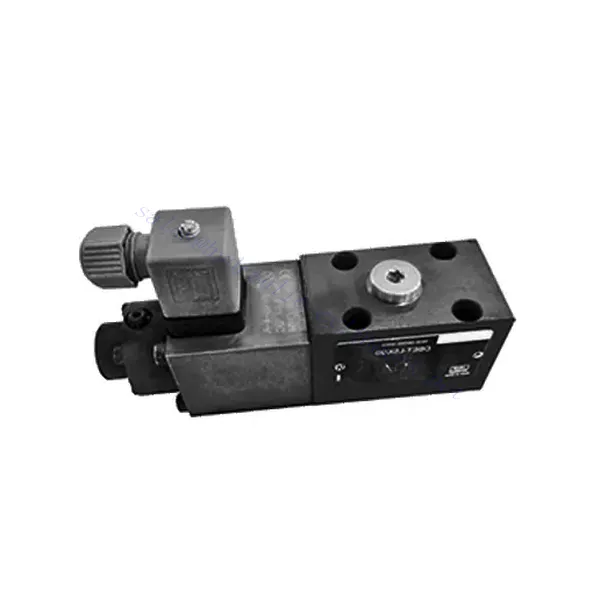
DBET (E) sērijas proporcionālais spiediena samazināšanas hidrauliskais vārsts
DBET (E) sērijas proporcionālais spiediena samazināšanas hidrauliskais vārsts
The DBET(E) series proportional pressure relief hydraulic valve is a cutting-edge component designed to deliver precise pressure control in hydraulic systems. With its advanced proportional control technology and exceptional performance, this valve optimizes system efficiency, enhances safety, and prolongs the lifespan of hydraulic equipment.
The DBET(E) series proportional pressure relief hydraulic valve is an indispensable component for achieving precise pressure control in hydraulic systems. With its proportional pressure regulation, enhanced efficiency, and equipment protection features, this valve optimizes system performance while ensuring the safety and longevity of hydraulic equipment. By following the recommended usage methods and maintenance guidelines, you can harness the full potential of the DBET(E) series proportional pressure relief hydraulic valve, maximizing the performance and reliability of your hydraulic system. Upgrade your hydraulic setup today and experience optimal pressure control with the DBET(E) series valve.
DBET(E) Series Proportional Pressure Relief Hydraulic Valve Key Characteristics:
- Proportional Pressure Control:
- The DBET(E) series valve offers precise and proportional pressure relief, allowing for accurate and dynamic pressure regulation in hydraulic systems.
- It maintains a consistent pressure level against varying loads, ensuring optimal performance and preventing damage to hydraulic components.
- Uzlabota sistēmas efektivitāte:
- By providing proportional pressure control, this valve helps optimize system efficiency by reducing energy consumption and minimizing pressure fluctuations.
- It ensures that hydraulic equipment operates at the desired pressure, resulting in improved productivity and reduced operational costs.
- Drošība un aprīkojuma aizsardzība:
- The DBET(E) Series Valve acts as a safety measure by limiting the pressure within the hydraulic system, preventing overloading and potential damage to equipment or operators.
- It safeguards sensitive components from excessive pressure, extending their lifespan and reducing the risk of system failures.
- Flexibility and Adaptability:
- This valve is available in different sizes and pressure ranges, allowing for compatibility with various hydraulic systems and applications.
- Its adaptable design makes it suitable for various industries, including manufacturing, construction, agriculture, and more.
DBET(E) Series Proportional Pressure Relief Hydraulic Valve Parameter:
| Šķidrums | Minerāleļļa, kas piemērota NBR un FKM blīvējumiem | |
| Fosfāta esteris FKM blīvējumam | ||
| Šķidruma temperatūras diapazons | ℃ | -30 līdz +80 (NBR blīvējumi) |
| -20 to +80 (FKM seals) | ||
| Viskozitātes diapazons | mm2/s | 15 to 380 |
| Piesārņojuma pakāpe | Maximum permissible degree of fluid contamination: Class 9 and ISO4406 Class 20/18/15 | |
| Max. operating pressure (Port P) | bārs | 350 |
| Maks. iestatīšanas spiediens | bārs | 50; 100; 200; 315; 350 |
| Min. iestatāmais spiediens | See characteristic curves | |
| Min. iestatāmais spiediens pie 0 komandas vērtības | =Min. iestatāmais spiediens | |
| Return pressure(Port T) | bārs | Separate and at zero pressure to tank |
| Maks. plūsmas ātrums | L/min | 2 |
| Linearitāte | ± 3.5 % of max. settable pressure | |
| Histerēze | ± 1.5 % of max. settable pressure | |
| Atkārtojamība | < ± 2 % of max. settable pressure | |
| Pārslēgšanas laiks | kundze | 30 to 150 (system dependent) |
DBET(E) Series Proportional Pressure Relief Hydraulic Valve Advantages:
• Direct, to restrict system pressure
• Installation face follows ISO 4401-03-02-0-05
• Pieci spiediena diapazoni
• Accompanying electronic amplifier VT-2000 or plugin amplifier VT-SSPA1-…-L2X (separate order)
Usage Method Of DBET(E) Series Proportional Pressure Relief Hydraulic Valve :
- Sistēmas novērtēšana:
- Assess the specific requirements of your hydraulic system, including the desired pressure range, maximum flow rate, and compatibility with existing components.
- Determine if the DBET(E) series valve suits your application based on its pressure control capabilities and compatibility with your system.
- Vārsta izvēle:
- Choose the appropriate variant of the DBET(E) series valve based on your system parameters, required pressure range, and flow capacity.
- Ņemiet vērā maksimālo spiediena novērtējumu, reakcijas laiku un ekspluatācijas apstākļus.
- Uzstādīšana:
- Rūpīgi ievērojiet ražotāja uzstādīšanas instrukcijas, nodrošinot pareizu izlīdzināšanu un drošu vārsta stiprinājumu.
- Connect the valve to the hydraulic system, paying attention to the flow direction indicators and ensuring leak-free connections.
- Spiediena iestatījums:
- Adjust the pressure relief setting of the valve to match the desired pressure range for your application.
- This can typically be achieved through proportional control signals or adjustments on the valve itself, depending on the specific model.
How To Add A Hydraulic Valve To A Tractor?
Adjusting a hydraulic flow control valve allows you to regulate the speed or flow rate of hydraulic fluid in a hydraulic system. By controlling the flow, you can optimize the performance of hydraulic cylinders, motors, or other hydraulic components. Here’s a step-by-step guide on how to adjust a hydraulic flow control valve:
- Identify the Flow Control Valve:
- Locate the flow control valve in your hydraulic system. It is typically installed in the hydraulic line leading to the component you want to control, such as a cylinder or motor.
- Izprotiet vārsta konstrukciju:
- Familiarize yourself with the specific design of the flow control valve you are working with. Different valves may have varying adjustment mechanisms, such as a knob, screw, or handle.
- Determine the Desired Flow Rate:
- Assess the requirements of your hydraulic system and determine the desired flow rate or speed for the component you are controlling. This will guide you in adjusting the flow control valve accurately.
- Sagatavojiet sistēmu:
- Pirms jebkādu regulējumu veikšanas izslēdziet hidraulisko sistēmu un samaziniet spiedienu, pārvietojot vadības sviras uz priekšu un atpakaļ vai ievērojot ražotāja ieteikto procedūru.
- Atrodiet regulēšanas mehānismu:
- Identify the adjustment mechanism on the flow control valve. It could be a knob, screw, or handle positioned on the valve body or adjacent to it.
- Pielāgojiet vārstu:
- If the valve has a knob or handle, turn it clockwise to decrease the flow rate or counterclockwise to increase the flow rate. If the valve has a screw, turn it clockwise to reduce the flow or counterclockwise to increase it.
- Veikt pakāpeniskas korekcijas:
- When adjusting the flow control valve, make small, incremental changes to avoid sudden or drastic variations in flow rate. This allows you to fine-tune the speed and achieve the desired performance.
- Ievērojiet sistēmu:
- With each adjustment, observe the hydraulic system and the component being controlled. Pay attention to the speed or flow rate to see if it aligns with the desired outcome.
- Test and Refine:
- Operate the hydraulic system and the controlled component to test the effectiveness of your adjustments. If necessary, continue making incremental changes until the desired flow rate or speed is achieved.
- Regulēšanas fiksēšana:
- Once you have achieved the desired flow rate, secure the adjustment mechanism to prevent unintended changes. Some valves may have a locking nut or set screw that can be tightened to hold the adjustment in place.
- Monitor and Revisit:
- Regularly monitor the performance of the hydraulic system and the controlled component. If there are changes in the system or if the desired flow rate needs to be adjusted, revisit the flow control valve and repeat the adjustment process as needed.
Rūpnīcas iespējas un jauda:
(1) Montāža
Mums ir pirmklasīga neatkarīga pētniecības un attīstības montāžas platforma. Hidraulisko cilindru ražošanas darbnīcā ir četras pusautomātiskas pacelšanas cilindru montāžas līnijas un viena automātiskā slīpuma cilindru montāžas līnija ar projektēto gada ražošanas jaudu 1 miljons vienību. Speciālo cilindru darbnīca ir aprīkota ar dažādu specifikāciju pusautomātisku tīrīšanas montāžas sistēmu ar projektēto gada ražošanas jaudu 200 000 vienību un aprīkota ar slavenām CNC apstrādes iekārtām, apstrādes centru, augstas precizitātes cilindru apstrādes speciālo aprīkojumu, robotizētu metināšanas iekārtu, automātisku tīrīšanas iekārtu, automātisku cilindru montāžas iekārtu un automātisku krāsošanas ražošanas līniju. Esošais kritiskais aprīkojums ir vairāk nekā 300 komplektu (komplektu). Optimāla iekārtu resursu sadale un efektīva izmantošana nodrošina produktu precizitātes prasības un apmierina produktu augstās kvalitātes prasības.


(2) Apstrāde
Apstrādes cehs ir aprīkots ar pielāgotu slīpo sliežu virpošanas centru, apstrādes centru, ātrgaitas asināšanas mašīnu, metināšanas robotu un citu saistītu aprīkojumu, kas var apstrādāt cilindriskas caurules ar maksimālo iekšējo diametru 400 mm un maksimālo garumu 6 metri.

(3) Metināšana

(4) Krāsošana un pārklāšana
Ar mazām un vidēja izmēra cilindriskām automātiskām ūdens bāzes krāsu pārklāšanas līnijām, lai panāktu automātisku robotu iekraušanu un izkraušanu un automātisku izsmidzināšanu, projektētā jauda ir 4000 gabali maiņā;
Mums ir arī pusautomātiska krāsu ražošanas līnija lieliem baloniem, ko darbina ķēdes piedziņa, ar 60 kastu konstrukcijas jaudu vienā maiņā.


(5) Testēšana
Mums ir augstākās klases pārbaudes iekārtas un testēšanas stendi, lai nodrošinātu, ka balona veiktspēja atbilst prasībām.

Mēs esam viens no labākajiem hidraulisko cilindru ražotājiem. Mēs varam piedāvāt visaptverošus hidrauliskos cilindrus. Mēs nodrošinām arī atbilstošus lauksaimniecības pārnesumkārbas. Mēs esam eksportējuši savus produktus klientiem visā pasaulē un esam ieguvuši labu reputāciju, pateicoties mūsu izcilajai produktu kvalitātei un pēcpārdošanas servisam. Mēs aicinām klientus no valsts un ārvalstīm sazināties ar mums, lai risinātu biznesa sarunas, apmainītos ar informāciju un... sadarboties ar mums!



 LV
LV  EN
EN  PT
PT  ES
ES  DE
DE  FR
FR  IT
IT  AR
AR  ZH
ZH  RU
RU  KO
KO  KA
KA  BG
BG  CS
CS  DA
DA  EL
EL  ET
ET  FI
FI  HU
HU  ID
ID  LT
LT  NB
NB  NL
NL  PL
PL  RO
RO  SK
SK  SL
SL  SV
SV  TR
TR  UK
UK