

AHC14777 hidrauliskā cilindra nomaiņa
Replacement Of AHC14777 Hydraulic Cylinder
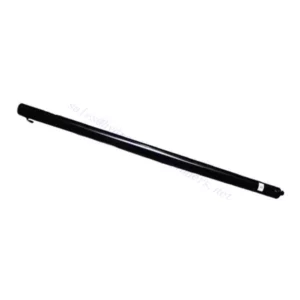
Definition: The Replacement Of AHC14777 Hydraulic Cylinder is a hydraulic component used in various machinery and equipment to provide linear force and movement. It plays a crucial role in the operation and performance of these machines.
Specifikācijas
- Weight: 519.999 lb
- Height: 9.7 in
- Length: 78.5 in
Saderīgi modeļi
- 803MH
- 853M
- 853MH
- 859 miljoni
- 859MH
- 903KH
- 903MH
- 909KH
- 909MH
- 953MH
- 959MH
Produkta funkcijas
- Uzlabota iekārtu veiktspēja: Bojātu vai nodilušu hidraulisko cilindru nomaiņa var atjaunot iekārtu normālu darbības spēju, nodrošinot to darbību dažādos pielietojumos.
- Paaugstināta drošība: Regulāra hidraulisko cilindru nomaiņa var samazināt cilindru bojājumu radītos drošības apdraudējumus, nodrošinot operatoru un aprīkojuma drošību.
- Pārslodzes aizsardzība: Jaunās cilindru konstrukcijas bieži vien ietver labākus pārslodzes aizsardzības mehānismus, tādējādi uzlabojot drošību.
- Ātra uzstādīšana: Mūsdienu hidrauliskie cilindri ir paredzēti vienkāršai uzstādīšanai un nomaiņai, tādējādi samazinot dīkstāves laiku.
- Standartizētas sastāvdaļas: Daudzi hidrauliskie cilindri ir standartizēti produkti, kas atvieglo rezerves daļu iegūšanu tirgū.
We are capable of manufacturing this product, offering perfect replacements for these hydraulic cylinders.
Pieteikumi
- Ekskavatori: Ekskavatora strēles vai kausa hidrauliskais cilindrs var tikt bojāts ilgstošas lietošanas vai pārslodzes dēļ, un normālai darbībai tas ir jānomaina.
- Cranes: The hydraulic cylinder on a crane’s lifting arm can wear out during frequent lifting and lowering, necessitating regular replacement for safety.
- Tractors: The hydraulic cylinder on a tractor’s front loader may develop leaks or decreased performance from continuous lifting and tilting operations, requiring replacement.
- Harvesters: The hydraulic system undergoes high pressure during harvesting, and fatigue may damage the cylinder, requiring timely replacement for efficient work.
- Automated Production Lines: Hydraulic cylinders are used to control robotic arms and other automated equipment. Cylinder failures can impact production efficiency and should be replaced promptly.
Here are some expanded descriptions for each application:
Ekskavatori
In excavators, the hydraulic cylinder is responsible for controlling the arm and bucket movements. Over time, the cylinder may suffer damage or wear, affecting the excavator’s performance. Replacing the hydraulic cylinder restores the excavator’s ability to dig, load, and perform various tasks efficiently.
Celtņi
On cranes, the hydraulic cylinder operates the lifting arm, allowing it to raise and lower loads. Frequent use and heavy loads can cause wear and tear on the cylinder, compromising the crane’s lifting capacity and posing safety risks. Regularly replacing the hydraulic cylinder ensures smooth and safe crane operations.
Traktori
The hydraulic cylinder on a tractor’s front loader is crucial for lifting and tilting operations. Continuous use and exposure to challenging working conditions can lead to cylinder leaks or decreased performance. Replacing the hydraulic cylinder ensures optimal performance and avoids interruptions in agricultural tasks.
Kombaini
During the harvesting process, hydraulic cylinders endure high pressures and repetitive movements. Fatigue and wear can affect the cylinder’s performance, resulting in decreased efficiency and potential breakdowns. Timely replacement of hydraulic cylinders is essential to maintain productivity and harvest quality.
Apkopes uzdevumi
- Regular Inspections: Periodically check the hydraulic cylinder for leaks, damage, or signs of wear. Promptly address any issues to prevent further damage.
- Proper Lubrication: Ensure the hydraulic cylinder is properly lubricated to reduce friction and extend its lifespan. Use recommended lubricants and follow the manufacturer’s guidelines.
- Seal Replacement and Calibration Check: Regularly replace worn seals to prevent hydraulic fluid leaks. Additionally, calibrate the cylinder to ensure precise performance and alignment.
Proper installation, lubrication, and adjustment are crucial for the hydraulic cylinder’s efficiency and longevity. Provide detailed guidance on aligning the cylinder correctly during installation and recommend using appropriate installation brackets for secure mounting. Recommend inspection, repair, and replacement procedures, along with parts replacement and rebuilding services to maximize the cylinder’s lifespan.
Drošības apsvērumi un vides faktori
When using hydraulic cylinders, safety measures are of utmost importance to prevent accidents and injuries. Proper handling, installation, and maintenance should be followed to ensure safe operations. Additionally, considering environmental factors such as hydraulic fluid leaks and proper disposal helps preserve the environment and comply with regulations.
Biežāk sastopamās darbības traucējumi un to novēršana
It’s essential to diagnose and address hydraulic cylinder malfunctions promptly. Here are some common issues:
Noplūde
If hydraulic fluid is leaking from the cylinder, check for damaged seals, loose connections, or worn components. Replace faulty parts and ensure proper sealing.
Jaudas trūkums
If the hydraulic cylinder lacks power, inspect the hydraulic pump, control valves, and pressure settings. Adjust or replace components as necessary to restore proper power and performance.
Nevienmērīga kustība
If the cylinder moves unevenly or jerks during operation, check for hydraulic fluid contamination, damaged seals, or misalignment. Clean or replace contaminated fluid and seals, and realign the cylinder if needed.
Provide troubleshooting tips and solutions to help readers effectively diagnose and resolve hydraulic cylinder issues. Offer preventive measures to minimize potential problems and ensure proper maintenance practices.
Produkta dizaina apsvērumi un atlases kritēriji
Izvēloties hidrauliskos cilindrus un to izgatavošanas metodes, jāņem vērā vairāki faktori:
Nestspēja
The hydraulic cylinder must be designed to handle the specific load requirements of the application. Consider factors such as weight, force, and operating conditions to ensure optimal performance and safety.
Blīvējums un izturība
Hydraulic cylinders should incorporate reliable sealing mechanisms to prevent leaks and maintain performance. Choosing durable materials such as polyurethane and nitrile rubber for seals, along with fine surface treatments on cylinder bodies and threaded ends, enhances wear resistance.
Drošība un apkope
Designing hydraulic cylinders with safety features and ease of maintenance in mind is crucial. Emphasize the importance of proper installation, lubrication, and adjustment to ensure safe and efficient operation. Provide tips and techniques to prolong the cylinder’s lifespan and reduce downtime.



 LV
LV  EN
EN  PT
PT  ES
ES  DE
DE  FR
FR  IT
IT  AR
AR  ZH
ZH  RU
RU  KO
KO  KA
KA  BG
BG  CS
CS  DA
DA  EL
EL  ET
ET  FI
FI  HU
HU  ID
ID  LT
LT  NB
NB  NL
NL  PL
PL  RO
RO  SK
SK  SL
SL  SV
SV  TR
TR  UK
UK