
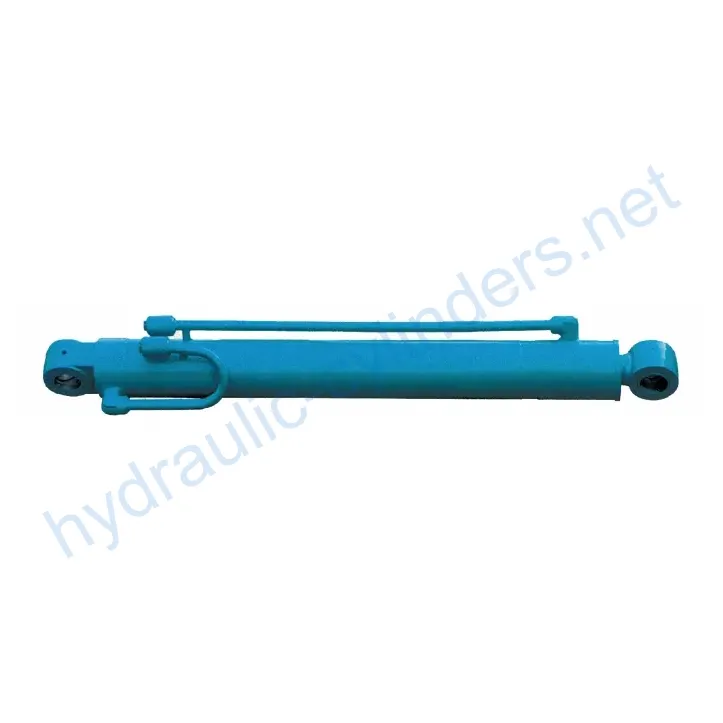
Arm CylinderFor Sany Small Excavator SY135C-9
Som en av produsentene, leverandørene og eksportørene av mekaniske produkter tilbyr vi hydrauliske sylindere og mange andre produkter.
Ta kontakt med oss for mer informasjon.
Post:sales@hydraulic-cylinders.net
Produsent, leverandør og eksportør av hydrauliske sylindere.
Arm Cylinder For Sany Small Excavator SY135C-9
Arm Cylinder is a specially designed hydraulic cylinder that is used to provide linear motion and power to the arm of various types of machinery, such as excavators, cranes, and robotic arms. The arm cylinder plays a crucial role in hydraulic systems, enabling the effective movement and control of additional tools or attachments. These cylinders not only achieve smooth motion but also withstand heavy loads, ensuring efficient operation and reliability of the machinery under various working conditions.
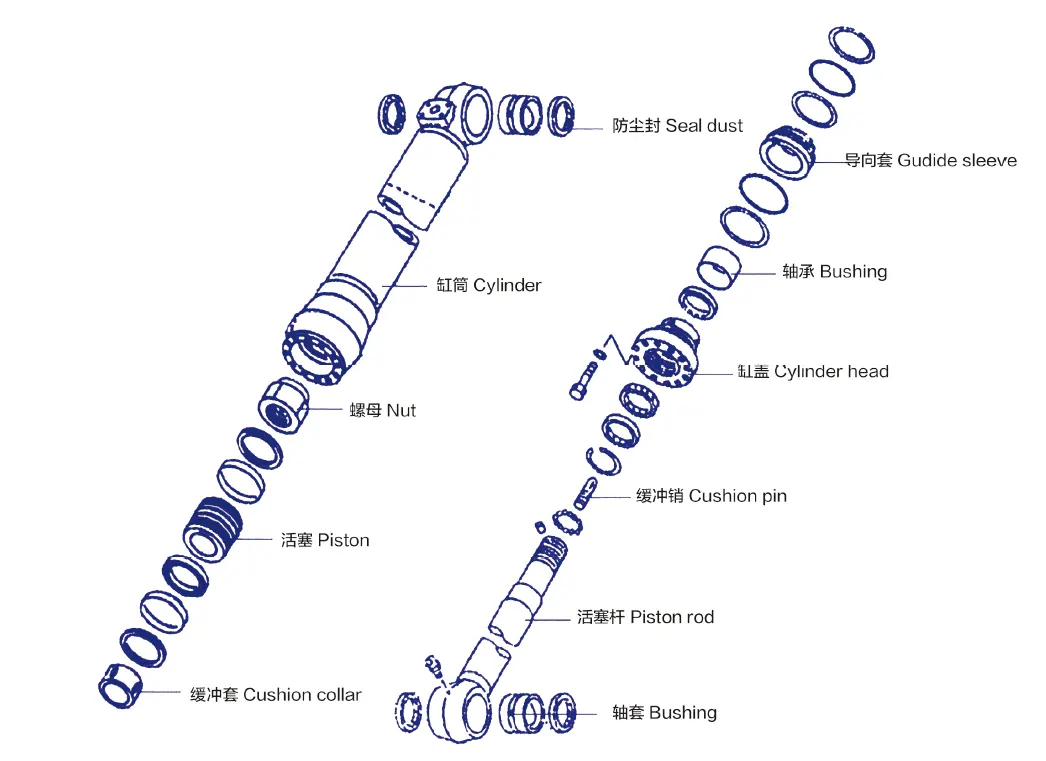
Funksjoner på armsylinderen:
- High-efficiency transmission: The arm cylinder provides powerful linear motion and force, ensuring high-performance capability for the mechanical arm in various operations.
- Presisjonskontroll: Gjennom det hydrauliske systemet muliggjør armsylinderen presis bevegelseskontroll, noe som gjør betjeningen av tilkoblede verktøy mer fleksibel og nøyaktig.
- Strong durability: Arm cylinders are usually manufactured using high-strength materials, offering excellent wear resistance and corrosion resistance, making them suitable for long-term use in harsh environments.
- Multi-functional adaptability: These cylinders are widely applicable to various machinery equipment such as excavators, cranes, and robotic arms, adapting to different working requirements.
- Enkelt vedlikehold: Designet tar hensyn til enkelt vedlikehold og utskifting, noe som gjør regelmessige inspeksjoner og service enklere og reduserer nedetid for utstyr.

The arm cylinder we provide is a perfect replacement for these hydraulic cylinders.
Bruksområder for armsylinder:
1. Construction Engineering: In excavators and cranes, the arm cylinder is used to control the movement of buckets or booms, performing earthwork, material handling, and structural installation.
2. Manufacturing Industry: In automated production lines, the arm cylinder is used for the movement of robotic arms, carrying out assembly, welding, and handling processes, improving production efficiency and accuracy.
3. Agricultural Machinery: In agricultural machines such as harvesters and seeders, the arm cylinder controls the movement of operating arms, executing tasks such as seeding, fertilizing, and harvesting.
4. Gruvedrift: I gruveutstyr brukes armsylinderen til å kontrollere armbevegelsen til gruvemaskineriet, noe som letter malmutvinning og transport.
5. Logistics and Transportation: In forklifts and handling robots, the arm cylinder is used to control the lifting and movement of forks, enabling material handling and stacking.
Designhensyn og utvalgskriterier:
When it comes to the design considerations and selection criteria for arm cylinders, several factors are crucial:
- Load-bearing capacity: The arm cylinder should be able to withstand the expected loads and forces during operation.
- Sealing capability: Various sealing components, such as piston seals and rod seals, should be used to ensure effective sealing. Polyurethane and nitrile rubber are commonly chosen wear-resistant materials for these seals.
- Durability: The cylinder body and threaded ends should undergo fine processing to improve wear resistance. Regular lubrication with appropriate hydraulic oil is necessary for proper functioning.
- Safety: Safety measures, such as pressure relief valves, should be incorporated into the hydraulic system to prevent excessive pressure and ensure safe operation.
- Maintainability: The design should facilitate easy maintenance and repair, allowing for quick inspection and replacement of components, minimizing downtime.

Tetting og smøring av armsylinder:
Arm cylinders use various sealing components, including piston seals, rod seals, etc., which are made of wear-resistant materials such as polyurethane and nitrile rubber. The cylinder body and threaded ends undergo fine processing to enhance wear resistance. Regular lubrication with the appropriate amount of hydraulic oil is necessary to ensure smooth operation.
Regular Inspection and Preventative Maintenance:
To ensure the optimal performance and longevity of the arm cylinder, regular inspections and preventative maintenance are essential:
- Check for any signs of wear or damage on the cylinder body, seals, and threaded ends.
- Inspect and clean the hydraulic system regularly to prevent the accumulation of contaminants.
- Monitor and maintain the appropriate hydraulic oil level and quality.
- Stram til eventuelle løse koblinger eller beslag.
- Follow the manufacturer’s guidelines for maintenance schedules and procedures.
Riktig installasjonsveiledning:
Når du monterer armsylinderen, følg disse trinnene:
- Ensure the excavator or machinery is turned off and the hydraulic system is depressurized.
- Securely attach the arm cylinder to the designated mounting points, following the equipment’s specifications.
- Connect the hydraulic hoses to the appropriate ports, ensuring proper sealing.
- Check for any leaks or abnormal movements during the initial operation.
- Test the functionality and movement of the arm cylinder in various operating conditions.

Sikkerhetshensyn og miljøfaktorer:
When utilizing arm cylinders, it is crucial to prioritize safety measures due to the nature of their applications. Implementing proper safety precautions, such as operator training, regular inspections, and adhering to safety guidelines, is of utmost importance to prevent accidents and ensure a safe working environment.
Feilsøking og vanlige problemer:
1. Leakage: Check for any damaged seals or loose connections. Replace seals if necessary and tighten connections properly.
2. Irregular movements or sticking: Inspect for any debris or contamination in the hydraulic system. Clean or flush the system as needed.
3. Insufficient power: Check the hydraulic oil level and quality. Ensure that the cylinder is not overloaded and that there are no restrictions in the hydraulic lines.
4. Abnormal noise: Inspect for loose or worn-out components. Lubricate or replace parts accordingly.
5. Cylinder drift: Check for any internal leakage or worn-out seals. Replace seals if required.
By following these troubleshooting tips and providing solutions, readers can effectively diagnose and resolve issues, as well as implement preventative measures to minimize potential problems.

Husk å organisere artikkelen logisk, bruke underoverskrifter for enkel navigering, innlemme relevante bilder eller diagrammer for å forbedre forståelsen, og sørge for at innholdet er klart, konsist og egnet for lesere med varierende nivåer av teknisk kunnskap.
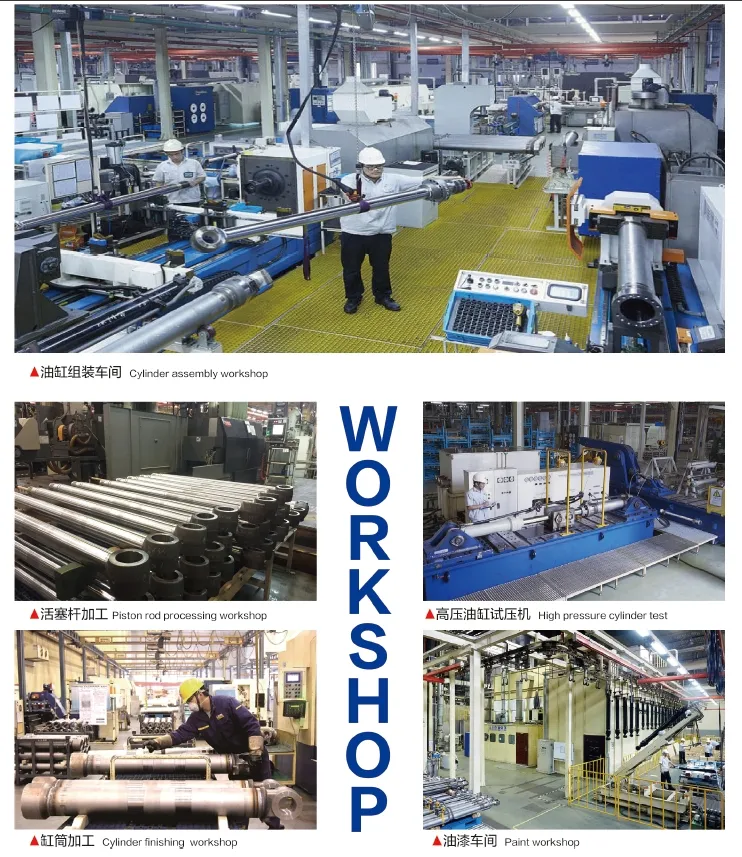
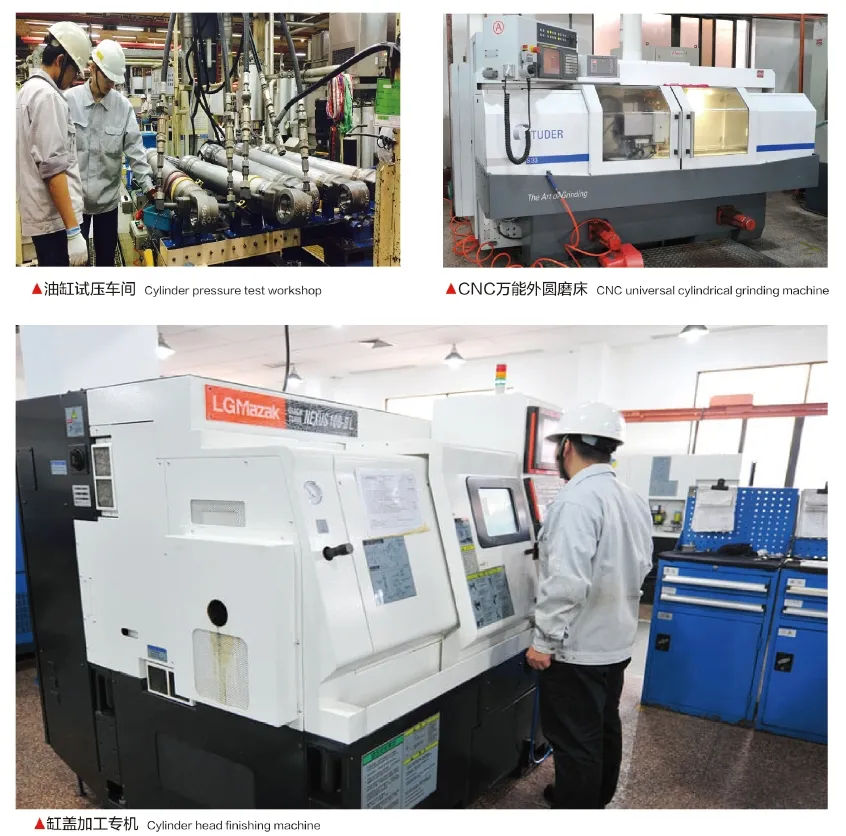
Lastly, we are a professional manufacturer of replacement hydraulic cylinders. With a wide range of products, we have become one of the leading hydraulic cylinder manufacturers and wholesale distributors in domestic and international markets. We uphold the principle of excellence and continuously improve our technical expertise and production efficiency. By introducing advanced digital manufacturing equipment and professional testing systems, we optimize our manufacturing platform and enhance our product quality control processes, demonstrating strong innovation capabilities. Our goal is to meet our customers’ diverse needs with efficiency, precision, and high-quality products.
Forfatter: lyl
Hydraulisk sylinderapplikasjon:

 NB
NB  EN
EN  PT
PT  ES
ES  DE
DE  FR
FR  IT
IT  AR
AR  ZH
ZH  RU
RU  KO
KO  KA
KA  BG
BG  CS
CS  DA
DA  EL
EL  ET
ET  FI
FI  HU
HU  ID
ID  LT
LT  LV
LV  NL
NL  PL
PL  RO
RO  SK
SK  SL
SL  SV
SV  TR
TR  UK
UK