
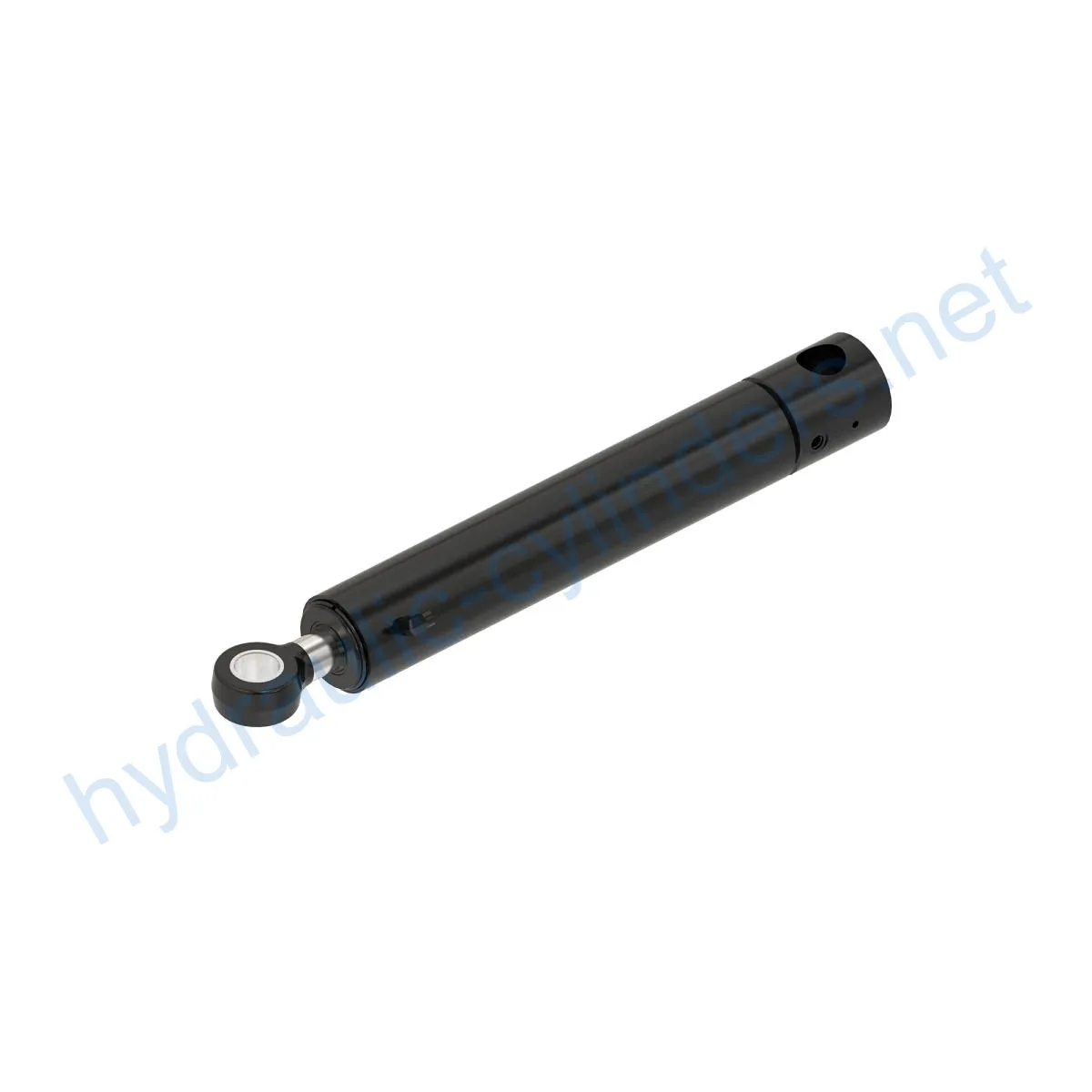
Replacement Of LVA11306 Hydraulic Cylinder
Replacement Of LVA11306 Hydraulic Cylinder
The Replacement Of LVA11306 Hydraulic Cylinder is a crucial component in various machinery. It plays a vital role in ensuring the smooth operation and performance of the equipment. With a weight of 14.2 lb, a height of 3 in, a width of 5.5 in, and a length of 19.5 in, this hydraulic cylinder is designed to meet the specific requirements of the 46, 47, 48, 49, 370B, 375, 375A, 385A, 447, 448, 485, 485A, 595, 900, 911, 960, BH7, BH8, BH9, and BH11 models.
Specificaties en modellen
Specificaties
- Weight: 14.2 lb
- Hoogte: 3 inch
- Breedte: 5,5 inch
- Length: 19.5 in
Modellen
- 46
- 47
- 48
- 49
- 370B
- 375
- 375A
- 385A
- 447
- 448
- 485
- 485A
- 595
- 900
- 911
- 960
- BH7
- BH8
- BH9
- BH11
Functies
- Verbeterde prestaties van apparatuur: Door beschadigde of versleten hydraulische cilinders te vervangen, kunt u de normale operationele capaciteiten van de apparatuur herstellen en optimale prestaties in verschillende toepassingen garanderen.
- Verhoogde veiligheid: Door hydraulische cilinders regelmatig te vervangen, worden veiligheidsrisico's veroorzaakt door cilinderstoringen verminderd. Zo wordt de veiligheid van de operators en de apparatuur gewaarborgd.
- Overbelastingsbeveiliging: Nieuwe cilinderontwerpen bevatten vaak betere overbelastingsbeveiligingsmechanismen, waardoor de algehele veiligheid wordt verbeterd.
- Snelle installatie: Moderne hydraulische cilinders zijn ontworpen met het oog op eenvoudige installatie en vervanging, waardoor de uitvaltijd tot een minimum wordt beperkt.
- Gestandaardiseerde componenten: Veel hydraulische cilinders zijn gestandaardiseerde producten, waardoor het eenvoudiger is om vervangende onderdelen op de markt te vinden.
We specialize in manufacturing replacement hydraulic cylinders that perfectly substitute for the mentioned models. Our products are engineered to match or exceed the performance of the original cylinders.
Applications of the Replacement Hydraulic Cylinder
The Replacement Of LVA11306 Hydraulic Cylinder finds applications in various industries, including:
Graafmachines
In excavators, the hydraulic cylinder is used in the arm or bucket. Over time, these cylinders can suffer damage or wear due to heavy usage or overloading. Replacement is necessary to restore normal operation.
Kranen
The hydraulic cylinders in crane boom arms are subjected to frequent lifting and lowering. Regular replacement is essential to ensure safety and prevent failures.
Tractoren
The front-end loader hydraulic cylinders in tractors may experience leaks or performance degradation during continuous lifting and tilting operations. Replacement is required to maintain optimal functionality.
Oogstmachines
During the harvesting process, hydraulic systems endure high pressures, which can lead to cylinder fatigue. Timely replacement is necessary to maintain work efficiency.
Geautomatiseerde productielijnen
Hydraulic cylinders are used to control robotic arms and other automated equipment. Any cylinder malfunction can severely impact production efficiency and requires immediate replacement.
Spuitgietmachines
Under high-pressure and high-temperature environments, hydraulic cylinders in die casting machines may experience performance degradation. Regular replacement ensures product quality.
Mijnbouwapparatuur
Hydraulic cylinders are used for lifting and moving heavy loads in mining equipment. Due to harsh working conditions, regular inspection and replacement are necessary to prevent equipment failures.
Bulldozers
The wear of hydraulic cylinders on bulldozer blade arms can lead to a decrease in pushing ability. Timely replacement is essential for maintaining operational efficiency.
Onderhoudstaken
Regular maintenance of the Replacement Of LVA11306 Hydraulic Cylinder includes the following tasks:
1. Regelmatige inspecties
Periodic inspections should be conducted to identify any signs of wear, leakage, or damage that may affect the performance of the hydraulic cylinder. Inspections ensure early detection of potential issues.
2. Goede smering
Appropriate lubrication is crucial for the optimal functioning of the hydraulic cylinder. Regularly adding the right amount of hydraulic oil helps to prevent friction and extend the cylinder’s lifespan.
3. Vervanging van de afdichting en kalibratiecontroles
Seals play a critical role in maintaining the integrity of the hydraulic cylinder. Regularly replacing worn-out seals and performing calibration checks ensures proper sealing and optimal performance.
During installation, it is important to provide accurate guidance for aligning the cylinder correctly. The use of appropriate installation supports to secure the cylinder is recommended. We also offer inspection, repair, and replacement procedures, as well as rebuilding services to enhance the lifespan of the hydraulic cylinder.
Veiligheidsoverwegingen en omgevingsfactoren
When working with hydraulic cylinders, it is crucial to prioritize safety measures. Proper use and maintenance of the cylinders minimize the risks associated with their operation. Additionally, considering environmental factors ensures the cylinders perform optimally in various conditions.
Diagnose en probleemoplossing van veelvoorkomende storingen
Faults in hydraulic cylinders can occur due to various reasons. Here are some common issues and their troubleshooting methods:
1. Lekkage
If the hydraulic cylinder is leaking, it may be due to damaged seals or incorrect installation. Inspect the seals and replace them if necessary. Ensure proper alignment and tight connections during installation.
2. Insufficient or Uneven Movement
If the cylinder fails to provide sufficient or uneven movement, it may be caused by low hydraulic fluid levels, worn-out seals, or internal damage. Check the fluid levels, replace the seals, or consider cylinder repair or replacement.
3. Excessive Noise or Vibration
Excessive noise or vibration can indicate misalignment, loose connections, or internal damage. Review the installation, check for loose bolts or connections, and inspect the cylinder for any signs of damage. Rectify the issues accordingly.
Preventive measures, such as regular inspections, proper lubrication, and correct installation, can help minimize potential issues and ensure optimal performance.




 NL
NL  EN
EN  PT
PT  ES
ES  DE
DE  FR
FR  IT
IT  AR
AR  ZH
ZH  RU
RU  KO
KO  KA
KA  BG
BG  CS
CS  DA
DA  EL
EL  ET
ET  FI
FI  HU
HU  ID
ID  LT
LT  LV
LV  NB
NB  PL
PL  RO
RO  SK
SK  SL
SL  SV
SV  TR
TR  UK
UK