
Advanced Fluid Power Maintenance
How to Remove a Stubborn Hydraulic Cylinder Gland (Nut): Tools, Techniques, and Safety
An authoritative engineering blueprint detailing kinetic leverage, thermodynamic expansion protocols, anaerobic thread locker neutralization, and the definitive procedures to safely dismantle seized fluid power actuators.
The Mechanical Fortress: Why Gland Nuts Seize
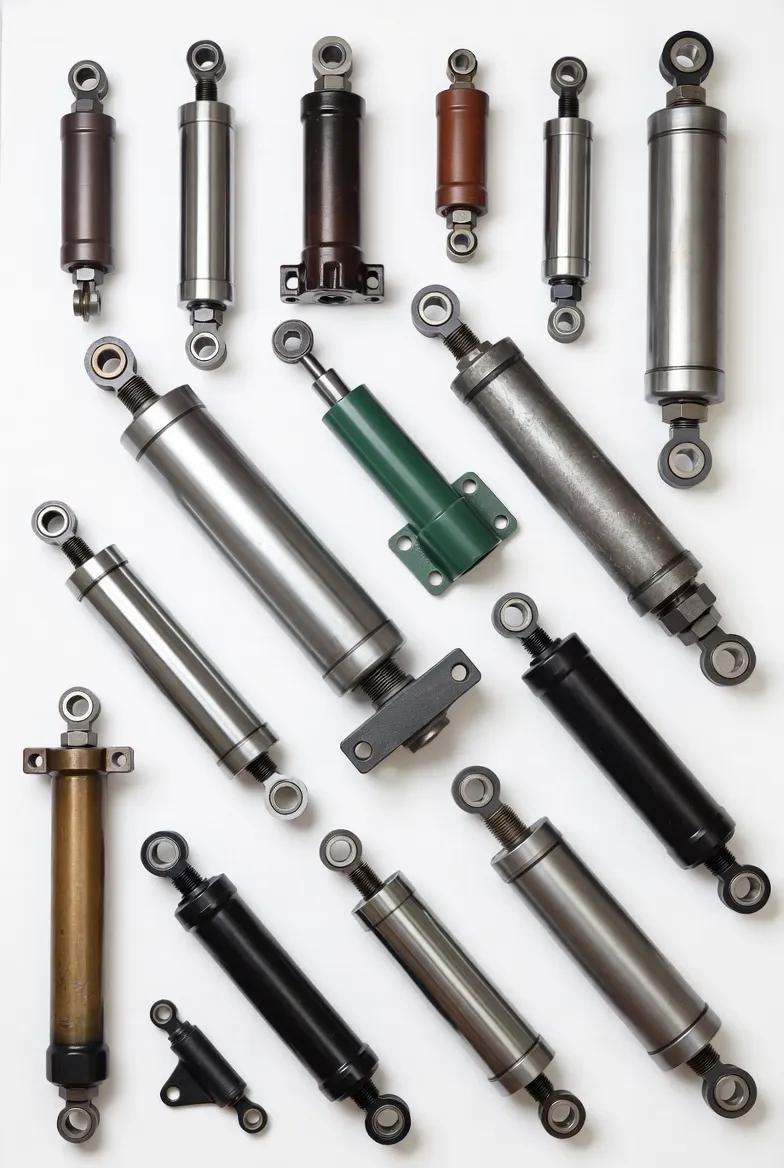
In the highly rigorous disciplines of commercial earthmoving, deep subterranean mining, automated industrial manufacturing, and massive scale agricultural operations, hydraulic cylinders serve as the undisputed engines of mechanical force. When these massive steel pressure vessels require internal seal replacement or rod repair, technicians are immediately confronted with the most formidable barrier in fluid power maintenance: the hydraulic cylinder gland nut. This heavy-duty threaded cap acts as the primary hydrostatic seal boundary, locking the high-pressure fluid and the internal piston assembly safely inside the steel barrel. For procurement professionals and maintenance engineers seeking the highest industry standards for precision-engineered components, establishing a technical baseline at our premium hydraulic cylinders platform is an essential prerequisite before executing complex field repairs.
Removing a stubborn hydraulic cylinder gland nut is rarely a straightforward physical task. These components are factory-torqued to immense specifications, often exceeding several thousand foot-pounds of rotational force. Over years of grueling field operation, the threaded interface becomes heavily compromised. Extreme thermodynamic cycling causes the steel to expand and contract, leading to severe thread galling. Environmental exposure introduces oxidative rust and corrosive chemical fusion, essentially welding the metals together. Furthermore, Original Equipment Manufacturers frequently drench these threads in high-strength anaerobic thread-locking compounds during assembly to prevent vibrational loosening in heavy equipment like Excavator Hydraulic Cylinders.
Attempting to force a seized gland open with improper tools, such as pipe wrenches, or applying primitive brute force will inevitably result in catastrophic collateral damage. This can include stripping the internal barrel threads, warping the cylinder tube, or permanently scarring the polished chrome rod. Evaluated against stringent international ISO fluid power maintenance protocols, this comprehensive technical blueprint will systematically deconstruct the exact engineering procedures required to remove a stubborn hydraulic cylinder gland. We will meticulously analyze the mandatory safety depressurization sequences, explore the physics of thermal expansion techniques, detail the precise application of kinetic shock tools, and provide the definitive troubleshooting matrix for conquering severe metallurgical fusion without destroying your heavy machinery assets.
Phase 1: Absolute Safety and Mechanical Preparation
A hydraulic cylinder is a high-capacity thermodynamic pressure vessel. Attempting to dismantle it without executing strict safety protocols is a lethal hazard. Preparation is the foundation of successful maintenance.
Hydrostatic Depressurization
Before applying any wrench to the gland nut, the machine must be completely deactivated. Lower all heavy implements to the ground to remove gravitational load. Shut down the primary pump and cycle the directional control valves repeatedly to bleed off trapped residual pressure. If you attempt to unscrew a gland nut while the cylinder contains trapped pressure, the internal fluid will violently eject the gland like a projectile, causing catastrophic injury. In heavy logistics equipment such as Forklift Hydraulic Cylinders, the mast must be securely chained and blocked before maintenance begins to prevent accidental free-fall.
Securing the Actuator
You cannot safely remove a stubborn gland nut while the cylinder is rolling around on a slick workbench. The cylinder must be extracted from the machine and clamped into a heavy-duty industrial chain vise or a specialized hydraulic tear-down bench. The clamping force must be applied to the thickest part of the steel barrel, nearest the base cap or the trunnion mounts. Never clamp the vise over the threaded area of the barrel near the gland itself, as the immense crushing force of the vise will warp the tube out of round, permanently binding the internal threads and making removal mathematically impossible.

Phase 2: Deploying the Correct Kinetic Tooling
Utilizing standard pipe wrenches, vice grips, or crude cold chisels to remove a gland nut will instantly destroy the component. Hydraulic cylinder glands require highly specialized tools designed to engage specific mechanical profiles without crushing the housing or slipping.
Adjustable Gland Nut Spanner Wrenches
The vast majority of heavy-duty glands feature either pin holes (face spanner) or external notches (hook spanner). You must utilize an industrial-grade, adjustable gland nut spanner wrench that perfectly matches the pin diameter of the gland. If the pins on the wrench are too small, they will shear off under high torque; if they are too large, they will not seat fully, causing the wrench to slip and violently strip the holes. For massive earthmoving equipment, these wrenches are often paired with a three-quarter-inch or one-inch drive breaker bar to generate the necessary rotational torque to overcome static friction.
Cheater Bars and Torque Multipliers
When a gland is factory-torqued to over a thousand foot-pounds and sealed with high-strength loctite, human muscle alone is entirely insufficient. Mechanics deploy long steel cheater bars slipped over the handle of the spanner wrench to exponentially multiply leverage. Alternatively, geared torque multipliers can be utilized to generate massive rotational force smoothly. This prevents the dangerous, sudden slipping associated with jerky, brute-force pulling. Ensuring steady, progressive torque is vital to breaking the static friction without damaging the internal barrel threads, a protocol especially critical when servicing large Dump Truck Hydraulic Cylinders.

Phase 3: Defeating High-Strength Thread Lockers
If a massive cheater bar fails to move the gland nut, the culprit is almost certainly an anaerobic thread locker (such as Red Loctite) or severe metallurgical rust fusion. Applying more mechanical force will only break your tools. You must introduce thermal expansion.
Targeted Thermal Application
High-strength thread locking compounds crystallize in the absence of air into a rock-hard plastic that physically glues the threads together. This bond can only be broken by exceeding its thermal degradation threshold, typically around 400 to 500 degrees Fahrenheit (200 to 260 degrees Celsius). Mechanics use an oxy-acetylene torch or an advanced magnetic induction heater to apply intense, highly localized heat directly to the exterior of the steel barrel, exactly over the threaded area of the gland.
Protecting the Chrome Rod
Heating the barrel expands the outer steel tube slightly away from the gland nut, breaking the rust seal and liquefying the Loctite. However, extreme caution must be exercised. Never point the torch flame directly at the polished chrome piston rod. Extreme heat will instantly warp the rod, discolor the chrome plating, and permanently destroy the structural integrity of the steel. Keep the heat moving constantly around the circumference of the barrel to prevent localized hot spots.
The Hot-Removal Execution
Once the thread locker begins to smoke and weep out of the threads, immediately apply the spanner wrench and cheater bar while the metal is still hot and expanded. The nut should break free with a loud crack. This thermal technique is an absolute necessity when servicing massive components like Agricultural Hydraulic Cylinders that have been exposed to years of corrosive fertilizers, mud, and weather elements.

Phase 4: Kinetic Shock and Alternative Gland Designs
If thermal expansion alone is insufficient, technicians must introduce sudden kinetic shock to fracture the rust bonds. Furthermore, not all cylinders utilize externally threaded glands; identifying internal wire ring designs is critical before applying force.
- ✔️
The Impact Methodology: While maintaining tension on the spanner wrench with a cheater bar, use a heavy brass hammer or a dead-blow mallet to strike the spanner handle. The sudden, high-velocity kinetic shock waves travel directly into the threads, micro-fracturing the rust and galling that steady, continuous pressure cannot break. Never strike the cylinder barrel or the gland itself directly with a hardened steel hammer, as this will dent the pressure vessel and ruin the internal sealing topography.
- ✔️
Wire Ring Retainers: Before applying massive torque, verify that you are actually dealing with a threaded nut. Many compact actuators utilize an internal wire ring retainer rather than threads. To remove these, the gland must first be gently tapped *inward* (into the barrel) to expose the lock ring groove. A specialized pick is then used to extract the steel wire ring. Attempting to unscrew a wire-ring retained gland with a massive breaker bar will destroy the internal barrel wall entirely.
- ✔️
Bolted Gland Flanges: Massive industrial equipment and highly specialized Aerial Work Vehicle Hydraulic Cylinders frequently utilize a heavy bolted flange instead of a threaded nut. These require systematic, cross-pattern loosening of high-tensile hex bolts. If the flange is rusted solid to the barrel face, penetrating fluid and gentle wedging with brass chisels are required to safely separate the mating surfaces without scarring the hydrostatic seal boundaries.


Conclusion: Restoring Absolute Hydrostatic Integrity
Removing a seized hydraulic cylinder gland nut is a high-stakes mechanical operation that demands absolute engineering discipline. Resorting to brute force without understanding the underlying metallurgical bonds will invariably result in catastrophic damage to the pressure vessel. By strictly enforcing depressurization safety protocols, utilizing perfectly matched spanner wrenches, expertly applying localized thermal expansion to neutralize thread lockers, and introducing controlled kinetic shock, technicians can conquer even the most heavily fused glands. Once removed, meticulous inspection of the internal threads and the application of premium anti-seize compounds during reassembly are mandatory to ensure future serviceability. Whether you are maintaining delicate aerospace systems or massive earthmoving equipment, precision maintenance safeguards your operational capital. If your organization requires expert diagnostic consultation, advanced seal replacement architectures, or access to the most durable, heavily engineered replacement cylinders on the global market, our elite technical team stands ready to architect your ultimate fluid power solution.