
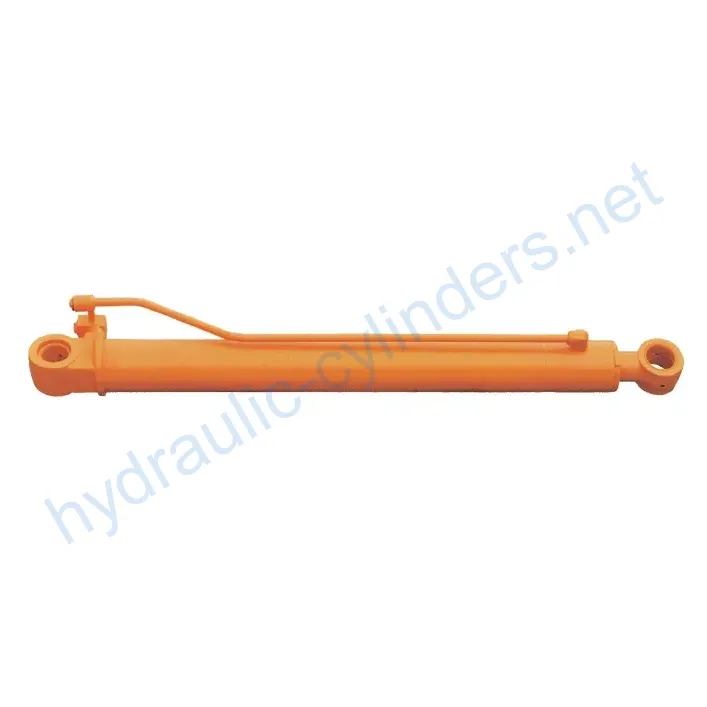
Cilindro do braço para TCK HD1225LC-8H
Como um dos fabricantes, fornecedores e exportadores de produtos mecânicos de cilindros hidráulicos, oferecemos cilindros hidráulicos e muitos outros produtos.
Entre em contato conosco para obter detalhes.
Correio eletrônico:sales@hydraulic-cylinders.net
Fabricante, fornecedor e exportador de cilindros hidráulicos.
Cilindro do braço para TCK HD1225LC-8H
The arm cylinder is a specially designed hydraulic cylinder that is used to provide linear motion and power to the arm of various types of machinery, such as excavators, cranes, and robotic arms. The arm cylinder plays a crucial role in hydraulic systems, enabling the efficient movement and control of additional tools or attachments. These cylinders not only facilitate smooth motion but also withstand heavy loads, ensuring the efficient operation and reliability of machinery in various working conditions.
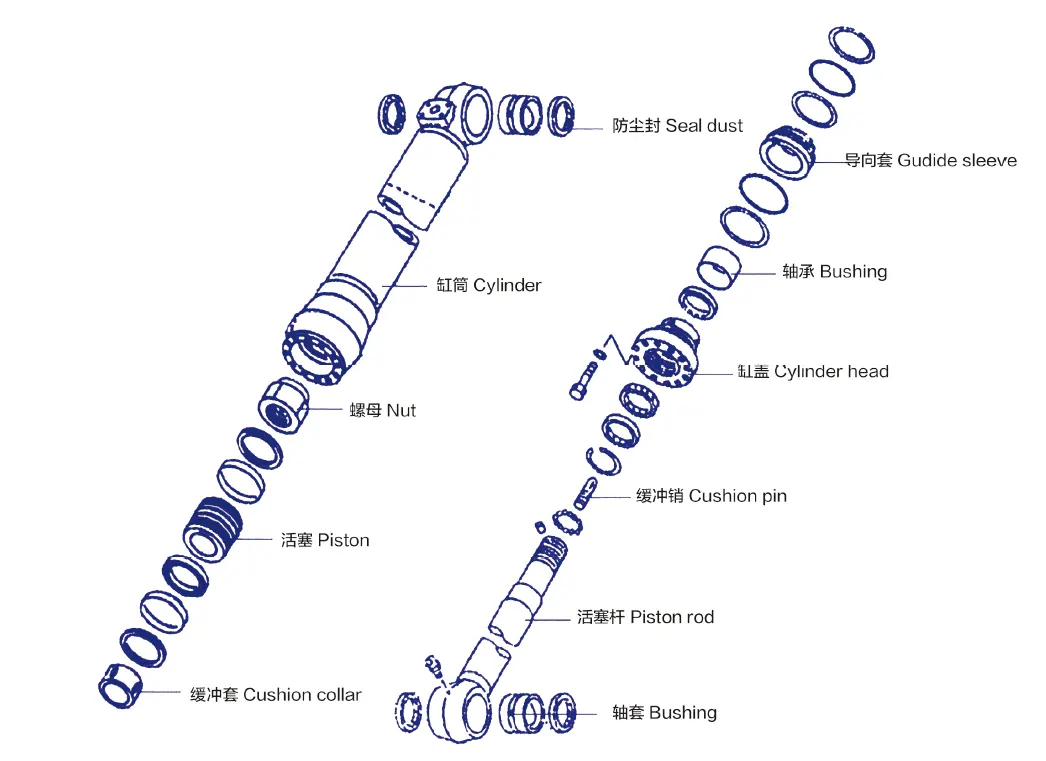
Características do Cilindro do Braço:
- High-Efficiency Transmission: The arm cylinder provides powerful linear motion and force, ensuring the high performance of the robotic arm in various operations.
- Controle preciso: por meio do sistema hidráulico, o cilindro do braço permite um controle preciso do movimento, tornando a operação das ferramentas acopladas mais flexível e precisa.
- Strong Durability: Arm cylinders are typically made from high-strength materials, offering excellent wear and corrosion resistance, suitable for long-term use in harsh environments.
- Multi-functional Adaptability: These cylinders can be widely used in various types of machinery, such as excavators, cranes, and robotic arms, adapting to different job requirements.
- Easy Maintenance: Designed with ease of maintenance and replacement in mind, the arm cylinders facilitate convenient regular inspections and upkeep, reducing equipment downtime.

Aplicações do Cilindro de Braço:
Arm cylinders find applications in various industries and scenarios, including but not limited to:
- Engenharia de Construção: Em escavadeiras e guindastes, os cilindros dos braços controlam o movimento das caçambas ou das lanças para movimentação de terra, manuseio de materiais e instalação de estruturas.
- Manufacturing: In automated production lines, arm cylinders facilitate the motion of robotic arms for assembly, welding, and material handling processes, improving production efficiency and accuracy.
- Agricultural Machinery: In agricultural equipment such as harvesters and seeders, arm cylinders control the movement of operating arms for tasks like sowing, fertilizing, and harvesting.
- Mineração: Em equipamentos de mineração, os cilindros dos braços controlam o movimento dos braços das máquinas de mineração para extração e transporte de minério.
- Logística e Transporte: Em empilhadeiras e robôs de movimentação, os cilindros dos braços controlam o levantamento e o movimento dos garfos, permitindo o manuseio e o empilhamento de materiais.
Considerações de design e critérios de seleção:
When it comes to the design of arm cylinders, several key factors and selection criteria are essential:
- Bearing Capacity: The arm cylinder must be designed to handle the required loads and forces without failure.
- Sealing Capability: Various sealing components, such as piston seals and rod seals, are used to ensure effective sealing. These seals are made from wear-resistant materials like polyurethane and nitrile rubber.
- Durability: Arm cylinders are subjected to harsh operating conditions, so they need to be constructed from materials that offer high durability and resistance to wear and corrosion.
- Safety: Safety features should be incorporated into the design to prevent accidents and ensure the protection of operators and nearby personnel.
- Maintainability: Arm cylinders should be designed for ease of maintenance and repair, allowing for convenient inspection, replacement, and lubrication.

Sealing and lubrication are crucial for the proper functioning of arm cylinders. Various sealing components, such as piston seals and rod seals, are used to maintain the integrity of the hydraulic system. These seals are made from durable and wear-resistant materials like polyurethane and nitrile rubber. Additionally, the cylinder body and threaded end surfaces are finely treated to enhance wear resistance. Regular replenishment of the hydraulic oil is necessary to ensure proper lubrication.
Inspeção regular e manutenção preventiva:
To ensure the optimal performance and longevity of arm cylinders, regular inspection and preventive maintenance are recommended. The following measures should be taken:
- Inspecione o cilindro para verificar se há sinais de vazamento, danos ou desgaste.
- Clean the cylinder regularly to remove dirt and debris.
- Check and replenish the hydraulic oil level as required.
- Verify the proper functioning of seals and replace any damaged or worn-out seals.
- Aperte as conexões e fixadores soltos.
Product Installation Guidelines:
Proper installation of arm cylinders is crucial for their optimal performance. Follow these guidelines:
- Certifique-se de que a superfície de montagem esteja limpa e livre de quaisquer detritos.
- Align the cylinder and the mounting holes accurately.
- Securely fasten the cylinder to the mounting surface using appropriate bolts.
- Connect the hydraulic hoses and fittings properly.
- Test the cylinder for any leaks or abnormal behavior before full operation.

Considerações de segurança e fatores ambientais:
When working with arm cylinders, safety measures are of utmost importance. Ensuring the following safety precautions will help prevent accidents and ensure a secure working environment:
- Follow all manufacturer’s instructions and guidelines for the safe operation and maintenance of the arm cylinder.
- Use appropriate personal protective equipment (PPE) when working with hydraulic systems.
- Regularly inspect the cylinder for any signs of damage or wear that could compromise safety.
- Adhere to proper lockout/tagout procedures when performing maintenance or repair on the cylinder.
When addressing faults or common issues with arm cylinders, it is essential to diagnose the problem accurately and provide appropriate solutions. The following are some common faults and their troubleshooting tips:
– Fault: Leakage from the cylinder
Solution: Inspect and replace damaged seals or O-rings.
– Fault: Insufficient power or slow movement
Solution: Check the hydraulic fluid level and pressure, ensure proper lubrication, and inspect for any blockages or restrictions in the hydraulic system.
– Fault: Excessive noise during operation
Solution: Inspect for loose or damaged components, such as bolts or mounting brackets, and tighten or replace them as necessary.
– Fault: Cylinder drifting or not holding position
Solution: Check for worn-out seals and replace them. Also, inspect the control valves and check for any malfunctions.

Preventive measures can greatly reduce the occurrence of potential issues with arm cylinders. Some preventive measures include:
- Regularly inspect and maintain the hydraulic system.
- Replace seals and other wearing components at recommended intervals.
- Train operators in proper usage and maintenance procedures.
- Implement a preventive maintenance schedule to address potential issues before they become major problems.
As a leading manufacturer of replacement hydraulic cylinders, we offer a wide range of products that can perfectly substitute for these hydraulic cylinders. We take pride in our excellent quality and adhere to the principles of efficient, precise, and high-quality production. With our advanced digital manufacturing equipment and professional testing systems, we continuously improve our manufacturing platform and enhance product quality control processes. Our aim is to meet the diverse needs of customers with efficiency, accuracy, and high-quality products.
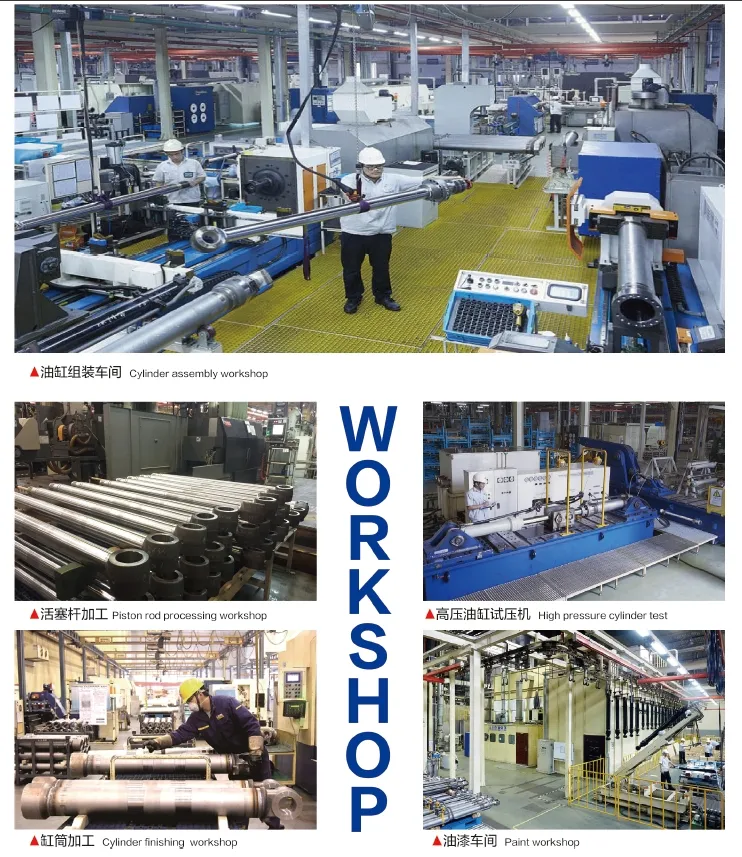
Cilindro hidráulico Aplicação:

 PT
PT  EN
EN  ES
ES  DE
DE  FR
FR  IT
IT  AR
AR  ZH
ZH  RU
RU  KO
KO  KA
KA  BG
BG  CS
CS  DA
DA  EL
EL  ET
ET  FI
FI  HU
HU  ID
ID  LT
LT  LV
LV  NB
NB  NL
NL  PL
PL  RO
RO  SK
SK  SL
SL  SV
SV  TR
TR  UK
UK