
Advanced Fluid Power Engineering
Marine and Offshore Hydraulic Cylinder Corrosion Protection: More Than Just Special Paint
An authoritative engineering blueprint detailing galvanic isolation, advanced metallurgical substrates, high velocity oxygen fuel rod coatings, and the definitive methodologies to conquer harsh saltwater degradation.

Conquering the Ultimate Environmental Adversary
In the expansive and unforgiving realms of offshore drilling, deep subsea exploration, marine logistics, and coastal infrastructure development, mechanical equipment is subjected to a relentless onslaught from the natural world. The combination of highly concentrated saline moisture, extreme ultraviolet radiation, and continuous wave impact creates an atmosphere where standard industrial steel rapidly disintegrates. At the very core of these massive offshore operations are hydraulic cylinders. These fluid power actuators are trusted to operate draw works, manipulate heavy lift cranes, and stabilize floating platforms. However, relying on standard terrestrial cylinder designs in a marine environment is a recipe for catastrophic structural failure. A pervasive and dangerous misconception among amateur designers is that applying a thick layer of marine paint is sufficient to transform a standard actuator into an offshore capable component. To understand the true depth of advanced corrosion engineering, visiting our premium hydraulic cylinders platform is a mandatory first step for procurement professionals.
Marine and Offshore Hydraulic Cylinder Corrosion Protection is a highly specialized, multi disciplinary science. When seawater attacks exposed steel, it initiates a devastating electrochemical process. Chloride ions aggressively break down passivity layers, leading to rapid pitting. If the highly polished piston rod suffers even microscopic pitting, those jagged pits will act as razor blades against the internal polyurethane seals every time the rod retracts. Within a remarkably short operational window, the seals will shred, resulting in massive hydrostatic fluid hemorrhage, total loss of lifting power, and unacceptable environmental contamination in sensitive marine ecosystems.
Evaluated against stringent international offshore engineering standards, true marine grade cylinder design requires a holistic architectural overhaul from the atomic level upwards. This comprehensive technical masterclass will meticulously deconstruct the physics of saltwater degradation. We will explore the critical deployment of duplex stainless steel substrates, the revolutionary advantages of thermal sprayed rod coatings, the integration of sacrificial cathodic protection systems, and the advanced excluder sealing technologies required to guarantee decades of flawless performance in the harshest environments on earth.
The Chemistry of Destruction: Understanding Marine Corrosion
Before we can architect a defense mechanism, we must intimately understand the enemy. The ocean attacks industrial machinery through multiple simultaneous electrochemical vectors.
Galvanic Corrosion
Whenever two dissimilar metals are in physical contact while submerged in an electrolyte like seawater, a microscopic battery is formed. The less noble metal becomes the anode and begins to rapidly dissolve, while the more noble metal becomes the cathode and remains protected. If a marine cylinder utilizes brass trunnion bearings mounted directly to a carbon steel barrel, the steel will sacrifice itself to the brass, causing the mounting brackets to rot away. Engineers must utilize dielectric isolation materials to break this electrical circuit, especially in heavy duty Excavator Hydraulic Cylinders adapted for dredging operations.
Chloride Ion Pitting
Saltwater is incredibly rich in chloride ions. These aggressive ions possess the unique ability to penetrate the microscopic protective oxide layers that naturally form on standard stainless steel. Once the layer is breached, a highly localized, deep hole forms in the metal. This pitting is particularly lethal to the polished chrome piston rod. Once pitted, the smooth tribological surface is ruined. Pitting acts as a stress riser, drastically reducing the structural fatigue limit of the rod and leading to premature failure under massive load conditions.

Advanced Metallurgical Substrates: Beyond Carbon Steel
The foundation of marine cylinder design lies in selecting base alloys that possess inherent resistance to oxidation while maintaining the immense tensile strength required to handle extreme hydrostatic pressures.
Duplex and Super Duplex Stainless Steel
While type 316 marine grade stainless steel is excellent for light duty applications, it lacks the raw mechanical yield strength necessary for heavy lifting. Modern offshore actuators utilize Duplex and Super Duplex stainless steels. These exotic alloys feature a mixed austenitic ferritic microstructure, granting them unparalleled immunity to stress corrosion cracking while providing more than double the mechanical yield strength of standard austenitic grades. These materials allow engineers to design lighter, thinner walled cylinders that can easily survive full submersion in deep sea environments without degrading.
Precipitation Hardening Alloys (17-4PH)
For the piston rod specifically, where extreme bending moments and column buckling forces are present, materials like 17-4PH stainless steel are frequently specified. This chromium copper precipitation hardening steel offers outstanding high strength and hardness properties combined with excellent corrosion resistance. This ensures the rod can survive the brutal kinetic shock loads experienced by Agricultural Hydraulic Cylinders working in highly caustic fertilizer environments or portside logistics equipment handling heavy shipping containers.

Beyond Hard Chrome: The Thermal Spray Revolution
Historically, fluid power rods were protected with galvanic hard chrome plating. In marine environments, hard chrome is fundamentally flawed. It features microscopic micro-cracks that allow saltwater to seep down and rust the steel substrate from within. The modern solution lies in advanced thermal spray technologies.
HVOF (High Velocity Oxygen Fuel) Coatings
HVOF is the absolute pinnacle of rod surface protection. In this process, oxygen and fuel gas are ignited in a combustion chamber, creating a supersonic jet flame. Powdered alloys—typically Tungsten Carbide or Chromium Carbide integrated with a Nickel Chrome binder—are injected into this flame. The particles melt and are blasted onto the piston rod at supersonic speeds. This creates an incredibly dense, non porous coating that is metallurgically bonded to the steel. The resulting surface is harder than traditional chrome and completely impenetrable to chloride ions.
Laser Cladding Technology
For the most brutal subsea applications, engineers employ laser cladding. A high powered laser beam creates a localized melt pool on the surface of the rod, into which specialized corrosion resistant alloy powders are injected. This forms a true metallurgical weld overlay with zero porosity and minimal heat affected zones in the underlying substrate. Laser clad rods offer unparalleled resistance to both chemical attack and extreme kinetic rock strikes, making them indispensable for massive Dump Truck Hydraulic Cylinders modified for harsh coastal mining environments.
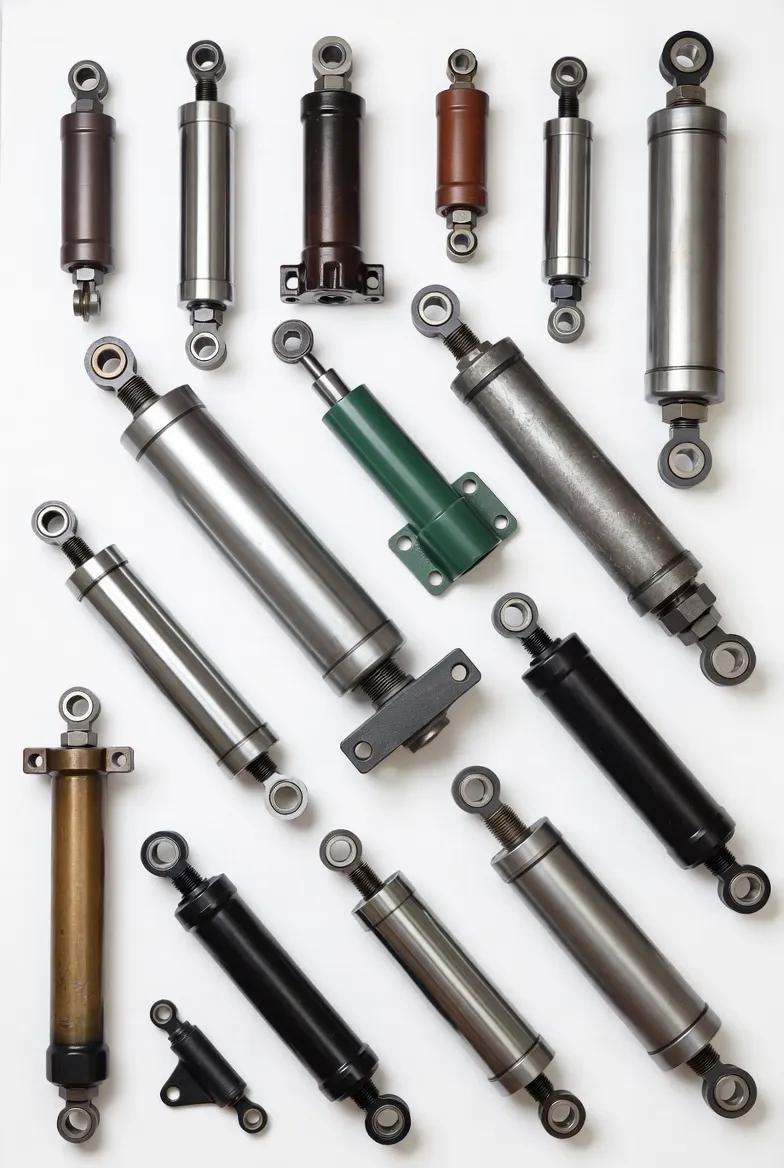
The Absolute Seal: Preventing Water Ingression
A marine cylinder must be a perfectly closed thermodynamic system. If seawater breaches the internal chamber, it will instantly emulsify the synthetic hydraulic oil, destroying its lubricity and causing devastating internal rusting of the barrel.
- ✔️
Double Lip Excluder Wiper Seals: The outermost seal on the head gland must be exceptionally aggressive. Marine cylinders utilize heavy duty double lip wiper seals made from reinforced polyurethane or fluorocarbon. These seals act as powerful mechanical scrapers, violently shearing crystallized sea salt, barnacles, and marine growth off the rod before it retracts into the cylinder. If this organic matter is allowed past the gland, it will rapidly tear the primary pressure seals to shreds.
- ✔️
Subsea Pressure Compensation: When a cylinder operates thousands of feet below the ocean surface, the external hydrostatic pressure is astronomical. Standard seals are designed to keep high pressure inside, not to resist crushing pressure from the outside. Subsea cylinders utilize specialized pressure compensation systems and bidirectional sealing architectures to ensure that the crushing weight of the deep ocean does not force saltwater past the rod seals and into the clean fluid reservoir. This technology is critical for advanced underwater robotics and submerged Forklift Hydraulic Cylinders adapted for specialized aquatic logistics.

Cathodic Protection and Multi-Layer Epoxy Systems
The external barrel of the cylinder must also be armored. While stainless steel is excellent, large custom cylinders often require carbon steel for economic feasibility in massive sizes. To protect these structures, engineers deploy cathodic protection. Sacrificial zinc or aluminum anodes are bolted directly to the cylinder chassis. Because these metals are less noble than steel, the corrosive seawater attacks and dissolves the anodes exclusively, leaving the critical steel pressure vessel completely untouched. This is a vital fail safe mechanism.
Furthermore, the exterior is coated using rigorous offshore painting standards, such as NORSOK M-501. This is not standard spray paint. It involves aggressive abrasive blast cleaning of the steel profile, followed by the application of zinc rich epoxy primers, micaceous iron oxide intermediate coats, and highly durable aliphatic polyurethane topcoats. This multi layer chemical armor provides absolute barrier protection against ultraviolet degradation and salt spray, ensuring the structural integrity of machines like Aerial Work Vehicle Hydraulic Cylinders operating on coastal high rise projects.

Conclusion: Architecting Indestructible Marine Power
Protecting a hydraulic cylinder from the wrath of the ocean requires a profound mastery of metallurgy, chemistry, and fluid dynamics. Standard industrial actuators simply do not possess the structural DNA to survive galvanic corrosion, chloride pitting, and severe organic marine fouling. By integrating high yield duplex stainless steel alloys, deploying impenetrable HVOF thermal sprayed rod coatings, engineering redundant subsea sealing architectures, and enforcing rigorous cathodic protection protocols, offshore engineers can guarantee that their fluid power systems deliver relentless, flawless kinetic force in the harshest environments on the planet. Never compromise on marine specifications. If your heavy logistics operations, subsea robotics, or coastal infrastructure projects require bespoke, marine grade fluid power components engineered to the absolute highest international standards, our elite technical team stands ready to architect your ultimate mechanical advantage.