
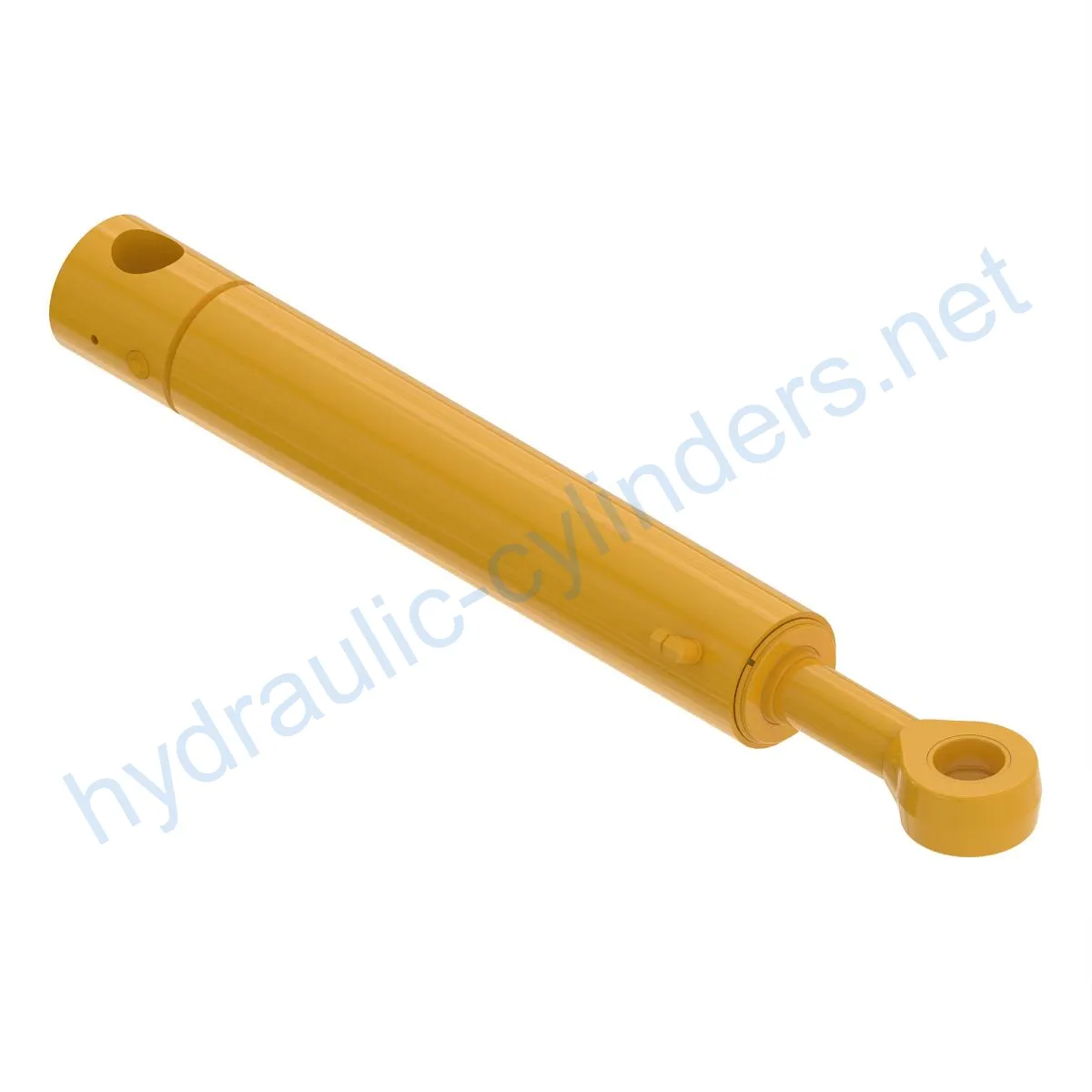
Replacement Of AHC14420 Stabilizer Hydraulic Cylinder
Als einer der Hersteller, Lieferanten und Exporteure von mechanischen Produkten, bieten wir Hydraulikzylinder und viele andere Produkte an.
Bitte setzen Sie sich mit uns in Verbindung, um Einzelheiten zu erfahren.
Post:sales@hydraulic-cylinders.net
Hersteller, Lieferant und Exporteur von Hydraulikzylindern.
Replacement Of AHC14420 Stabilizer Hydraulic Cylinder
The Replacement Of AHC14420 Stabilizer Hydraulic Cylinder is a vital component used in various hydraulic systems. It serves the purpose of stabilizing and providing support to heavy equipment during operation. With its robust construction and reliable performance, this hydraulic cylinder ensures the smooth functioning of machinery in different applications.
Technische Daten
- Weight: 145 lb
- Height: 5.7 in
- Breite: 6,3 Zoll
- Length: 45.8 in
Modell
This hydraulic cylinder is designed to fit the 710 P 710L model, ensuring compatibility and optimal performance.
Merkmale
- Verbesserte Geräteperformance: Durch den Austausch beschädigter oder verschlissener Hydraulikzylinder können die normalen Betriebsfähigkeiten der Geräte wiederhergestellt und eine optimale Leistung in verschiedenen Anwendungsbereichen gewährleistet werden.
- Erhöhte Sicherheit: Durch den regelmäßigen Austausch von Hydraulikzylindern werden die mit Zylinderausfällen verbundenen Sicherheitsrisiken verringert und somit die Sicherheit von Bedienern und Anlagen gewährleistet.
- Überlastschutz: Neue Zylinderkonstruktionen verfügen häufig über bessere Überlastschutzmechanismen, die die Sicherheit während des Betriebs erhöhen.
- Schnelle Installation: Moderne Hydraulikzylinder sind für eine einfache Installation und einen einfachen Austausch konzipiert, wodurch Ausfallzeiten minimiert werden.
- Standardisierte Komponenten: Viele Hydraulikzylinder sind standardisierte Produkte, sodass Ersatzteile auf dem Markt leicht erhältlich sind.
We specialize in manufacturing replacement hydraulic cylinders that perfectly substitute these hydraulic cylinders. Our products offer reliable performance and are designed to meet the highest standards in the industry.
Anwendungen
Hier sind drei Beispiele für die Verwendung dieses Hydraulikzylinders:
- Excavator: The hydraulic cylinder on the excavator’s arm or bucket may get damaged due to prolonged use or overload, requiring replacement to restore normal operation.
- Crane: The hydraulic cylinder in a crane’s lifting arm is susceptible to wear during frequent lifting and lowering processes, necessitating regular replacement to ensure safety.
- Tractor: The hydraulic cylinder in a tractor’s front-end loader may experience leaks or decreased performance due to continuous lifting and tilting operations, requiring replacement.
These are just a few examples, and this hydraulic cylinder finds applications in various other industries such as harvesting, automated production lines, mining equipment, bulldozers, and more.
Wartung
Regular maintenance tasks for this hydraulic cylinder include:
- Periodic Inspection: Regularly inspect the cylinder for signs of wear, leaks, or any other issues.
- Proper Lubrication: Ensure adequate lubrication of the cylinder with the recommended hydraulic oil to prevent friction and extend its lifespan.
- Seal Replacement and Calibration Check: Replace seals as needed and periodically check the cylinder’s calibration to maintain optimal performance.
Proper installation, lubrication, and adjustment are crucial for the longevity and performance of the hydraulic cylinder. During installation, provide precise alignment guidance for aligning the cylinder correctly. It is also recommended to use suitable installation brackets to secure the cylinder properly. We offer recommended inspection, repair, and replacement procedures, as well as replacement parts and rebuilding services to enhance the lifespan of your hydraulic cylinder.
Sicherheitsaspekte und Umweltfaktoren
When using hydraulic cylinders, it is essential to prioritize safety measures. Proper handling, maintenance, and adherence to safety protocols are crucial to prevent accidents and ensure a safe working environment. Additionally, considering environmental factors such as leak prevention and proper disposal of hydraulic fluids is essential to reduce environmental impact.
Fehlerbehebung und häufige Probleme
Here are some common troubleshooting tips and solutions for potential problems with hydraulic cylinders:
- Problem: Leakage from the cylinder.
Solution: Check the seals and replace if necessary. Ensure proper lubrication and tightening of connections. - Problem: Cylinder not extending or retracting smoothly.
Solution: Inspect the hydraulic fluid level and quality. Check for any obstructions in the system. Consider cleaning or replacing the hydraulic filters. - Problem: Excessive noise or vibrations during operation.
Solution: Inspect for loose connections or worn-out components. Consider replacing damaged parts. Check the overall system for balance and alignment.
By following these troubleshooting tips and solutions, readers can effectively diagnose and resolve hydraulic cylinder issues. It is advisable to take preventive measures to minimize potential problems, such as regular maintenance, proper lubrication, and inspection.

Designüberlegungen und Auswahlkriterien
When choosing a hydraulic cylinder, several design considerations are essential:
- Load-Bearing Capacity: Ensure the selected cylinder can handle the required load without compromising performance.
- Sealing and Durability: Opt for cylinders with high-quality seals and durable construction materials to withstand harsh operating conditions.
- Safety: Consider cylinders with built-in safety features like overload protection mechanisms to enhance operator safety.
- Maintainability: Choose cylinders that are easy to maintain and repair, allowing for quick and cost-effective servicing.
Additionally, sealing and lubrication play vital roles in the performance and longevity of hydraulic cylinders. Utilizing various seals such as piston seals and rod seals made from wear-resistant materials like polyurethane or nitrile rubber ensures efficient sealing. Furthermore, fine surface treatment of cylinder bodies and threaded ends improves wear resistance. Regular lubrication with appropriate hydraulic oil is necessary to keep the cylinder running smoothly.
Regelmäßige Inspektion und vorbeugende Wartung
Periodic inspection and preventive maintenance tasks for hydraulic cylinders include:
- Regular Inspection: Inspect the cylinder for any signs of wear, leaks, or abnormal behavior.
- Proper Lubrication: Apply a suitable amount of hydraulic oil regularly for optimal performance.
- Seal Replacement: Replace seals as recommended by the manufacturer to maintain efficient operation.
- Calibration Check: Periodically check the cylinder’s calibration to ensure it functions within the specified parameters.
Proper installation, lubrication, and adjustment are vital for the longevity and reliable operation of hydraulic cylinders. Providing accurate installation guidance and recommending the use of appropriate installation brackets to secure the cylinder can significantly enhance its performance. We offer recommended inspection, repair, and replacement procedures, along with tips to extend the lifespan of your hydraulic cylinder.
Installationsanleitung
Follow these steps to install the hydraulic cylinder correctly:
- Bereiten Sie den Installationsbereich vor und stellen Sie sicher, dass er sauber und frei von Verunreinigungen ist.
- Position the cylinder in alignment with the mounting points and ensure it is level.
- Use appropriate tools to secure the cylinder and tighten the fasteners according to the manufacturer’s specifications.
- Check for any leaks or abnormal behavior after installation and rectify as needed.

Hydraulischer Zylinder Anwendung:

 DE
DE  EN
EN  PT
PT  ES
ES  FR
FR  IT
IT  AR
AR  ZH
ZH  RU
RU  KO
KO  KA
KA  BG
BG  CS
CS  DA
DA  EL
EL  ET
ET  FI
FI  HU
HU  ID
ID  LT
LT  LV
LV  NB
NB  NL
NL  PL
PL  RO
RO  SK
SK  SL
SL  SV
SV  TR
TR  UK
UK