
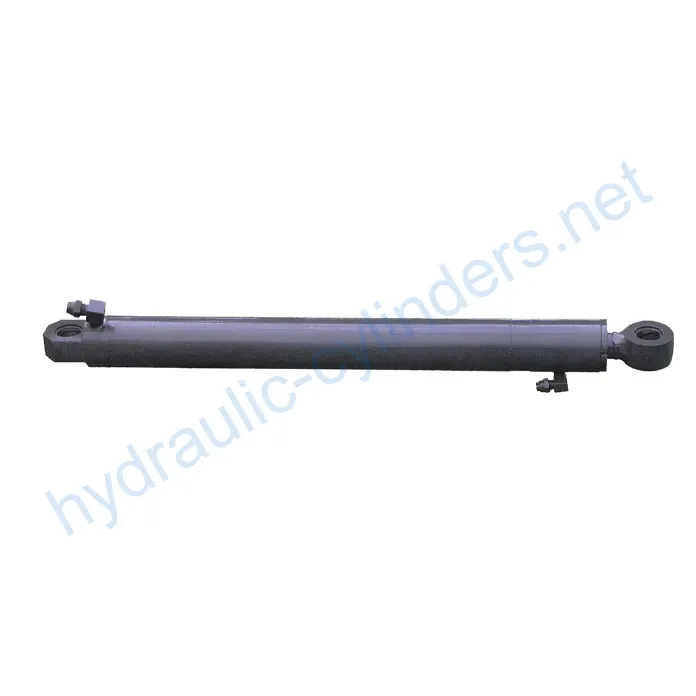
Cilindro del braccio per Aotai AT180E-9
In qualità di uno dei produttori, fornitori ed esportatori di prodotti meccanici, offriamo cilindri idraulici e molti altri prodotti.
Per maggiori dettagli, contattateci.
Posta:sales@hydraulic-cylinders.net
Produttore fornitore esportatore di cilindri idraulici.
Cilindro del braccio per Aotai AT180E-9
The Arm Cylinder for Aotai AT180E-9 is a specially designed hydraulic cylinder that provides linear motion and power to the arm of various machinery, such as excavators, cranes, and robotic arms. The arm cylinder plays a crucial role in hydraulic systems, enabling the effective movement and control of additional tools or attachments. These cylinders not only achieve smooth motion but also withstand heavy loads, ensuring efficient operation and reliability of the machinery in various working conditions.
Caratteristiche
- Trasmissione ad alta efficienza: Il cilindro del braccio fornisce un potente movimento lineare e una forza tale da garantire elevate prestazioni durante le varie operazioni.
- Controllo di precisione: Grazie al sistema idraulico, il cilindro del braccio consente un controllo preciso del movimento, migliorando la flessibilità e la precisione delle operazioni dell'utensile.
- Durata: I cilindri dei bracci sono solitamente realizzati con materiali ad alta resistenza, che offrono un'eccellente resistenza all'usura e alla corrosione, rendendoli adatti all'uso a lungo termine in ambienti difficili.
- Adattabilità multifunzionale: These cylinders find wide application in various machinery, including excavators, cranes, and robotic arms, catering to different work requirements.
- Facile manutenzione: The design considerations for easy maintenance and replacement make regular inspections and upkeep convenient, minimizing equipment downtime.

Applicazioni
The arm cylinder finds application in the following industries:
1. Ingegneria delle costruzioni
Negli escavatori e nelle gru, il cilindro del braccio controlla il movimento delle benne o dei bracci per il movimento terra, la movimentazione dei materiali e l'installazione strutturale.
2. Produzione
Nelle linee di produzione automatizzate, il cilindro del braccio facilita il movimento dei bracci robotici per i processi di assemblaggio, saldatura e movimentazione dei materiali, migliorando l'efficienza e la precisione della produzione.
3. Macchine agricole
Nelle macchine agricole come mietitrici e seminatrici, il cilindro del braccio controlla il movimento dei bracci operativi per attività quali la semina, la fertilizzazione e la raccolta.
4. Estrazione mineraria
Nelle attrezzature minerarie, il cilindro del braccio controlla i movimenti del braccio dei macchinari minerari per l'estrazione e il trasporto del minerale.
5. Logistica e trasporti
Nei carrelli elevatori e nei robot di movimentazione, il cilindro del braccio controlla il sollevamento e il movimento delle forche, consentendo la movimentazione e l'impilamento dei materiali.

Considerazioni progettuali e criteri di selezione
When it comes to design considerations, the arm cylinder’s load-carrying capacity, sealing, durability, safety, and maintainability play a crucial role:
1. Load-Carrying Capacity
The arm cylinder should be designed to handle the specific loads it will encounter during operation, ensuring optimal performance and safety.
2. Sigillatura
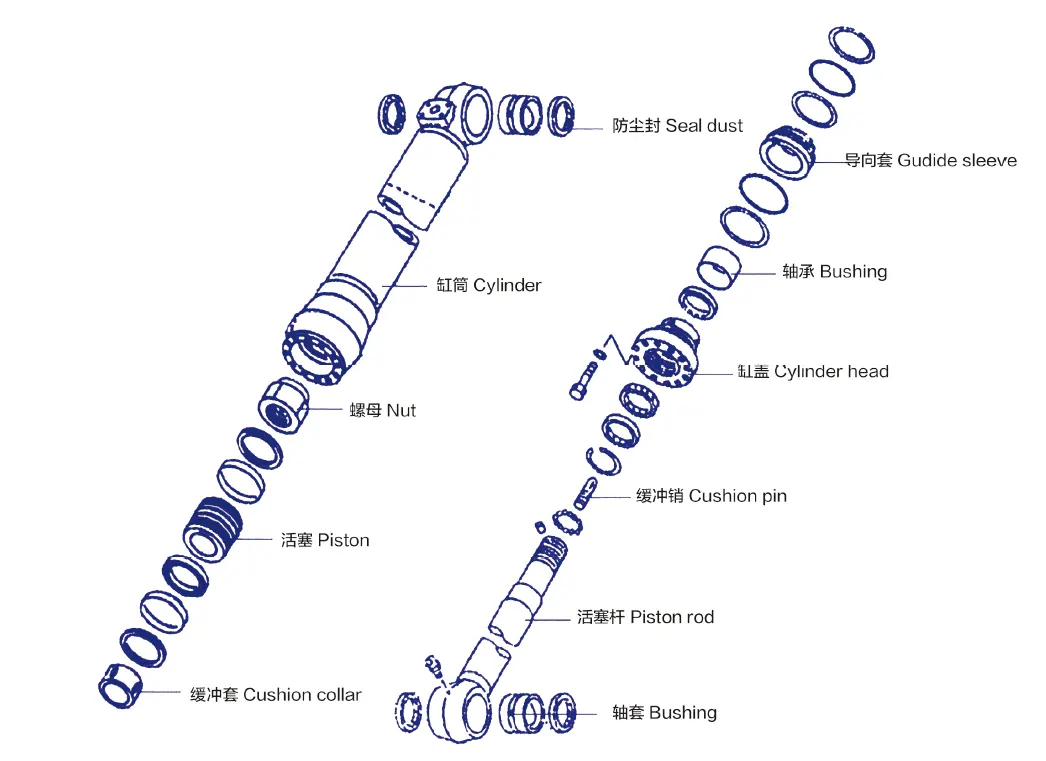
Various sealing components, such as piston seals and rod seals, made from wear-resistant materials like polyurethane and nitrile rubber, ensure effective sealing. The cylinder body and threaded ends undergo meticulous surface treatment to enhance wear resistance.
3. Durata
The arm cylinder is manufactured using high-strength materials to withstand the demanding conditions of its applications, ensuring long-lasting performance and reliability.
4. Sicurezza
Considerations for safety features and precautions, such as pressure relief valves and emergency stop systems, are essential to protect both the machinery and operators.
5. Manutenibilità
The design should facilitate easy maintenance and replacement, ensuring convenient periodic inspections and reducing equipment downtime.

Sigillatura e lubrificazione
The arm cylinder utilizes various sealing components to ensure effective operation. These include piston seals, rod seals, and other seals made from wear-resistant materials like polyurethane and nitrile rubber. The cylinder body and threaded ends undergo precise surface treatment to enhance wear resistance. Regular lubrication with appropriate hydraulic oil is necessary to ensure proper performance and longevity of the cylinder.
Ispezione regolare e manutenzione preventiva
To maintain optimal performance, regular inspections and preventive maintenance measures are essential:
- Ispezionare il cilindro per verificare la presenza di eventuali perdite, danni o usura.
- Check and replace seals as necessary.
- Verify the correct fluid levels and top up with hydraulic oil if needed.
- Ensure all connections and fittings are secure.
- Clean the cylinder and surrounding areas to prevent debris accumulation.
Guida all'installazione del prodotto
Per una corretta installazione del cilindro del braccio, seguire questi passaggi:
- Preparare l'area di installazione, assicurandosi che sia pulita e priva di detriti.
- Position the cylinder correctly, aligning it with the mounting points.
- Tighten the mounting bolts securely to the specified torque.
- Connect the hydraulic hoses or pipes to the appropriate ports.
- Check for any leaks and ensure all connections are tight.

Considerazioni sulla sicurezza e fattori ambientali
When handling the arm cylinder, it is crucial to prioritize safety measures. These include:
- Following proper operating procedures and safety guidelines.
- Using appropriate personal protective equipment (PPE) when necessary.
- Ensuring the machinery is properly maintained and inspected for safety features.
- Adhering to environmental regulations and disposing of any waste materials responsibly.
Risoluzione dei problemi e problemi comuni
Here are some common troubleshooting tips and solutions for arm cylinder-related problems:
- If there is a hydraulic fluid leak, inspect and replace damaged seals or tighten connections.
- If there is uneven or jerky movement, check for clogged or restricted hydraulic lines, and clean or replace them if necessary.
- If the arm cylinder fails to perform as expected, verify the hydraulic system’s pressure and flow rate, adjusting them if needed.
Implementing preventive measures can minimize potential issues:
- Regularly inspect and maintain the arm cylinder and hydraulic system.
- Follow proper operating procedures and avoid overloading the cylinder.
- Ensure the hydraulic fluid is clean and at the correct level.
- Keep the cylinder and surrounding area clean to prevent debris from causing damage.
Remember to organize the article logically, use subheadings for easy navigation, incorporate relevant images or charts for better understanding, and ensure clear, concise content suitable for readers with varying levels of technical knowledge.
Chi siamo
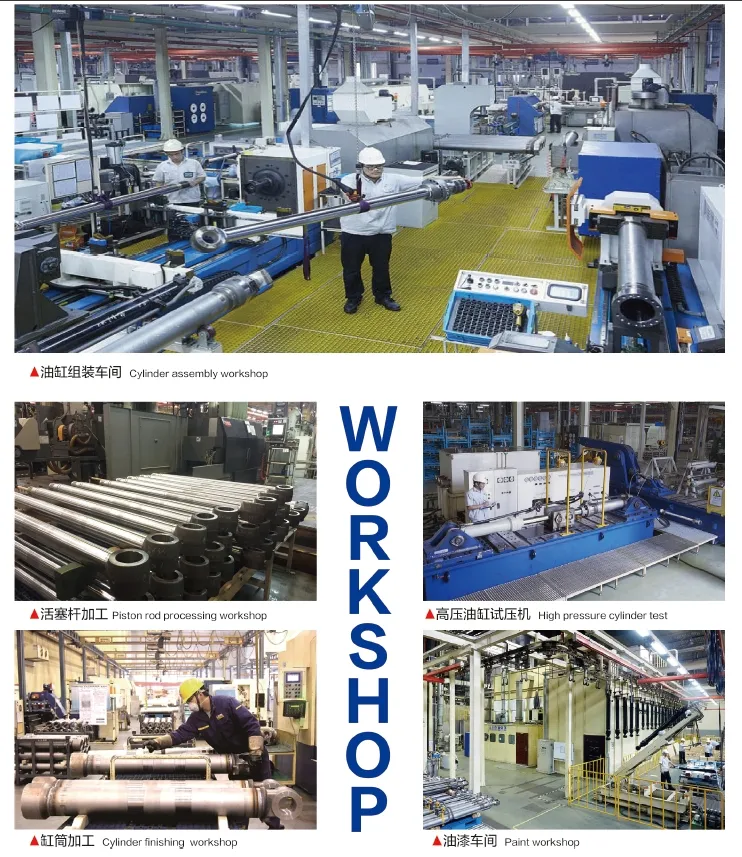
We are a professional manufacturer of replacement hydraulic cylinders, offering a wide range of products. We have become one of the leading manufacturers and wholesale distributors of hydraulic cylinders in both domestic and international markets. Upholding the principles of excellence, we continuously improve our technical capabilities and production efficiency through fine-tuned manufacturing workshops and industrial production management strategies. By introducing advanced digital manufacturing equipment and professional testing systems, we optimize our manufacturing platform and refine our product quality control processes, demonstrating strong innovation capabilities. Our goal is to meet diverse customer requirements with high efficiency, precision, and quality.
Cilindro idraulico Applicazione:

 IT
IT  EN
EN  PT
PT  ES
ES  DE
DE  FR
FR  AR
AR  ZH
ZH  RU
RU  KO
KO  KA
KA  BG
BG  CS
CS  DA
DA  EL
EL  ET
ET  FI
FI  HU
HU  ID
ID  LT
LT  LV
LV  NB
NB  NL
NL  PL
PL  RO
RO  SK
SK  SL
SL  SV
SV  TR
TR  UK
UK