
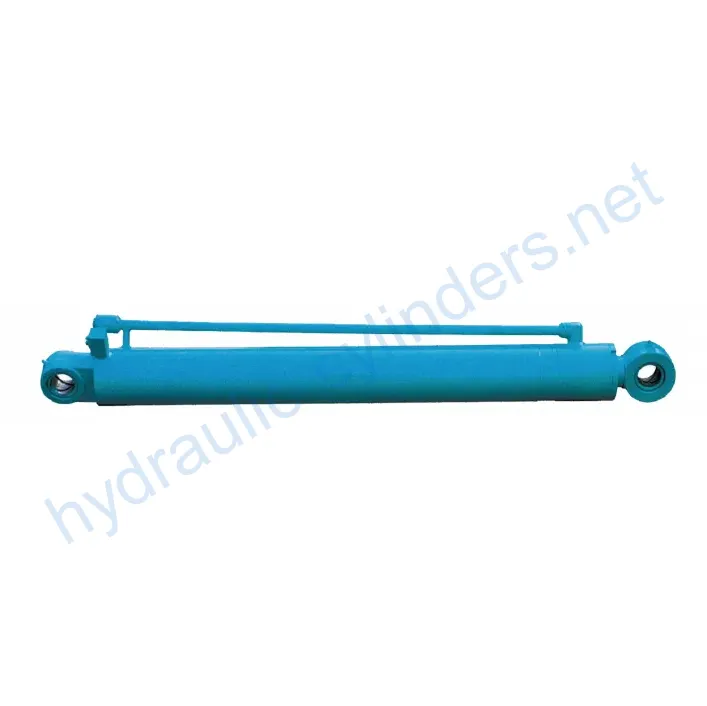
Arm Cylinder For XGMA Small Excavator XG808
In qualità di uno dei produttori, fornitori ed esportatori di prodotti meccanici, offriamo cilindri idraulici e molti altri prodotti.
Per maggiori dettagli, contattateci.
Posta:sales@hydraulic-cylinders.net
Produttore fornitore esportatore di cilindri idraulici.
Arm Cylinder For XGMA Small Excavator XG808
Introduzione
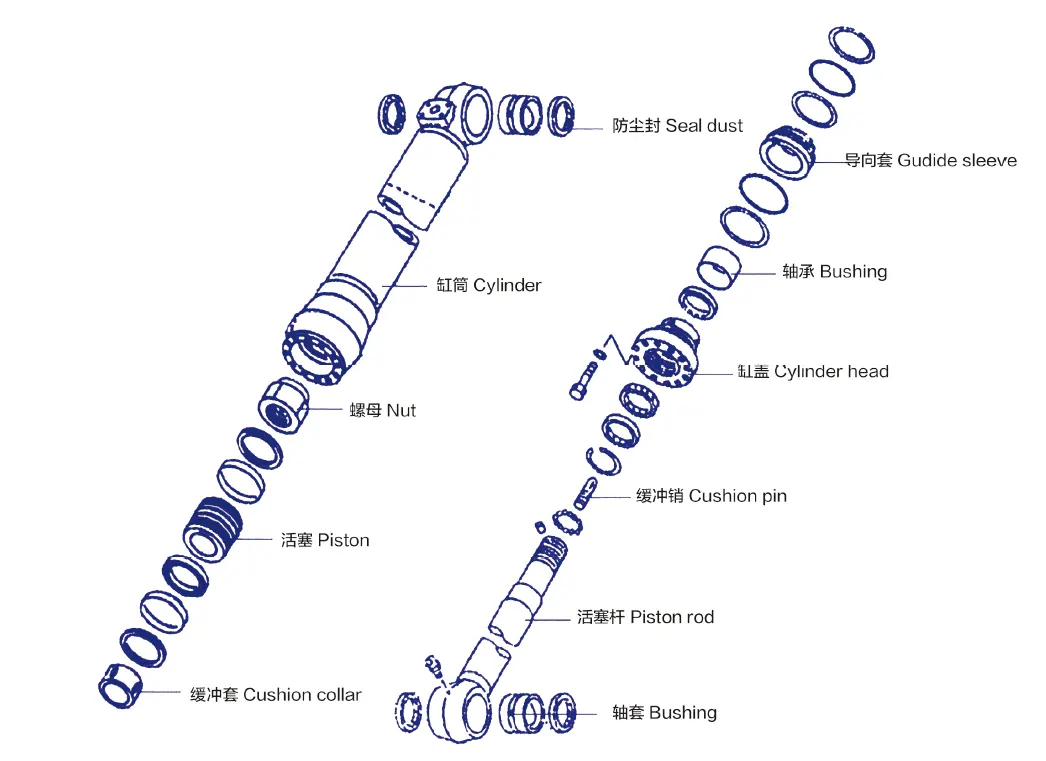
The arm cylinder is a specially designed hydraulic cylinder that provides linear motion and power to the arm of various machinery such as excavators, cranes, and robotic arms. It plays a crucial role in hydraulic systems, enabling the efficient movement and control of additional tools or attachments. These cylinders not only achieve smooth motion but also withstand heavy loads, ensuring high efficiency and reliability of the machinery under various operating conditions.
Caratteristiche
-
Trasmissione ad alta efficienza
Il cilindro del braccio fornisce un potente movimento lineare e una forza tale da garantire prestazioni efficienti del braccio meccanico in varie operazioni.
-
Controllo di precisione
Grazie al sistema idraulico, il cilindro del braccio consente un controllo preciso del movimento, rendendo più flessibile e preciso l'azionamento di utensili aggiuntivi.
-
Forte durata
Il cilindro del braccio è solitamente realizzato con materiali ad alta resistenza, che offrono un'eccellente resistenza all'usura e alla corrosione, rendendolo adatto all'uso a lungo termine in ambienti difficili.
-
Versatile adattabilità
Questi cilindri possono essere ampiamente utilizzati in diverse attrezzature meccaniche, come escavatori, gru e bracci robotici, adattandosi a diverse esigenze lavorative.
-
Facile manutenzione
Designed for easy maintenance and replacement, the arm cylinder facilitates convenient periodic inspections and maintenance, reducing equipment downtime.

Applicazioni
The arm cylinder finds applications in different industries:
-
Ingegneria edile
Negli escavatori e nelle gru, il cilindro del braccio controlla il movimento delle benne o dei bracci per lo spostamento della terra, la movimentazione dei materiali e l'installazione strutturale.
-
Produzione
In automated production lines, the arm cylinder enables the movement of robotic arms for assembly, welding, and material handling processes, improving production efficiency and accuracy.
-
Macchine agricole
In agricultural machinery such as harvesters and planters, the arm cylinder controls the movement of operating arms for tasks like seeding, fertilizing, and harvesting.
-
Estrazione mineraria
Nelle attrezzature minerarie, il cilindro del braccio controlla il movimento del braccio dei macchinari minerari per l'estrazione e il trasporto del minerale.
-
Logistica e trasporti
Nei carrelli elevatori e nei robot di movimentazione, il cilindro del braccio controlla il sollevamento e il movimento delle forche, consentendo la movimentazione e l'impilamento dei materiali.
Considerazioni progettuali e criteri di selezione
Nella progettazione del cilindro del braccio è necessario considerare diversi fattori:
-
Capacità portante
The arm cylinder should be able to withstand the maximum expected load during operation.
-
Sigillatura
Various sealing components, such as piston seals and rod seals, should be used. These seals should be made of wear-resistant materials like polyurethane and nitrile rubber. The cylinder body and threaded ends should undergo fine treatment to improve wear resistance. Regular lubrication with the appropriate amount of hydraulic oil is necessary.
-
Durata
The arm cylinder should be made of materials with high durability to ensure long-term performance in demanding working environments.
-
Sicurezza
It is important to ensure the safety of the arm cylinder’s operation, including measures such as pressure relief valves, overload protection, and proper installation.
-
Manutenzione
The arm cylinder design should facilitate easy maintenance and repair to minimize downtime and ensure smooth operation.

Ispezione regolare e manutenzione preventiva
Per garantire prestazioni ottimali e longevità del cilindro del braccio, è necessario adottare le seguenti misure:
- Ispezionare regolarmente il cilindro per verificare eventuali segni di usura, perdite o danni.
- Controllare e sostituire le guarnizioni e gli altri componenti secondo necessità.
- Maintain proper lubrication by adding the recommended amount of hydraulic oil.
- Mantenere il cilindro pulito e libero da detriti o contaminanti.
- Per gli intervalli e le procedure di manutenzione, seguire le linee guida del produttore.
Guida all'installazione
Proper installation of the arm cylinder is crucial for its functionality and safety. Follow these steps:
- Ensure the excavator or machinery is turned off and all hydraulic pressure is released.
- Posizionare il cilindro del braccio nella posizione corretta, allineando i fori di montaggio.
- Fissare saldamente il cilindro utilizzando bulloni e dadi adeguati.
- Connect the hydraulic hoses to the cylinder, following the designated ports.
- Test the cylinder for proper operation before resuming work.

Considerazioni sulla sicurezza e fattori ambientali
When using the arm cylinder, it is essential to prioritize safety measures to prevent accidents and protect personnel. Safety precautions include:
- Follow all safety guidelines and instructions provided by the manufacturer.
- Ensure proper training and certification for anyone operating or maintaining the machinery.
- Regularly inspect the cylinder and hydraulic system for any signs of damage or malfunction.
- Provide adequate protective equipment, such as gloves and goggles, when working with the cylinder.
Risoluzione dei problemi e problemi comuni
When encountering problems with the arm cylinder, consider the following troubleshooting steps:
- Check for any visible leaks or damage to the cylinder or hydraulic hoses.
- Inspect the hydraulic fluid level and quality, and replenish or replace if necessary.
- Ensure all hydraulic connections are secure and properly tightened.
- Verify that the pressure relief valve is functioning correctly.
- Refer to the manufacturer’s troubleshooting guide or contact their customer support for further assistance.
Seguendo questi suggerimenti per la risoluzione dei problemi e adottando misure preventive, i lettori possono diagnosticare e risolvere efficacemente i problemi, riducendo al minimo i potenziali inconvenienti.

Chi siamo
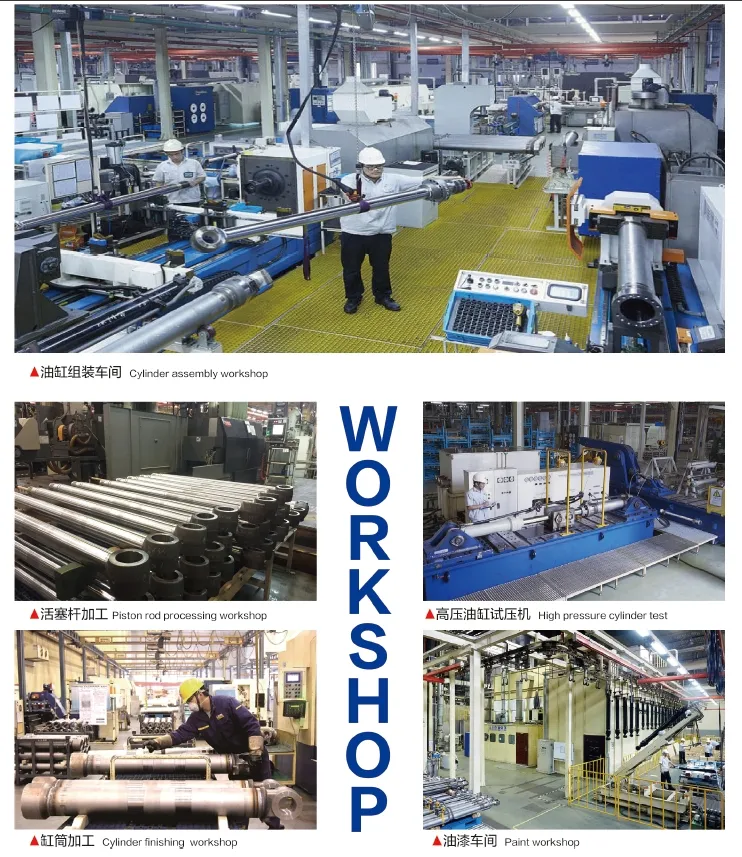
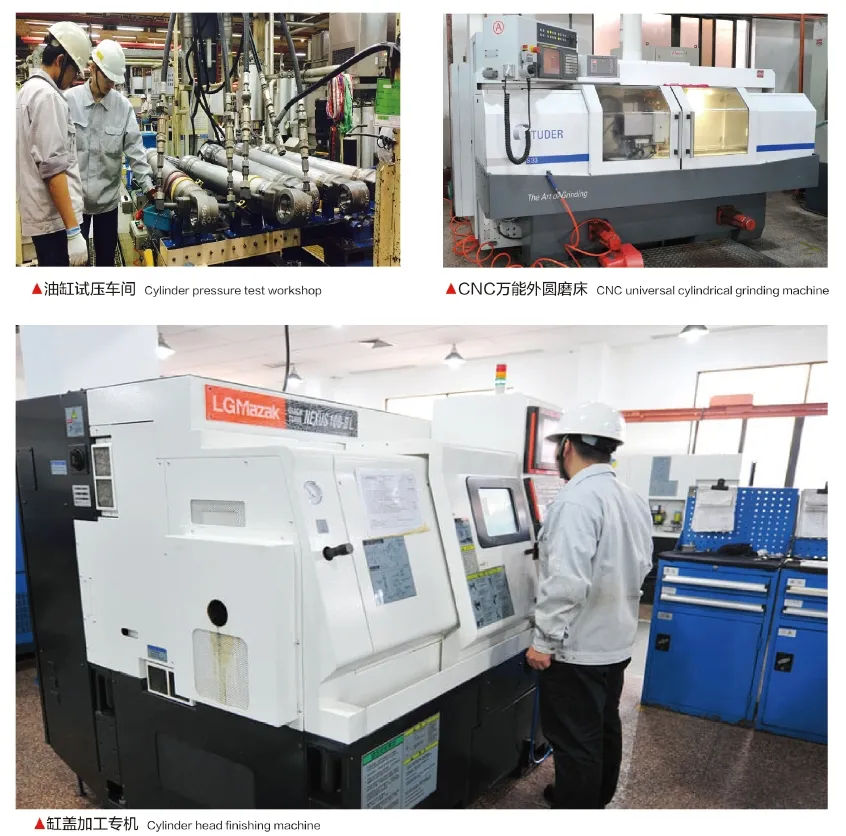
We are a professional manufacturer of replacement hydraulic cylinders, offering a wide range of products. We have become one of the leading hydraulic cylinder manufacturers and wholesale distributors in both domestic and international markets. With a commitment to excellence, we continuously improve our technical expertise and production efficiency through advanced manufacturing facilities and professional testing systems. Our innovative capabilities are enhanced by the use of high-end digital manufacturing equipment. We prioritize efficiency, precision, and high-quality products to meet the diverse needs of our customers.
Autore: lyl
Cilindro idraulico Applicazione:

 IT
IT  EN
EN  PT
PT  ES
ES  DE
DE  FR
FR  AR
AR  ZH
ZH  RU
RU  KO
KO  KA
KA  BG
BG  CS
CS  DA
DA  EL
EL  ET
ET  FI
FI  HU
HU  ID
ID  LT
LT  LV
LV  NB
NB  NL
NL  PL
PL  RO
RO  SK
SK  SL
SL  SV
SV  TR
TR  UK
UK