
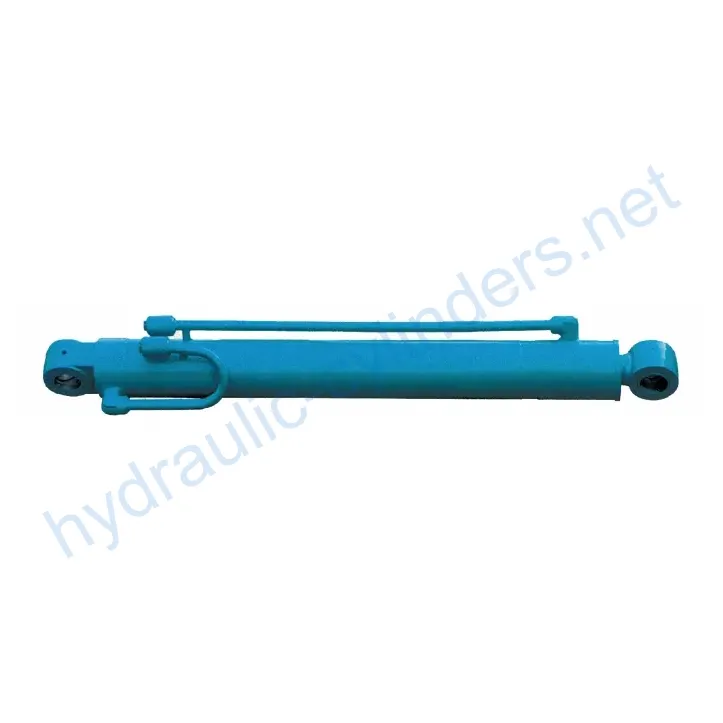
Cilindro del braccio per escavatore centrale Doosan DH225LC-9
In qualità di uno dei produttori, fornitori ed esportatori di prodotti meccanici, offriamo cilindri idraulici e molti altri prodotti.
Per maggiori dettagli, contattateci.
Posta:sales@hydraulic-cylinders.net
Produttore fornitore esportatore di cilindri idraulici.
Arm Cylinder for Doosan Middle Excavator DH225LC-9
Definizione
The arm cylinder is a specially designed hydraulic cylinder that provides linear motion and power to the arm of various types of machinery, such as excavators, cranes, and robotic arms. It plays a crucial role in hydraulic systems, enabling the efficient movement and control of additional tools or attachments. These cylinders not only ensure smooth motion but also withstand heavy loads, ensuring the efficient operation and reliability of the machinery under various working conditions.
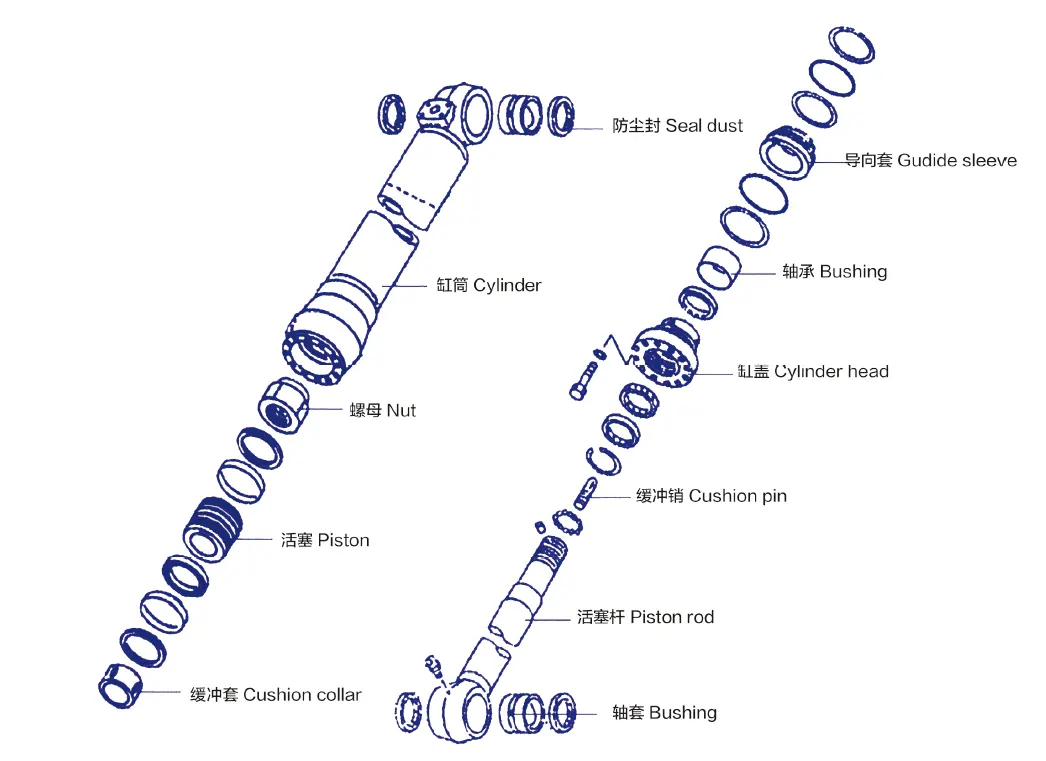
Caratteristiche
- Trasmissione ad alta efficienza: il cilindro del braccio fornisce un potente movimento lineare e una forza elevata, garantendo al braccio meccanico elevate prestazioni in varie operazioni.
- Controllo preciso: grazie al sistema idraulico, il cilindro del braccio consente un controllo preciso del movimento, rendendo più flessibile e preciso il funzionamento di utensili aggiuntivi.
- Strong Durability: Arm cylinders are typically made of high-strength materials with excellent wear and corrosion resistance, making them suitable for long-term use in harsh environments.
- Adattabilità multifunzionale: questi cilindri possono essere ampiamente applicati a vari macchinari, come escavatori, gru e bracci robotici, adattandosi a diverse esigenze di lavoro.
- Facile manutenzione: la progettazione tiene conto della facilità di manutenzione e sostituzione, rendendo più comode le ispezioni e la manutenzione regolari e riducendo i tempi di fermo delle apparecchiature.

Applicazioni
Il cilindro del braccio trova applicazione in vari settori industriali:
- Construction Engineering: In excavators and cranes, the arm cylinder controls the movement of the bucket or boom for earthworks, material handling, and structural installation.
- Manufacturing Industry: In automated production lines, the arm cylinder controls the movement of robotic arms for processes such as assembly, welding, and material handling, enhancing production efficiency and accuracy.
- Macchine agricole: nelle attrezzature agricole come mietitrici e seminatrici, il cilindro del braccio controlla il movimento dei bracci operativi per attività quali la semina, la fertilizzazione e la raccolta.
- Estrazione mineraria: nelle attrezzature minerarie, il cilindro del braccio controlla il movimento del braccio dei macchinari minerari per l'estrazione e il trasporto del minerale.
- Logistics and Transportation: In forklifts and handling robots, the arm cylinder controls the lifting and movement of cargo forks, facilitating material handling and stacking.
Considerazioni progettuali e criteri di selezione
- Bearing Capacity: Discuss the arm cylinder’s ability to handle different loads and provide necessary force.
- Sealing: Explore the use of various seals like piston seals and rod seals made of wear-resistant materials like polyurethane and nitrile rubber. Highlight the importance of proper sealing for cylinder performance.
- Durability: Discuss the durability features of the arm cylinder, such as the use of high-strength materials and surface treatments to enhance wear resistance.
- Safety: Address the safety considerations in the design, emphasizing the importance of reliable and secure operation.
- Maintainability: Discuss the ease of maintenance and the need for regular inspections and lubrication to ensure optimal performance.

Sigillatura e lubrificazione
Proper sealing and lubrication are essential for the arm cylinder’s performance:
- Various seals, such as piston seals and rod seals, are used to prevent leakage and ensure efficient operation. These seals are made from wear-resistant materials like polyurethane and nitrile rubber.
- The cylinder body and threaded end surfaces undergo fine processing to improve wear resistance and longevity.
- Regular lubrication with the appropriate amount of hydraulic oil is necessary to ensure smooth operation and prevent damage.
Ispezione regolare e manutenzione preventiva
To maintain the arm cylinder’s performance and longevity, the following measures should be taken:
- Controllare regolarmente il cilindro per verificare eventuali segni di usura, perdite o danni.
- Tighten any loose connections and replace worn-out seals or components promptly.
- Keep the cylinder and its surrounding area clean to prevent the accumulation of debris or contaminants.
- Follow the manufacturer’s guidelines for maintenance intervals and lubrication requirements.
- Train personnel on proper handling and operation to minimize potential issues.
Guida all'installazione del prodotto
Per una corretta installazione del cilindro del braccio, seguire questi passaggi:
- Assicurarsi che il macchinario sia spento e in una posizione stabile.
- Scollegare tutte le tubazioni idrauliche collegate al vecchio cilindro.
- Remove the mounting brackets or fasteners securing the old cylinder.
- Carefully remove the old cylinder, taking note of its orientation.
- Inspect the new arm cylinder for any shipping damage or defects.
- Align the new cylinder with the mounting points and secure it using the appropriate fasteners.
- Connect the hydraulic lines to the new cylinder, ensuring proper alignment and tight connections.
- Test the operation of the cylinder to ensure smooth and accurate movement.

Considerazioni sulla sicurezza e fattori ambientali
When using arm cylinders, safety precautions are crucial to prevent accidents and ensure operator well-being. It is important to:
- Follow all safety guidelines and regulations related to machinery operation and maintenance.
- Provide proper training to operators on the safe use and handling of the arm cylinder.
- Regularly inspect the cylinder and surrounding components for potential hazards or signs of wear.
- Implement safety features such as emergency stop systems and protective covers where applicable.
Risoluzione dei problemi e problemi comuni
When encountering problems with the arm cylinder, the following troubleshooting steps can help diagnose and resolve issues:
- If the arm cylinder fails to extend or retract, check for hydraulic fluid leaks, insufficient pressure, or clogged hydraulic lines.
- If the cylinder operates erratically or produces unusual noises, inspect for damaged seals, misalignment, or worn-out components.
- If the cylinder exhibits slow or weak movement, check for low hydraulic fluid levels, insufficient lubrication, or internal leaks.
By addressing these common issues, readers can effectively diagnose and resolve problems. Emphasize the importance of preventive measures to minimize potential issues.

Ricordatevi di organizzare l'articolo in modo logico, di utilizzare sottotitoli per una facile navigazione, di incorporare immagini o grafici pertinenti per migliorare la comprensione e di assicurarvi che il contenuto sia chiaro, conciso e adatto a lettori con diversi livelli di conoscenza tecnica.
Chi siamo
We are a professional manufacturer of replacement hydraulic cylinders. With a wide range of product offerings, we have become one of the leading manufacturers and wholesale distributors in the domestic and international markets. We adhere to the principle of excellence in quality and continuously improve our technical expertise and production efficiency through industrialized production management in our advanced manufacturing workshop. By introducing high-end digital manufacturing equipment and professional testing systems, we optimize our manufacturing platform, refine product quality control processes, and possess strong innovation capabilities. Our goal is to meet diverse customer needs with efficiency, precision, and high-quality products.

Cilindro idraulico Applicazione:

 IT
IT  EN
EN  PT
PT  ES
ES  DE
DE  FR
FR  AR
AR  ZH
ZH  RU
RU  KO
KO  KA
KA  BG
BG  CS
CS  DA
DA  EL
EL  ET
ET  FI
FI  HU
HU  ID
ID  LT
LT  LV
LV  NB
NB  NL
NL  PL
PL  RO
RO  SK
SK  SL
SL  SV
SV  TR
TR  UK
UK