

Arm CylinderFor Hitachi Wheel Excavator ZX170W-3
In qualità di uno dei produttori, fornitori ed esportatori di prodotti meccanici, offriamo cilindri idraulici e molti altri prodotti.
Per maggiori dettagli, contattateci.
Posta:sales@hydraulic-cylinders.net
Produttore fornitore esportatore di cilindri idraulici.
Arm Cylinder for Hitachi Wheel Excavator ZX170W-3
Introduzione
The Arm Cylinder for Hitachi Wheel Excavator ZX170W-3 is a specialized hydraulic cylinder designed to provide linear motion and power to the arm of various machinery such as excavators, cranes, and mechanical arms. The arm cylinder plays a crucial role in hydraulic systems, enabling the efficient movement and control of additional tools or attachments. These cylinders not only ensure smooth motion but also withstand heavy loads, ensuring high efficiency and reliability of the machinery in various operating conditions.
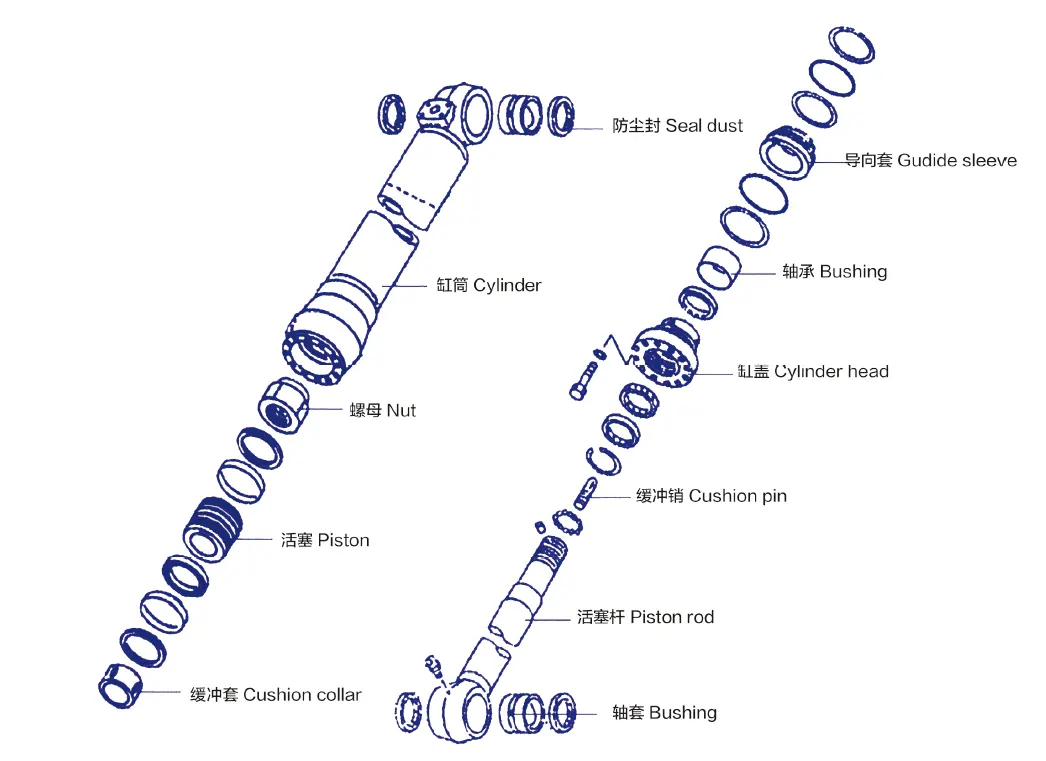
Caratteristiche
-
High-efficiency Transmission
Il cilindro del braccio fornisce un potente movimento lineare e una forza tale da garantire elevate prestazioni del braccio meccanico in varie operazioni.
-
Controllo preciso
Through the hydraulic system, the arm cylinder enables accurate motion control, making the operation of additional tools more flexible and precise.
-
Durata
Il cilindro del braccio è solitamente realizzato con materiali ad alta resistenza, che offrono un'eccellente resistenza all'usura e alla corrosione, rendendolo adatto all'uso a lungo termine in ambienti difficili.
-
Versatile adattabilità
Questi cilindri possono essere ampiamente applicati a vari macchinari, come escavatori, gru e bracci meccanici, adattandosi a diverse esigenze di lavoro.
-
Facile manutenzione
La progettazione tiene conto della facilità di manutenzione e sostituzione, rendendo più comode le ispezioni e la manutenzione regolari e riducendo i tempi di fermo delle apparecchiature.

Applicazioni
1. Ingegneria delle costruzioni
Negli escavatori e nelle gru, il cilindro del braccio controlla il movimento delle benne o dei bracci per il movimento terra, la movimentazione dei materiali e le installazioni strutturali.
2. Industria manifatturiera
In automated production lines, the arm cylinder is used for the motion of mechanical arms in processes such as assembly, welding, and handling, enhancing production efficiency and accuracy.
3. Macchine agricole
Nelle attrezzature agricole come mietitrici e seminatrici, il cilindro del braccio controlla il movimento dei bracci operativi per attività quali la semina, la fertilizzazione e la raccolta.
4. Estrazione mineraria
Nelle attrezzature minerarie, il cilindro del braccio controlla il movimento del braccio dei macchinari minerari per l'estrazione e il trasporto del minerale.
5. Logistica e trasporti
Nei carrelli elevatori e nei robot di movimentazione, il cilindro del braccio controlla il sollevamento e il movimento delle forche, consentendo la movimentazione e l'impilamento dei materiali.

Considerazioni progettuali e criteri di selezione
When designing arm cylinders, several key factors need to be considered:
-
Capacità portante
The arm cylinder should be designed to withstand the expected loads and forces to ensure safe and efficient operation.
-
Sigillatura
Various sealing components, such as piston seals and rod seals, should be used, preferably made of wear-resistant materials like polyurethane and nitrile rubber. The cylinder body and threaded ends should undergo precise treatment to enhance wear resistance. Regular lubrication with hydraulic oil is necessary for smooth operation.
-
Durata
The arm cylinder should be made of durable materials with excellent resistance to wear and corrosion to withstand harsh operating conditions.
-
Sicurezza
Safety features should be incorporated into the design, such as pressure relief valves or overload protection mechanisms, to prevent accidents or damage to the machinery.
-
Manutenibilità
The design should consider ease of maintenance and repair, allowing for convenient inspections and minimizing downtime.

Ispezione regolare e manutenzione preventiva
- Regularly inspect the arm cylinder for any signs of leaks, damage, or abnormal wear. Address any issues promptly to prevent further damage and ensure optimal performance.
- Check and replace worn or damaged seals and components regularly to maintain proper sealing and prevent fluid leakage.
- Ensure the arm cylinder is properly lubricated with the recommended hydraulic oil at the specified intervals to reduce friction and ensure smooth operation.
- Verify the tightness of all connections and fasteners to prevent potential leaks or loosening during operation.
- Follow the manufacturer’s guidelines for maintenance and conduct periodic inspections to identify any potential issues before they escalate.
Guida all'installazione del prodotto
Follow these steps to properly install the arm cylinder:
- Assicurarsi che la macchina sia spenta e che il sistema idraulico sia depressurizzato.
- Remove the old arm cylinder if necessary, carefully disconnecting any hydraulic lines or fittings.
- Inspect the mounting points and mating surfaces for any damage or debris. Clean and prepare them as needed.
- Position the new arm cylinder in place, aligning the mounting holes with the corresponding points on the machinery.
- Securely fasten the arm cylinder to the machinery using the appropriate bolts or pins, ensuring proper alignment.
- Reconnect any hydraulic lines or fittings, following the manufacturer’s specifications for torque and tightness.
- Test the arm cylinder’s functionality by gradually pressurizing the hydraulic system and checking for proper operation.
- Inspect for any leaks or abnormal behavior. Address any issues before putting the machinery back into service.

Considerazioni sulla sicurezza e fattori ambientali
When working with arm cylinders, it is essential to prioritize safety measures:
- Follow all safety guidelines provided by the manufacturer for the specific machinery and hydraulic system.
- Use appropriate personal protective equipment (PPE) when working with hydraulic systems, including gloves, safety glasses, and protective clothing.
- Regularly inspect the arm cylinder and hydraulic system for any potential safety hazards, such as leaks or damaged components.
- Train operators and maintenance personnel on proper handling and operation of the machinery to minimize the risk of accidents or injuries.
- Dispose of used hydraulic fluids and components in accordance with local environmental regulations to prevent pollution and protect the environment.
Risoluzione dei problemi e problemi comuni
I problemi più comuni che possono verificarsi con i cilindri del braccio includono:
- Leaking hydraulic fluid: Inspect and replace worn or damaged seals to ensure proper sealing and prevent fluid leakage.
- Abnormal noises during operation: Check for loose connections or worn components and address them promptly to avoid further damage.
- Inconsistent or loss of movement: Verify the hydraulic system pressure and flow, and inspect for any blockages or restrictions in the lines.
For troubleshooting and resolving these issues, consider the following:
- Refer to the manufacturer’s documentation for specific troubleshooting steps and recommended solutions.
- Consult with a qualified hydraulic technician or contact the manufacturer’s customer support for assistance.
- Regularly maintain and inspect the arm cylinder to identify
Cilindro idraulico Applicazione:

 IT
IT  EN
EN  PT
PT  ES
ES  DE
DE  FR
FR  AR
AR  ZH
ZH  RU
RU  KO
KO  KA
KA  BG
BG  CS
CS  DA
DA  EL
EL  ET
ET  FI
FI  HU
HU  ID
ID  LT
LT  LV
LV  NB
NB  NL
NL  PL
PL  RO
RO  SK
SK  SL
SL  SV
SV  TR
TR  UK
UK